How PET Detects Paired Photons
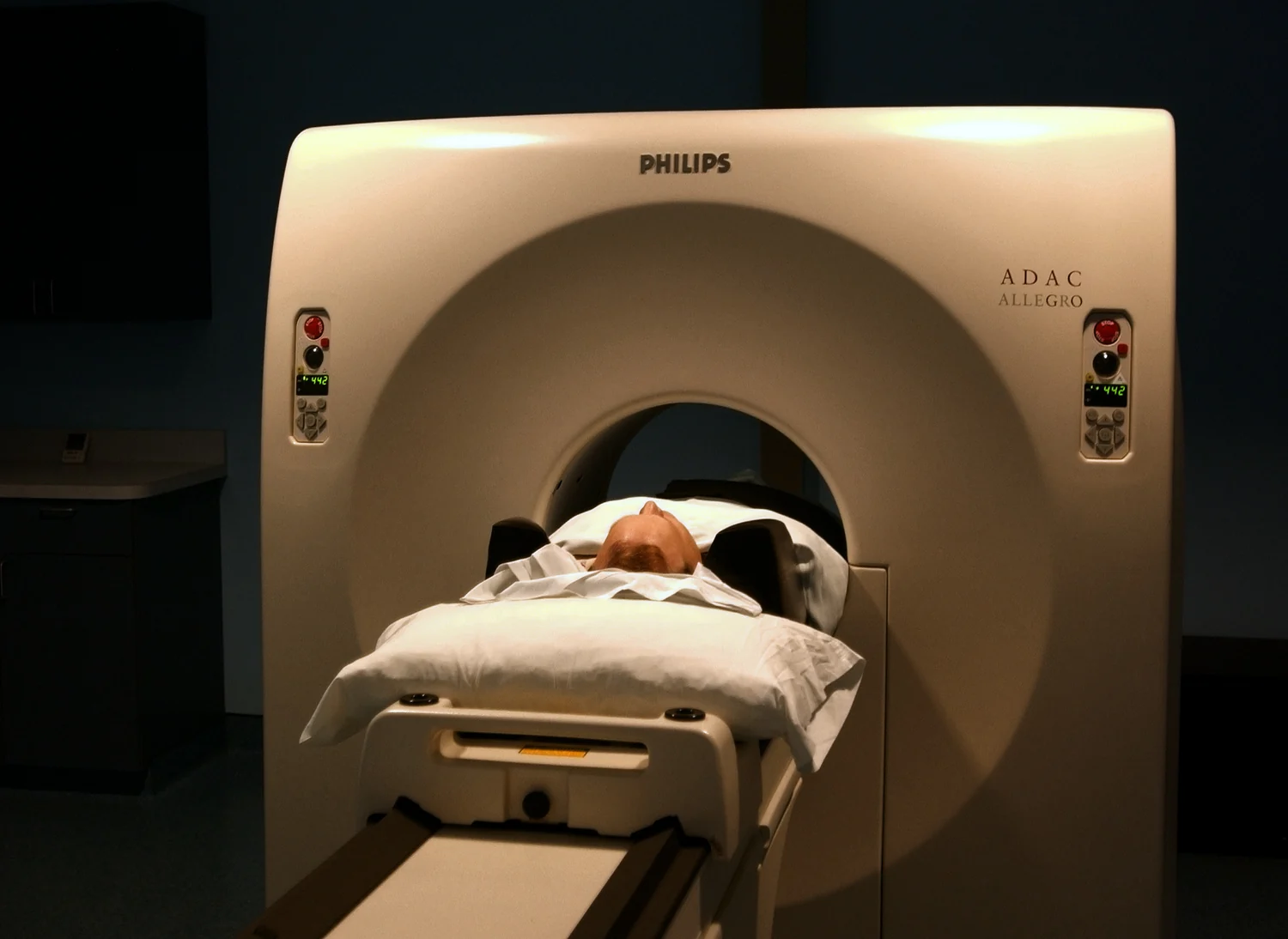
PET converts a tiny event inside the body into a line of likely origin: a positron meets an electron, producing two gamma photons detected in coincidence. Many such events build a functional image.
A closer look at the science
behind better healthcare.
Follow a question from first principles to the clinic. Browse the science of imaging, treatment, materials, and measurement.
325 articles
Deep dives first, then reading editionsPET converts a tiny event inside the body into a line of likely origin: a positron meets an electron, producing two gamma photons detected in coincidence. Many such events build a functional image.
A dialysis membrane must pass small dissolved wastes while retaining blood cells and useful proteins. Its pore structure illustrates why transport speed and filtering precision must be engineered together.
An X-ray image is a map of how much radiation reaches a detector. Bone stands out because its composition and thickness remove more X-rays from the beam than many surrounding tissues do.
Radiation treatment depends on translating images and a clinical goal into a controlled pattern of energy delivery. Physics expertise helps shape, verify, and adapt that plan around a moving, living body.
Electrical and magnetic stimulation can influence neural activity through different routes, from implanted electrodes to scalp coils. The path, location, and pulse pattern matter, and clinical status varies by method and use.
A simple geometric scaling rule explains why tiny particles and porous materials expose much more interface relative to their volume. In biomaterials, that extra interface can help or complicate interactions with tissue.
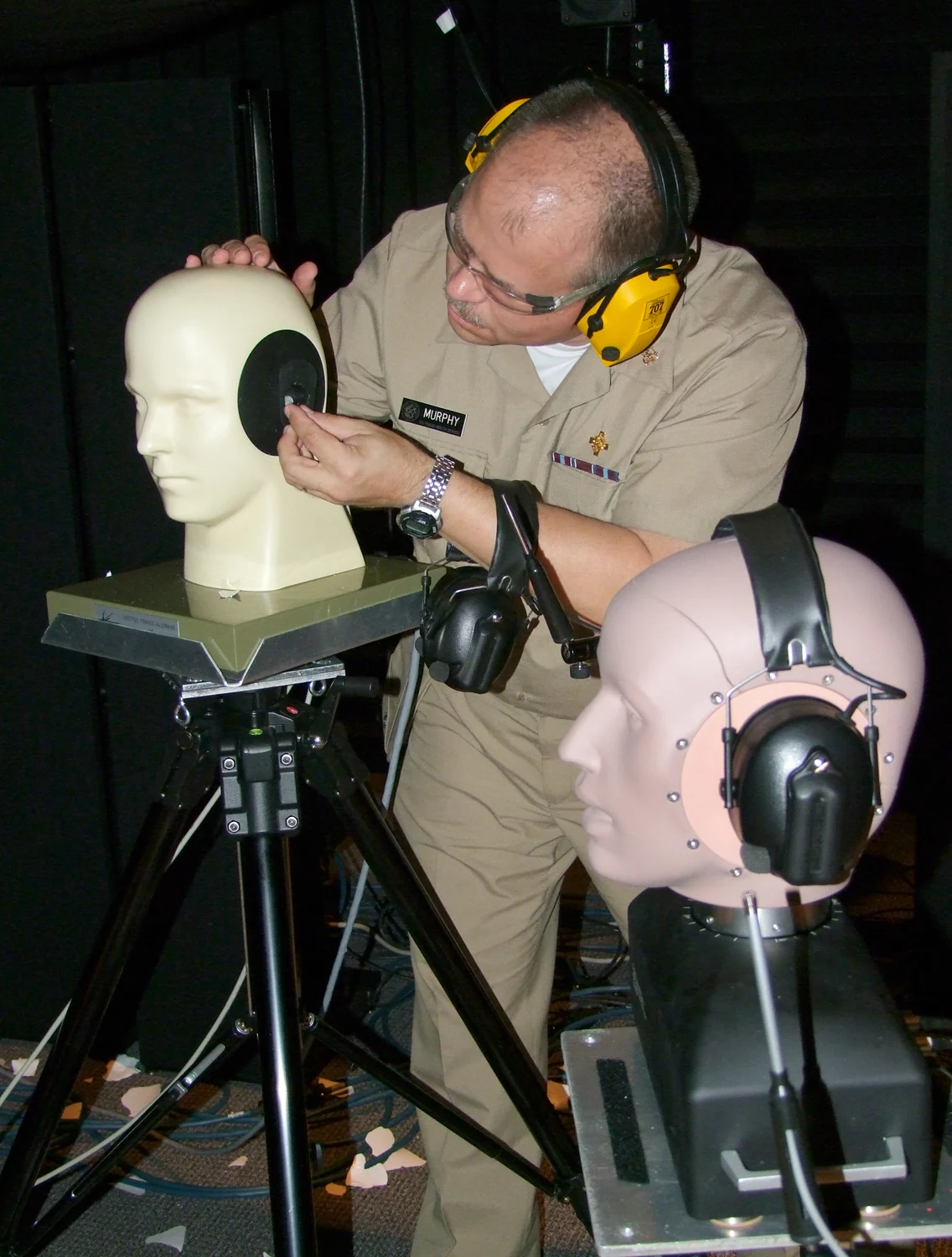
Ear protection reduces sound reaching the inner ear only when it forms an effective barrier. Fit matters because sound energy can travel through gaps, while safe exposure also depends on loudness and time.
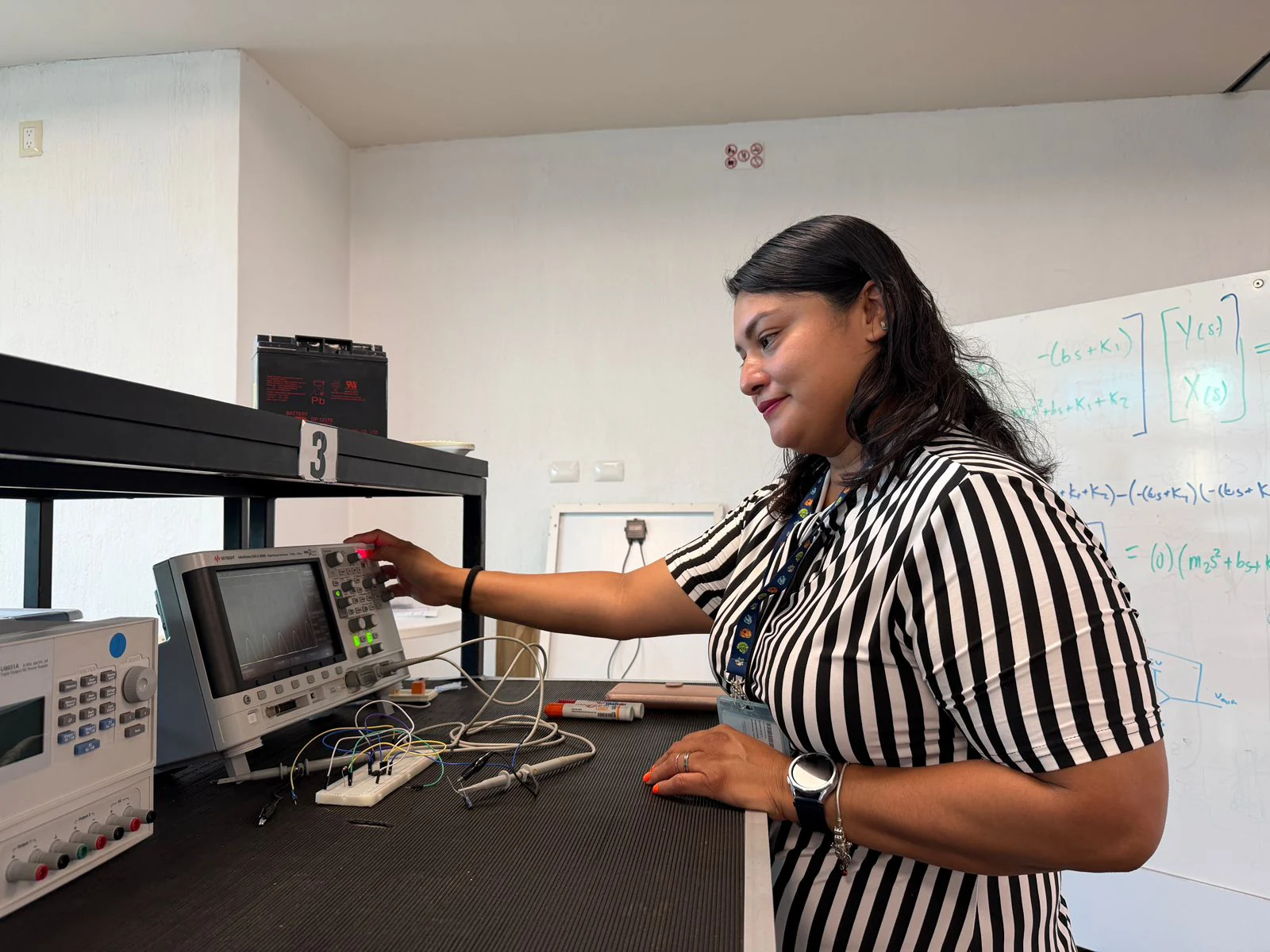
An ECG captures the heart’s electrical activity during a brief interval. Its useful view of rhythm and signal timing cannot, by itself, establish overall heart health or rule out an intermittent problem.
Theranostics pairs a molecular target with imaging and therapeutic radioactive compounds. A scan can show whether a target is reached, while a related treatment delivers radiation; that logic guides selection but does not guarantee response.
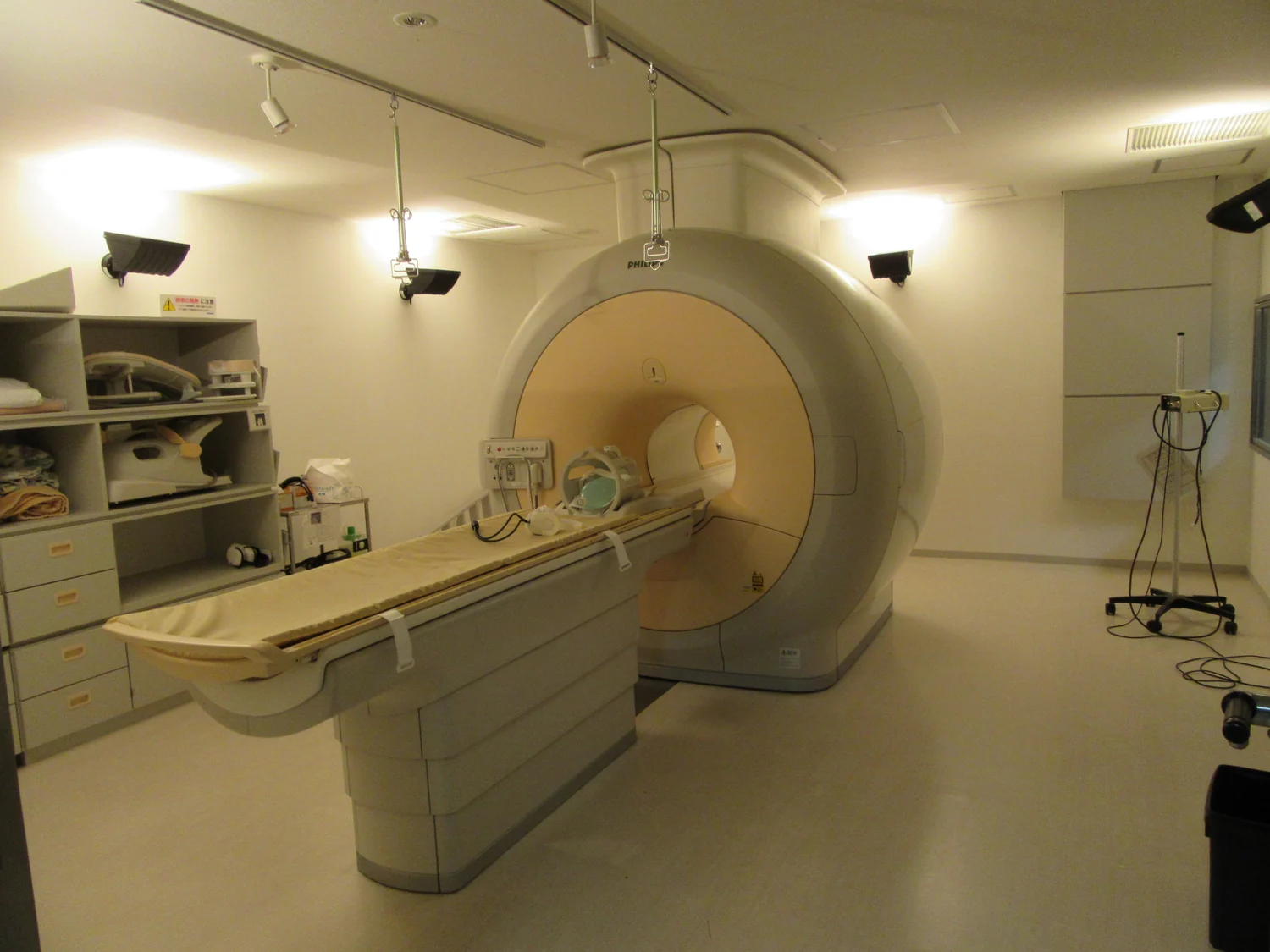
MRI uses a powerful magnetic field to orient hydrogen protons, radiofrequency pulses to disturb that alignment, and receiver coils to detect returning signals. Tissue-dependent signal timing helps form images.
A medical technology can start with a physical signal, but benefit depends on every step from interaction with the body to interpretation and care. Following that chain clarifies what a device does and what evidence is still needed.
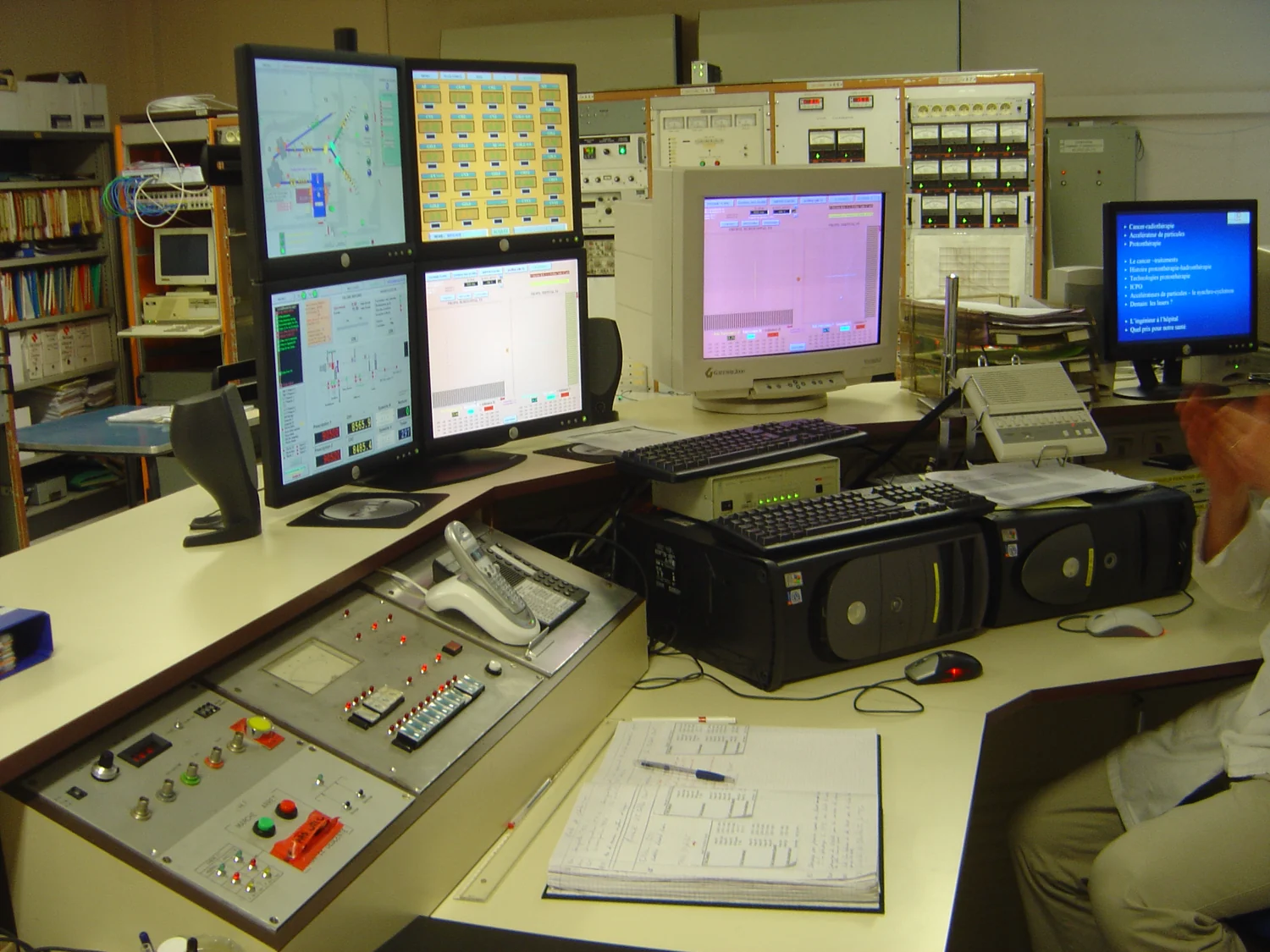
Protons deposit energy differently from photons, creating a potential way to limit dose beyond a tumor. Their finite range makes accurate imaging, modeling, positioning, and attention to motion central to treatment planning.
A simulation can reveal patterns and test “what if” scenarios, but its output is conditional on its assumptions. Comparing predictions with observations shows where those conditions describe the real system well.
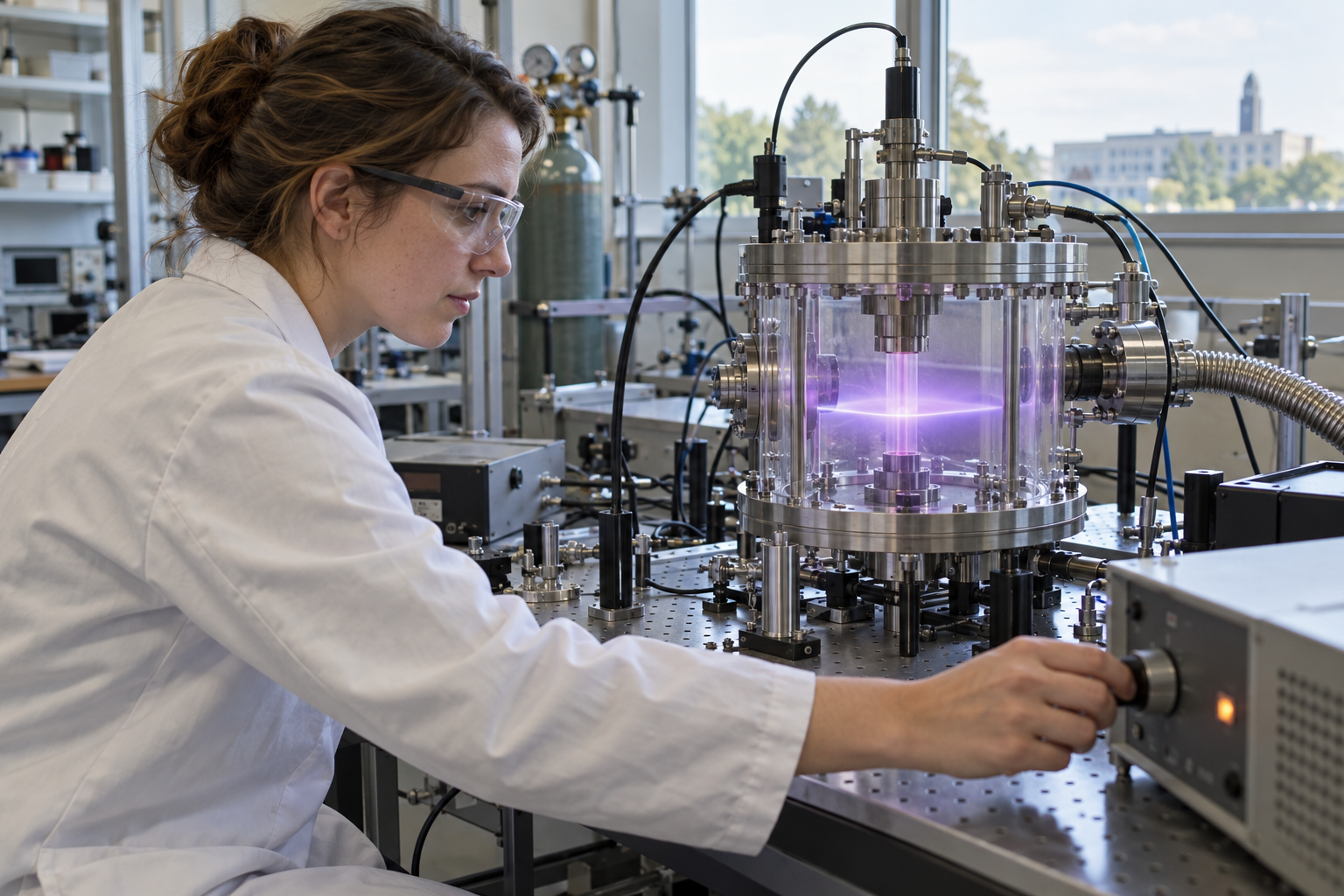
In plasma spraying, a hot ionized gas helps deposit a ceramic layer onto a metal implant surface. The manufacturing process can modify an interface, but coating presence alone does not establish clinical performance.
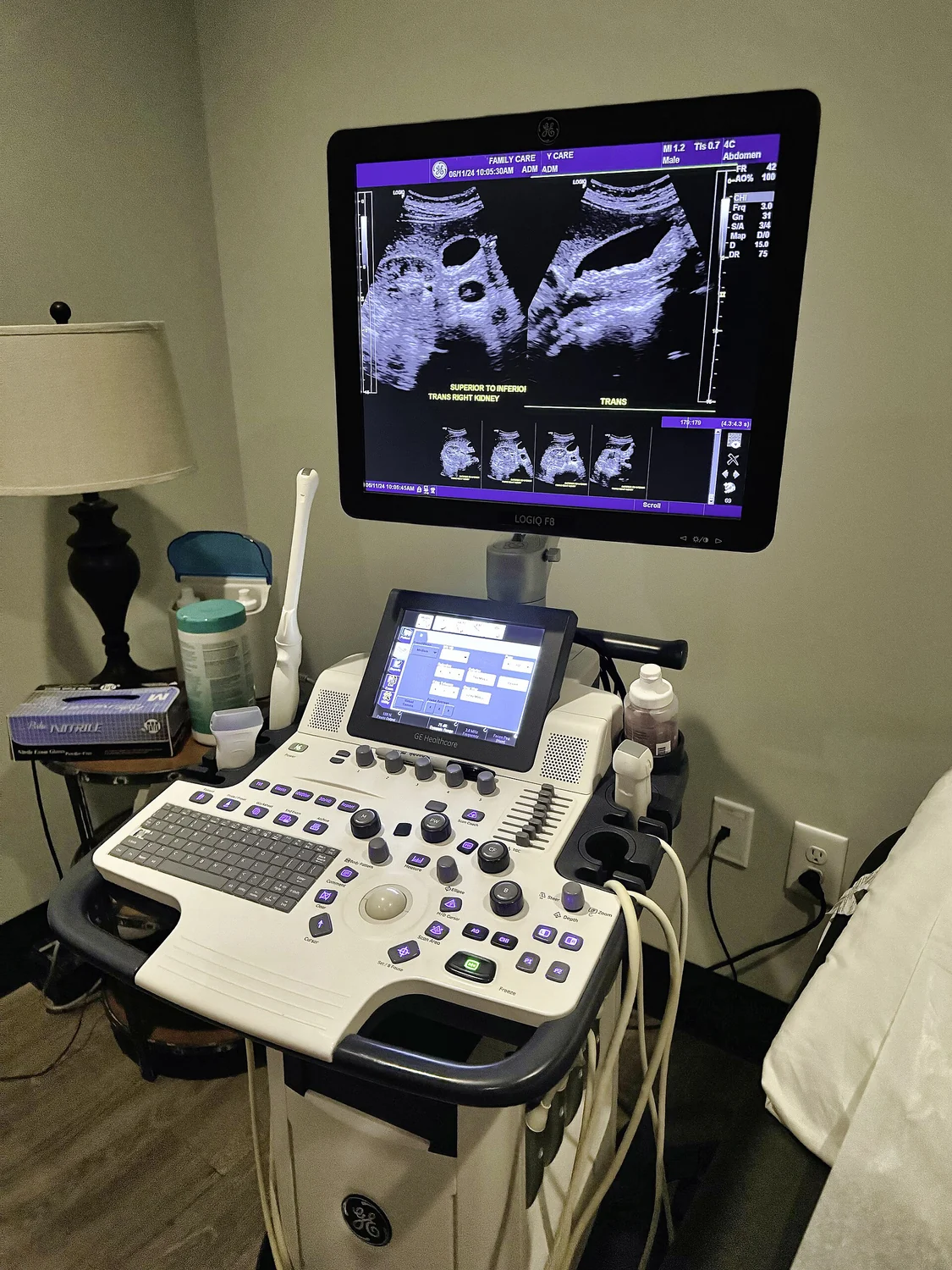
Photoacoustic imaging converts a brief optical pulse into a detectable sound wave. Light provides selective contrast, while ultrasound carries information from tissue depths that optical imaging alone can struggle to reach.
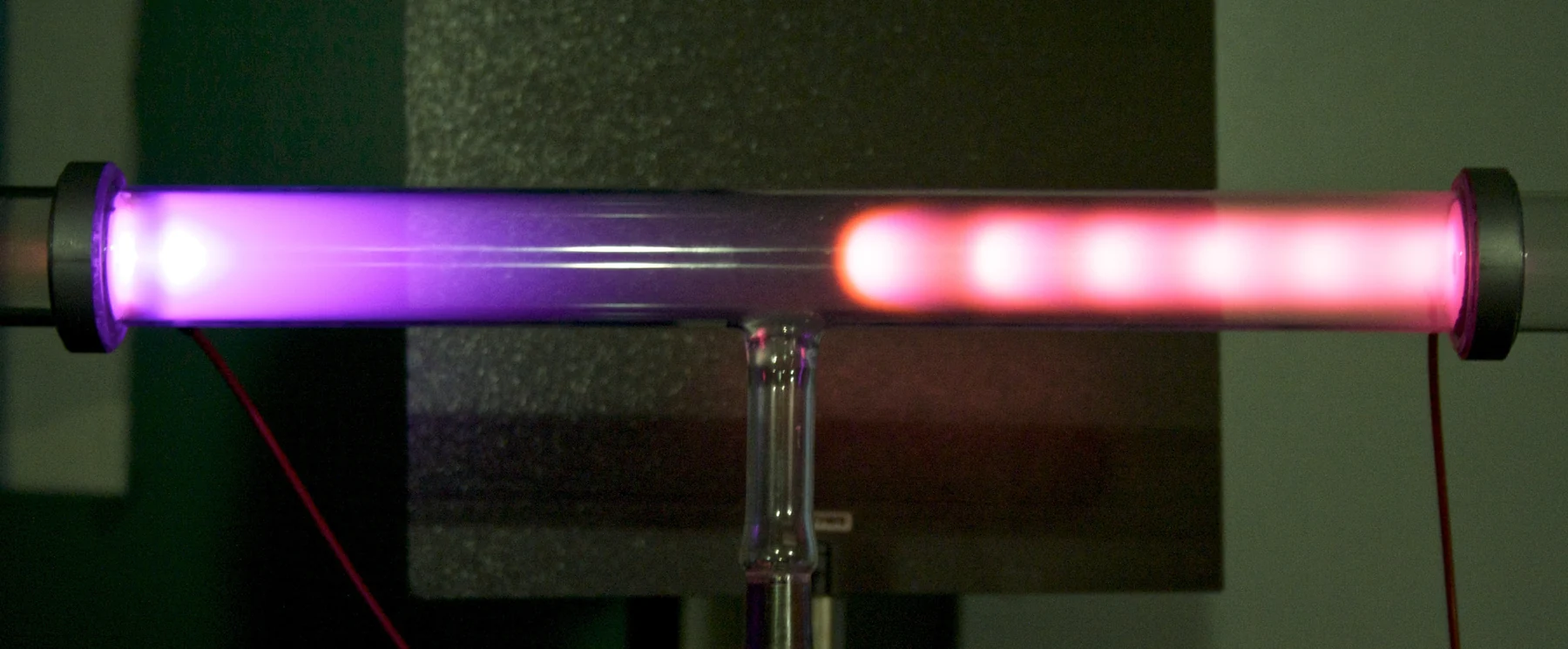
Plasma medicine includes distinct technologies and claims. To judge them, identify the device, the patient outcome, the comparison group, and the quality and phase of the evidence.
A narrow channel changes how much fluid can pass, how pressure is distributed, and how transport reaches surfaces. Dialysis fibers and sterilization lumens show why geometry matters in medical systems.
Wavelength and photon energy are linked across the electromagnetic spectrum: shorter wavelengths correspond to higher-energy photons. That relationship helps explain why visible light, ultraviolet radiation, and X-rays interact differently with matter.