Focused Ultrasound: Heat, Bubbles, and Evidence
How focused sound deposits heat or drives mechanical bubble activity, why imaging and motion control matter, and how indication-specific FDA authorizations differ from evidence of clinical benefit.
A closer look at the science
behind better healthcare.
Echoes, vibration, and focused acoustic energy in imaging, treatment, and hearing.
41 articles
Clear filtersHow focused sound deposits heat or drives mechanical bubble activity, why imaging and motion control matter, and how indication-specific FDA authorizations differ from evidence of clinical benefit.
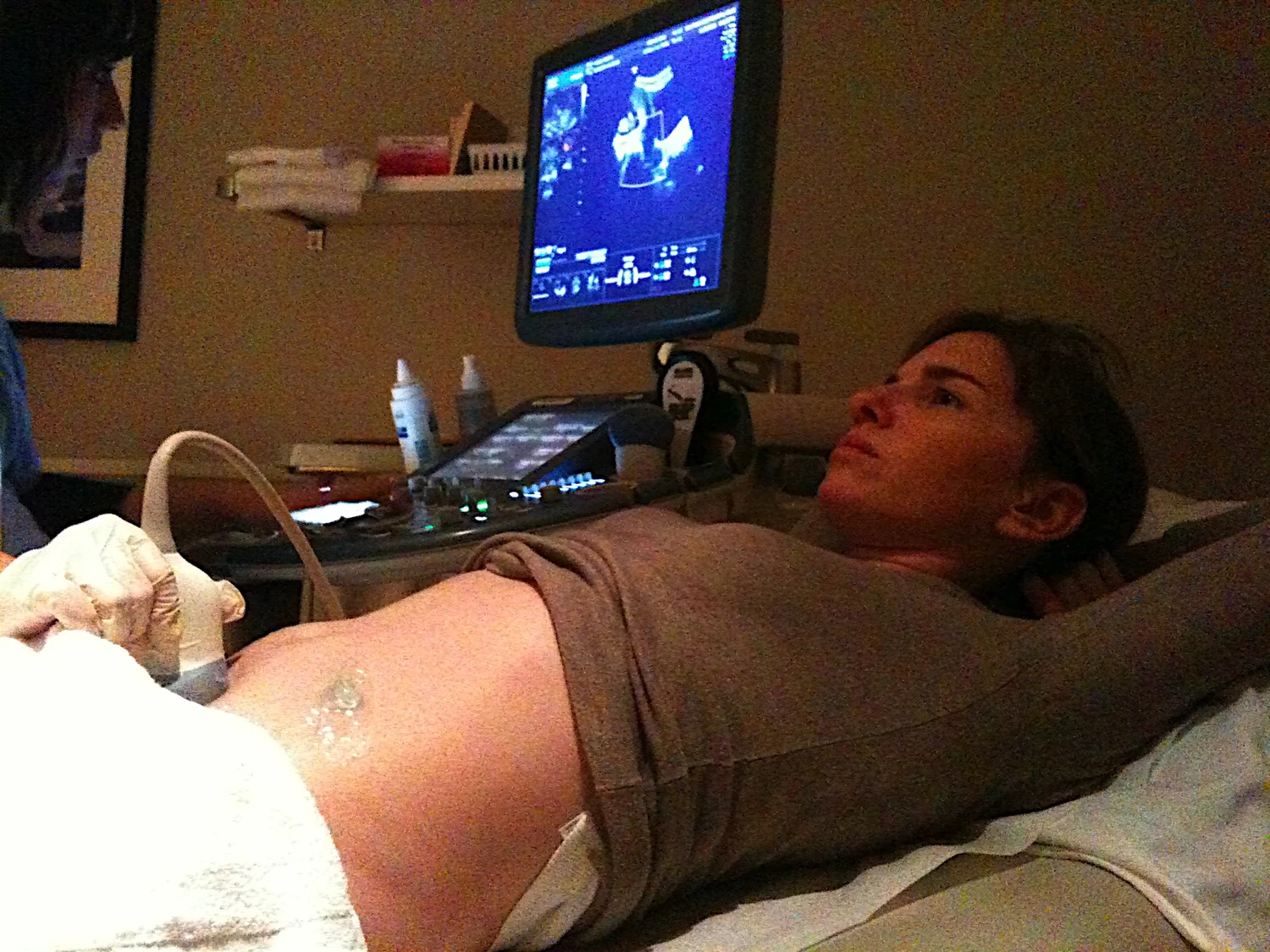
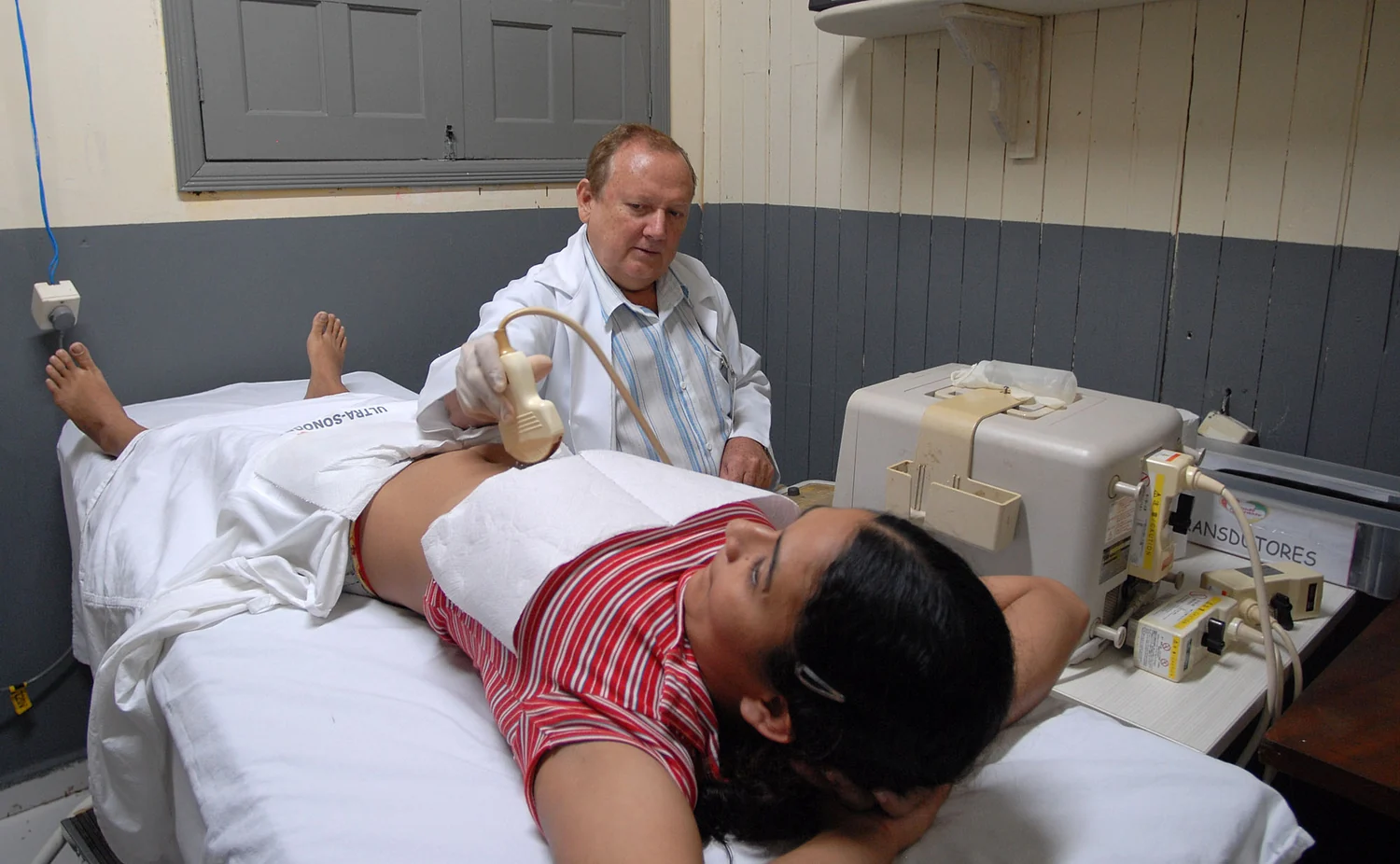
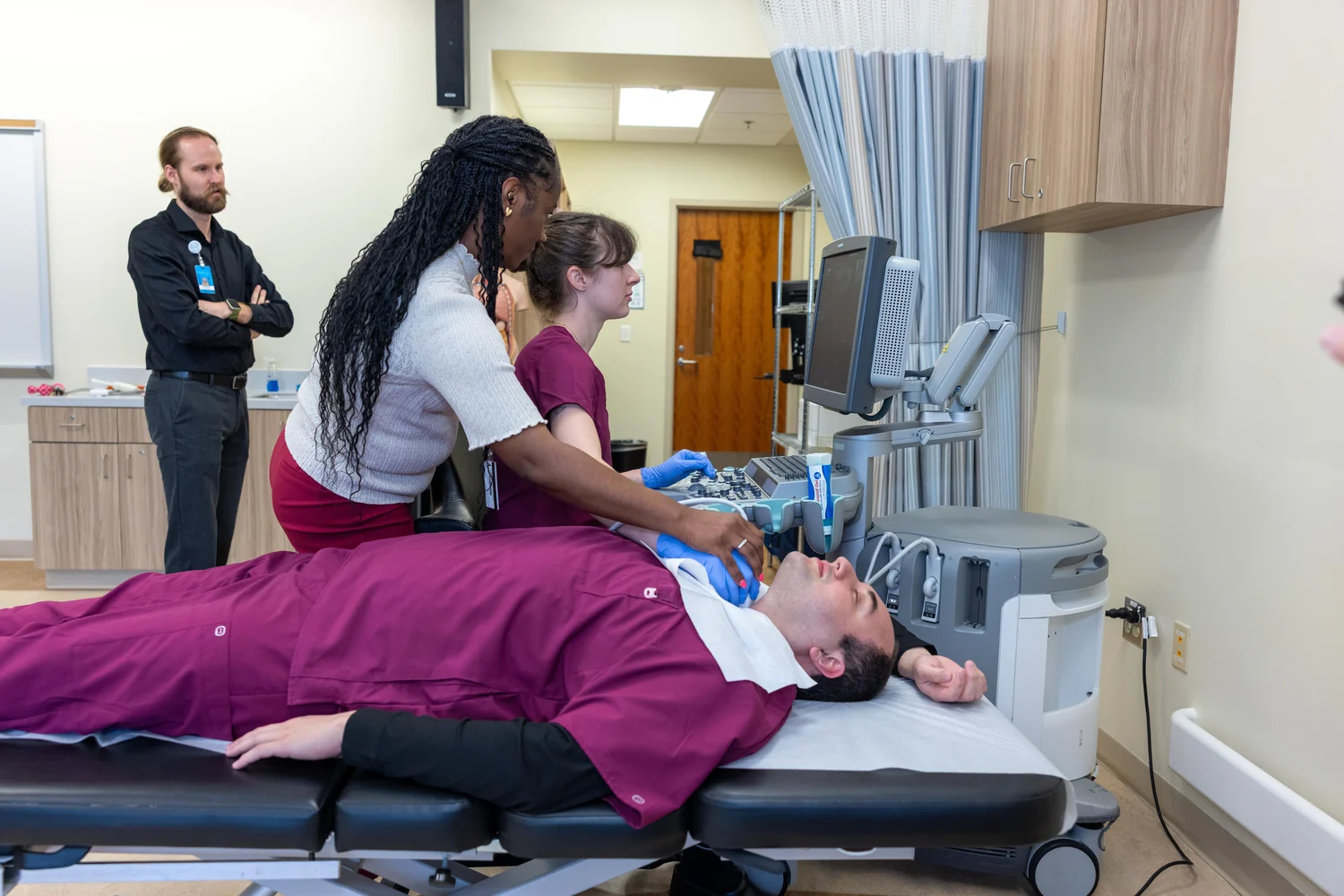
Ultrasound is sound above human hearing, but its medical uses depend on how waves travel, reflect, and deliver energy. Imaging and therapy use different intensities and goals.
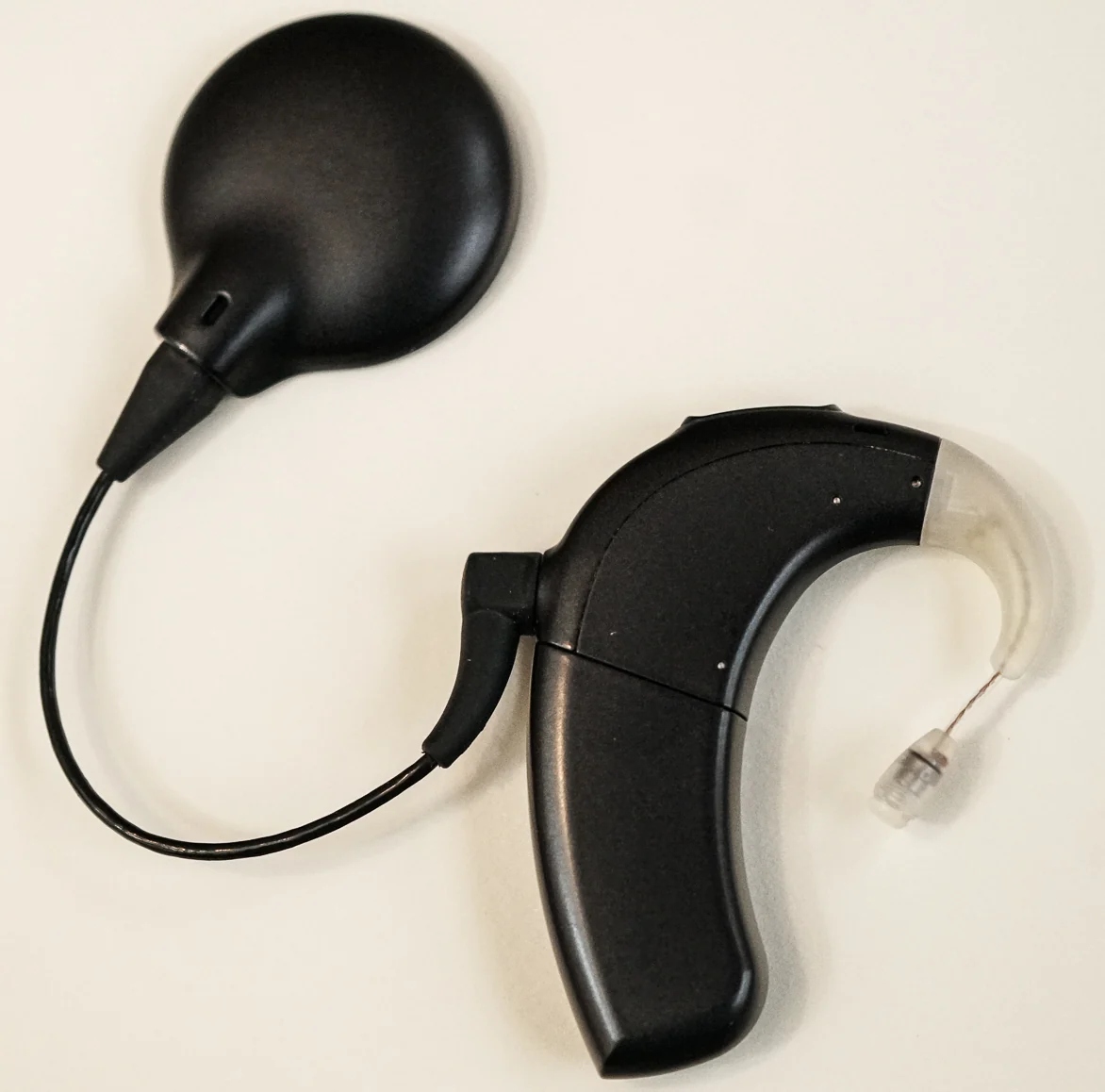
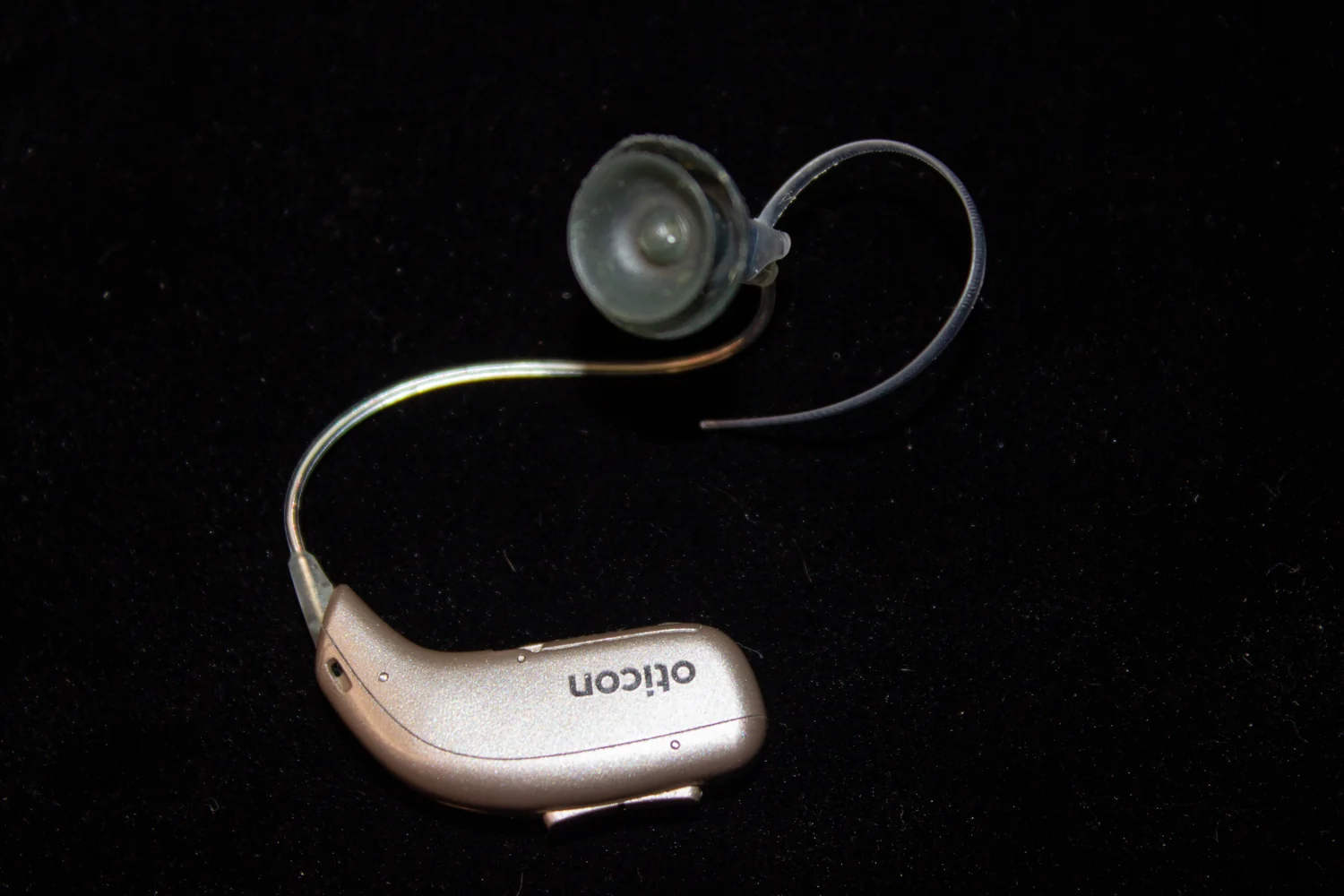
Hearing depends on a chain of mechanical and neural steps, so making sound louder cannot solve every hearing problem. Comparing hearing aids with cochlear implants shows where that chain can break.
Focused ultrasound can concentrate acoustic energy in tissue, raising temperature at a selected location. Thermal ablation depends on controlled heating, while imaging and temperature monitoring help manage the challenge of protecting nearby structures.
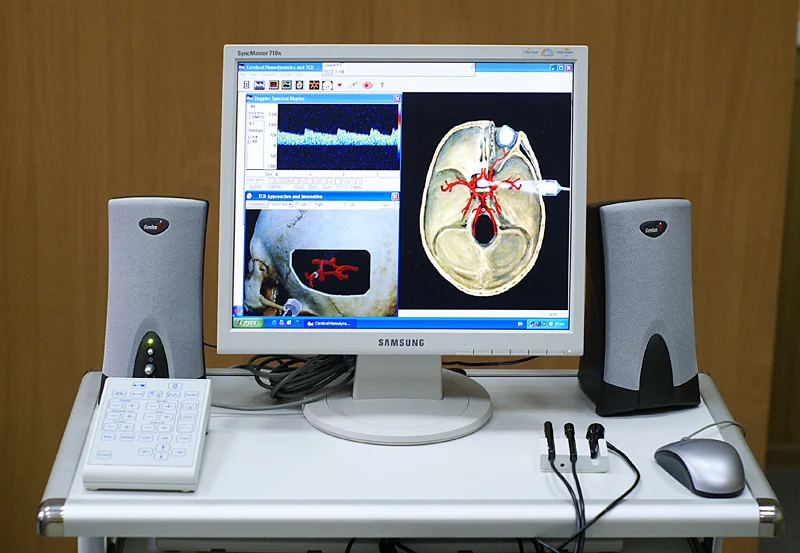
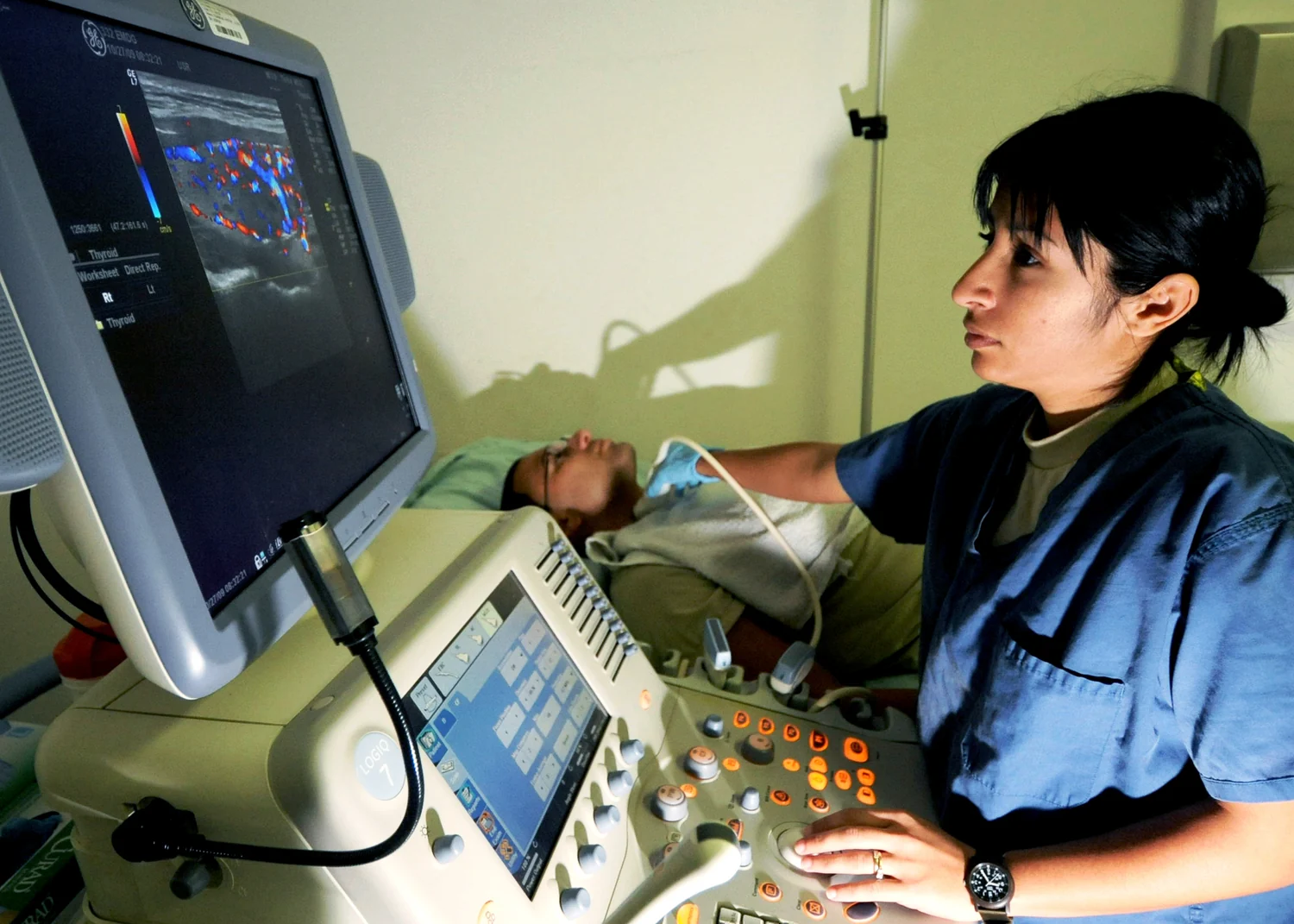
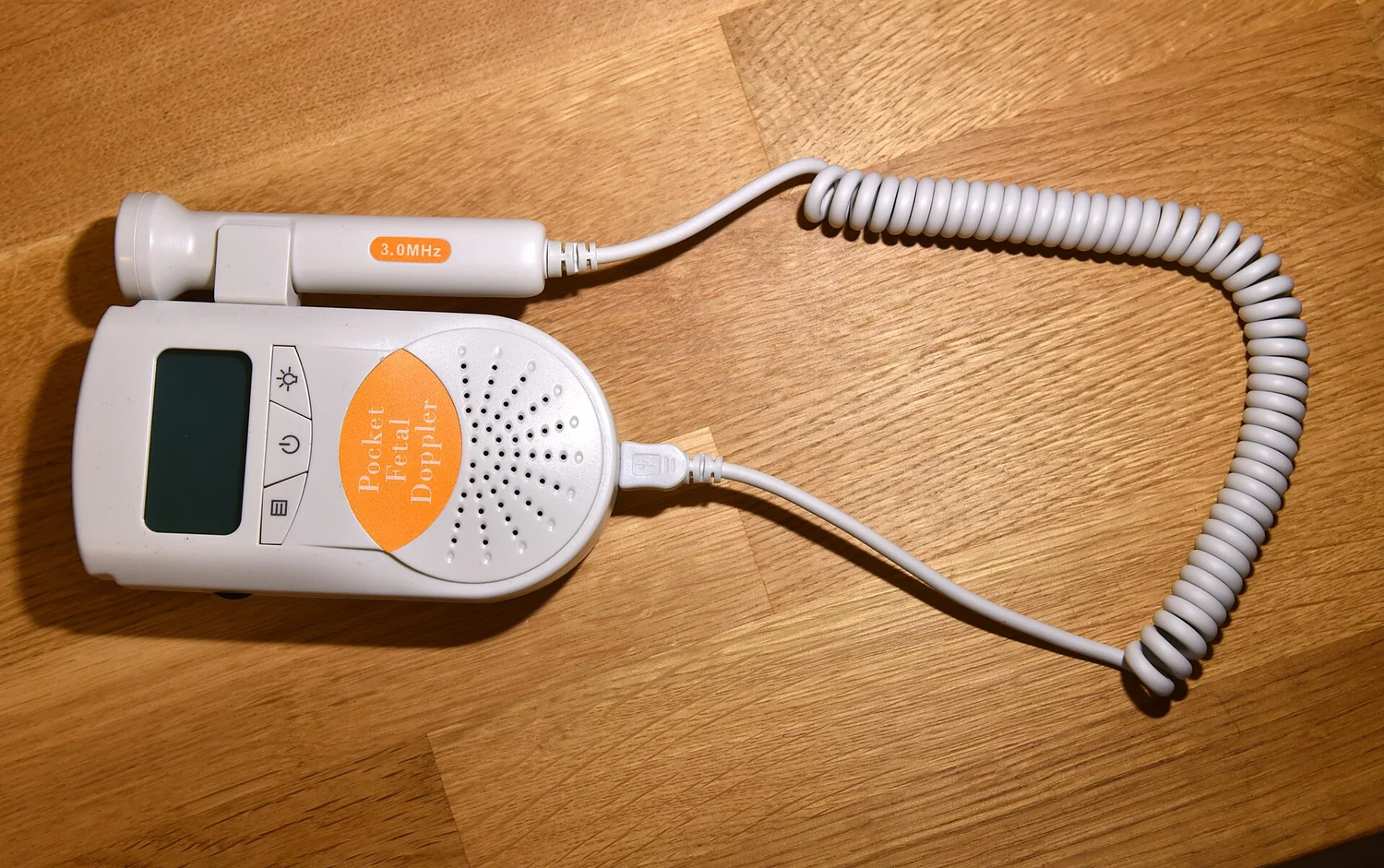
Doppler ultrasound uses changes in reflected sound to estimate blood-flow direction and speed. The method turns echoes into functional maps that complement anatomy, while depending on beam angle and careful interpretation.
Sound waves can reveal moving structures and, at sufficient intensities, transfer energy to tissue. To assess a treatment claim, distinguish imaging from intervention, then ask what was tested, in whom, and against what comparison.
A traveling wave moves through the cochlea’s fluid and excites different regions of its basilar membrane. This spatial arrangement lets the inner ear sort sound frequencies before signals reach the brain.
Ultrasound can do more than form images: converging sound waves can concentrate energy at a selected location. The physical mechanism is established, while specific therapeutic applications differ in evidence and clinical availability.
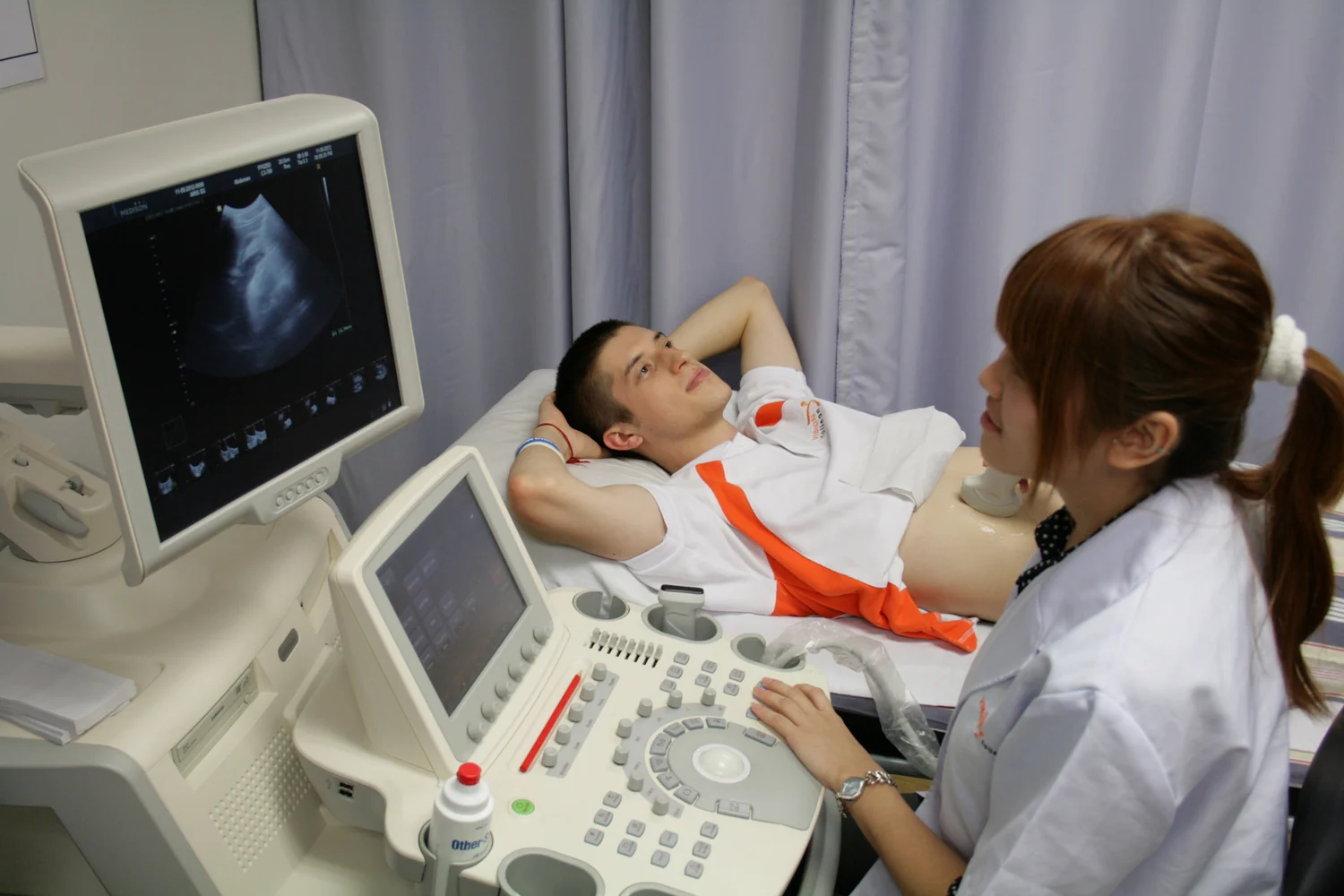
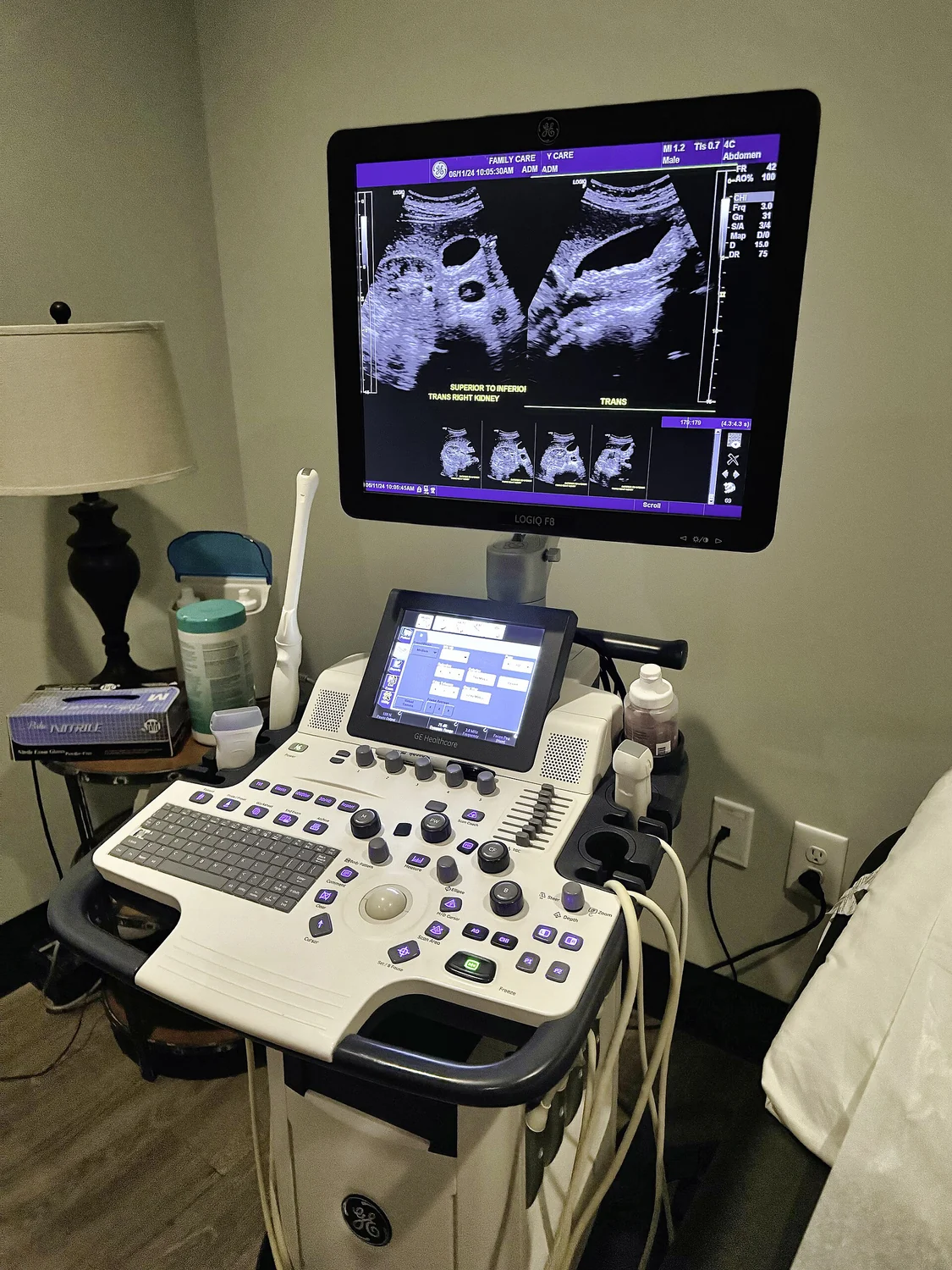
Ultrasound images depend on sound waves entering tissue and returning as echoes. Bone and air create strong boundaries that reflect or disrupt those waves, limiting what lies beyond them even as the same echoes create useful contrast.
A computer model can explore how sound travels through tissue before a device is tested, but its predictions depend on the assumptions and measurements built into it.
Hearing turns air pressure changes into fluid motion, then into electrical signals interpreted by the brain. Cochlear implants take a different route, bypassing damaged ear structures to stimulate the auditory nerve.
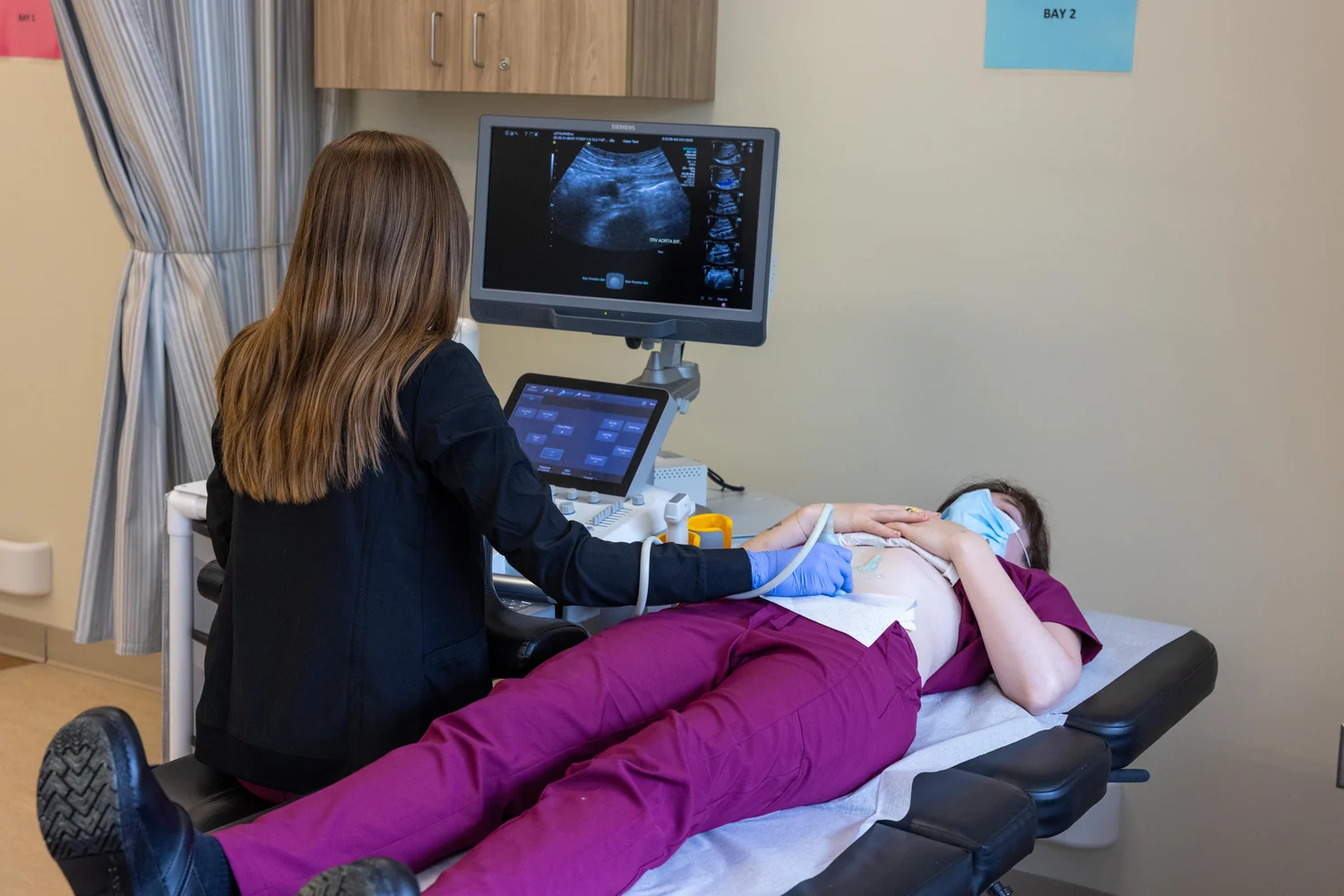
Ultrasound avoids ionizing x-rays, yet it still sends energy into tissue. Prudent use means obtaining useful information while limiting unnecessary exposure, with special care around prolonged scans and untrained operation.
Ultrasound images form when sound echoes return from boundaries between tissues. Acoustic impedance helps explain why some interfaces reflect strong echoes, while sound also supports the very different process of hearing.
Sensors turn physical changes into readable signals, but every measurement captures only selected features of a system. Following sound from air vibration to brain activity shows how a signal can be transformed without being the whole experience.
Sound is a traveling disturbance in matter, not a substance that flies through empty space. The same chain of pressure changes that carries a voice also underlies ultrasound imaging and hearing.
Ultrasound images with sound rather than x-rays, so it does not expose tissue to ionizing radiation. Its acoustic energy can still heat tissue or produce mechanical effects, making prudent use and trained operation important.
Higher-frequency sound can distinguish finer structures, but it fades more quickly as it travels through tissue. Ultrasound operators balance detail against penetration, while echoes and timing turn returning sound into an image.
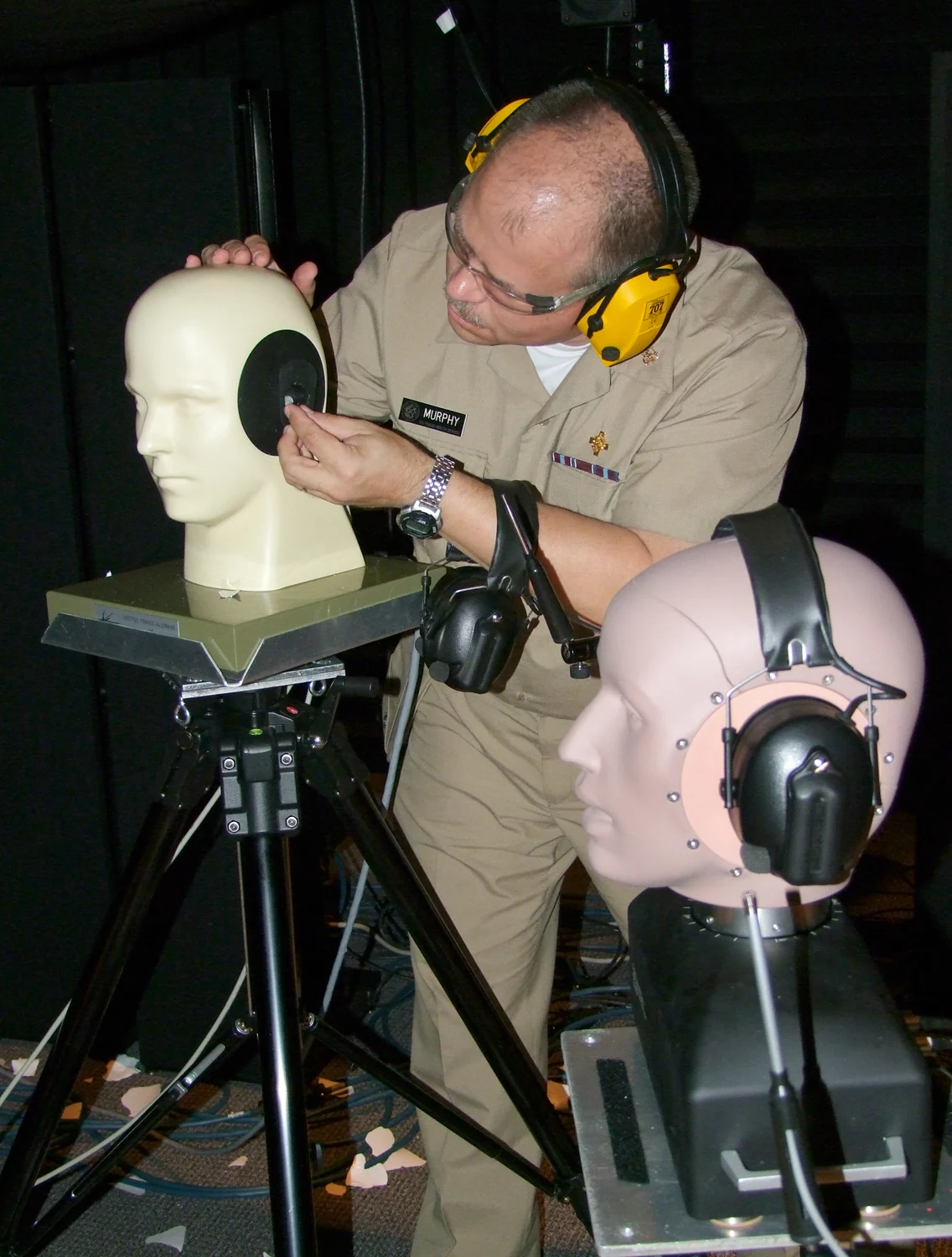
Ear protection reduces sound reaching the inner ear only when it forms an effective barrier. Fit matters because sound energy can travel through gaps, while safe exposure also depends on loudness and time.