When an ultrasound device is said to treat a condition, what exactly is the sound doing inside the body? The answer depends on the device’s purpose, the energy delivered, and the evidence behind the claimed outcome. Ultrasound imaging uses returning echoes to form a picture; treatment aims to change tissue or bodily processes. The shared use of sound does not make these jobs interchangeable, and a plausible physical mechanism alone cannot establish that patients benefit.
Sound becomes a measurement through echoes
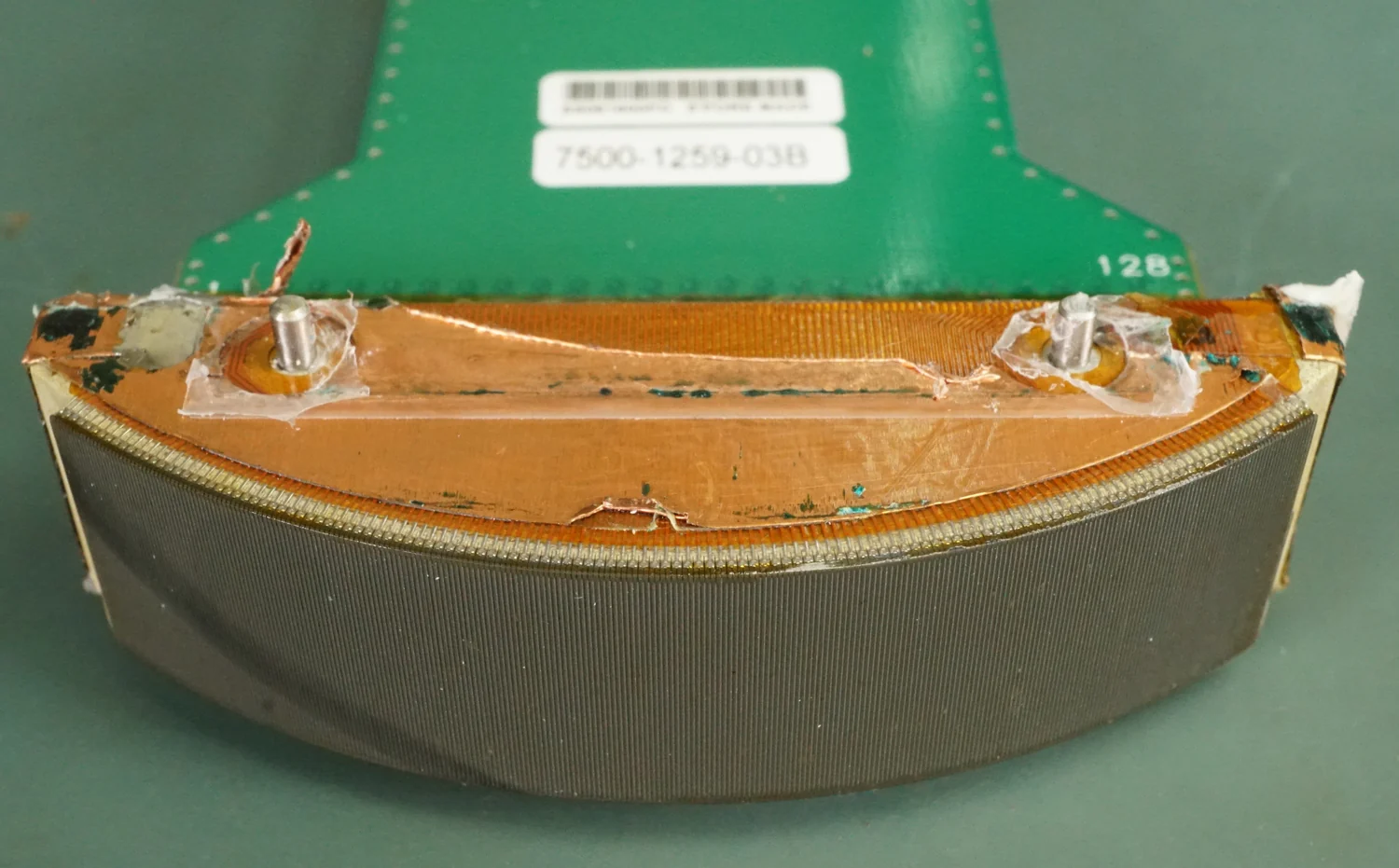
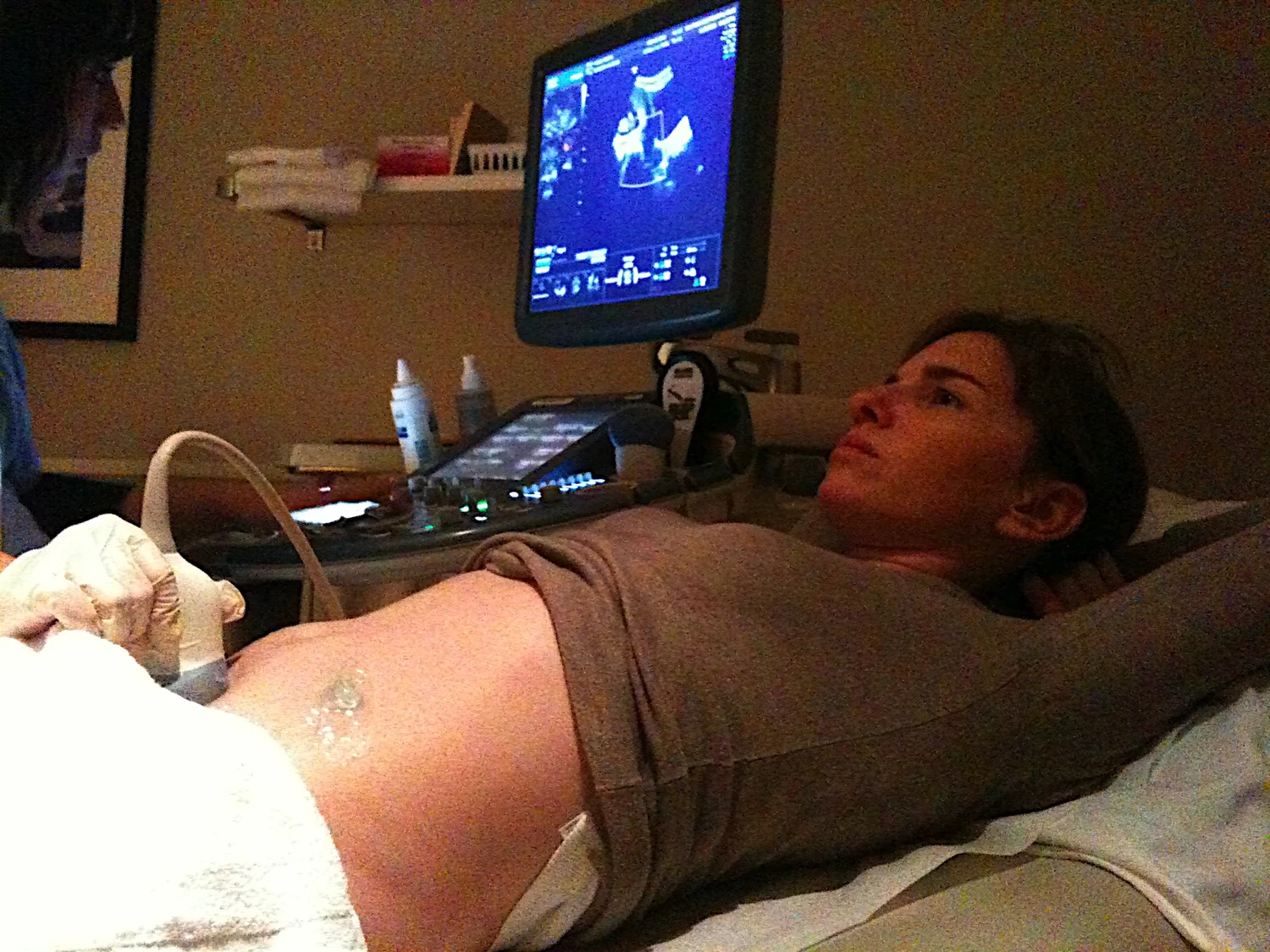
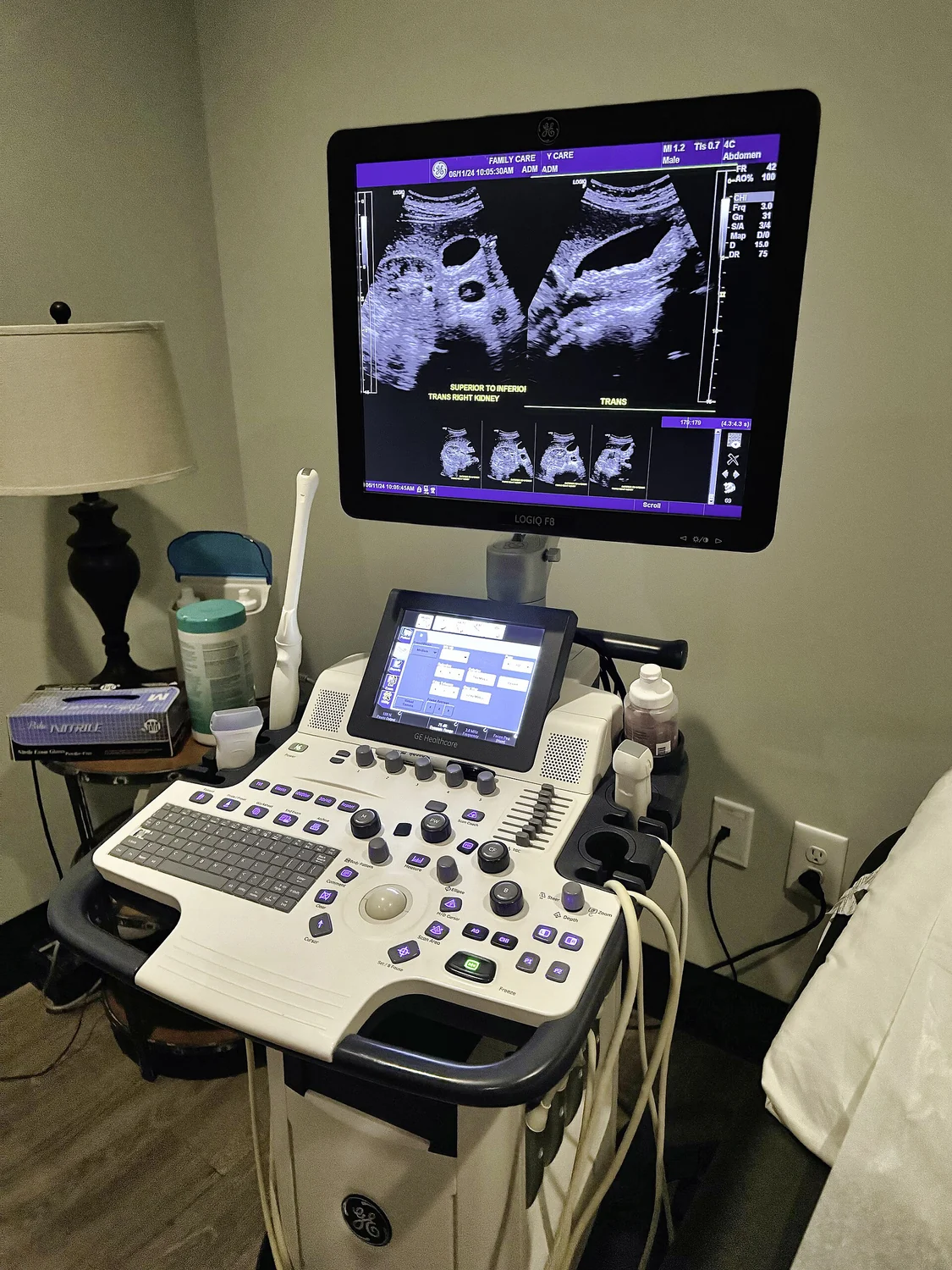
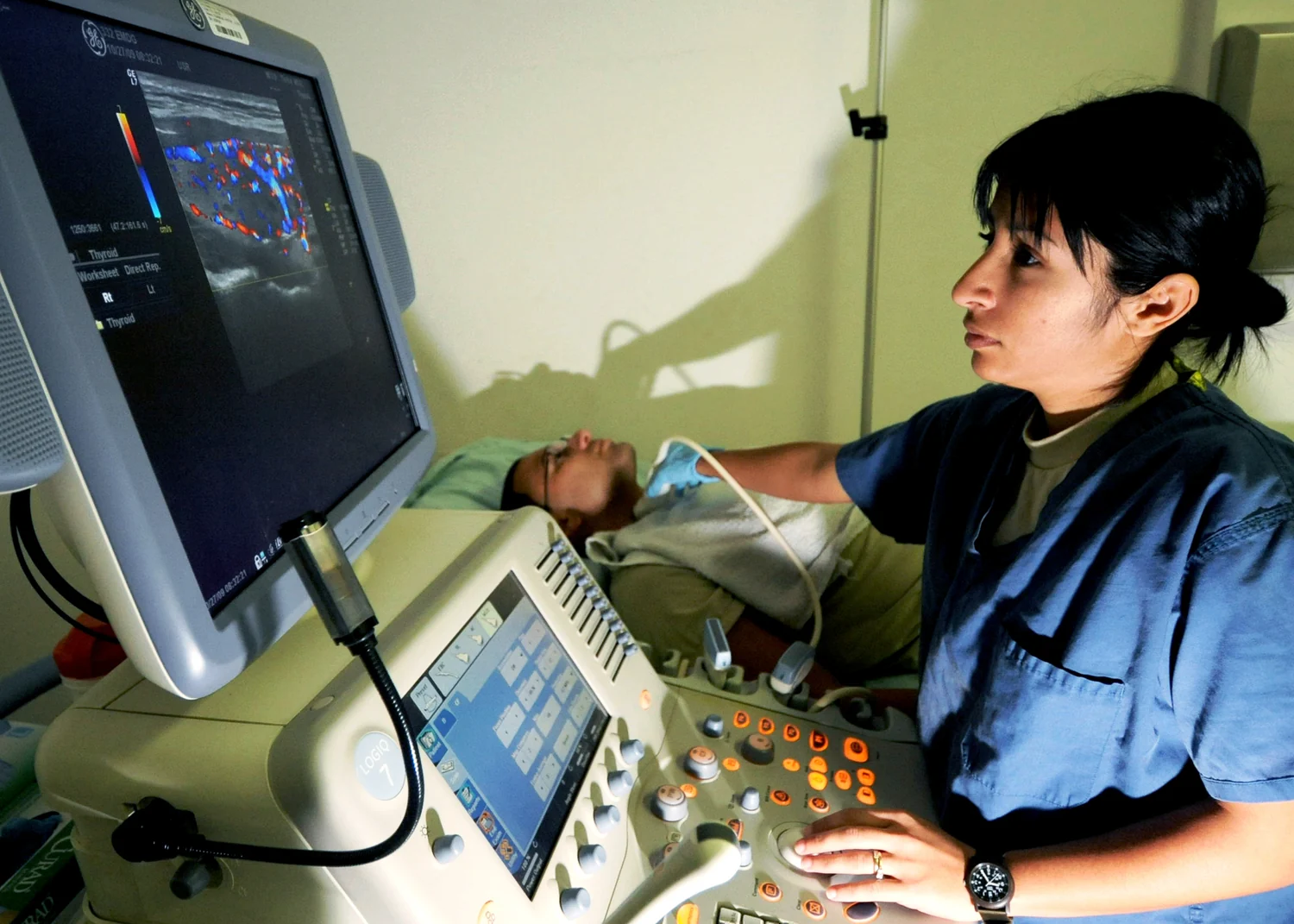
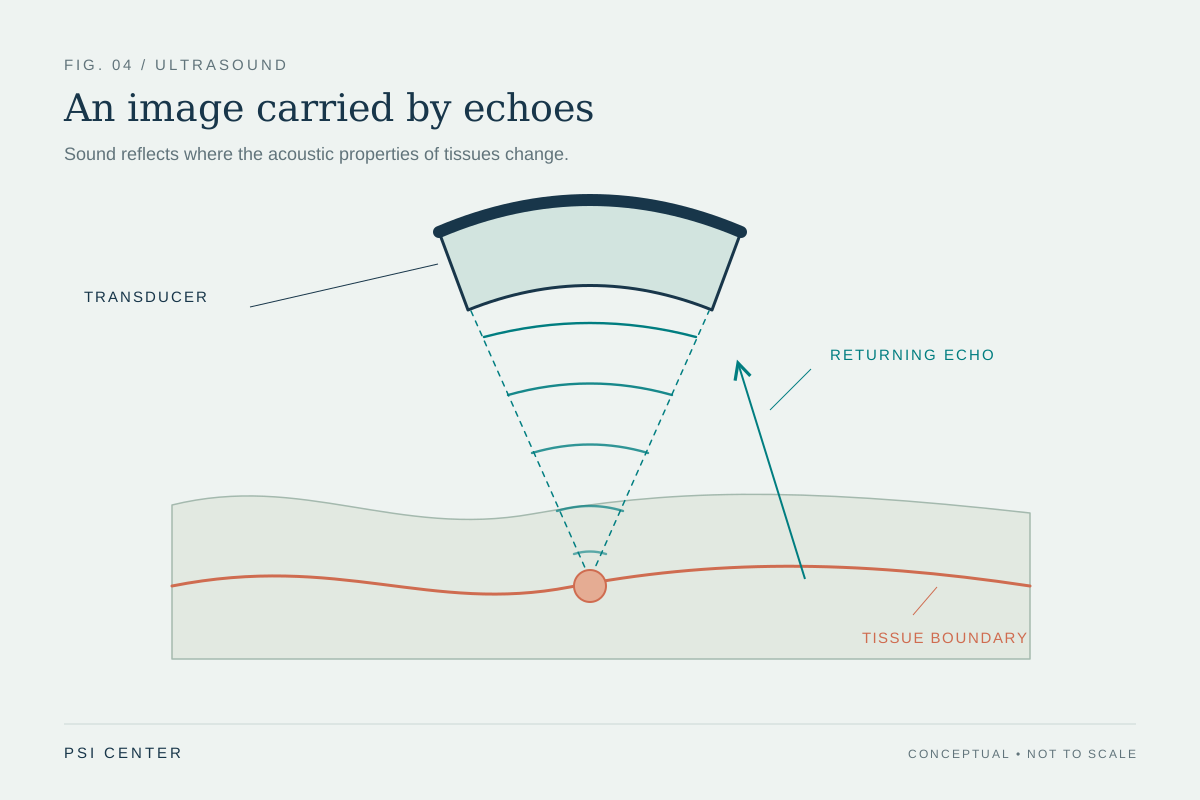
Ultrasound is sound at frequencies above the range people can hear. In an imaging exam, a probe sends pulses into the body and listens for echoes from boundaries between tissues. The time an echo takes to return helps estimate the boundary’s depth; its strength contributes to the image. Real-time imaging can show moving organs and blood flow. Gel improves transmission between probe and skin by reducing the air gap, which otherwise reflects much of the sound [2].
This is a measurement chain: the probe emits sound, tissue boundaries reflect some of it, the probe receives the echoes, and software turns timing and amplitude into a display. A diagnostic image can guide a biopsy or needle placement, but that practical role is different from a claim that sound itself heals tissue. The same word, “ultrasound,” covers different settings and goals.
Treatment claims need a named physical effect
A treatment proposal should say what effect is expected: heating, mechanical movement, or another defined interaction. Ultrasound energy can slightly heat tissue and can produce pressure oscillations; under some conditions, it can also create small gas pockets, a process called cavitation. Those are physical effects, not proof of a useful clinical result. Whether an effect occurs, where it occurs, and whether it matters depend on the device and how it is used [2].
Imagine two devices both labeled ultrasound. One produces a low-energy image of a structure; another is intended to deliver energy to a target. Their shared wave type does not tell you whether either improves a particular condition. Ask for the indication, treatment protocol, target tissue, and outcome being claimed. A description that names only “sound waves” skips the causal steps between exposure and benefit.
A mechanism is the start of an evidence question
Clinical trials test new medical approaches in people, and different trials are designed to answer different questions. Treatment trials assess treatments or new ways of using existing ones; prevention and screening trials address other goals, while supportive-care trials study quality of life or side effects [1]. The category matters: a laboratory observation about tissue response is not the same as a trial showing that patients feel better or function better.
For a treatment claim, look for a patient group matching the intended use, a meaningful comparison, and outcomes that matter to patients. A change in temperature or an image can confirm that energy reached tissue, but it does not by itself show fewer symptoms, faster recovery, or durable benefit. Evidence should connect the proposed physical action to a clinical outcome, rather than stopping at the first measurable step.
Read the claim at the scale it was tested
A careful claim specifies who was studied, what condition was treated, what the device did, and what comparison was used. It distinguishes an early feasibility test from evidence intended to determine whether an approach works. Trials can build knowledge over time, but their purpose and design shape what conclusions they can support [1].
Also consider safety and exposure. The FDA describes ultrasound imaging as non-ionizing, unlike X-ray imaging, but notes that ultrasound introduces energy and can have biological effects. Prudent use by trained providers and minimizing exposure while preserving diagnostic quality are part of imaging practice [2]. A treatment claim deserves the same careful attention to device settings and intended use: the word “ultrasound” alone is not an efficacy result.
Explore the physics: an explanatory diagram
Sources & further reading
- Clinical Trials: What Are the Phases? National Cancer Institute
- Ultrasound Imaging FDA
Prepared for the independent PSI Center reading library. About edition dates and source checking.
This explainer describes scientific principles. It does not assess individual treatment choices.