How can sound help remove dried material from the narrow hinge of a surgical instrument? In an ultrasonic cleaner, sound waves travel through a liquid and create rapidly changing pressure. Tiny bubbles respond to those changes: they expand, contract, and sometimes collapse close to a surface. That motion can disturb particles clinging to the instrument. The effect is called cavitation, and its usefulness comes from bubble dynamics rather than from sound acting as a disinfectant.
Pressure makes bubbles move
Sound is a mechanical wave: it travels through matter by compressing and relaxing it. In an ultrasonic cleaner, the sound frequency is above human hearing, but the important feature is the changing pressure in the cleaning liquid. During lower-pressure parts of a wave cycle, small gas pockets can expand; when pressure rises, they contract.
A bubble’s motion is not simply a miniature version of the sound wave. Its size, the liquid’s properties, and the pressure pattern all affect how it responds. With repeated cycles, bubbles can oscillate strongly. Some collapse rapidly, sending fluid motion into the nearby liquid. That local agitation helps loosen particles at a surface or in a crevice.
Why the surface matters
Imagine a grain of dried soil held against the inside wall of a narrow channel. A broad stream of liquid may pass over the channel opening without scrubbing the whole interior. Bubble motion can create disturbance close to the wall, helping disrupt the bonds that hold particulate matter to a surface. The CDC describes ultrasonic cleaning as removing soil through cavitation and implosion produced by acoustic energy in aqueous solutions [2].
This is a cleaning mechanism, not a guarantee that every spot receives the same treatment. Instruments must be arranged so cleaning fluid can reach them. In washer-disinfectors, the CDC likewise emphasizes adequate contact with water flow, avoiding stacked instruments, and opening hinged ones [2]. The design and placement of an object therefore matter alongside the energy supplied by the cleaner.
Ultrasound in bodies and machines
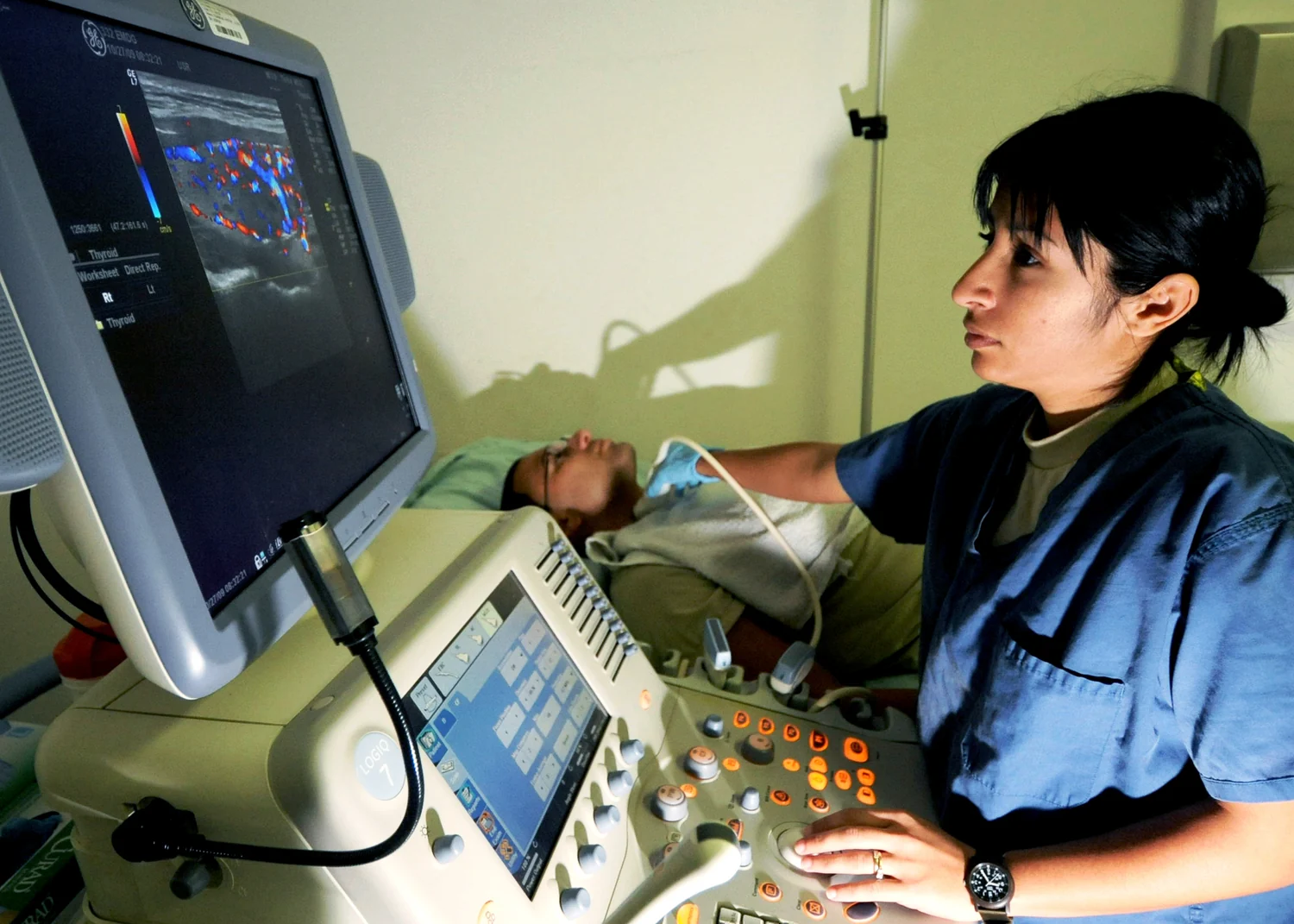
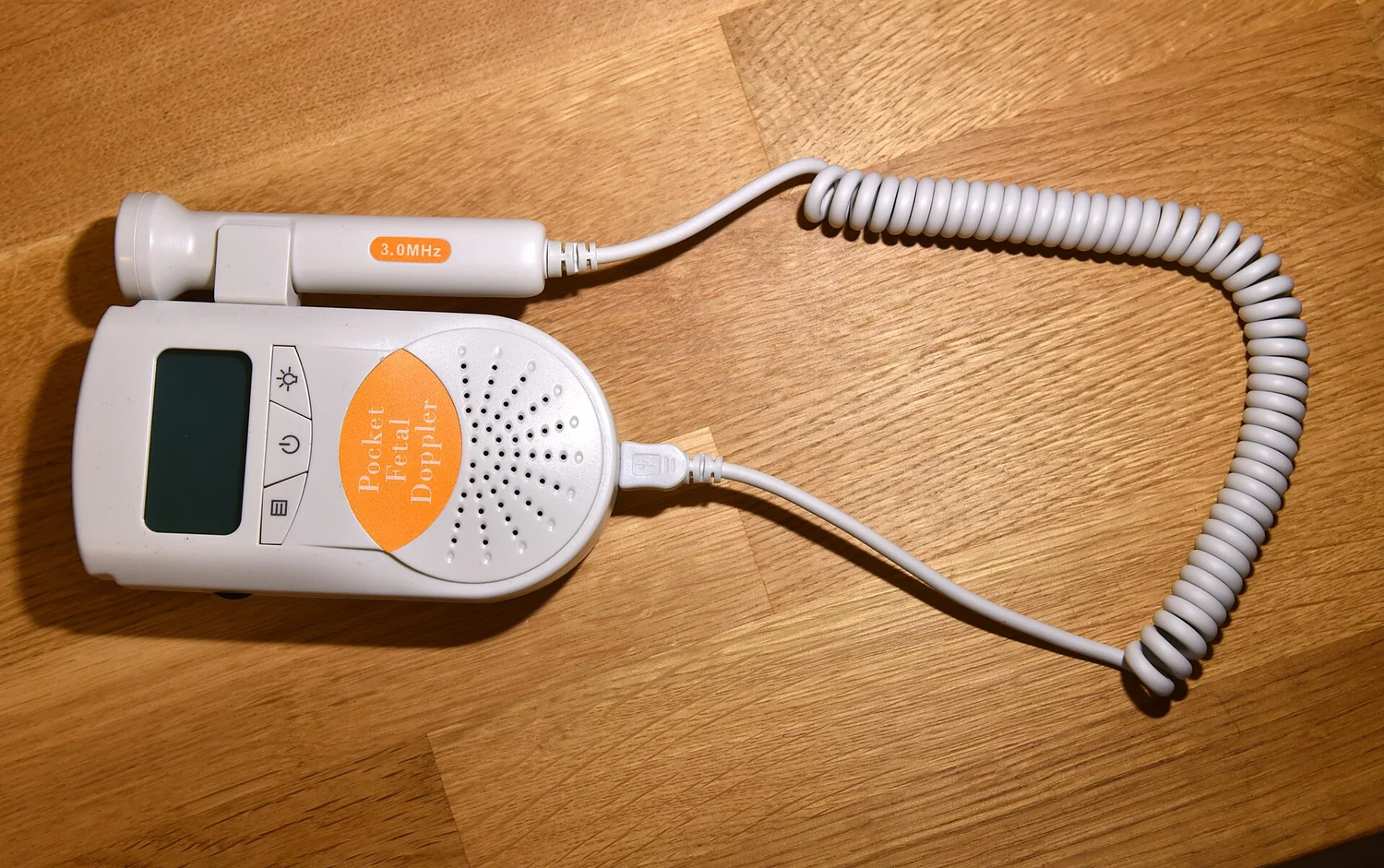
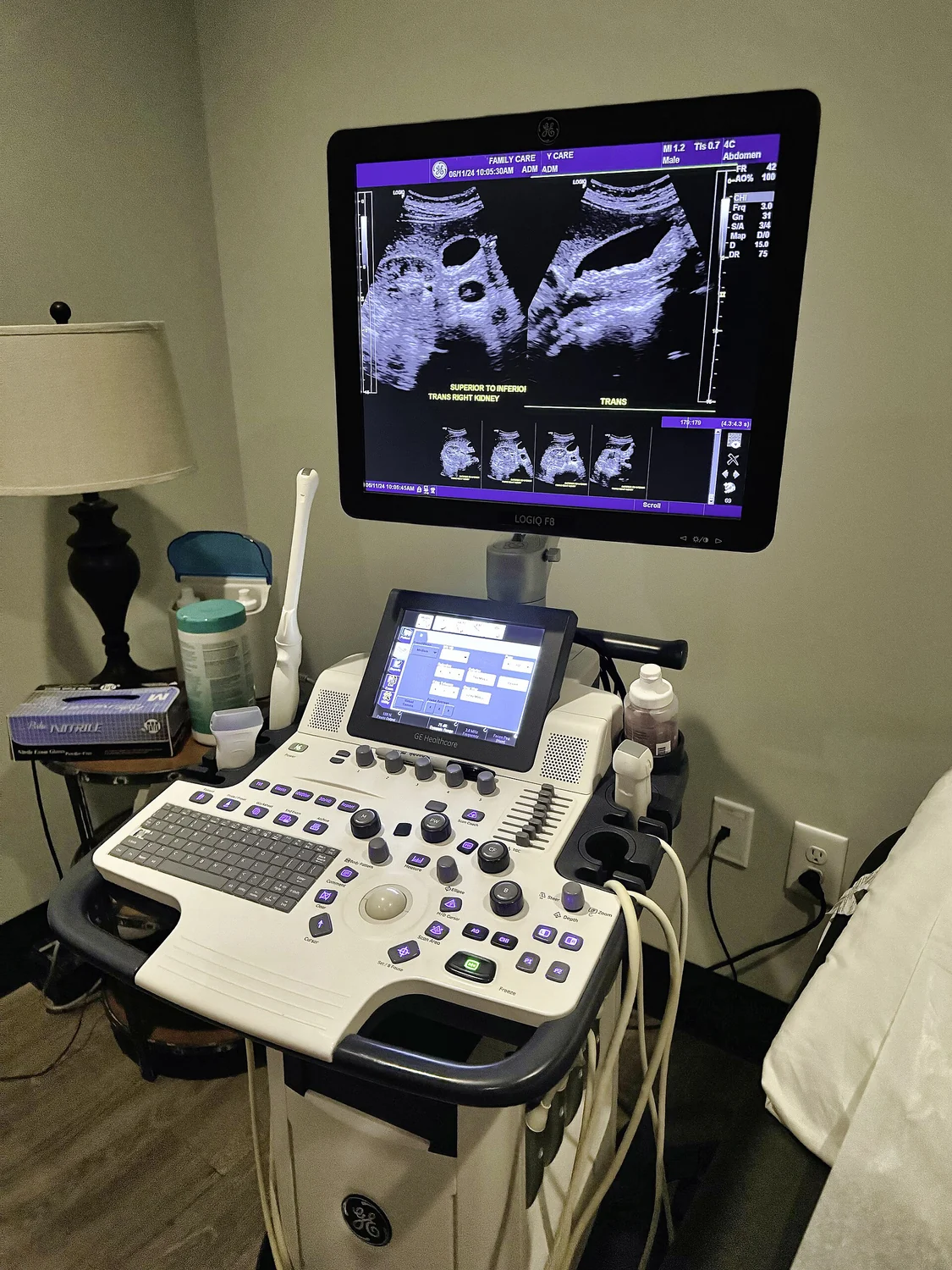
Medical ultrasound also sends sound through a medium, but its goals and operating conditions differ. Diagnostic systems use echoes from boundaries between tissues to build images; therapeutic systems can use higher acoustic output to heat, move, or disrupt tissue [1]. An ultrasonic cleaning bath instead uses acoustic energy in liquid to remove soil from objects. Sharing the word “ultrasonic” does not mean the devices have the same purpose.
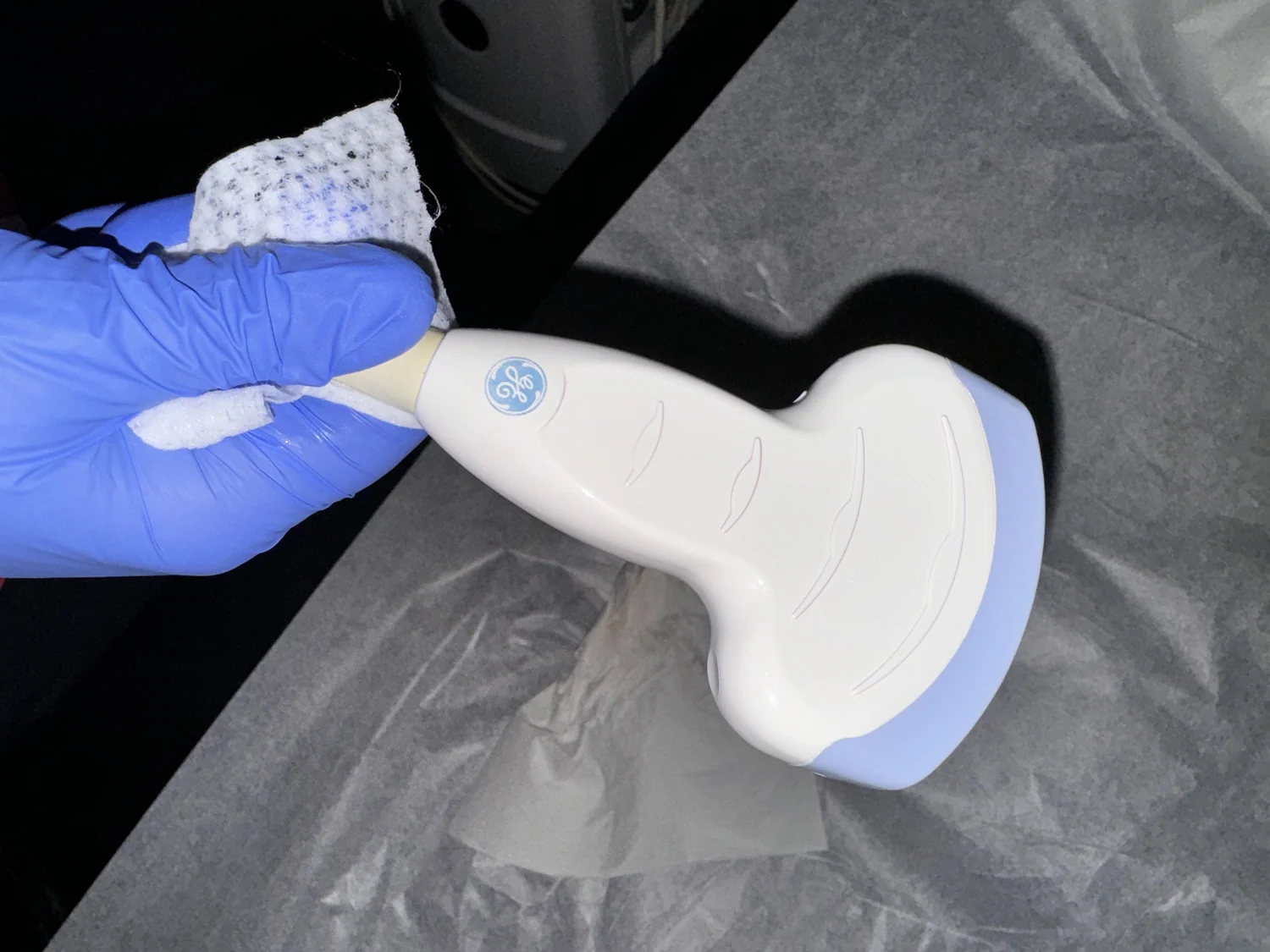
In both settings, sound needs a material path. Air pockets at the skin can obstruct medical ultrasound, which is why gel is used to couple the probe to the body [1]. A cleaning bath similarly depends on liquid reaching the surface and internal spaces to be cleaned. The common physics is wave propagation; the application is determined by how the sound is delivered and what receives it.
Cleaning is one step in reprocessing
Cavitation should not be confused with sterilization. The CDC notes that used ultrasonic cleaning solutions can contain bacterial contamination and that ultrasound alone does not significantly inactivate bacteria [2]. Sonication may work together with a disinfectant to improve its germ-killing effect, but the sound itself is not a substitute for the required later steps.
The distinction matters because visible soil and microorganisms pose different challenges. Cleaning removes foreign material, which can otherwise interfere with high-level disinfection or sterilization [2]. The bubble-driven motion helps with the physical removal stage; it does not certify that an instrument is safe for reuse. In other words, cavitation explains how the bath can reach and loosen debris, while validated reprocessing procedures address what happens afterward.
Sources & further reading
- Ultrasound NIBIB
- Cleaning CDC
Prepared for the independent PSI Center reading library. About edition dates and source checking.
This explainer describes scientific principles. It does not assess individual treatment choices.