Cold Plasma: Chemistry, Dose, and Wound Healing
A close examination of how a cool electrical discharge could influence wound repair, what randomized trials actually measured, and why seconds of exposure do not define a transferable biological dose.
A closer look at the science
behind better healthcare.
Ionized gases, reactive chemistry, sterilization, and the careful path from laboratory discoveries to treatment.
41 articles
Clear filtersA close examination of how a cool electrical discharge could influence wound repair, what randomized trials actually measured, and why seconds of exposure do not define a transferable biological dose.
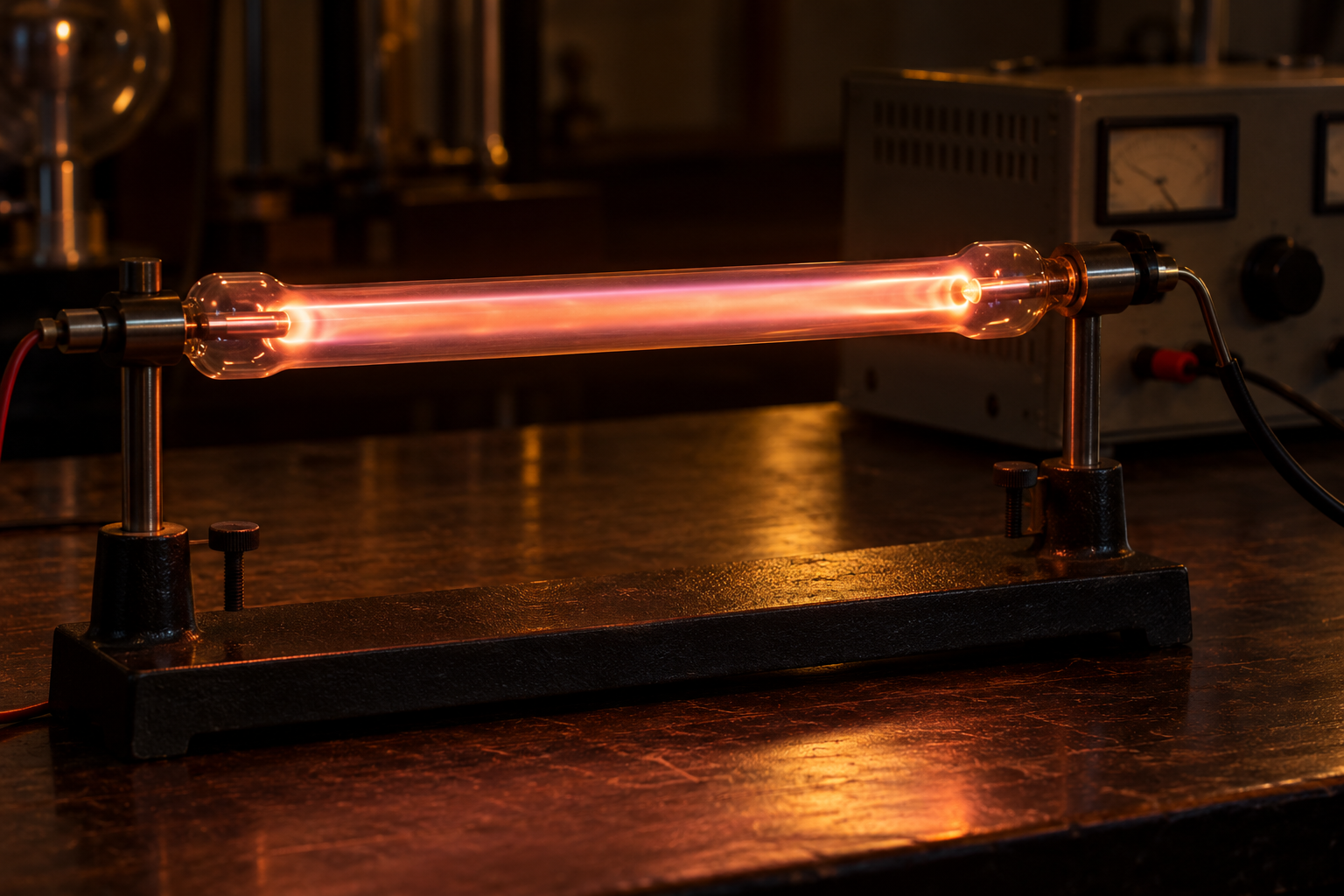
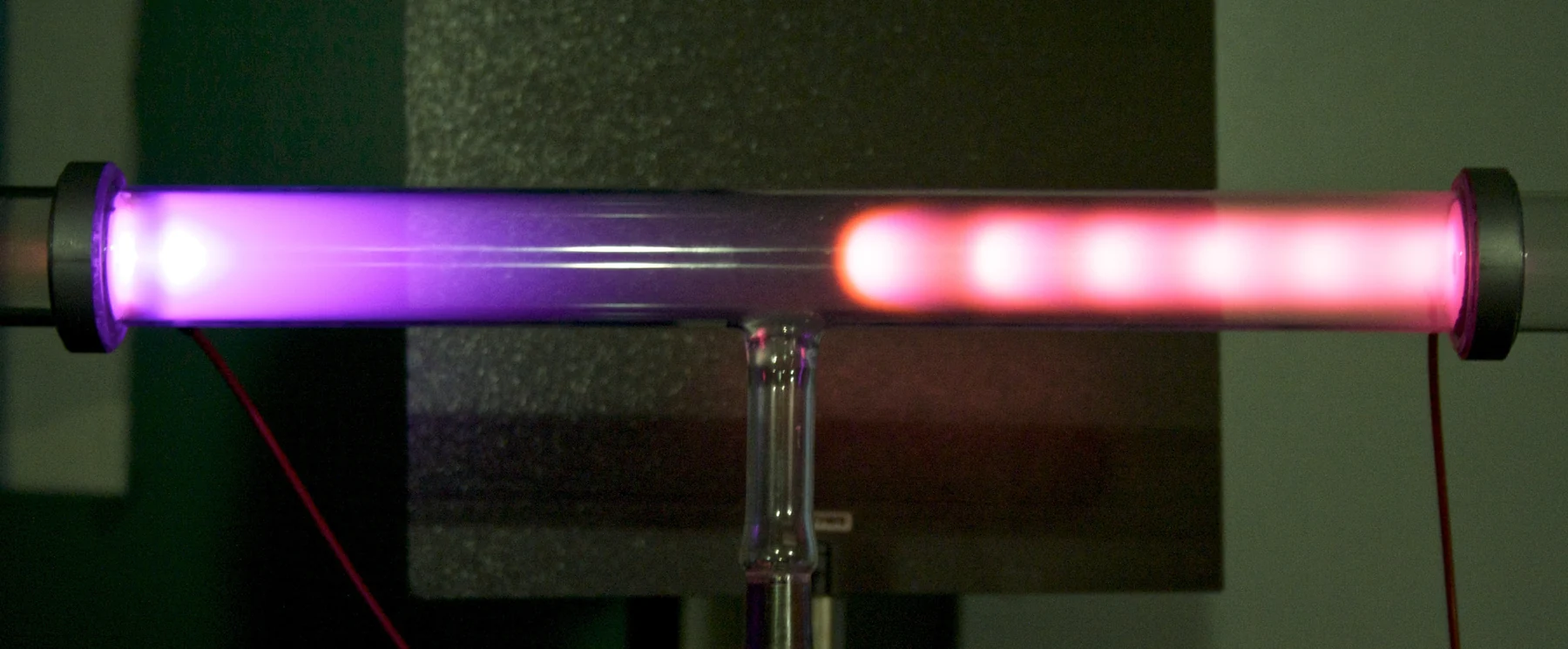
A plasma begins when some gas electrons become free, making the mixture responsive to electric and magnetic fields. That shared property links lightning, stars, and carefully controlled sterilization equipment.
“Plasma” can describe different technologies with different effects and evidence. Headline readers can distinguish the device, clinical purpose, study phase, and outcome before deciding what a finding means.
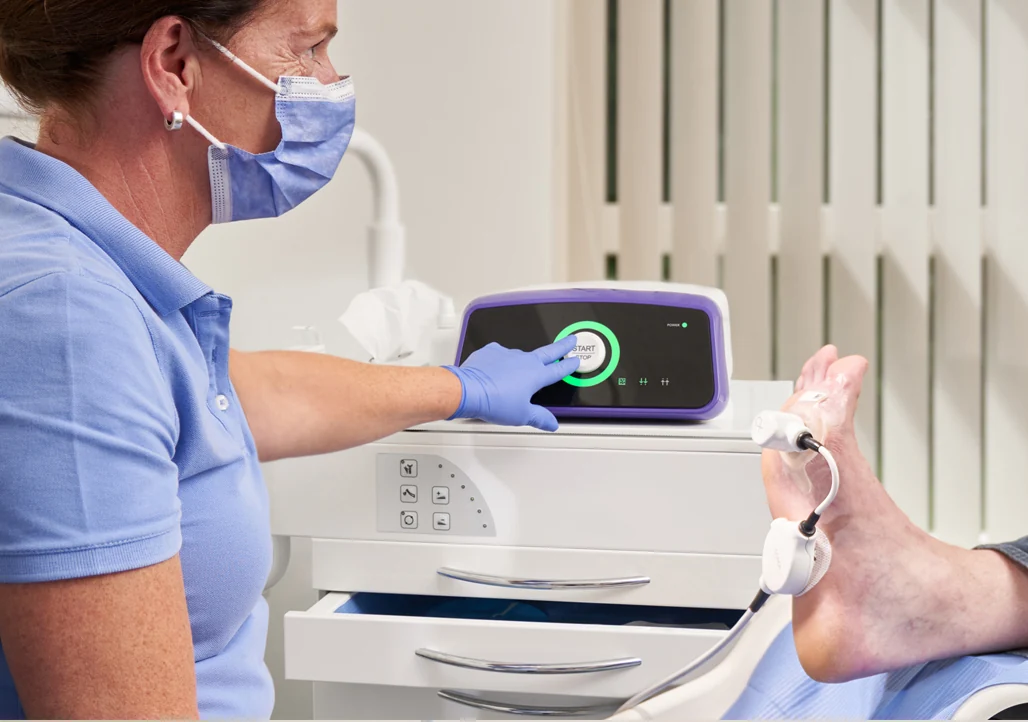
The randomized study compared cold atmospheric plasma plus standard care with a placebo procedure plus standard care. Its wound-area findings need to be read alongside the guideline’s low-certainty assessment.
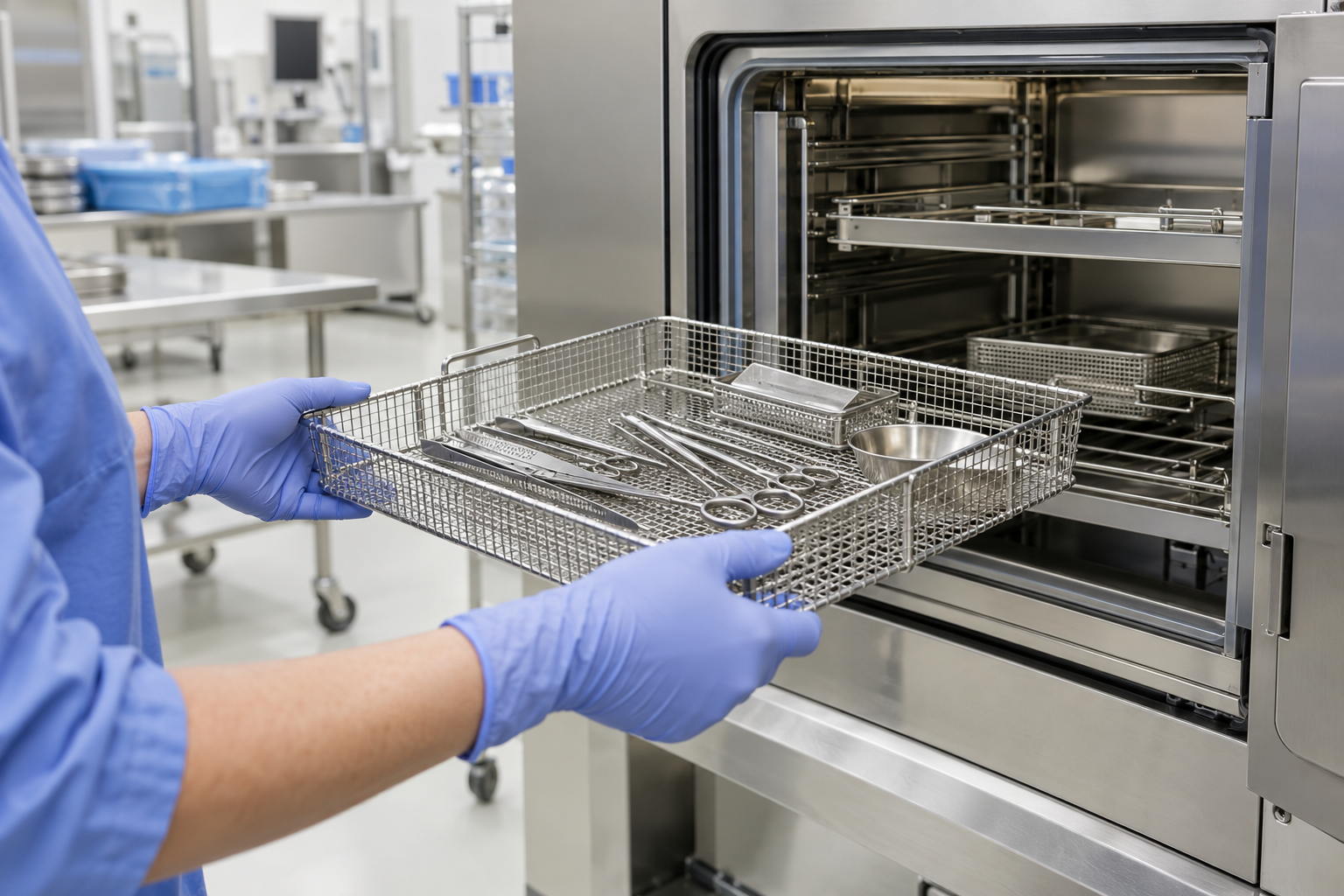
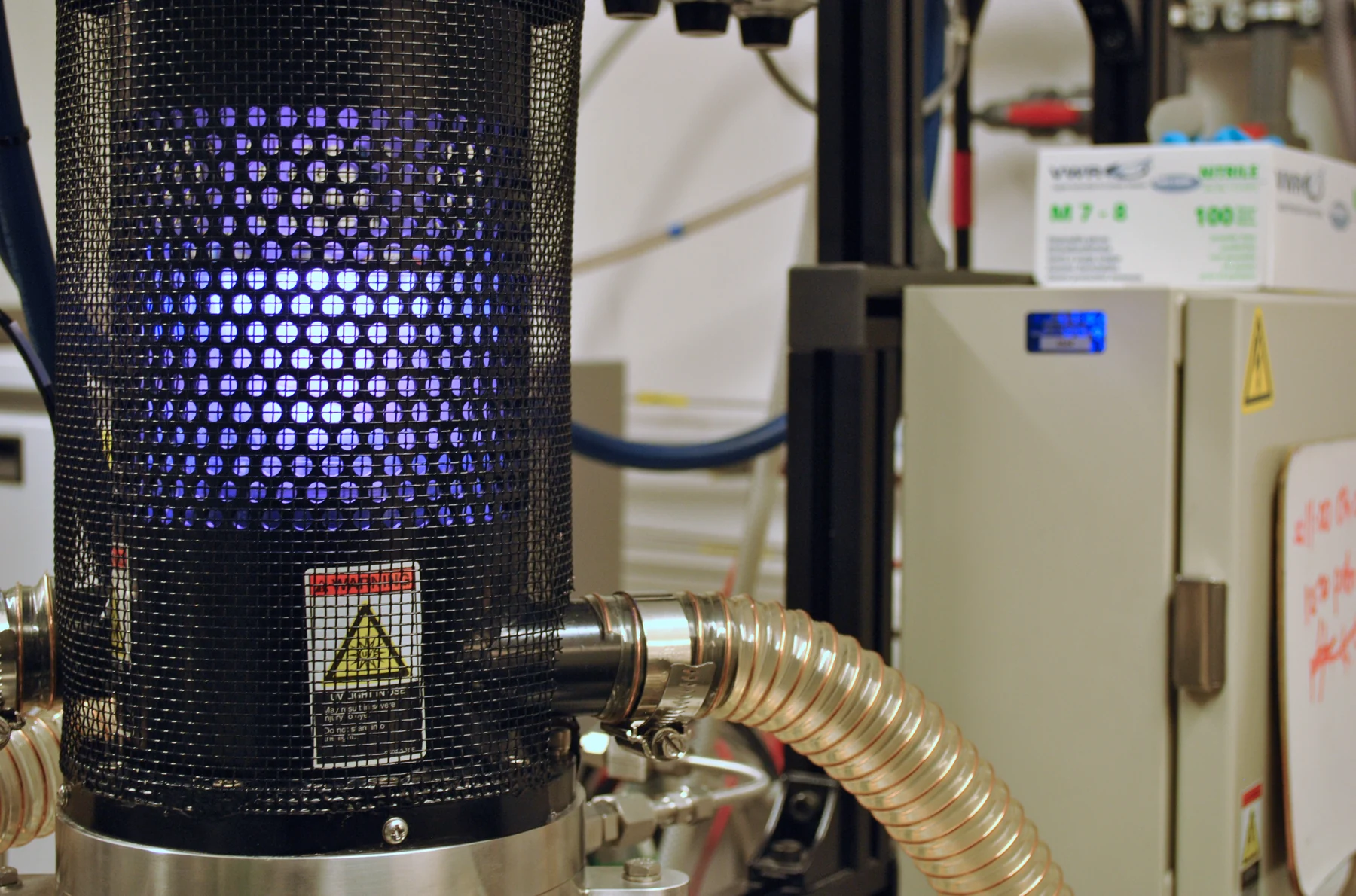
A low-temperature process uses hydrogen peroxide vapor and an energized gas to damage microbes on compatible medical devices. Its usefulness depends on careful cleaning, dryness, and the geometry of the items being processed.
A removed tumor’s edges offer a practical way to study whether cold plasma can affect cancer cells left near an operation site. The early trial measured safety alongside surgery, leaving effectiveness unresolved.
Cold plasma can create chemically active particles at a surface, but the same reactivity that may affect microbes or tissue can also cause damage. Wound and cancer studies remain distinct from proof of routine clinical benefit.
Cold plasma research and gas-plasma sterilization share a name but serve different purposes. Their safety depends on chemistry, exposure, tissue context and evidence—not simply whether a process feels cool.
Cold atmospheric plasma has been investigated as a local treatment approach, with a small phase I study focused on safety alongside surgery. Selectivity remains a research question, not established cancer effectiveness.
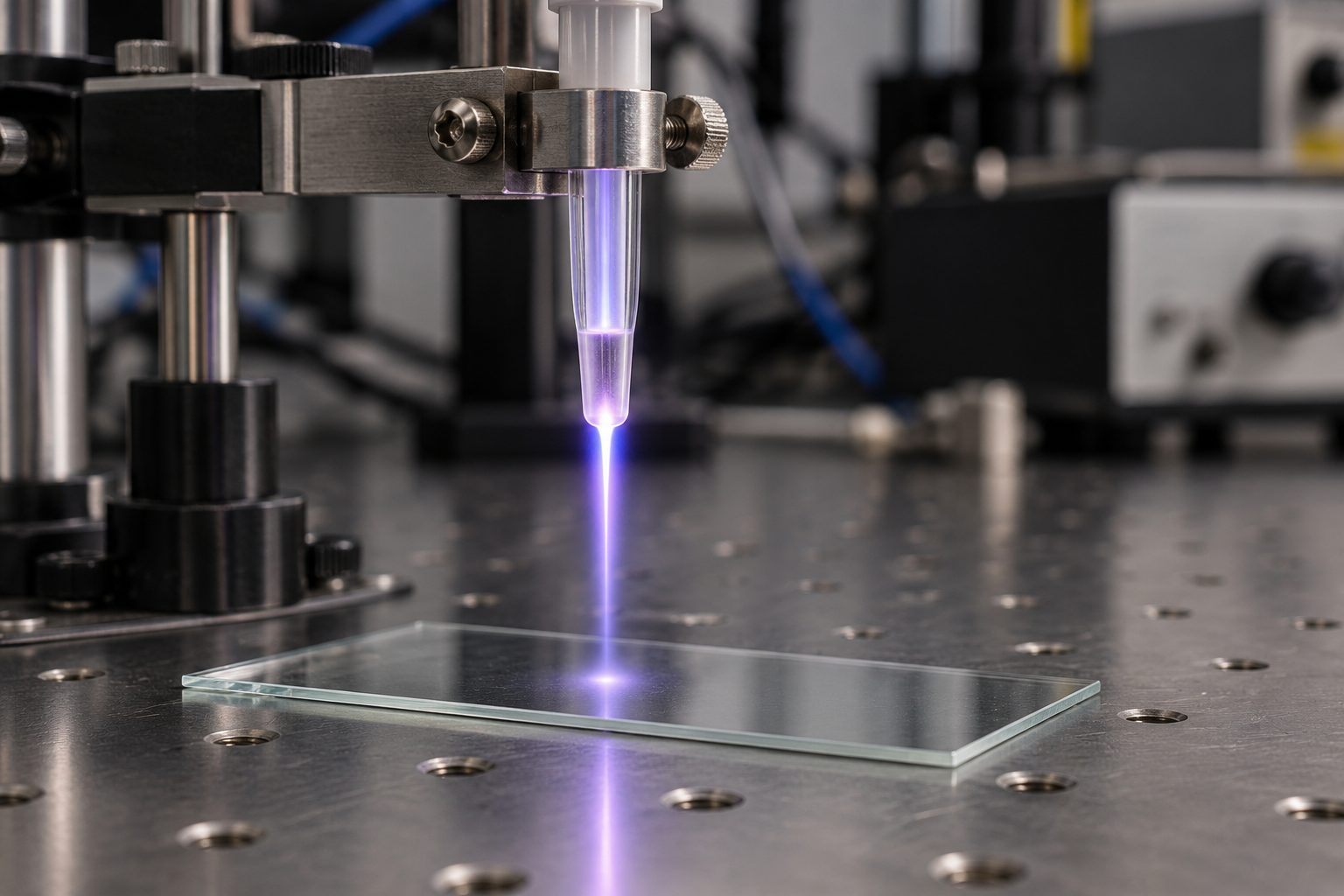
Cold atmospheric plasma can generate reactive oxygen and nitrogen species, molecules that participate in chemical interactions with cells and tissues. Their effects depend on context, and laboratory mechanisms do not establish clinical benefit.
The same word names a charged state of matter and the liquid part of blood. Cold atmospheric plasma is under study for medical uses, but early research does not establish routine benefit or effectiveness.
Cold atmospheric plasma can generate reactive chemical species studied for tumor biology. A small phase I surgical study examined safety and feasibility, leaving effectiveness questions for larger, controlled research.
A device enters human research through a sequence of design, safety, oversight, and evidence questions. Permission to study a device is not the same as evidence that it works or authorization for routine commercial use.
A small first-in-human study can establish whether a treatment approach merits further evaluation. Its design and size limit what it can show about benefit, even when early observations appear promising.
A wound’s measured area turns a changing, three-dimensional injury into a number that can be compared over time. Photography, tracing, and careful definitions help researchers interpret that number while recognizing its limits.
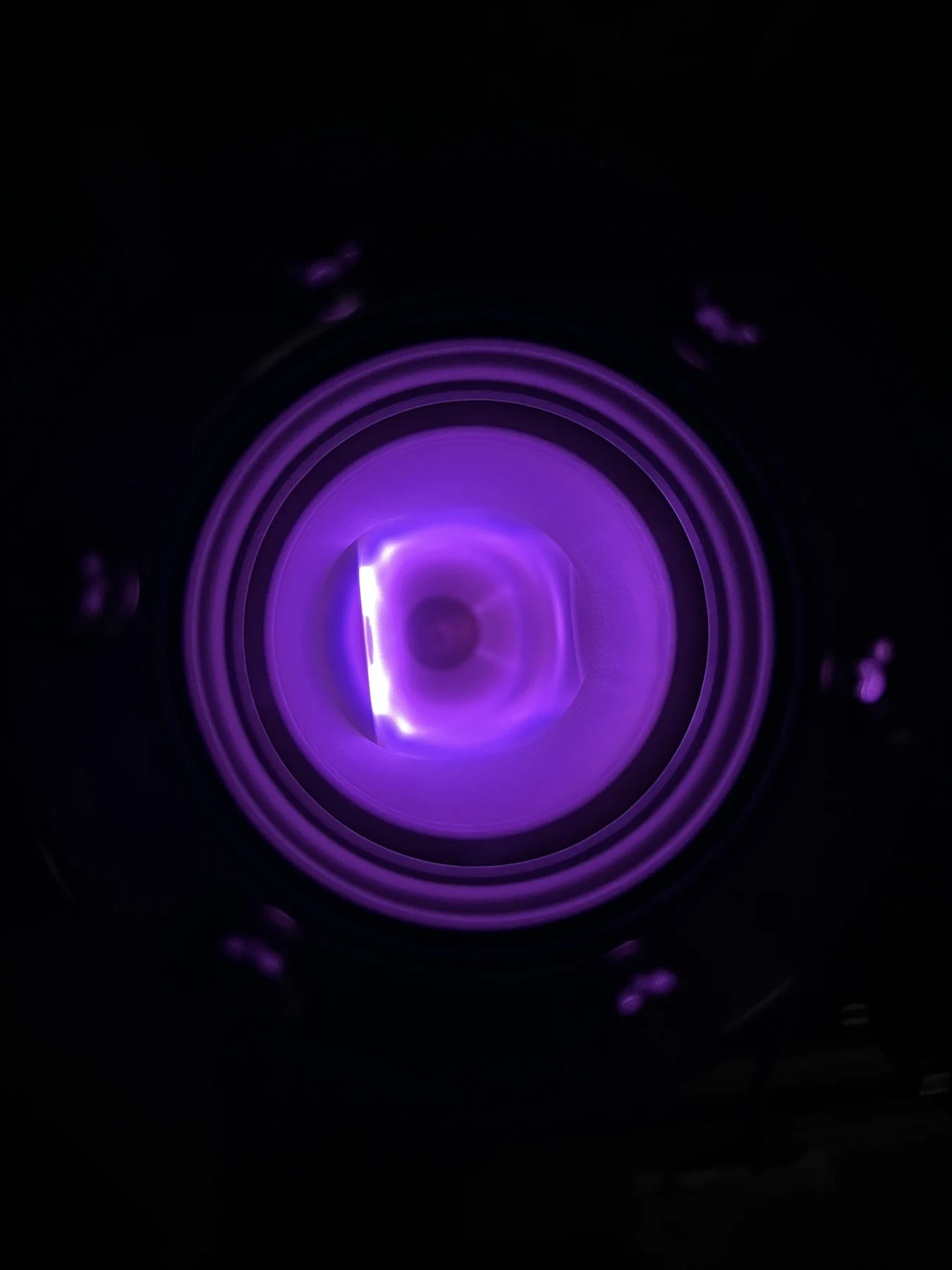
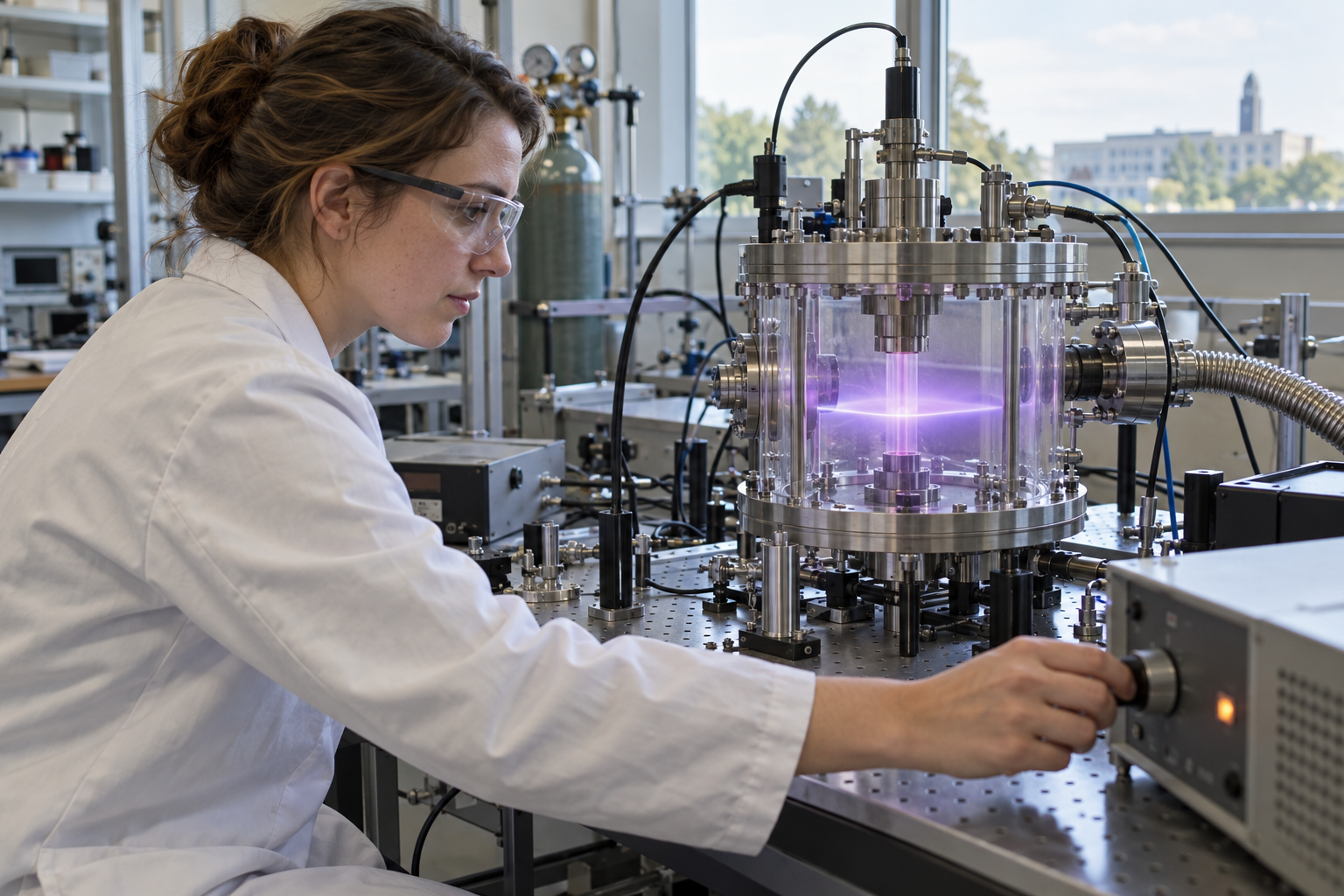
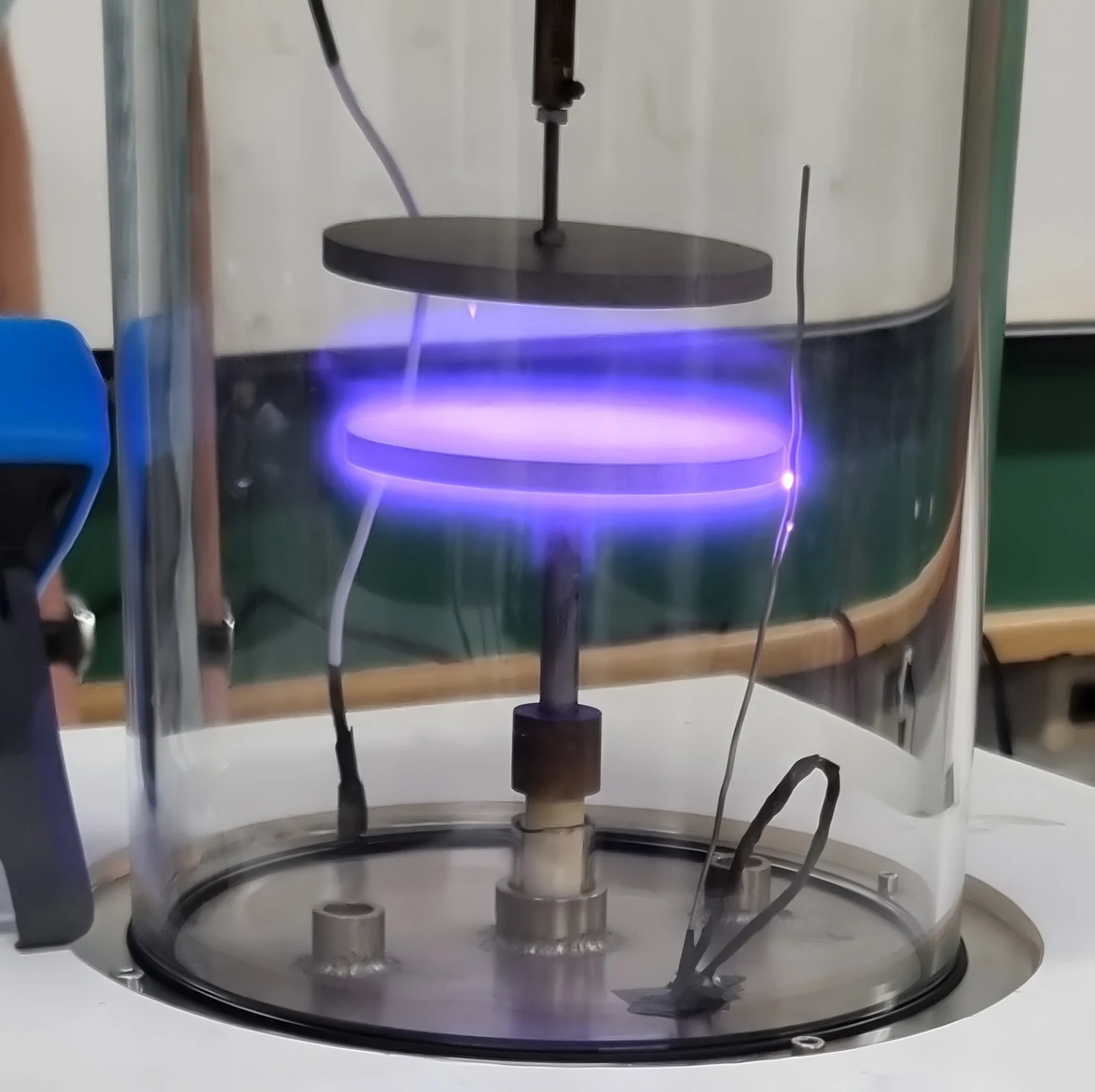
Plasma processes can operate in open air near tissue or inside an evacuated sterilization chamber. Pressure, gas chemistry, energy delivery, and intended target distinguish these technologies and their evidence.
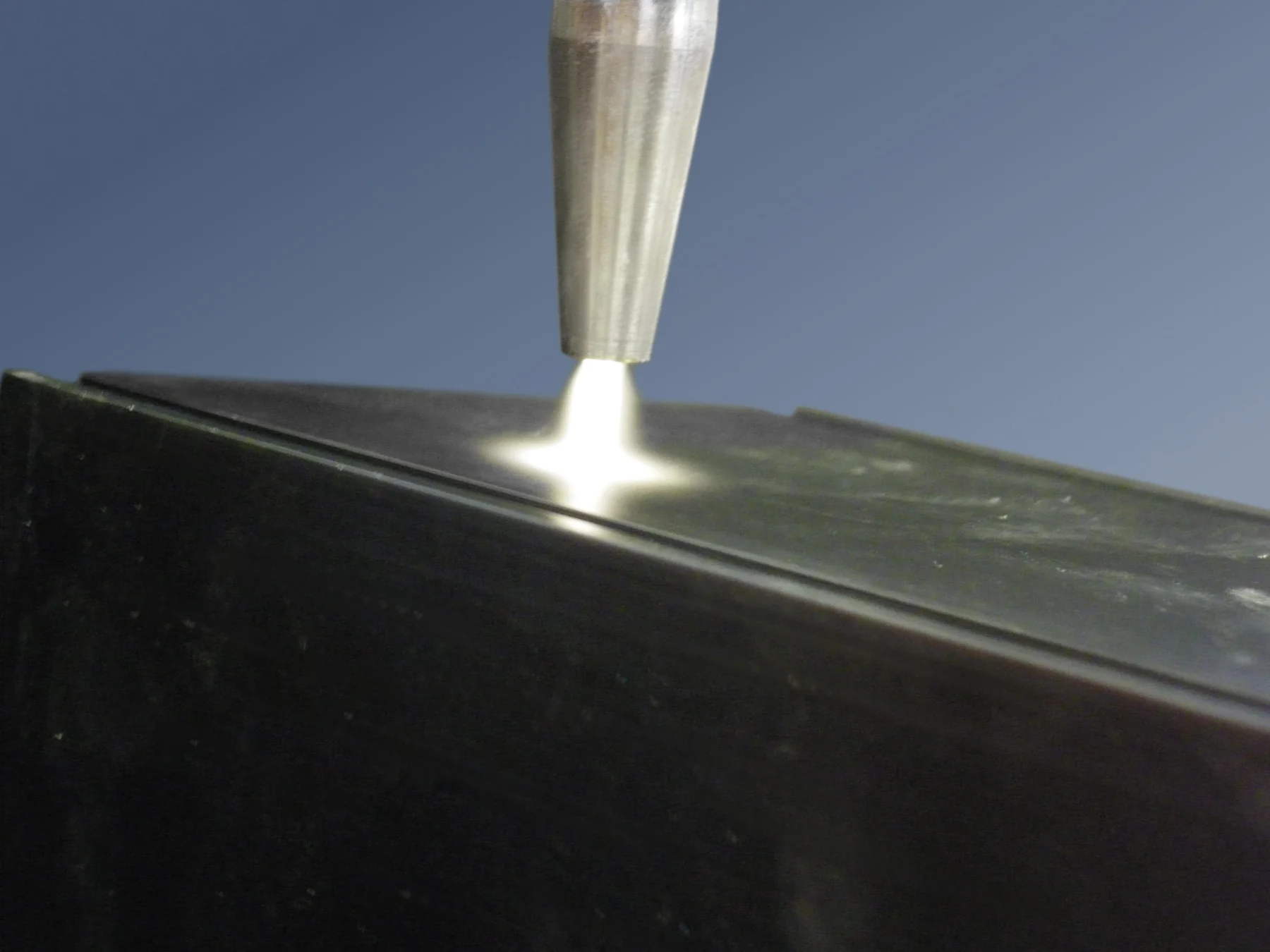
A plasma’s visible glow is only one part of what a device does. Gas composition, energy input, surroundings, and intended use determine whether the system sterilizes equipment or is being investigated for biological applications.
A plasma device’s gas is an active ingredient in the physics: it shapes which reactive particles form, how they move, and what they encounter. That makes treatment effects specific to the gas and setting.