What makes a glowing gas useful in medicine: the light, or the conditions that produce it? A plasma device is better understood as a system than as a bright object. Its gas, chamber or surroundings, energy source, and operating sequence shape the particles and reactive species it creates. Those details matter because different plasma systems serve very different purposes.
A gas changes when energy excites it
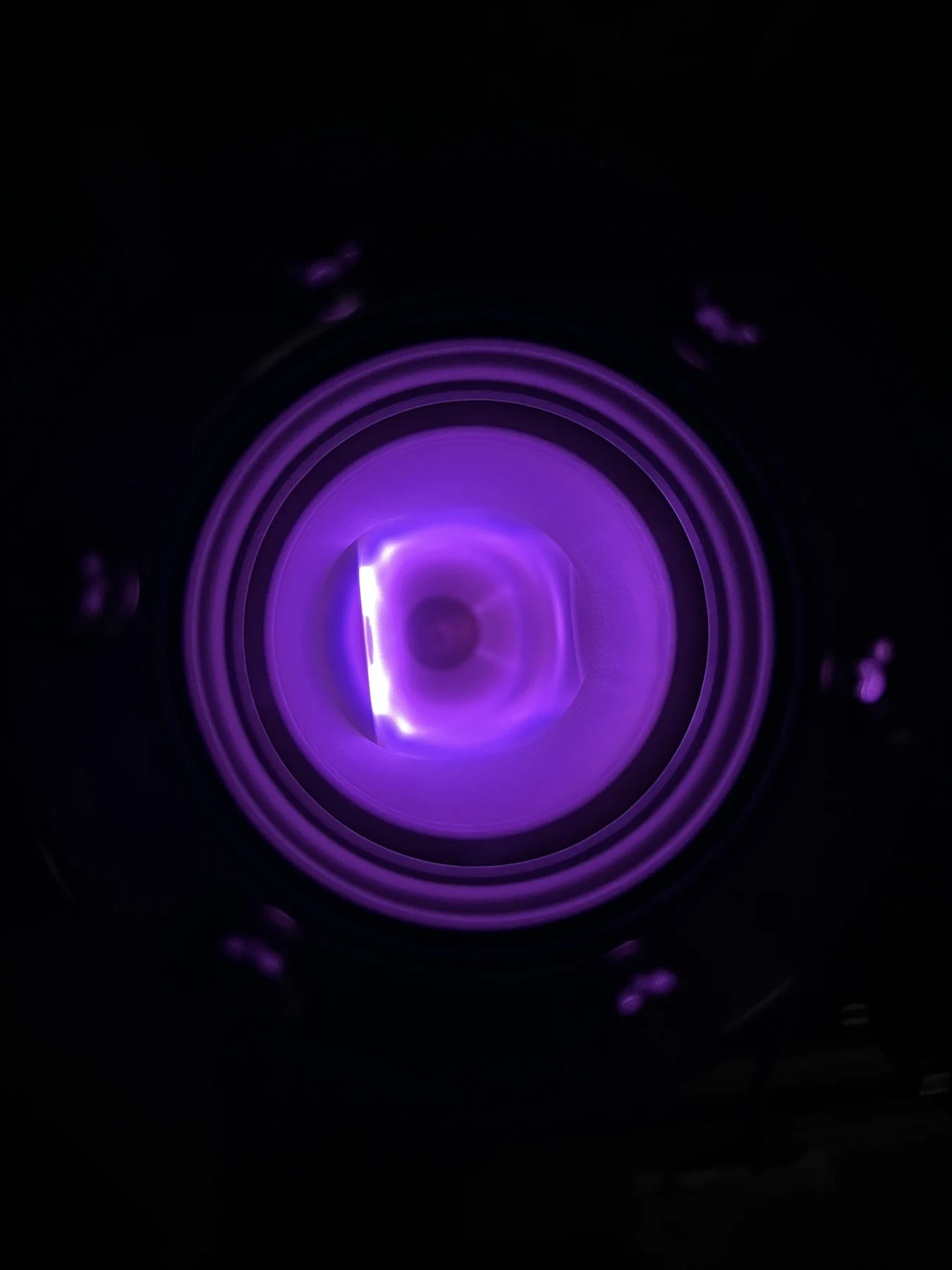
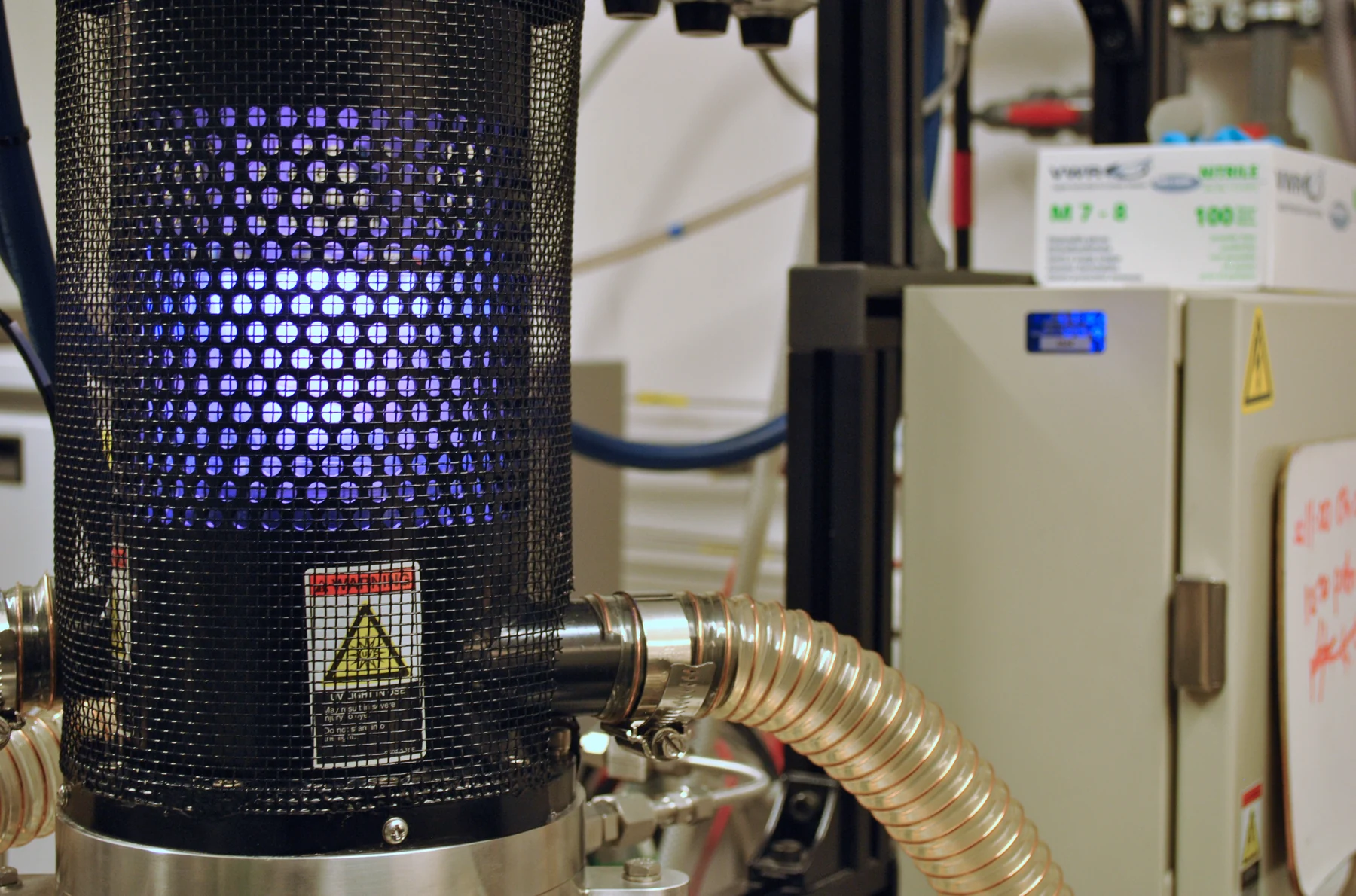
In an ordinary gas, atoms and molecules are mostly electrically neutral. Add enough energy and some particles become charged, producing a mixture that includes ions and electrons. This energized state is called plasma, often described as a fourth state of matter. A glow may accompany the process, but it does not tell you by itself which reactive species are present or how the device is being used.
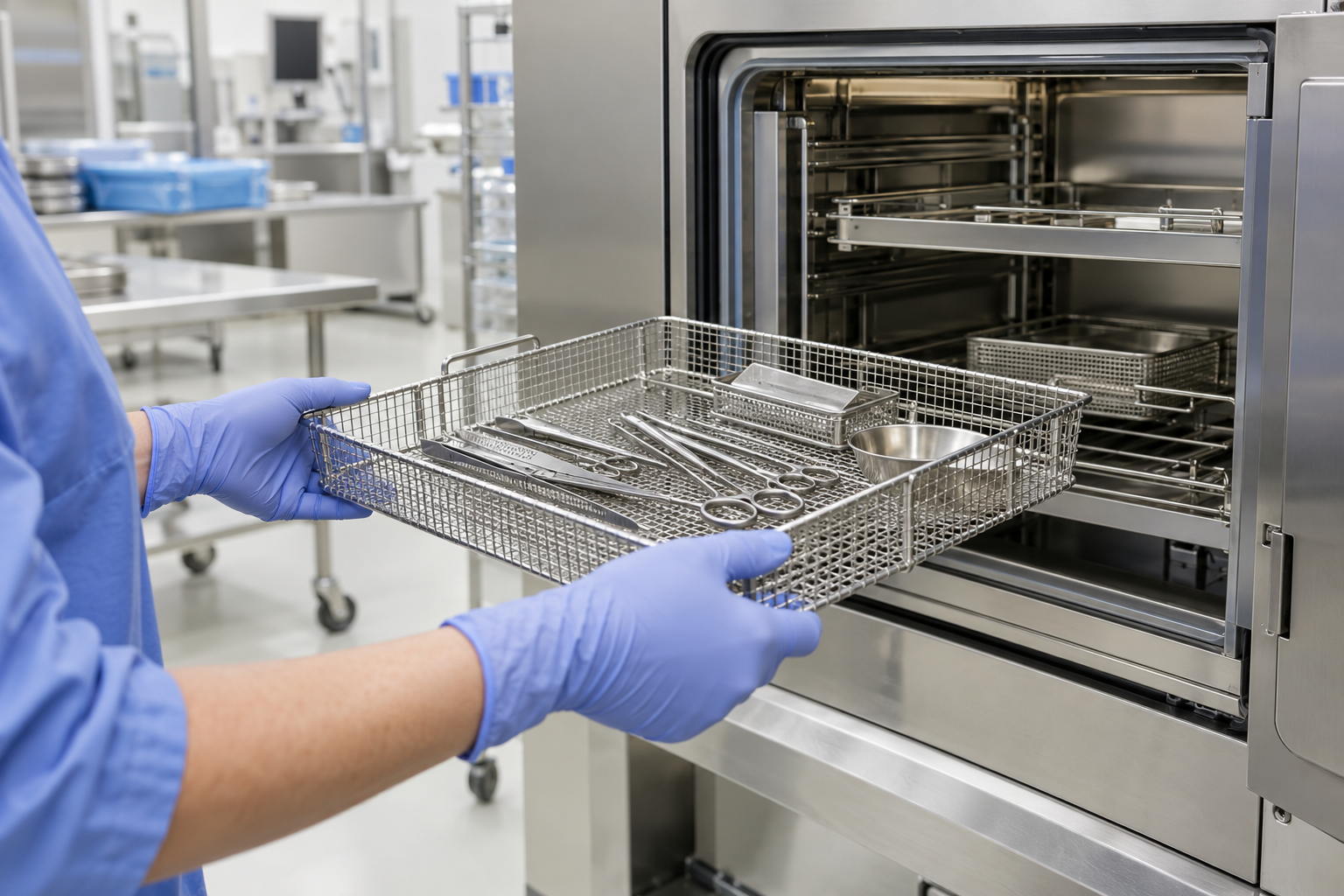
In hydrogen peroxide gas plasma sterilization, the equipment operates in an enclosed chamber under deep vacuum. Radio-frequency or microwave energy excites gas molecules and generates charged particles and reactive species, including free radicals—highly reactive atoms or molecules with an unpaired electron [1]. In this setting, the system’s purpose is to inactivate microorganisms on medical devices, not to treat living tissue.
Sterilization depends on a whole cycle
The CDC describes a sterilization sequence in which hydrogen peroxide is vaporized and diffuses through the chamber to expose surfaces. A radio-frequency field then creates plasma and reactive free radicals that contribute to microbial inactivation. The cycle later removes excess gas and returns the chamber to atmospheric pressure using filtered air; the described process operates at relatively low temperatures compared with heat sterilization [1].
The sequence matters. The gas must reach the objects, and the conditions must be suitable for the target surfaces. Moisture can prevent the vacuum from being achieved and cause a cycle to abort. Lumen length and diameter, as well as organic material and salts, can affect sterilization effectiveness [1]. The visible plasma is therefore only one stage in a controlled process, not a universal sterilizing glow that can be judged by appearance alone.
Living tissue is a different setting
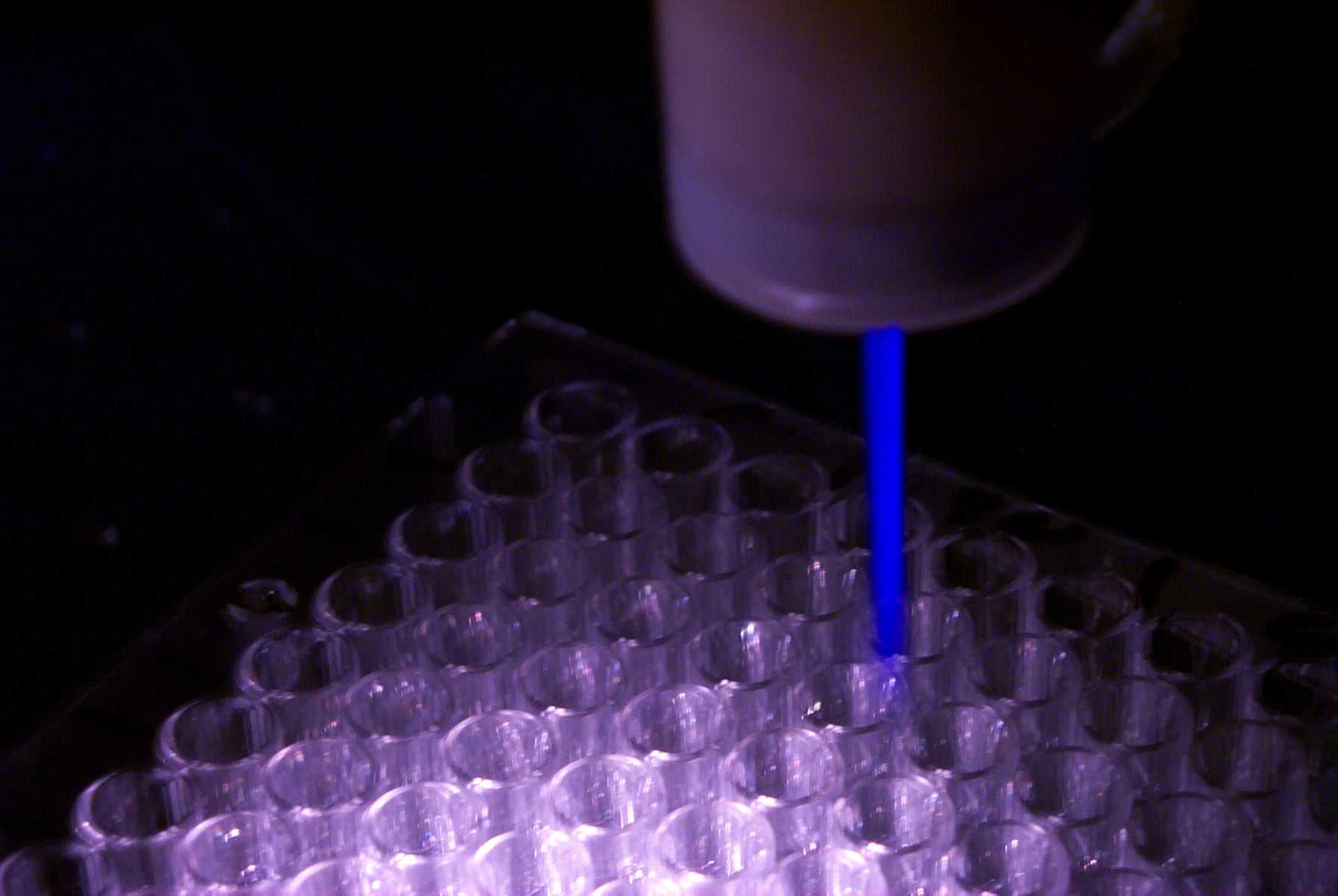
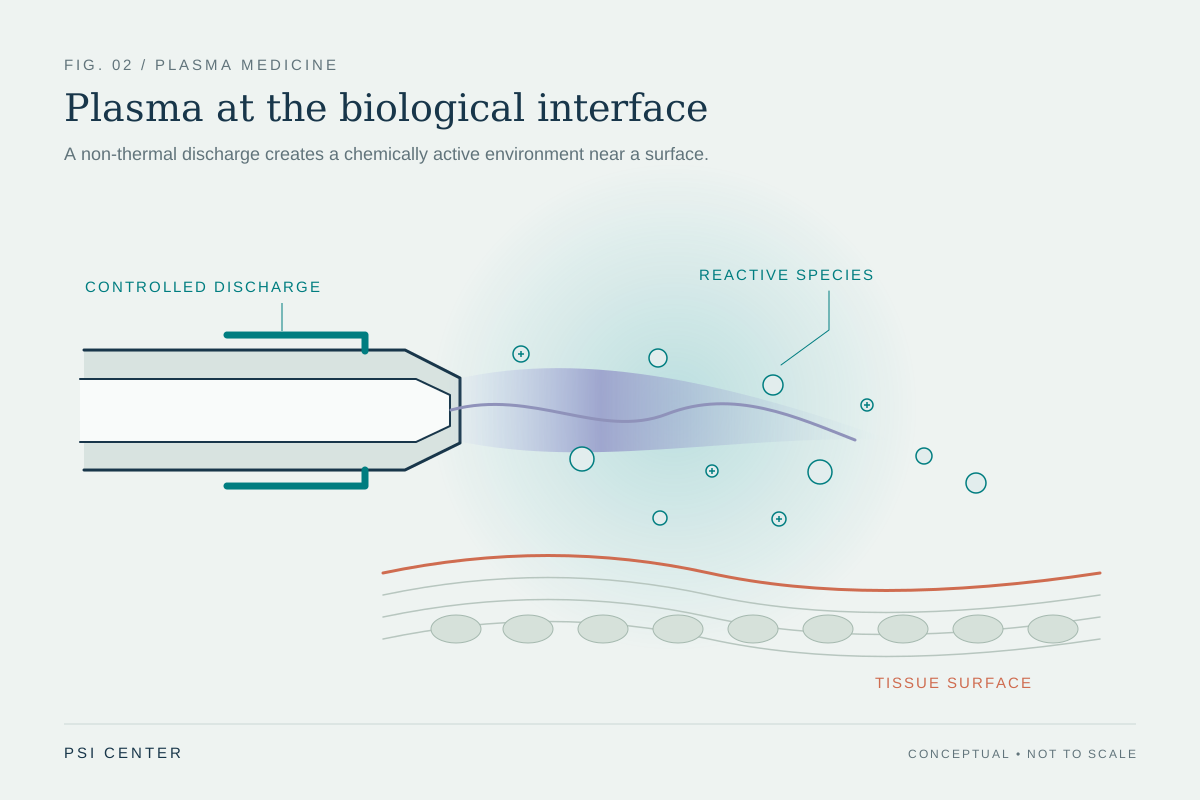
Cold atmospheric plasma, or CAP, is studied in a very different context: generating plasma near living tissue under atmospheric conditions. A randomized study described CAP treatment alongside standard care for diabetic foot ulcers. It enrolled 44 people and reported wound-size and short-term bacterial-load findings over three weeks [2]. Those results are a research finding from one small trial, not proof that the approach should be routine treatment.
The broader clinical picture also requires caution. The 2023 International Working Group on the Diabetic Foot guideline recommends against other gases, including CAP, for healing diabetes-related foot ulcers, citing low-certainty evidence with bias concerns. A cell or microbial effect does not establish a reliable clinical benefit, and trial participation does not itself mean a therapy is standard care. A device aimed at living tissue raises different questions about dose, safety, healing, and patient outcomes than a sterilizer used on equipment. [3]
Names do not make devices interchangeable
The word “plasma” can appear in unrelated technologies. Argon plasma coagulation, for example, uses heat to coagulate tissue. Cold atmospheric plasma research has a different purpose and operating context. Hydrogen peroxide gas plasma sterilization is designed to process compatible medical instruments in a chamber. Similar vocabulary does not mean these systems share the same mechanism or clinical role.
A useful mental test is to ask what enters the device, where energy is applied, what comes out, and what the target is. For a sterilizer, the target is contamination on equipment; for CAP research, investigators study biological responses near tissue. The system must be described through its complete physical setup and intended application. A glow alone cannot establish safety, effectiveness, or what a device is meant to do.
Explore the physics: an explanatory diagram
Sources & further reading
- Hydrogen Peroxide Gas Plasma CDC
- Cold Atmospheric Plasma in Diabetic Foot Ulcers Mirpour et al., Scientific Reports (2020)
- Guidelines on Interventions to Enhance Healing of Foot Ulcers: 2023 Update International Working Group on the Diabetic Foot
Prepared for the independent PSI Center reading library. About edition dates and source checking.
This explainer describes scientific principles. It does not assess individual treatment choices.