If a hospital sterilizer uses plasma, why can’t the same process be applied to a wound? The short answer is that the shared word hides a major difference in purpose and environment. A sterilization chamber treats medical instruments inside a controlled, enclosed cycle. A wound treatment would interact directly with living tissue. The gas, pressure, chemistry, temperature, and evidence needed for those tasks are not interchangeable.
A chamber is built to process equipment
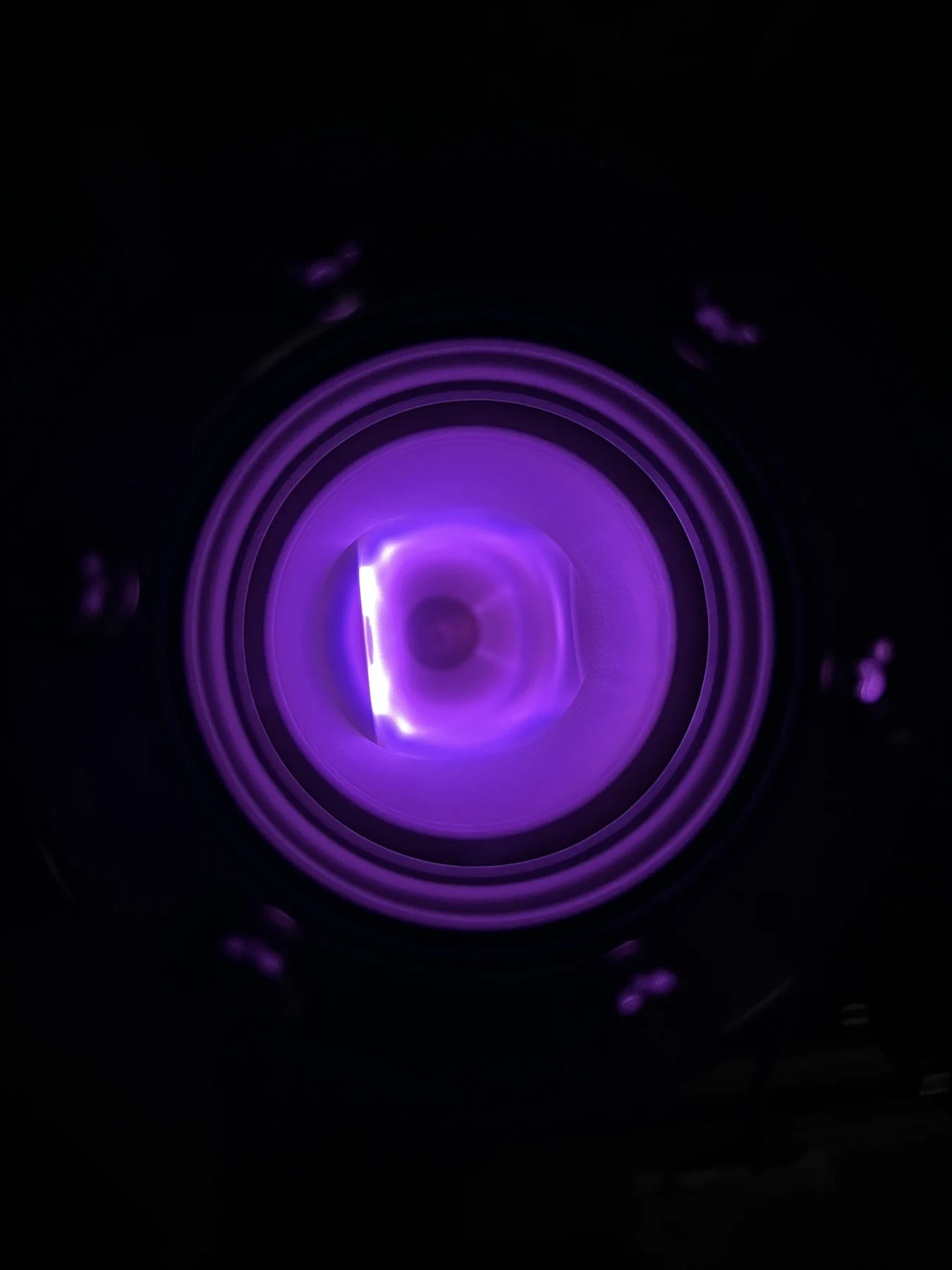
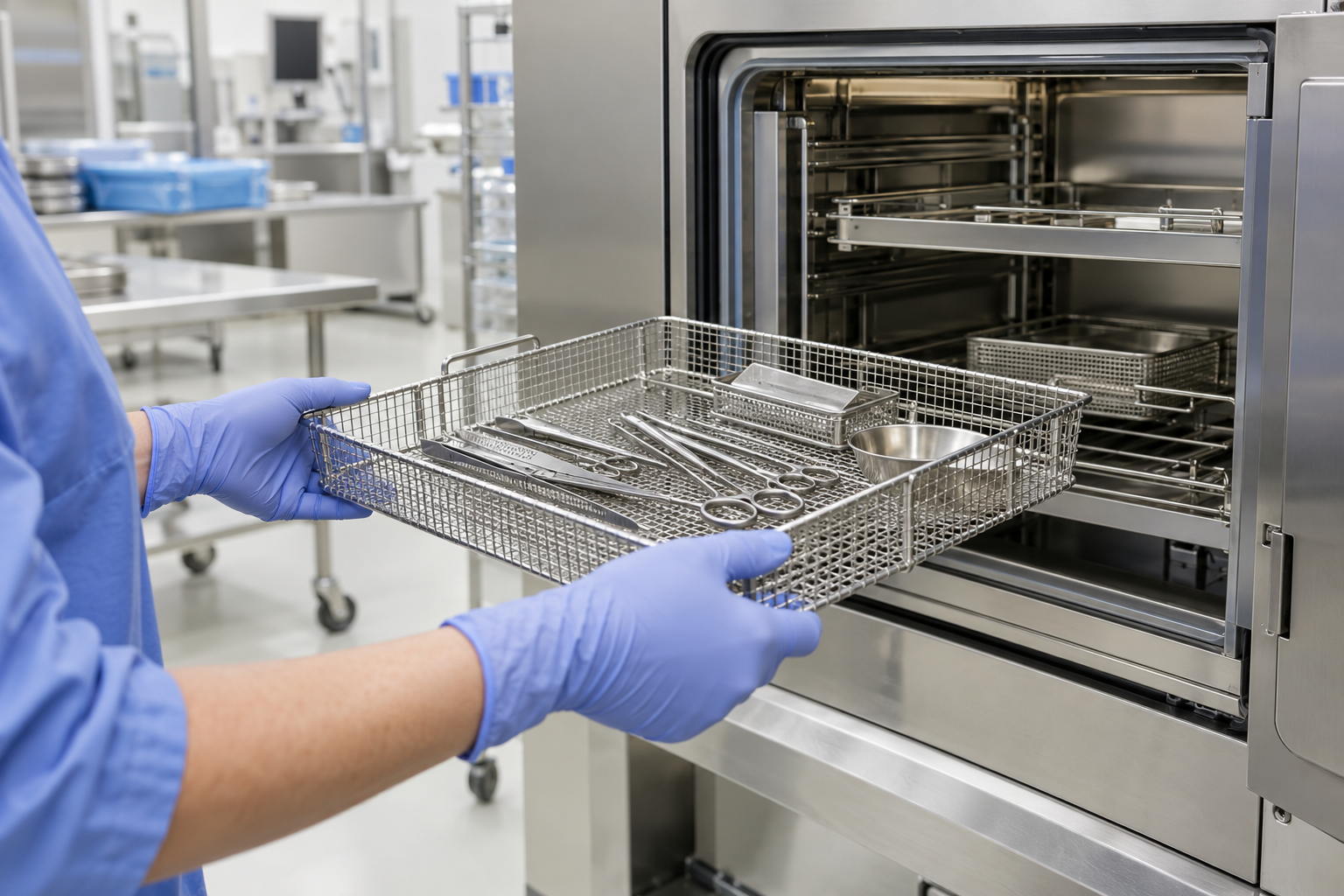
Hydrogen peroxide gas-plasma sterilization is a controlled process for compatible medical devices. In a sealed chamber under deep vacuum, hydrogen peroxide vapor is introduced and radiofrequency energy excites the gas, producing reactive particles including free radicals. These can disrupt essential components of microorganisms. The cycle is designed to expose instrument surfaces to the sterilant and then remove excess gas [1].
The chamber setting is part of the method, not a minor detail. The CDC describes this process for items that cannot tolerate high temperatures and humidity, including some plastics, electrical devices, and corrosion-susceptible alloys [1]. The aim is to sterilize equipment before it is used. It is not a device for delivering a chamber’s sterilization cycle to skin or a wound.
Cold atmospheric plasma is a different setup
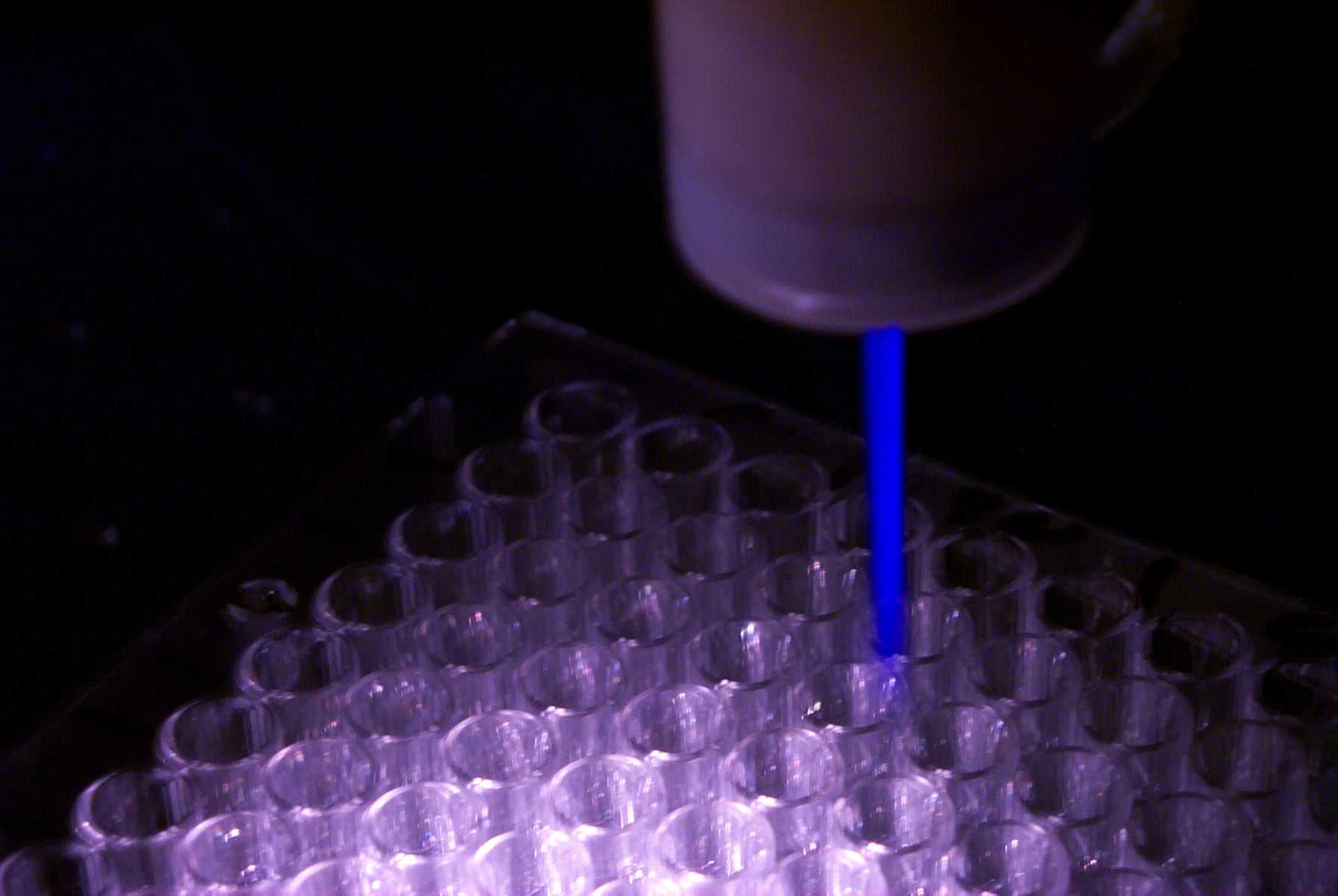
Cold atmospheric plasma devices operate in a different setting and are investigated for applications on body surfaces and living tissue. A plasma is an energized gas containing charged particles and reactive species, but that broad definition does not make every plasma source equivalent. The instrument-processing chamber uses hydrogen peroxide vapor in a vacuum cycle; cold atmospheric plasma is generated for use at atmospheric pressure and is studied in contexts such as wound antisepsis [2].
A practical comparison is an oven and a hair dryer: both move heat, but their design, operating conditions, and intended uses differ. The analogy is limited, but it captures why a shared physical ingredient does not make two systems interchangeable. In plasma technologies, the gas composition, energy input, pressure, exposure, and target determine what the apparatus does.
Living tissue changes the question
On an instrument, the goal is to inactivate microorganisms on or within the processed device. On a wound, the target includes living cells and tissue that must remain able to heal. A treatment therefore raises questions about both microbial effects and tissue response. Researchers have proposed that cold plasma can affect wound healing as well as antisepsis, and clinical studies are being conducted [2]. A proposed mechanism or encouraging result, however, does not by itself establish a reliable clinical benefit.
Evidence also differs among clinical settings and guidelines. For diabetes-related foot ulcers, the 2023 International Working Group on the Diabetic Foot guideline recommends against other gases, including cold atmospheric plasma, for ulcer healing because the available evidence is low-certainty and biased. This is an important boundary: findings or recommendations in one context cannot be casually generalized to all wounds, and research activity is not the same as routine-care endorsement. [3]
Names do not replace evidence
A third technology makes the naming problem clearer: argon plasma coagulation heats and coagulates tissue. It is used for a different purpose from cold atmospheric plasma wound research and from hydrogen peroxide gas-plasma equipment sterilization. Grouping these systems together because each involves plasma obscures the physical process and clinical question involved.
The useful way to evaluate a plasma device is to ask what gas it uses, at what pressure and temperature it operates, what target it treats, and what outcome has actually been measured. CDC guidance describes equipment sterilization by a hydrogen peroxide chamber [1]; the plasma institute describes cold atmospheric plasma applications and reports clinical study activity [2]. Those are distinct bodies of information. Similar terminology is a starting clue, not evidence that one method can substitute for another.
Sources & further reading
- Hydrogen Peroxide Gas Plasma CDC
- Wound Healing and Antisepsis Leibniz Institute for Plasma Science and Technology
- Guidelines on Interventions to Enhance Healing of Foot Ulcers: 2023 Update International Working Group on the Diabetic Foot
Prepared for the independent PSI Center reading library. About edition dates and source checking.
This explainer describes scientific principles. It does not assess individual treatment choices.