If two wounds are exposed to plasma for the same number of minutes, have they received the same dose? The tempting answer is yes: time is easy to measure, so it seems a natural stand-in for treatment. But a plasma exposure is a stream of changing particles and chemical reactions, not a pill poured from a uniform bottle. To understand why the clock tells only part of the story, it helps to follow what a device makes, what reaches a surface, and what researchers actually measure.
A timer measures duration, not delivery
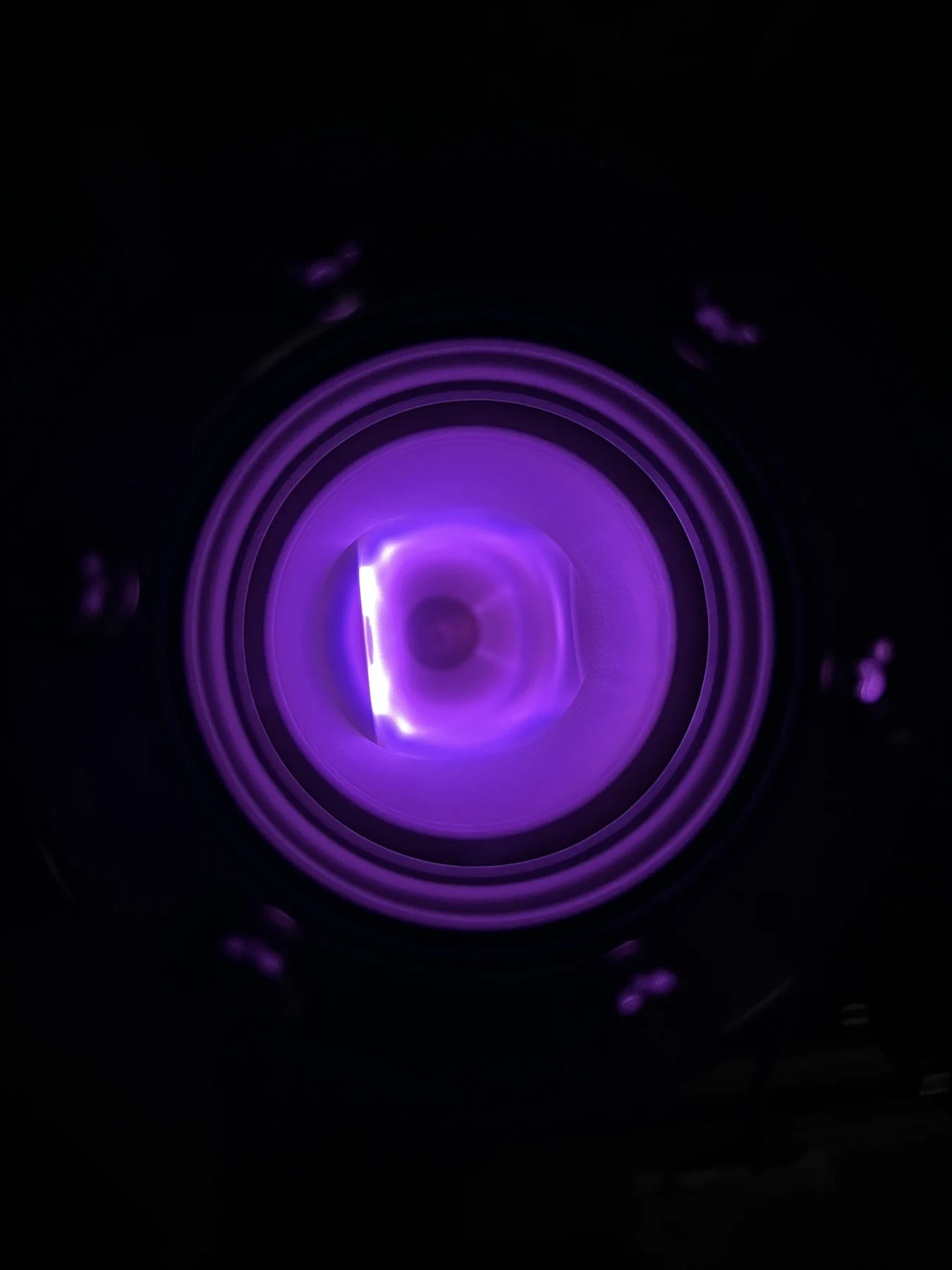
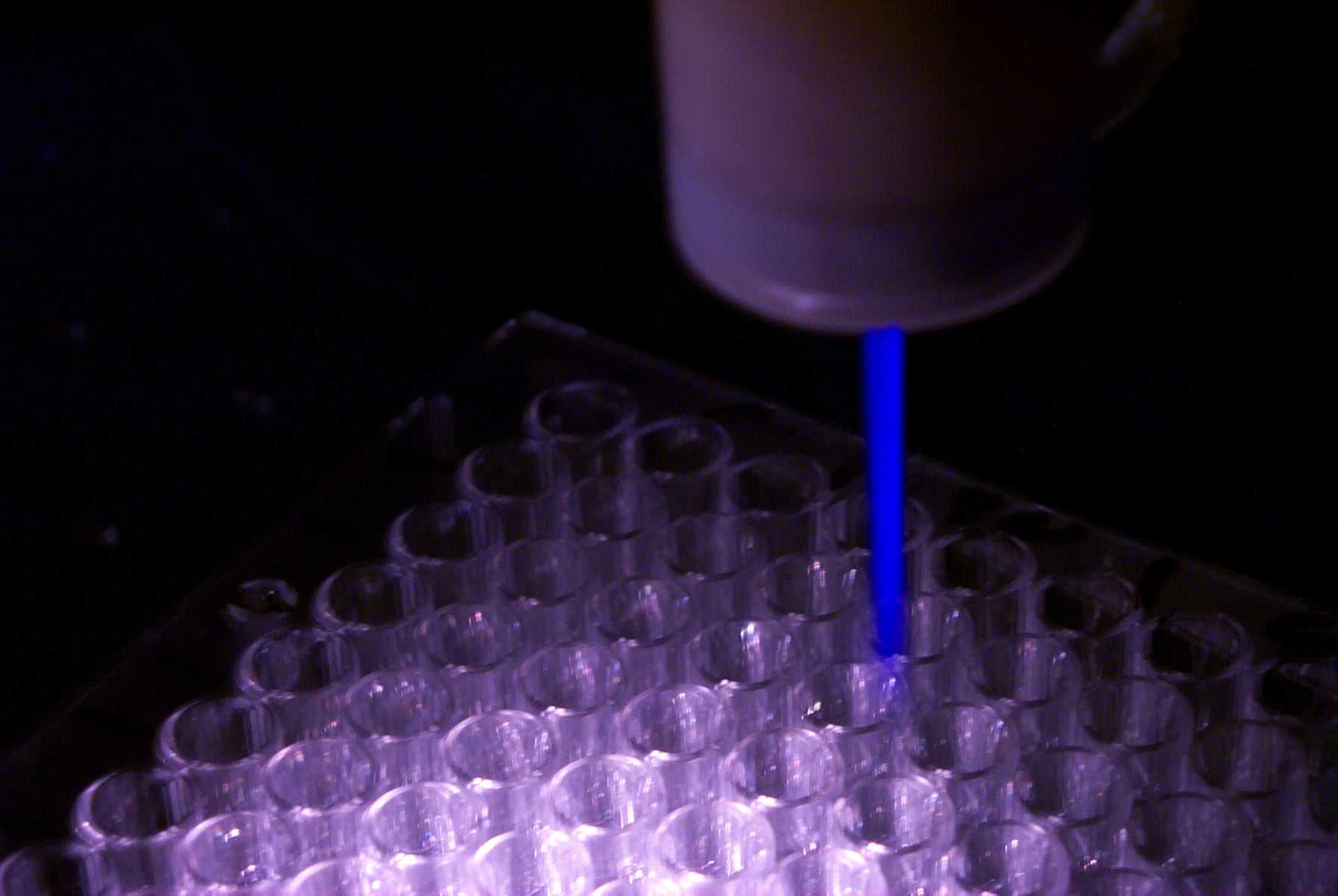
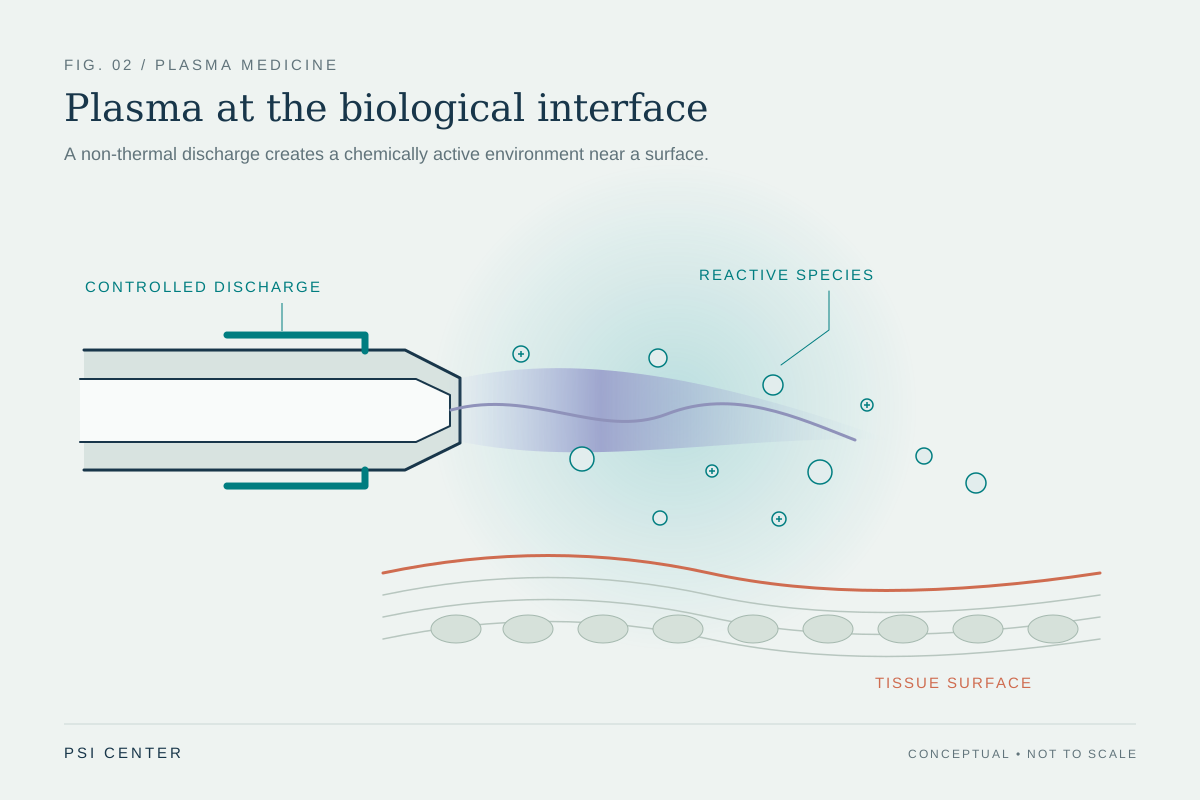
In ordinary language, “dose” often means an amount: a mass of medicine or a number of tablets. For cold atmospheric plasma (CAP), a partially ionized gas generated near room pressure and relatively low temperature, there is no single ingredient whose amount captures the whole exposure. The gas can contain charged particles, reactive molecules, and short-lived radicals—atoms or molecules with unpaired electrons that readily react. Their production depends on the device’s gas, electrical power, frequency, geometry, and the surrounding air.
A useful thought experiment is to imagine two sprinklers running for one minute. If one has greater flow, a different nozzle, or sits closer to the soil, the ground does not receive the same water. Plasma is more complicated because the “spray” can also change on its way to the target. A timer records how long the device operates; it does not, by itself, say how many reactive species formed, how many survived transport, or how much interacted with tissue.
The path from gas to tissue matters
The clinical trial by Mirpour and colleagues illustrates why a reported treatment has to be read as a whole setup. It tested helium CAP generated in ambient air using a high-voltage, high-frequency supply, as an addition to standard care for diabetic foot ulcers. The schedule—three sessions each week for three weeks—describes duration and frequency, but the observed exposure also depended on that particular gas and apparatus [1]. A result from this arrangement cannot be translated into an equivalent number of minutes on a different device without evidence that the delivered exposure is comparable.
The target is not a blank, flat surface. Moisture, wound shape, exudate, and the distance and angle between source and tissue can affect which particles reach a particular spot and how they react there. Some species are highly reactive and short-lived; others travel farther. Surfaces can also consume reactive compounds before they reach deeper tissue. These are causal steps between turning on a device and changing a biological surface, which is why “ten minutes” is not a universal unit of plasma dose.
A sterilizer shows how conditions combine
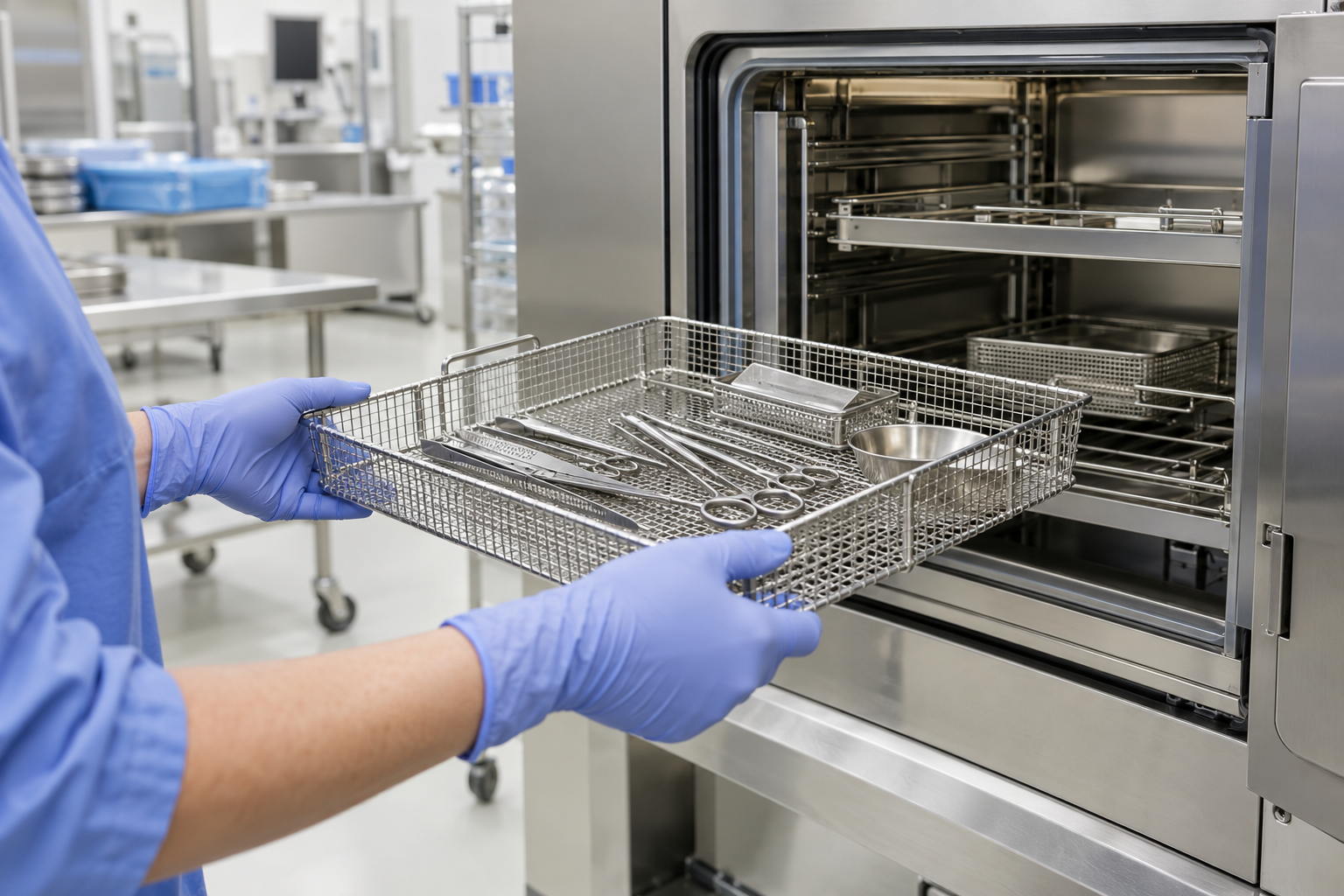
Hydrogen-peroxide gas-plasma sterilizers make the distinction especially clear. In the CDC-described process, equipment is placed in an enclosed chamber under deep vacuum. Hydrogen peroxide vapor diffuses around the load, then radio-frequency energy creates a plasma phase that generates reactive free radicals. The sterilizing action comes from the combined process and its controlled chamber conditions, not simply from leaving an object near a plasma source for a chosen time [2]. This equipment is designed to sterilize devices, not to treat living tissue.
Even within sterilization, exposure depends on access and material. The CDC notes that moisture can prevent the required vacuum from being achieved, while lumen length and diameter, salts, and organic material can alter effectiveness [2]. A narrow channel or residue can change what reaches a surface. That example does not tell us a wound dose; it shows why physical configuration and chemistry must accompany elapsed time whenever exposure is being described.
Clinical findings need their own boundaries
In Mirpour’s randomized trial, 44 people received standard care with or without the helium CAP intervention. The investigators reported a greater reduction in wound-size fraction in the CAP group over the study period, and an immediate decrease in measured bacterial load after exposure; they also reported that the antiseptic effect did not seem to last long [1]. Those are findings from a particular small trial and protocol. They do not establish a universal dose, prove that time alone drove the outcome, or show that CAP should be used routinely for every wound.
A clearer account of a plasma treatment therefore needs more than a stopwatch reading: the device and gas, electrical settings, geometry, treatment schedule, target conditions, and measured biological outcomes. Researchers can then ask which variables matter and whether results transfer to another setup. For a reader, the key distinction is simple: treatment time is one part of exposure description, while biological dose is about what actually reaches and affects the target. A clock can mark the first; it cannot stand in for the second.
Explore the physics: an explanatory diagram
Sources & further reading
- Cold Atmospheric Plasma in Diabetic Foot Ulcers Mirpour et al., Scientific Reports (2020)
- Hydrogen Peroxide Gas Plasma CDC
Prepared for the independent PSI Center reading library. About edition dates and source checking.
This explainer describes scientific principles. It does not assess individual treatment choices.