What changes when plasma is made in open air rather than inside a vacuum chamber? The surrounding pressure changes how gas particles collide and how the device can deliver energy. That difference helps explain why a plasma jet aimed at a surface and a sterilizer chamber can both involve plasma yet serve very different purposes. Their shared name does not make their chemistry, operating conditions, or evidence interchangeable.
A fourth state depends on its surroundings
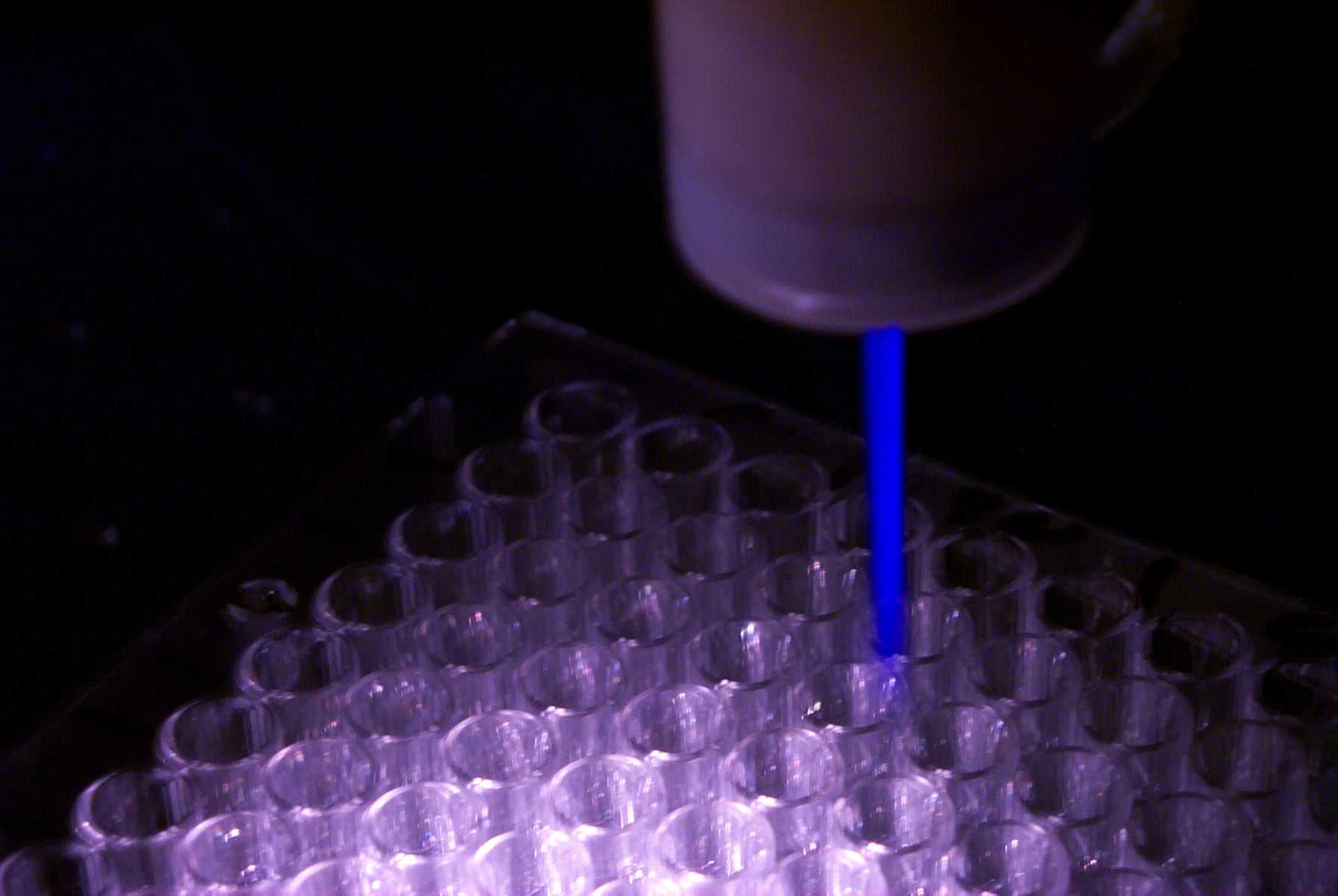
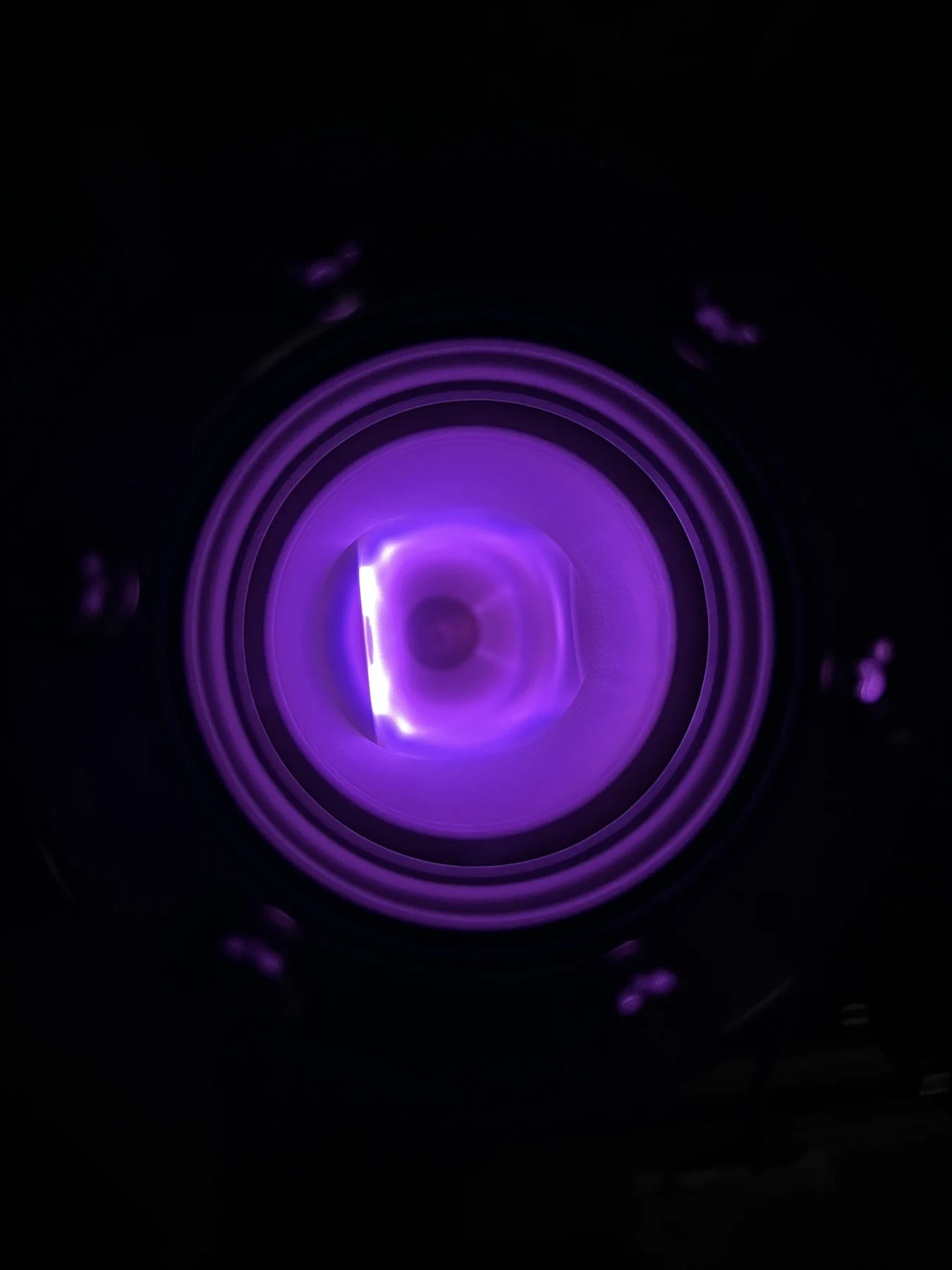
Plasma is a gas containing charged particles and reactive species. In an atmospheric-pressure device, the plasma is generated near ordinary air pressure, often so it can interact with a living surface without enclosing that surface in a vacuum vessel. Cold atmospheric plasma sources are being studied for applications such as surface disinfection and wound care [2]. “Cold” describes the gas condition relative to thermal plasma; it does not mean every molecular interaction is biologically inert.
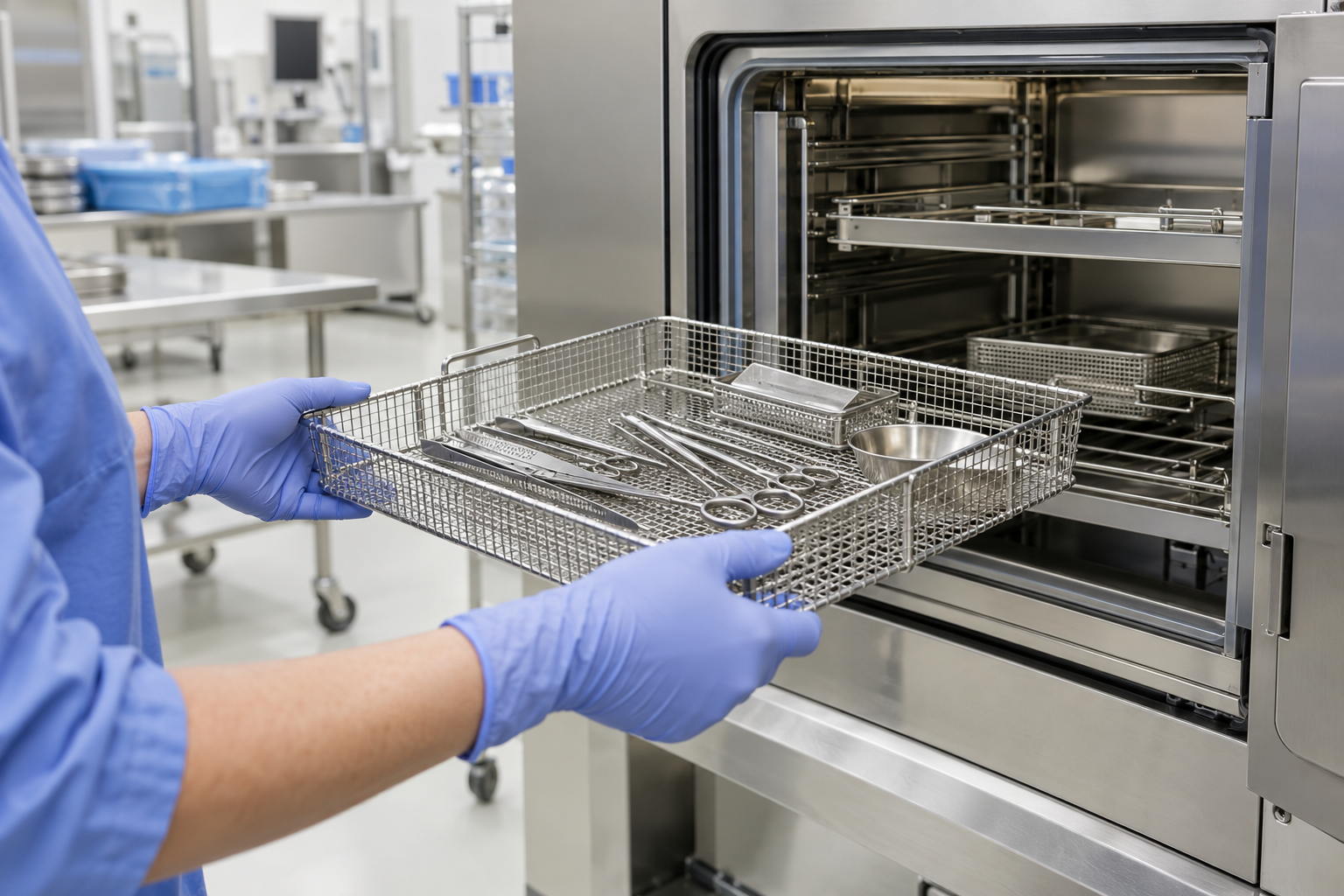
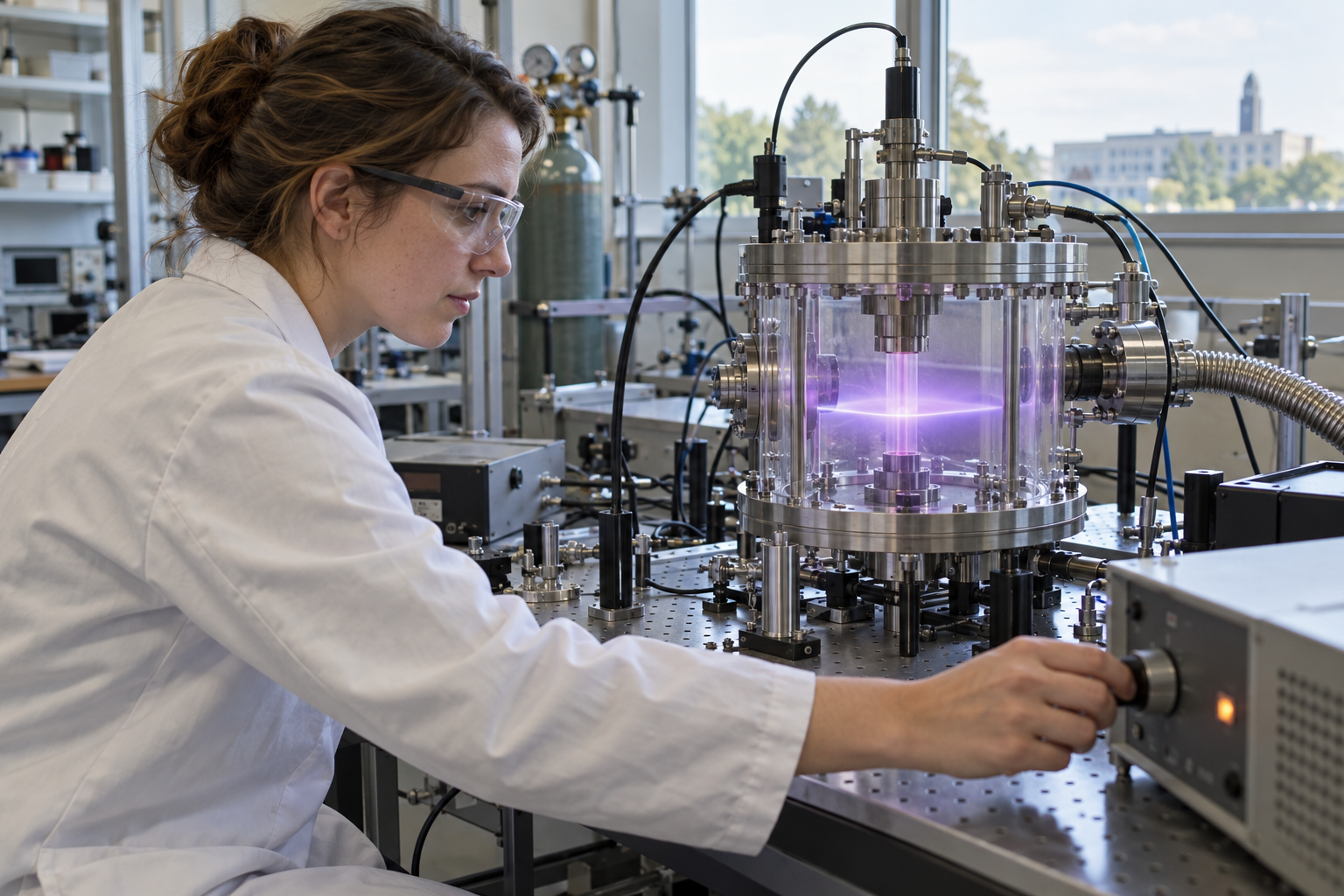
Vacuum plasma sterilization starts from a different engineering setup. The CDC describes hydrogen peroxide gas plasma being generated in an enclosed chamber under deep vacuum, using radio-frequency or microwave energy to excite gas molecules and create charged particles and reactive species, including free radicals [1]. The chamber pressure and the chosen gas are part of the process, not incidental details.
The target helps define the technology
Consider a reusable medical instrument placed in a sterilizer. Hydrogen peroxide vapor reaches surfaces in the chamber, and the plasma phase generates reactive species that help inactivate microorganisms. The CDC describes this process as a sterilization method for devices that may not tolerate high temperatures or humidity, with effectiveness influenced by factors such as narrow lumens, salts, and organic material [1]. Its purpose is to process equipment before use.
Now consider a plasma source intended to act on living tissue at atmospheric pressure. Research and clinical investigation have explored its effects on wound surfaces and healing processes [2]. The setting imposes different constraints: tissue must remain viable, the gas and reactive species meet a complex biological surface, and the intended outcome is not sterilizing an instrument. A process that kills microorganisms on equipment cannot automatically be assumed safe or beneficial on tissue.
Reactive chemistry is useful and demanding
In vacuum sterilization, hydrogen peroxide vapor and plasma-generated radicals contribute to microbial inactivation. A free radical has an unpaired electron and can react readily with other molecules; this reactivity is part of why such species can disrupt essential microbial components [1]. The sterilizer’s cycle is designed around controlled chamber conditions and a defined load, including the shapes and materials of the instruments.
Atmospheric plasma research also depends on reactive chemistry, but the balance of effects at a living surface is a research question. A mechanism that can affect microbes may also interact with tissue; dose, exposure conditions, device design, and wound context matter. The existence of a proposed biological mechanism does not demonstrate that a treatment improves patient outcomes, and evidence from one plasma apparatus cannot establish the performance of another.
Research findings are not the same as routine practice
The Leibniz Institute for Plasma Science and Technology describes clinical studies and wound-healing applications for cold atmospheric pressure plasma, and notes a German guideline recommendation for certain chronic and infected wounds [2]. That source reflects one guideline context. Guidance can differ across organizations and jurisdictions, and clinical results must be read alongside study quality and the population treated.
For diabetes-related foot ulcers, the 2023 International Working Group on the Diabetic Foot guideline recommends against using other gases, including cold atmospheric plasma, to promote healing, citing low-certainty evidence with substantial risk of bias. This is a clear example of why promising mechanisms and reports of clinical use do not equal broad routine-care endorsement. Vacuum hydrogen peroxide plasma sterilization, meanwhile, is an equipment-processing technology with a distinct purpose and evidence base [1]. [3]
Sources & further reading
- Hydrogen Peroxide Gas Plasma CDC
- Wound Healing and Antisepsis Leibniz Institute for Plasma Science and Technology
- Guidelines on Interventions to Enhance Healing of Foot Ulcers: 2023 Update International Working Group on the Diabetic Foot
Prepared for the independent PSI Center reading library. About edition dates and source checking.
This explainer describes scientific principles. It does not assess individual treatment choices.