What if an instrument must be sterile but cannot tolerate the heat and moisture of steam? Medical devices are made from different materials, and some plastics, electronics, or corrosion-sensitive components may be damaged by high-temperature processing. Sterilization therefore depends on the instrument as well as the microbes. Low-temperature methods use different physical and chemical conditions to disrupt microorganisms while respecting the limits of the device being processed.
Sterility describes a process outcome
Sterilization is intended to destroy all microorganisms on an item or in a fluid so that the item does not transmit disease. The concept is expressed as a sterility assurance level, or SAL: the estimated probability that a viable microorganism remains after processing. For example, an SAL of 10⁻⁶ corresponds to a modeled probability of one surviving organism in a million, rather than a direct inspection of every processed item [2].
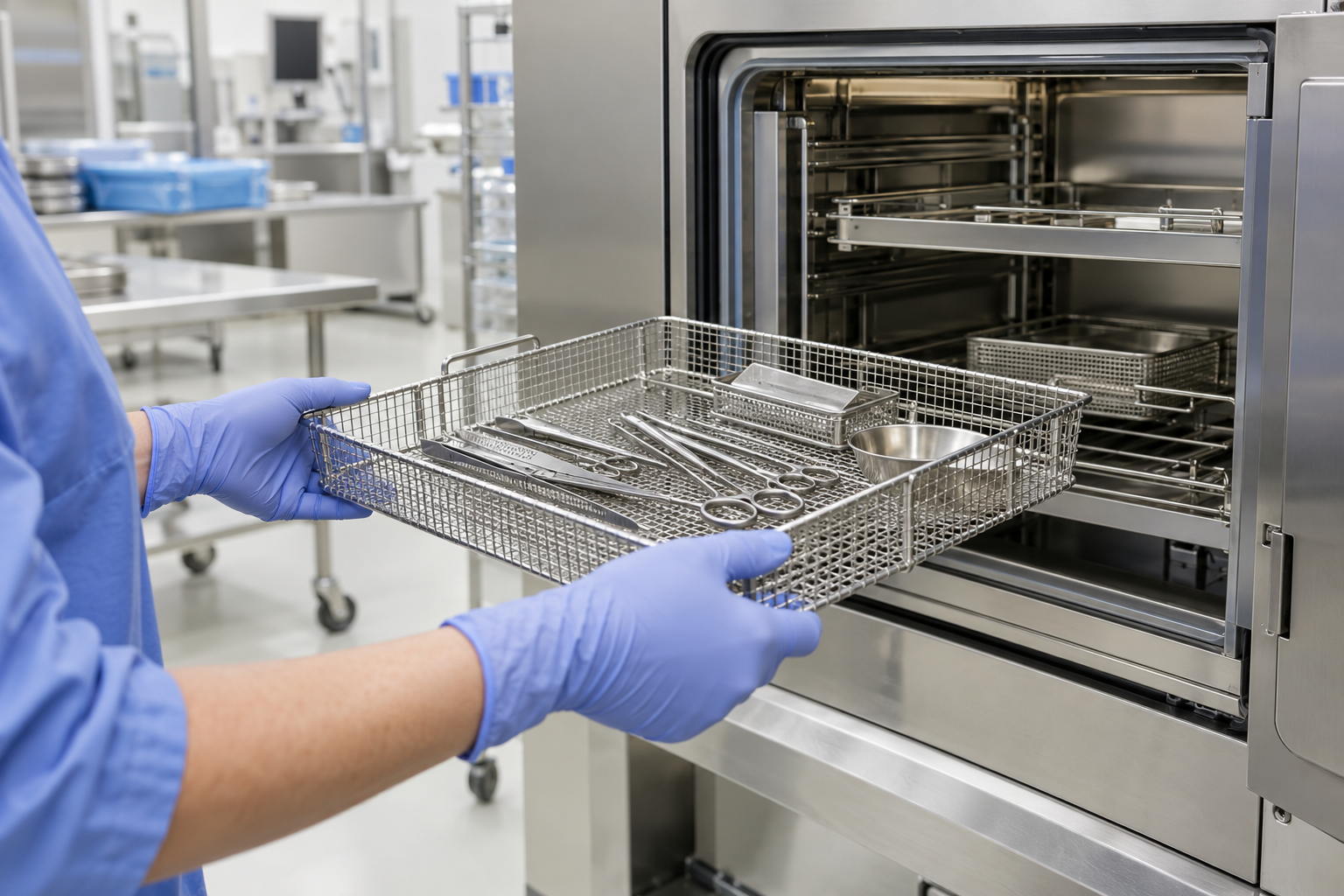
Many medical and surgical devices are heat stable, so steam sterilization is widely used. Heat- and moisture-sensitive items need a different approach. Low-temperature options include ethylene oxide, hydrogen peroxide gas plasma, and other methods [2]. The right process must account for the device’s material, geometry, and intended use; the fact that a cycle is low temperature does not make it suitable for every instrument.
How hydrogen peroxide gas plasma works
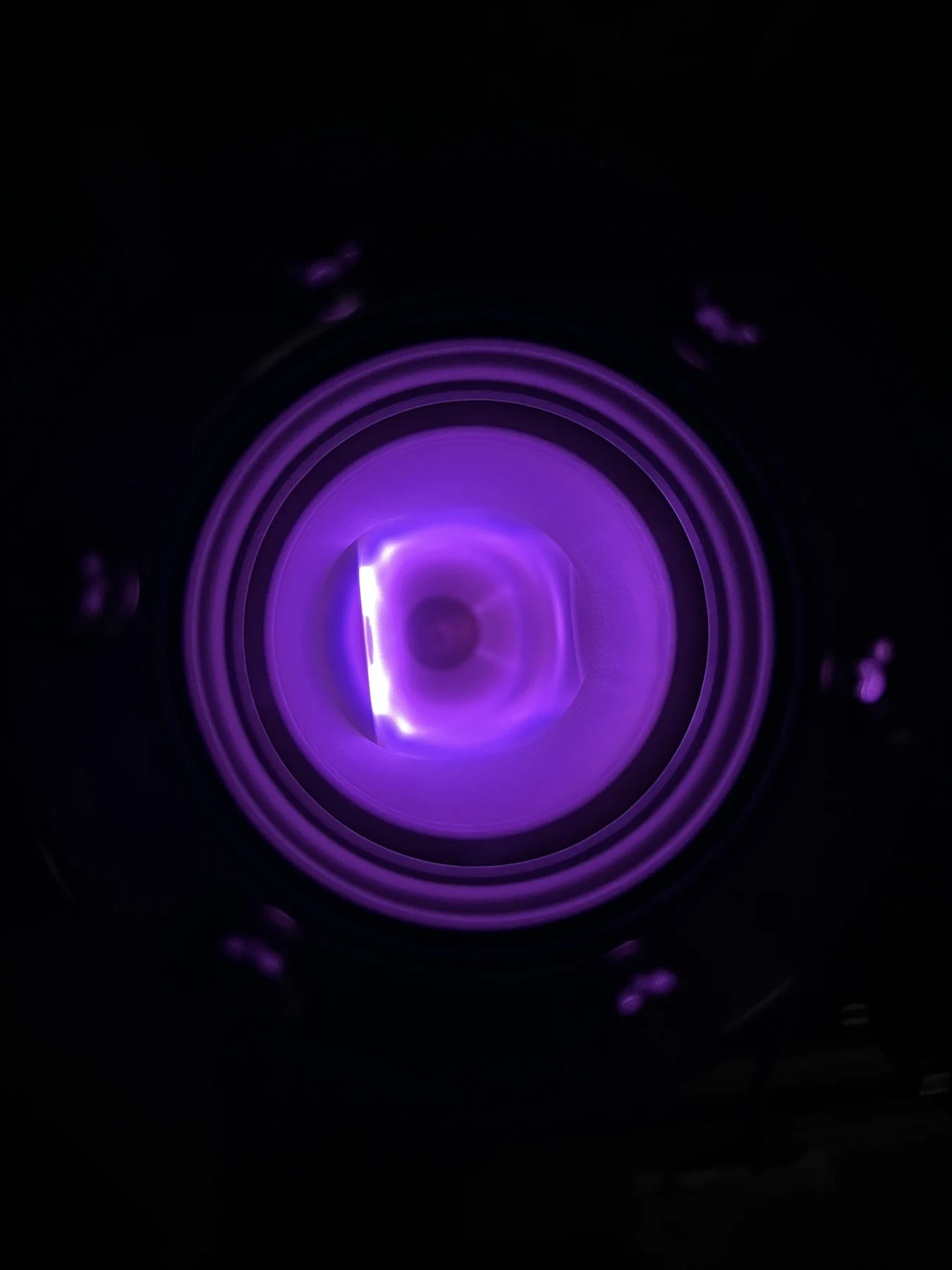
In a hydrogen peroxide gas plasma process, a sterilizer chamber is evacuated, hydrogen peroxide is introduced as vapor, and radiofrequency energy creates a plasma. Plasma is an energized gas containing charged particles and reactive species. The proposed microbe-killing action combines hydrogen peroxide gas with free radicals—highly reactive atoms or molecules that can disrupt essential components of microorganisms [1].
The process uses a closed chamber rather than exposing an instrument to an open flame or a hot environment. The CDC describes this method as operating at low temperatures and notes that it can be used for some plastics, electrical devices, and corrosion-susceptible metal alloys that cannot tolerate high heat and humidity [1]. The point is compatibility with selected devices, not a universal replacement for steam.
Device geometry can make a difference
Sterilant must reach the relevant surfaces. A long, narrow lumen—a hollow channel inside an instrument—can be harder to expose than an open exterior surface. The CDC notes that hydrogen peroxide gas plasma effectiveness can depend on factors including lumen length and diameter, as well as the presence of organic material or inorganic salts [1]. Geometry therefore matters alongside the sterilizer’s operating conditions.
Moisture can also interfere with a cycle. In the described hydrogen peroxide system, the presence of moisture can prevent the vacuum from being achieved, causing the cycle to abort [1]. This illustrates why reprocessing is a coordinated procedure: the device must be cleaned and prepared appropriately, and the selected sterilization method must be compatible with its construction and channels.
Different processes serve different purposes
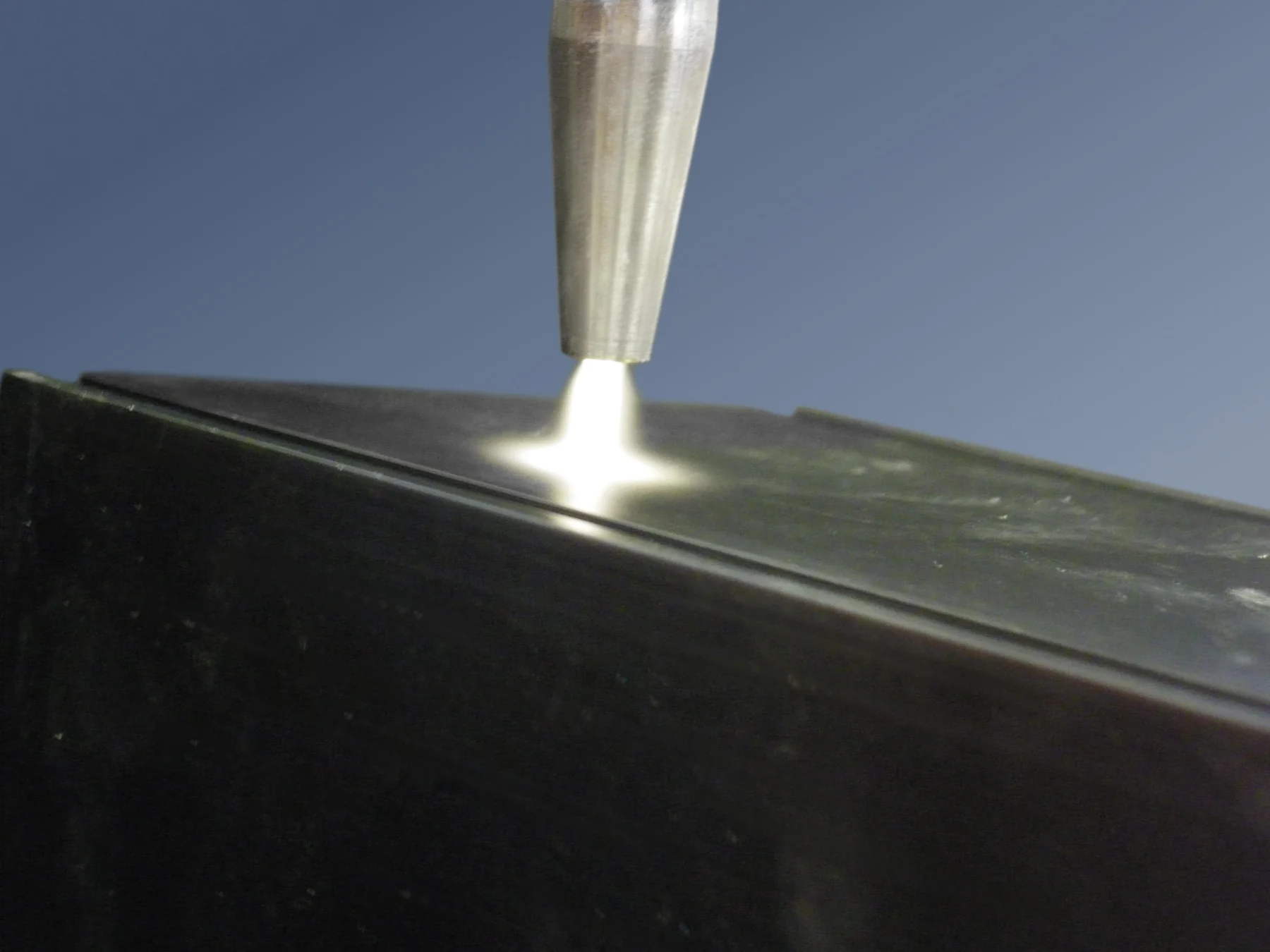
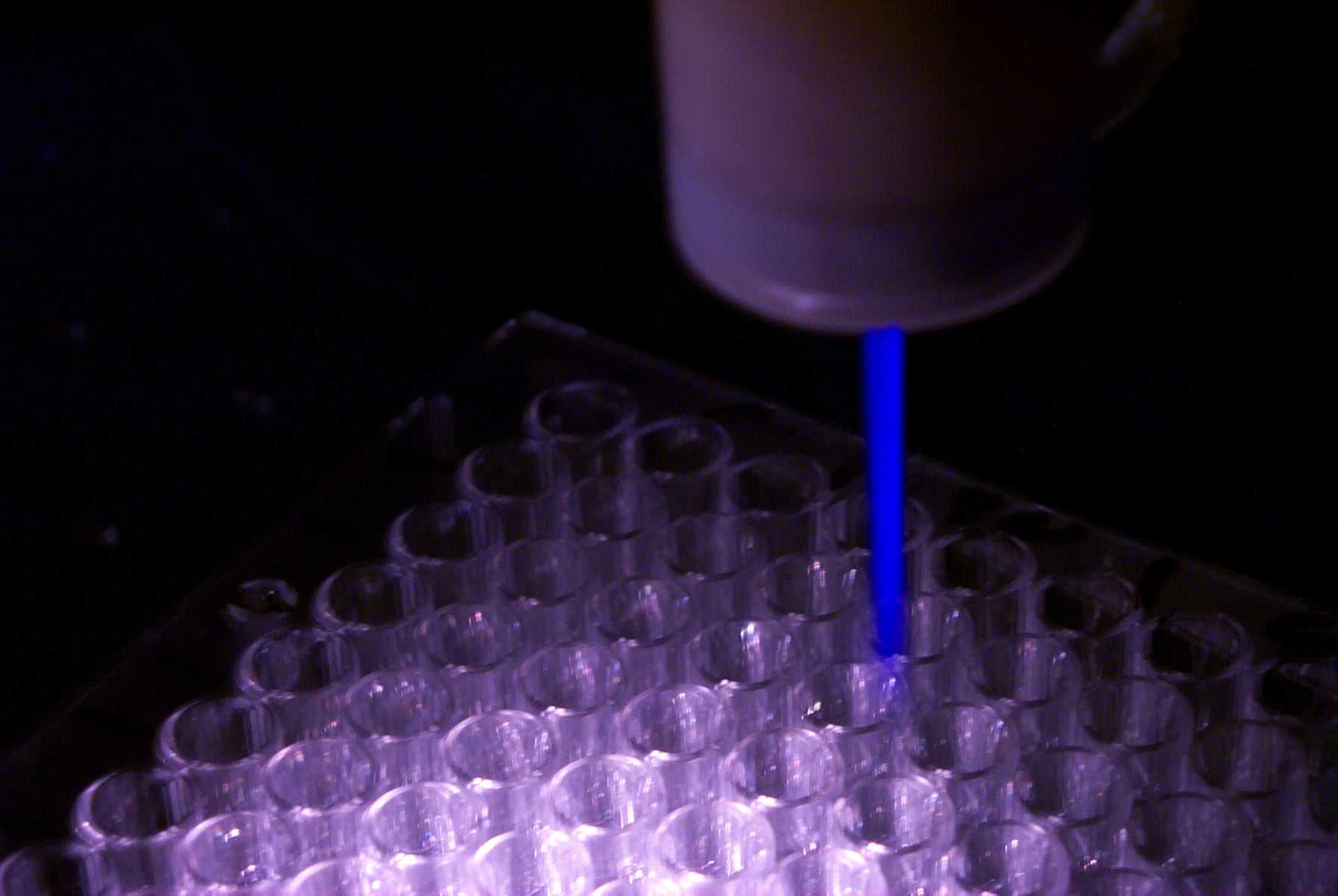
Gas-plasma equipment sterilization is not the same as cold atmospheric plasma applied to tissue. The former takes place in a sterilizer chamber and is designed to reprocess medical instruments; cold atmospheric plasma is studied for possible effects on living tissue. Nor is it the same as argon plasma coagulation, which uses heat to coagulate tissue. Similar terminology does not imply the same temperature, setting, or medical purpose.
Low-temperature sterilization became more important as devices made from plastics and other sensitive materials became common [2]. The physical conditions are selected to manage a trade-off: microbes must be inactivated, while the instrument must retain its function. A process that works for one device may be unsuitable for another, especially when materials, channels, or moisture sensitivity differ. This is why sterilization is engineered around both the organism and the object.
Sources & further reading
Prepared for the independent PSI Center reading library. About edition dates and source checking.
This explainer describes scientific principles. It does not assess individual treatment choices.