How can a medical instrument be sterilized without baking it in hot steam? For some heat-sensitive devices, a sealed chamber combines hydrogen peroxide vapor with an energized gas called plasma. The process is designed to expose the device’s surfaces to reactive chemistry while keeping temperatures relatively low. Understanding it means following a sequence: air is removed, sterilant reaches the load, electrical energy creates reactive particles, and the chamber is safely vented.
From gas to reactive particles
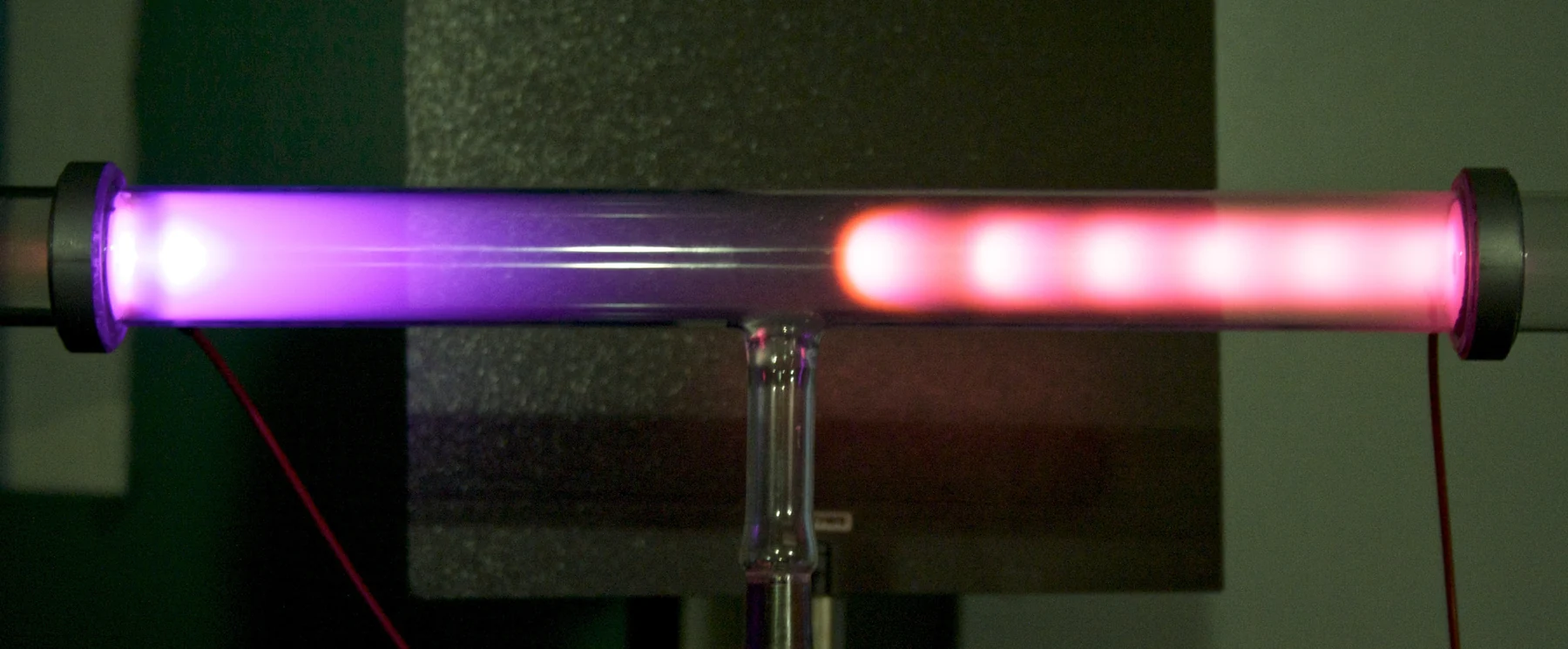
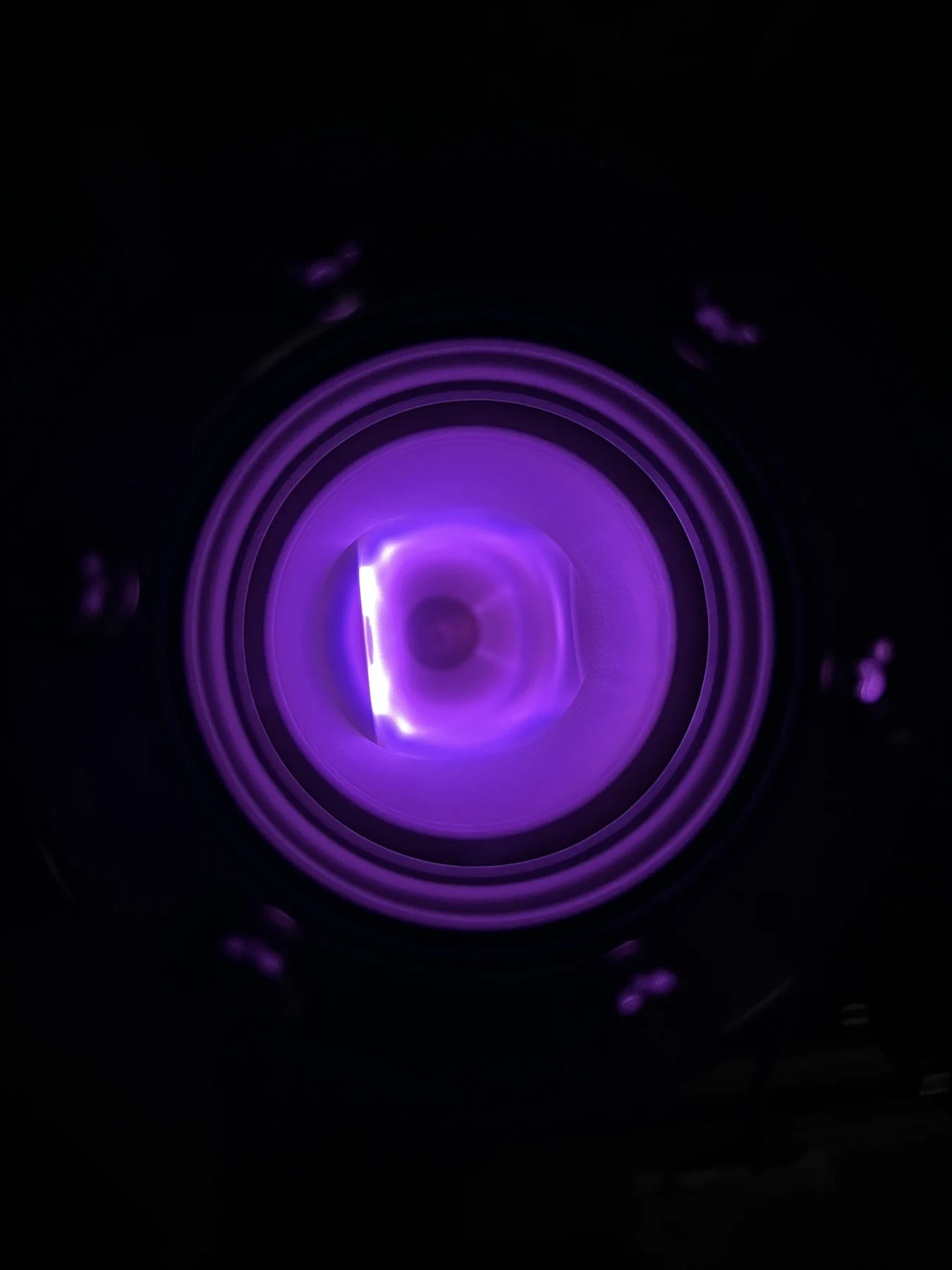
Plasma is a gas in which some particles carry electrical charge. In a sterilizer, a chamber is evacuated and hydrogen peroxide solution is introduced and vaporized. Radio-frequency or microwave energy excites the gas, producing charged particles and highly reactive molecules called free radicals. A free radical has an unpaired electron, which makes it prone to reacting with nearby molecules [1].
The term “fourth state of matter” is a useful shorthand, but the key feature here is not a dramatic glowing cloud. It is the chemistry generated under controlled conditions. Hydrogen peroxide vapor itself contributes to microbial inactivation; during the plasma phase, reactive species such as hydroxyl radicals add further chemical attack [1].
A cycle built around exposure
Picture a dry surgical instrument inside the chamber. First, the machine draws down the pressure. Hydrogen peroxide is then injected and vaporized, allowing the gas to diffuse through the chamber and contact the exposed surfaces. The CDC describes a system in which this diffusion stage lasts about 50 minutes before radio-frequency energy creates the plasma [1].
The reactive species can damage essential microbial components, including enzymes and nucleic acids, disrupting the organism’s ability to function. After exposure, excess gas is removed. Filtered air restores atmospheric pressure, while by-products such as water vapor and oxygen are described as nontoxic, so a separate aeration stage is not needed in the process described by the CDC [1].
Why choose a low-temperature method?
Steam sterilization remains the preferred method for heat-resistant critical items because of its reliability and strong margin of safety. But some instruments contain plastics, electronics, or corrosion-susceptible alloys that cannot tolerate heat and moisture. For such heat-sensitive devices, hydrogen peroxide gas plasma is one of several low-temperature approaches used in healthcare [2].
The CDC describes this process operating at roughly 37–44°C. That relatively mild temperature helps explain its niche: the sterilant’s chemistry, rather than intense heat, does the work. This is sterilization of medical devices in a controlled facility. It is not the same use as applying cold atmospheric plasma to living tissue, nor is it the same as argon plasma coagulation, which heats and coagulates tissue.
Geometry and dryness matter
A sterilization cycle must reach the surfaces that need treatment. Long, narrow lumens—hollow channels inside instruments—can make penetration more difficult, and effectiveness can also be affected by lumen dimensions, salts, and organic material [1]. A cycle cannot compensate for every design limitation or for inadequate preparation.
Moisture is another practical constraint: the CDC notes that if objects are wet, the vacuum may not be achieved and the cycle aborts [1]. Sterility is assessed as a probability, not an absolute claim that no organism could ever survive. The CDC describes a sterility assurance level as an estimate for the complete process, with a commonly discussed value of an estimated one-in-a-million probability that a processed item retains a viable microorganism for a 10⁻⁶ level [2].
Sources & further reading
Prepared for the independent PSI Center reading library. About edition dates and source checking.
This explainer describes scientific principles. It does not assess individual treatment choices.