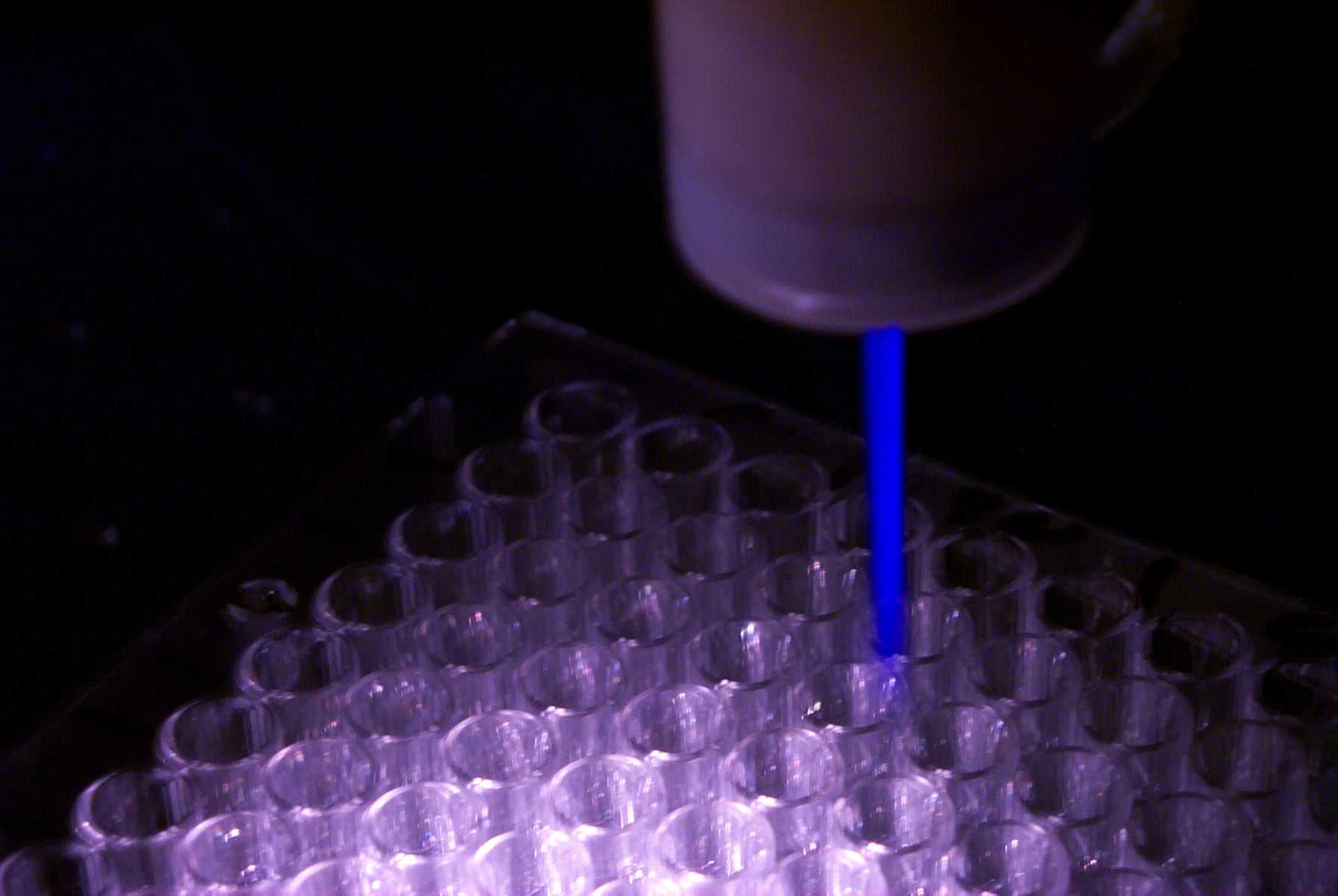
What changes when a plasma device switches from one gas to another? The answer begins before any tissue or instrument is exposed: the gas helps determine which charged particles and reactive molecules the device can create. Those products then meet different surfaces under different conditions. So “plasma treatment” is not one uniform action. The gas, energy source, pressure, moisture, and target together shape what the process can do—and what evidence from one use can tell us about another.
A gas is part of the recipe
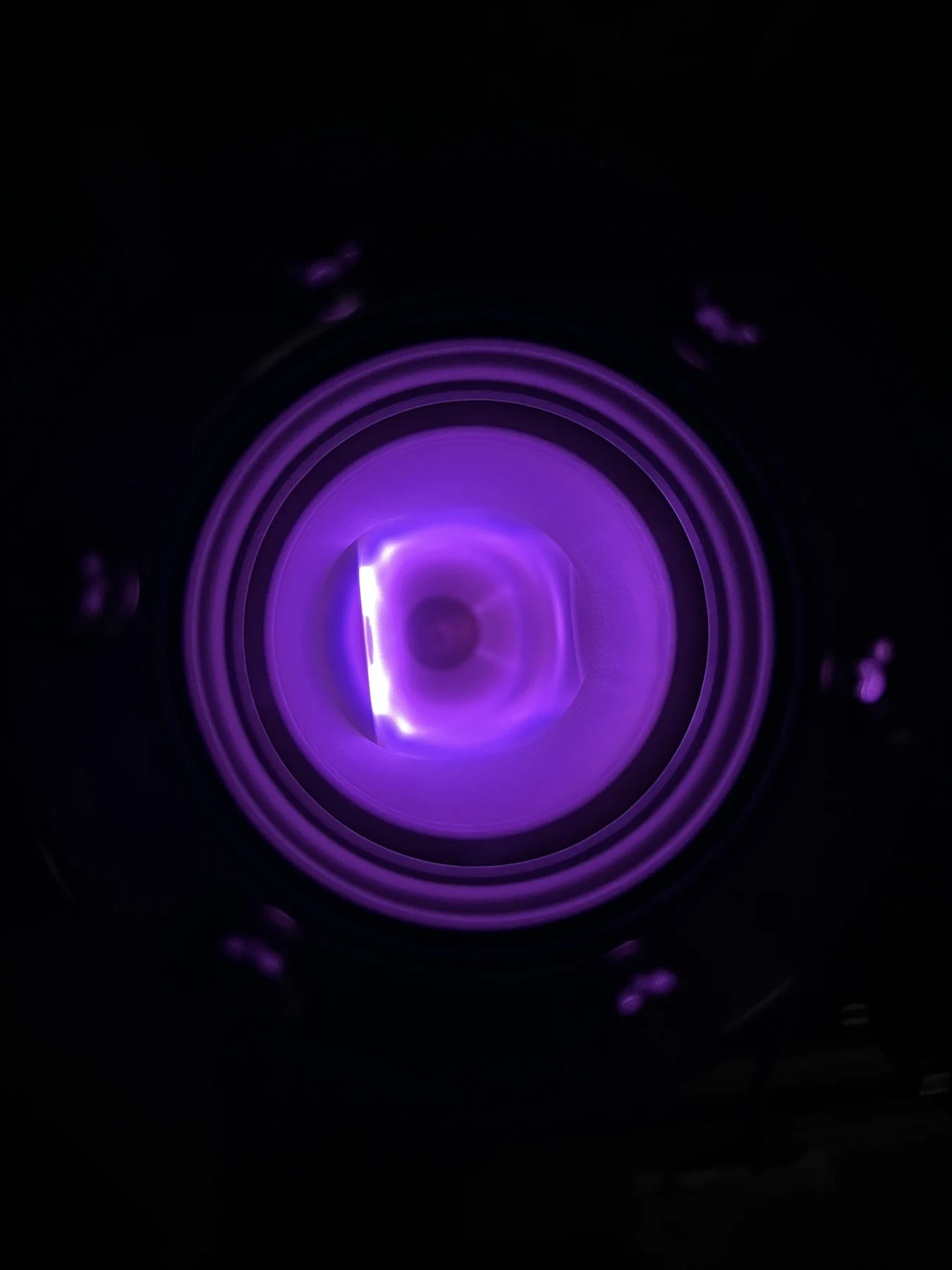
Plasma is a gas in which some atoms or molecules have been energized enough to produce charged particles. In practical devices, an electric field or other energy source drives that change. The resulting mixture can include electrons, ions, excited molecules, and short-lived reactive species. A reactive species is an atom or molecule that readily interacts with other material. Its identity and amount depend partly on the starting gas.
Imagine striking the same match in air and in a different controlled gas mixture: the surroundings change what reactions are available, even if the spark looks similar. Plasma systems work through a more engineered version of that principle. Changing the seed gas changes the ingredients available for reactions; pressure and power affect how those ingredients form and collide. The visible glow alone cannot tell us which chemistry is occurring or what biological effect to expect.
A sterilizer is a chamber process
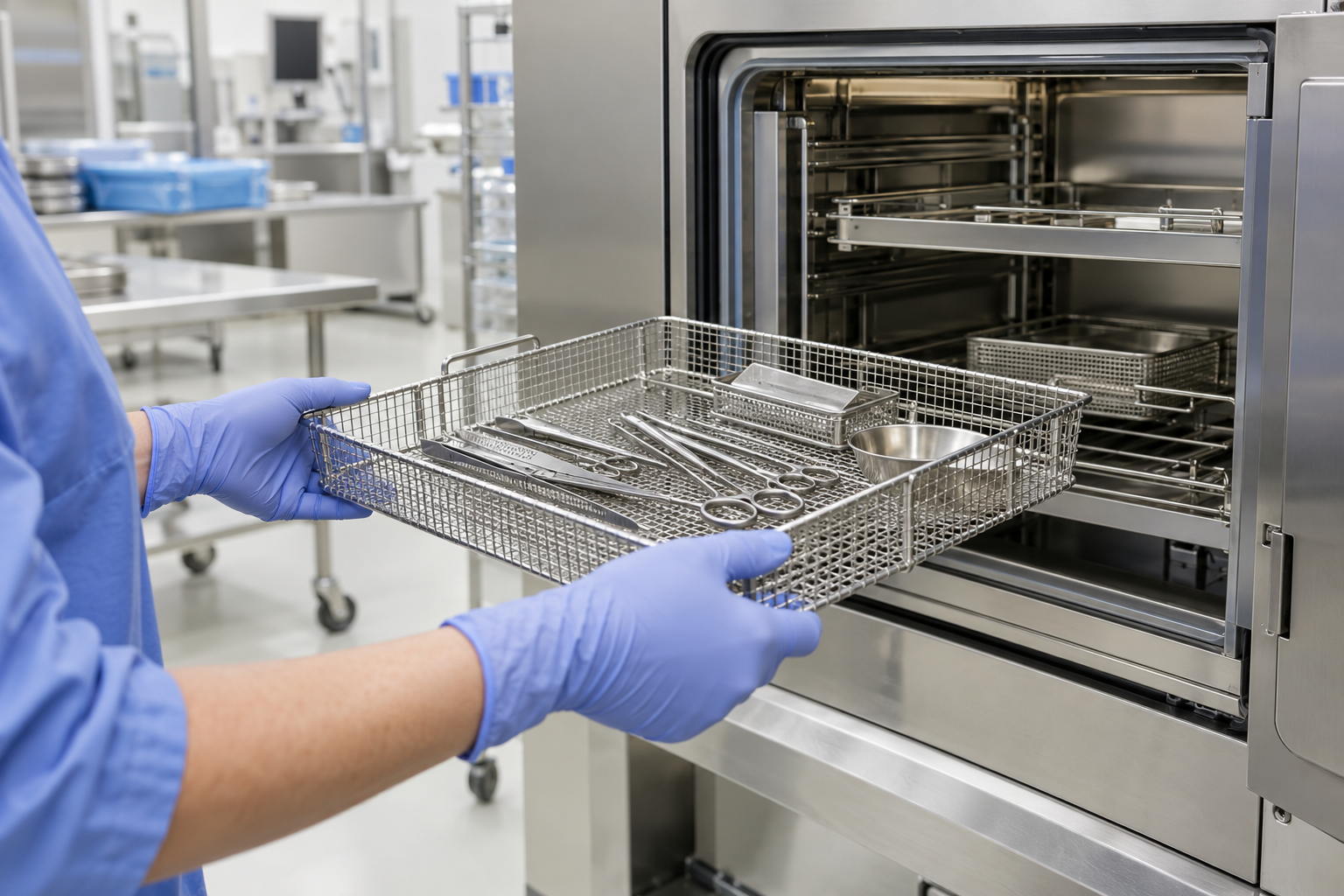
Hydrogen-peroxide gas-plasma sterilization illustrates how specific the setup is. In the CDC-described process, the chamber is evacuated, hydrogen peroxide vapor is introduced and allowed to diffuse over the load, and radio-frequency energy then creates plasma. Reactive products, including hydroxyl and hydroperoxyl radicals, contribute to microbial inactivation by interacting with essential cell components [1]. The process combines the vapor exposure with the plasma stage; it is not simply “plasma gas” acting by itself.
The chamber conditions matter as much as the label. The CDC account describes a relatively low-temperature cycle intended for certain heat- or moisture-sensitive devices, while noting that moisture can prevent the required vacuum and abort a cycle. Long narrow channels, their dimensions, and organic or inorganic residues can also affect effectiveness [1]. This is a controlled sterilization application, not a template for exposing living tissue.
An open-air wound device faces another problem
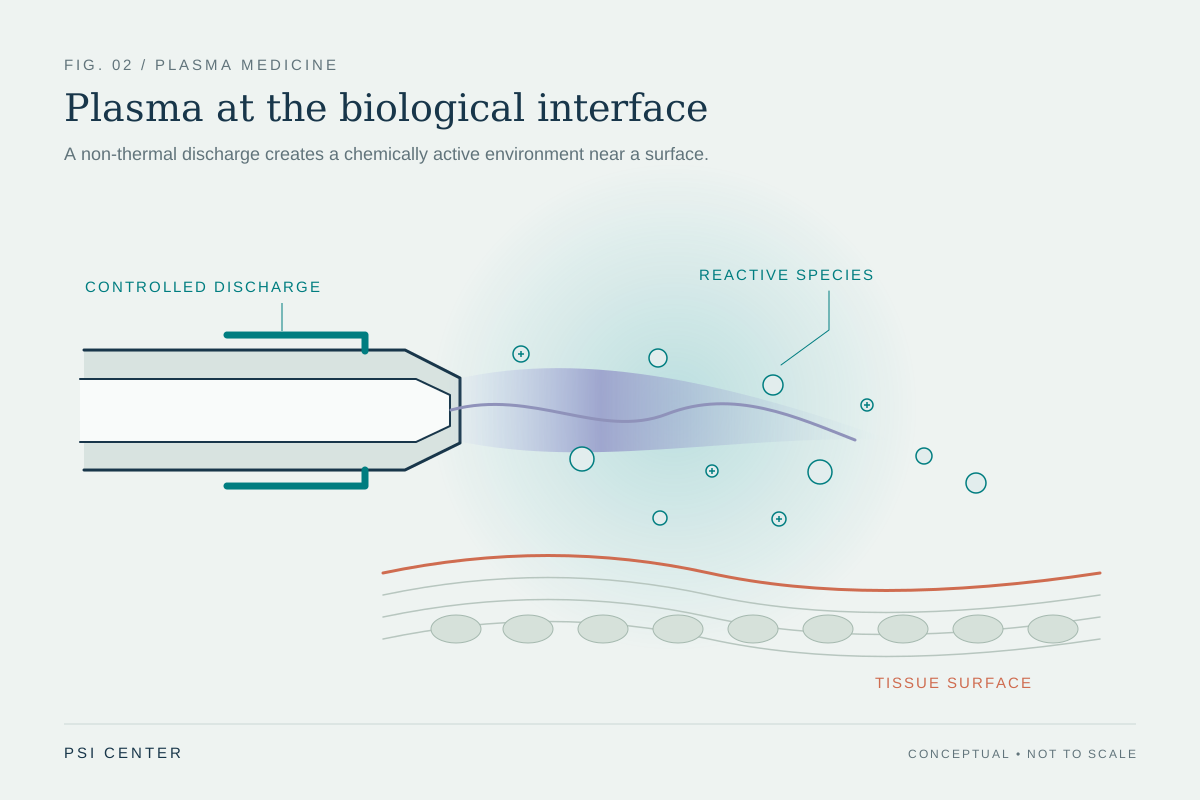
Cold atmospheric plasma (CAP) refers to plasma produced near ordinary atmospheric pressure with limited heating of the treatment area. A clinical trial by Mirpour and colleagues tested helium-based CAP in ambient air as an addition to standard care for diabetic foot ulcers. Forty-four participants were randomized, and the treatment group received CAP three times weekly for three weeks. The authors reported reduced wound size measures and an immediate decrease in bacterial counts after exposure [2].
The helium did not act alone: the device used an electrical supply, and the plasma formed in surrounding air. That mixture, exposure geometry, distance, and treatment schedule define the experiment. A result from this particular combination cannot automatically be assigned to another gas, device, wound, or protocol. Nor does a measured short-term change in bacteria by itself show that a treatment reliably improves healing in broader practice.
Similar names do not transfer evidence
A sterilization chamber and an open-air wound device share the word “plasma,” but their goals and surroundings differ. One is designed to expose instrument surfaces in a controlled vacuum to hydrogen peroxide and plasma-generated reactive species. The other seeks to affect a living wound surface using a comparatively cool discharge in air. A gas selected for one setting cannot be assumed suitable for the other, because chemistry, dose at the target, heat, and tissue response all change.
The useful question is therefore not simply whether plasma works, but which gas and device produce which effects under which conditions. Laboratory chemistry can explain plausible mechanisms, and a trial can test a defined clinical setup. Neither alone makes all plasma applications interchangeable. Gas choice is one reason results must stay attached to the exact system and use studied.
Explore the physics: an explanatory diagram
Sources & further reading
- Hydrogen Peroxide Gas Plasma CDC
- Cold Atmospheric Plasma in Diabetic Foot Ulcers Mirpour et al., Scientific Reports (2020)
Prepared for the independent PSI Center reading library. About edition dates and source checking.
This explainer describes scientific principles. It does not assess individual treatment choices.