Proton Therapy Beyond the Bragg Peak
A better dose distribution is a powerful starting point. Range uncertainty, tissue biology, and contrasting randomized trials explain why it is only the beginning of the clinical argument.
A closer look at the science
behind better healthcare.
How radiation is measured, shaped, and used to treat cancer, with clear explanations of benefits and limits.
41 articles
Clear filtersA better dose distribution is a powerful starting point. Range uncertainty, tissue biology, and contrasting randomized trials explain why it is only the beginning of the clinical argument.
Ionizing radiation carries enough energy to disrupt atoms and damage DNA. In cancer therapy, that damage can stop cell division over time, while injury to nearby healthy cells explains side effects.
Radioactivity counts how often unstable atoms transform; radiation dose describes energy deposited in matter and its potential biological significance. Keeping those measures separate helps make sense of medical imaging, radioactive materials, and risk.
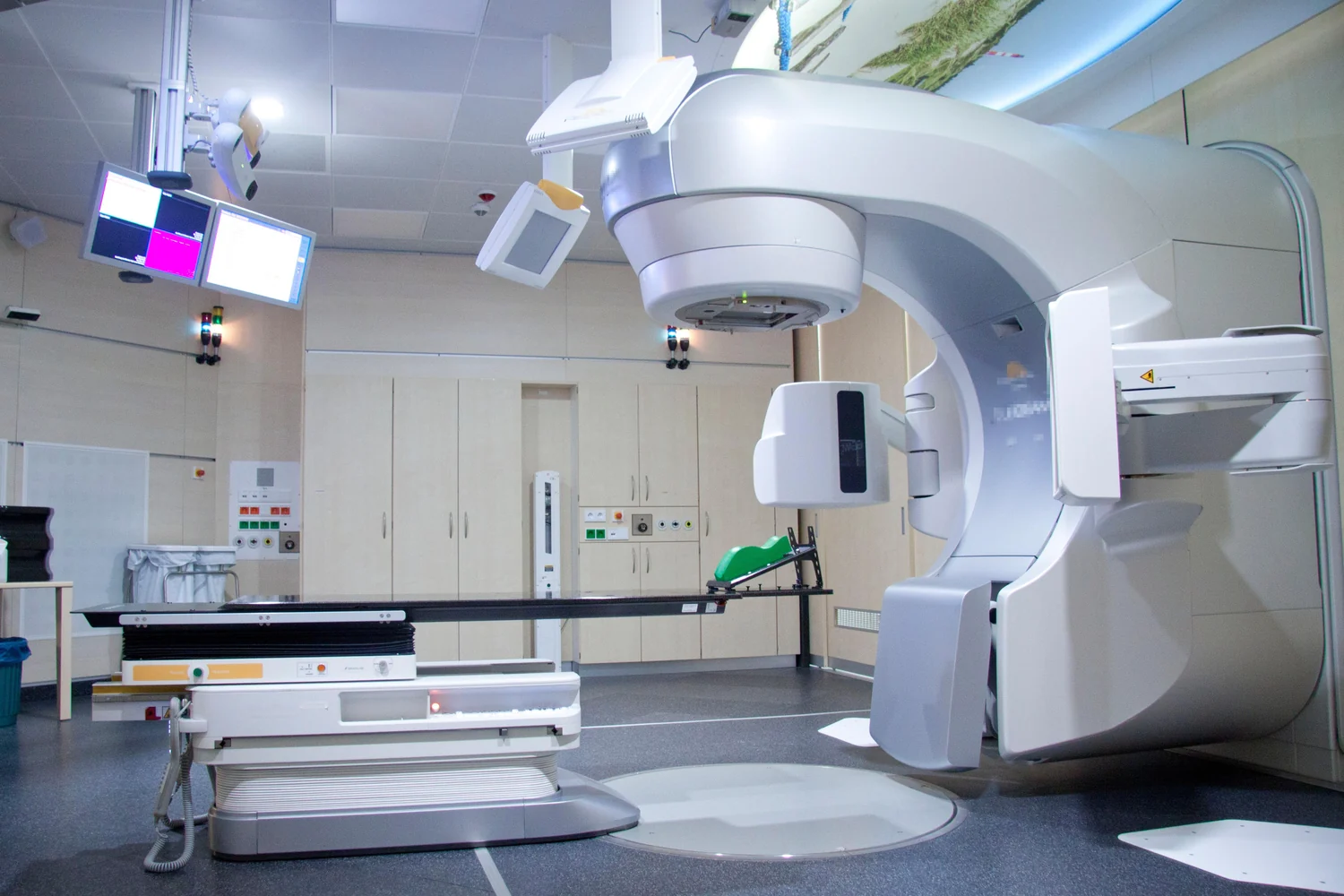
IMRT varies beam strength across many small regions and directs beams from several angles. Planning software uses images to shape the dose distribution, while healthy tissue along each beam path still matters.
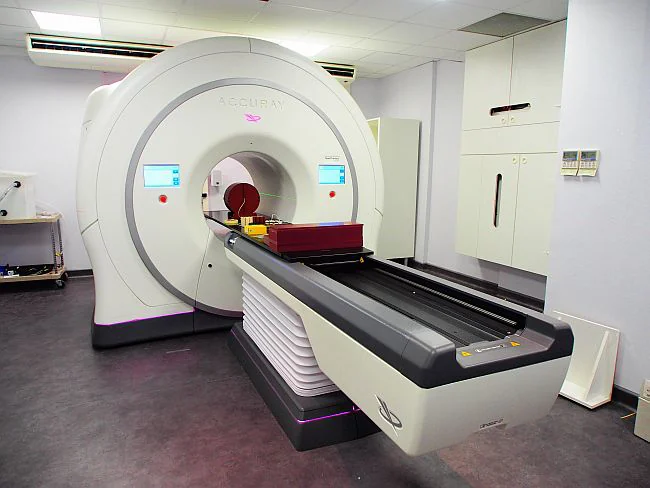
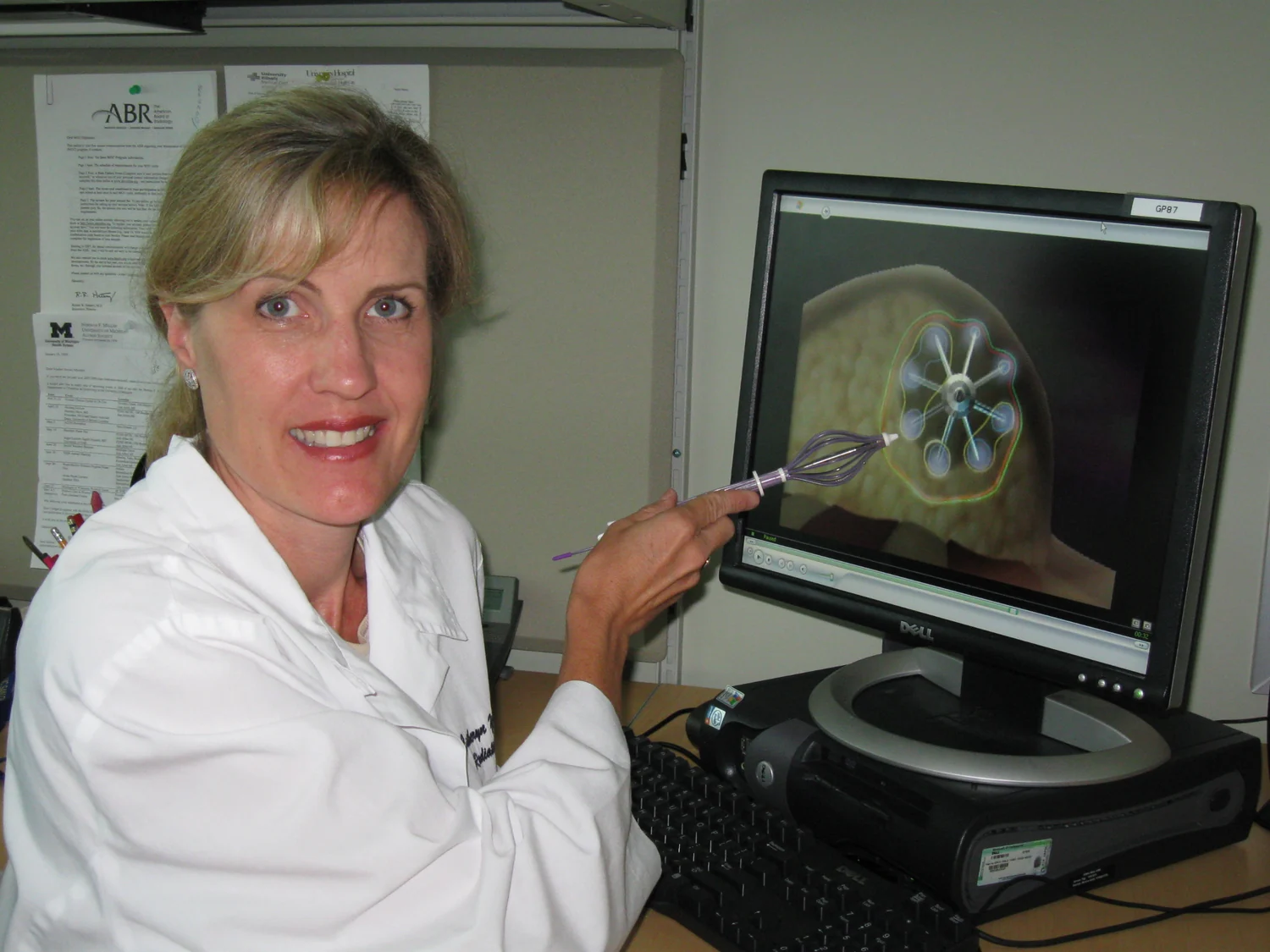
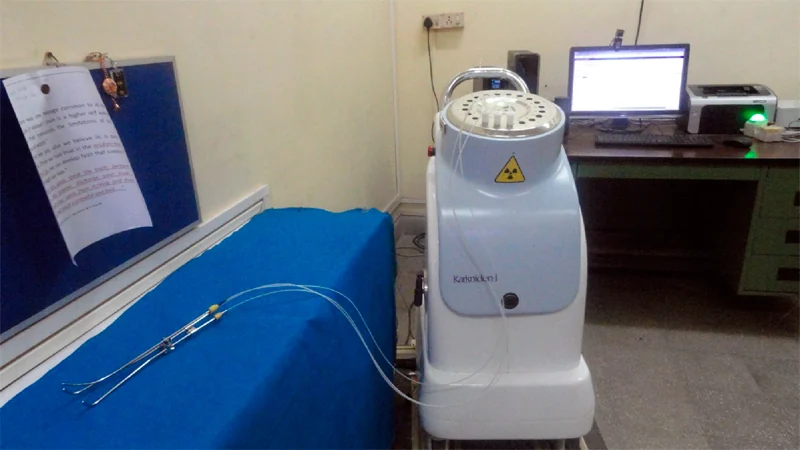
External beams and implanted sources can concentrate radiation in selected body regions, while some liquid treatments travel through the bloodstream. The difference depends on the source and route, and helps explain both targeting and effects on nearby tissue.
A radiation technology claim becomes meaningful when its target, dose delivery, comparison, and patient outcome are specified. Physics can explain a rationale; clinical evidence tests whether it helps.
Radiation can affect healthy cells near a tumor, so the body region receiving treatment helps shape the side effects. Beam design, dose schedule, and tissue recovery all influence what happens.
Radioactive decay is probabilistic: each nucleus has a chance to decay, while a sample’s expected activity falls by halves over time. The pattern approaches zero without specifying a final atom’s schedule.
Stereotactic treatments concentrate radiation where beams meet, using careful imaging and immobilization to manage small targets. Their precision has limits, especially when organs move or nearby healthy tissue is radiation-sensitive.
Radiation can shrink a tumor that presses on nearby structures, easing symptoms such as pain or breathing trouble. Its local physical effects and delayed biology explain both its use and its limits.
A radioactive tracer is useful because its decay can reveal where a molecule travels or deliver energy near a target. Its changing activity shapes when imaging is possible and how therapy is planned.
Radiation damages cellular DNA, but its effects unfold over time. Dividing a planned course into separate treatments can give healthy tissue opportunities to recover while clinicians deliver a carefully shaped dose to a target.
External beam treatment sends radiation from a machine into a planned region, while brachytherapy places a source inside the body. Understanding that physical difference explains why ordinary contact is safe after one treatment and precautions can matter with the other.
Radiopharmaceuticals pair a radioactive atom with a molecule that travels to or binds a chosen biological target. Their distribution can support imaging or deliver radiation, though targeting is selective rather than perfectly exclusive.
Radiation planning uses imaging, beam geometry, and treatment timing to concentrate dose at a target while limiting exposure to nearby normal tissue. The balance depends on anatomy, tumor motion, and beam type.
Radiation treatment depends on translating images and a clinical goal into a controlled pattern of energy delivery. Physics expertise helps shape, verify, and adapt that plan around a moving, living body.
Theranostics pairs a molecular target with imaging and therapeutic radioactive compounds. A scan can show whether a target is reached, while a related treatment delivers radiation; that logic guides selection but does not guarantee response.
Protons deposit energy differently from photons, creating a potential way to limit dose beyond a tumor. Their finite range makes accurate imaging, modeling, positioning, and attention to motion central to treatment planning.