How does a radiation beam reach a tumor while limiting exposure to nearby healthy tissue? The answer is a chain of measurements and calculations, not simply aiming a machine. A radiation physicist contributes expertise in how radiation behaves, how equipment delivers it, and how plans are checked. In external-beam treatment, images help define the target, computers calculate beam arrangements, and the patient’s position must be reproduced with care across sessions.
Turn anatomy into a treatment plan
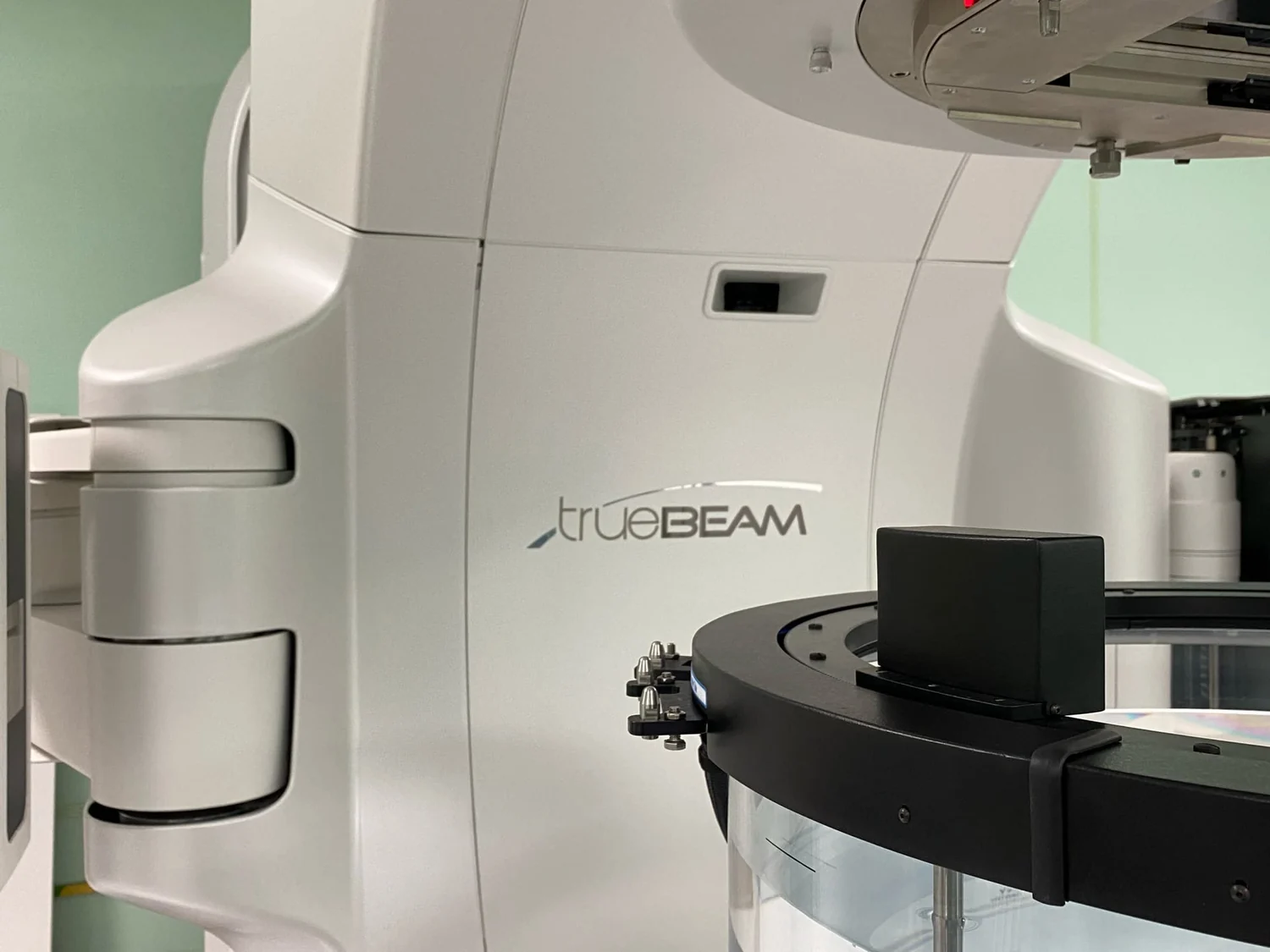
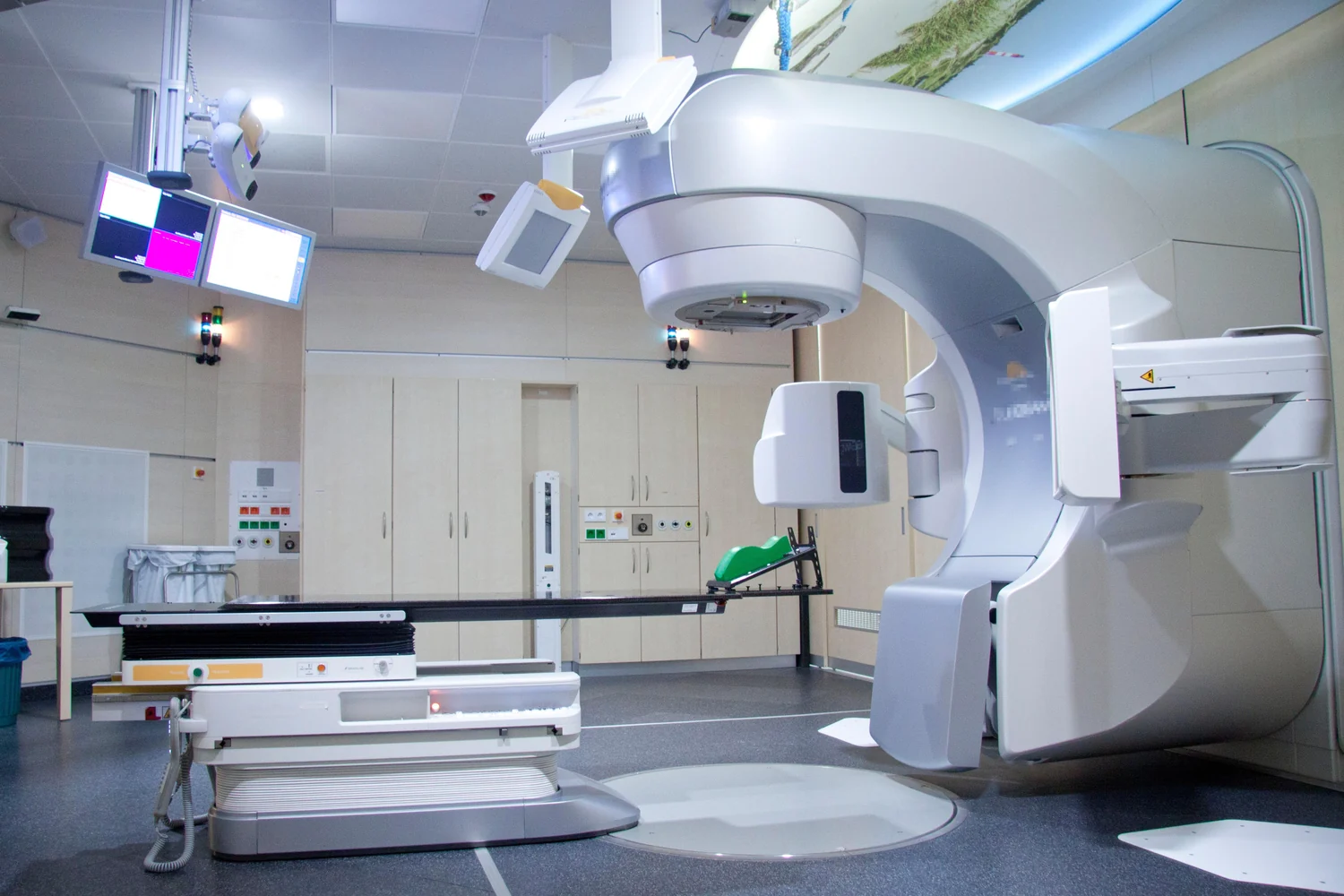
External-beam radiation comes from a machine that directs radiation toward a specific region. Treatment planning begins with images that show the tumor and surrounding anatomy. A computer uses those images to calculate a treatment path and dose distribution, with the goal of delivering the prescribed dose to the tumor while sparing nearby normal tissue as much as possible [1]. A radiation physicist contributes to the technical side of this process, including the accuracy of calculations and delivery systems.
The distinction between beam types illustrates why physics matters. Photon beams can reach deep tumors but scatter along their path and continue beyond the target. Proton beams can stop after reaching a planned depth, which may reduce exposure to some normal tissues, though comparative clinical trials are underway and equipment is costly. Electrons do not travel deeply through tissue, so their use is more limited to surface or near-surface tumors [1].
Shape the dose from several directions
A beam entering from one direction passes through tissue before it reaches the tumor. One way to distribute dose is to use beams from multiple directions, so their paths converge at the target. Three-dimensional conformal treatment uses images to shape beams to the tumor geometry. Intensity-modulated radiation therapy (IMRT) divides delivery into many smaller beam segments whose strengths can vary, allowing different parts of the target to receive different intensities [1].
The physicist’s work supports the calculations behind those patterns and the machine’s ability to reproduce them. For example, a tumor near a sensitive organ creates a planning problem: the team must consider where energy enters, how much reaches the target, and what passes beyond it. No plan can make biological tissue behave like a perfectly fixed object, but careful modeling can make delivery more controlled and measurable.
Keep position and equipment aligned
A treatment plan assumes a defined relationship between the patient, tumor, and machine. Simulation images, skin marks, masks, or body molds can help reproduce that position. Image-guided radiation therapy adds scans during treatment sessions; software can detect changes in tumor size or location and allow position or dose adjustments when needed [1]. A physicist contributes to the imaging and measurement systems that make these comparisons meaningful.
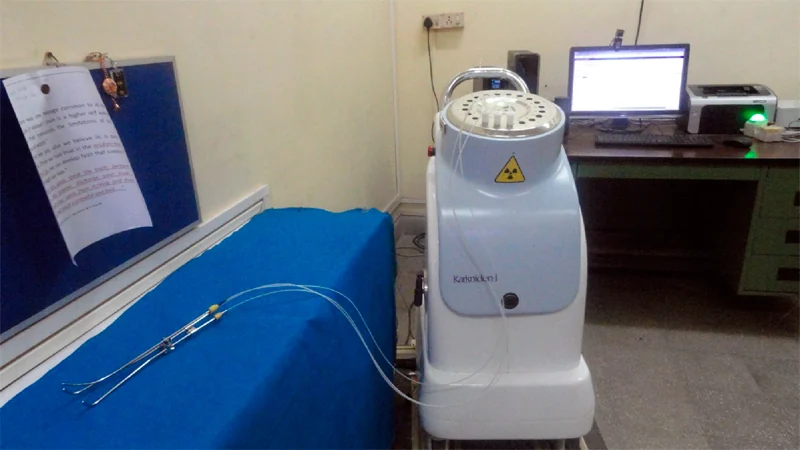
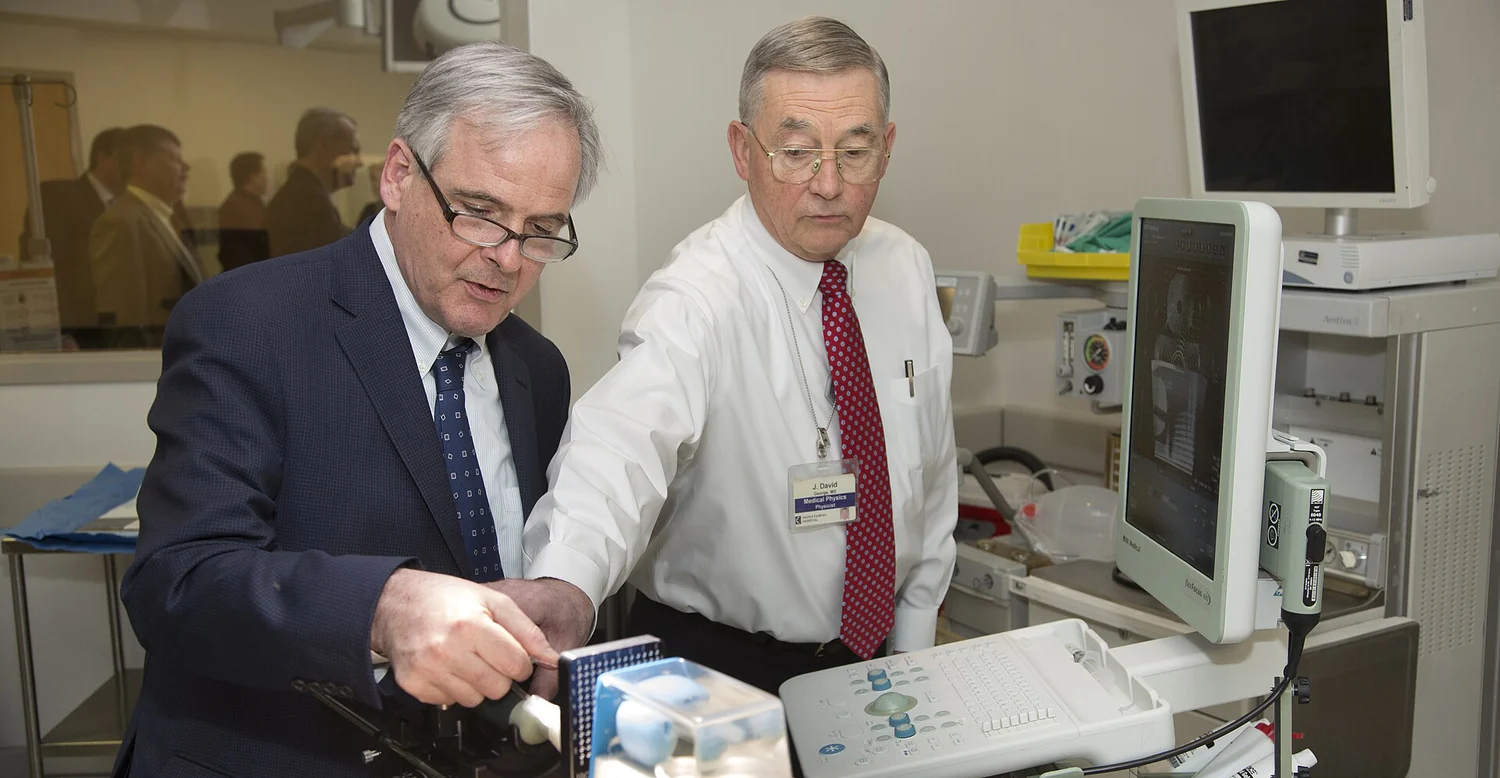
Quality checks matter because a calculated plan is only useful if the equipment delivers it as intended. Medical devices can monitor, modulate, or supplement body functions; they range from implanted pacemakers to wearable sensors [2]. In radiation treatment, complex machines and software similarly convert a plan into physical delivery. The physicist’s role is part of a larger clinical team that includes radiation oncologists and therapists, each contributing distinct expertise.
Precision includes uncertainty
Bodies move. Breathing can shift a lung tumor; digestion can alter the position of structures in the abdomen. That movement makes targeting less exact than in a rigid object. Stereotactic body radiation therapy uses specialized positioning and precise beams for selected small tumors outside the brain, but respiratory and other motion can mean treatment is divided across more than one dose [1]. Planning must account for the fact that anatomy varies over time.
Radiation works by damaging DNA, and affected cancer cells may stop dividing or die over days to weeks, with effects continuing after treatment ends [1]. The physicist helps answer a technical question—where and how energy is delivered—while clinical decisions about whether treatment is appropriate and what outcomes matter belong to the care team and patient. The contribution is consequential precisely because it turns abstract physics into a checked, repeatable treatment process.
Sources & further reading
- External Beam Radiation Therapy National Cancer Institute
- Medical Device Technologies NIBIB
Prepared for the independent PSI Center reading library. About edition dates and source checking.
This explainer describes scientific principles. It does not assess individual treatment choices.