Why might radiation treatment leave one person with a sore throat and another with irritated skin? The answer begins with geography. Radiation therapy is aimed at a particular cancer region, and healthy cells near that target can also be affected. The tissues in the beam’s path help determine which side effects are possible. A treatment field near the mouth has different neighboring structures from one in the chest or pelvis. The physical plan—where energy is delivered, and how often—therefore matters alongside the general fact that radiation damages cells.
A local treatment has local neighbors
Radiation therapy works against cancer by damaging cellular DNA, the instructions cells use when dividing. Cancer cells whose DNA is damaged beyond repair may stop dividing or die, but nearby healthy cells can also be injured. That healthy-cell damage is one cause of side effects [1]. The important point is that a beam does not encounter an abstract body: it passes through particular tissues, each with its own function and sensitivity.
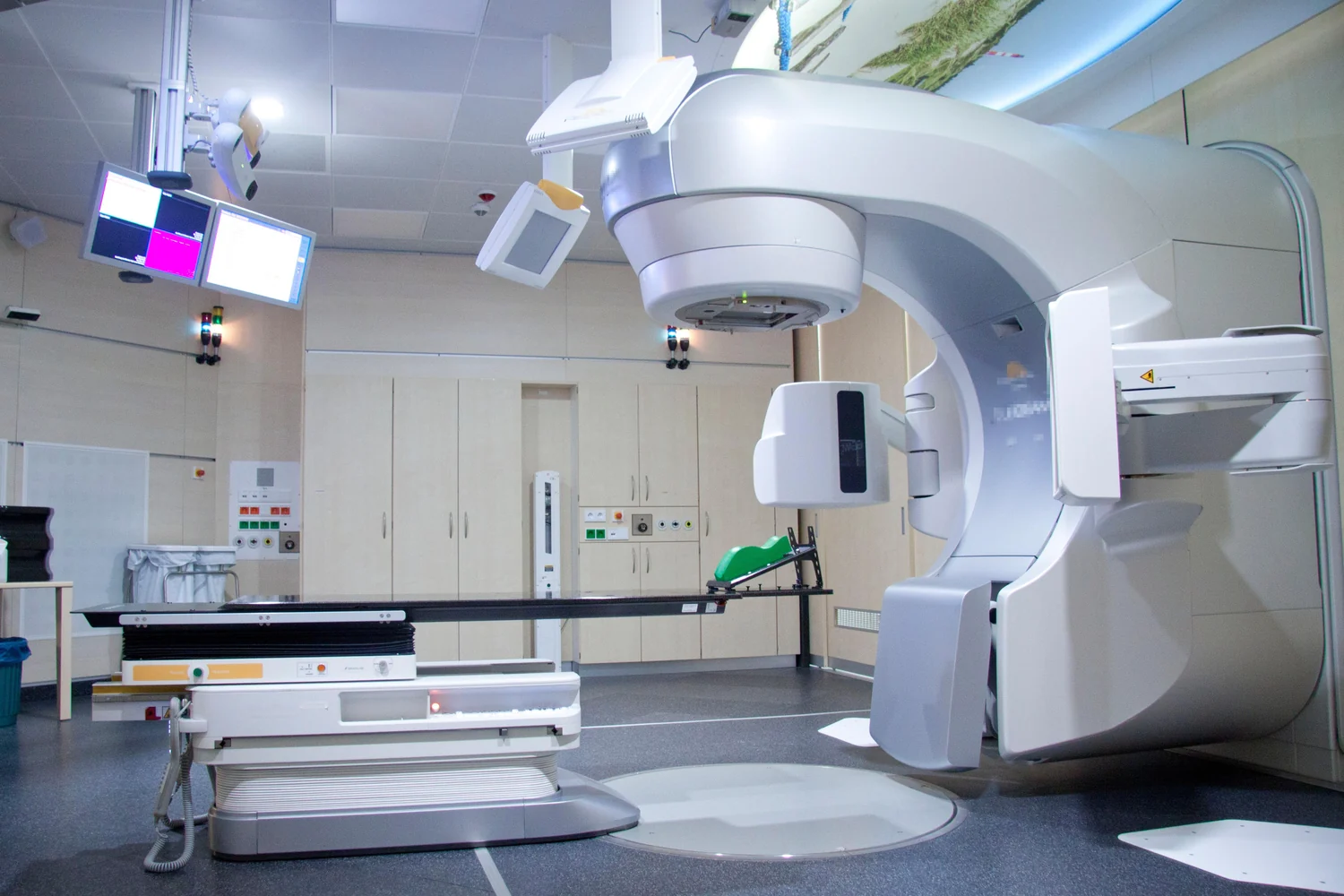
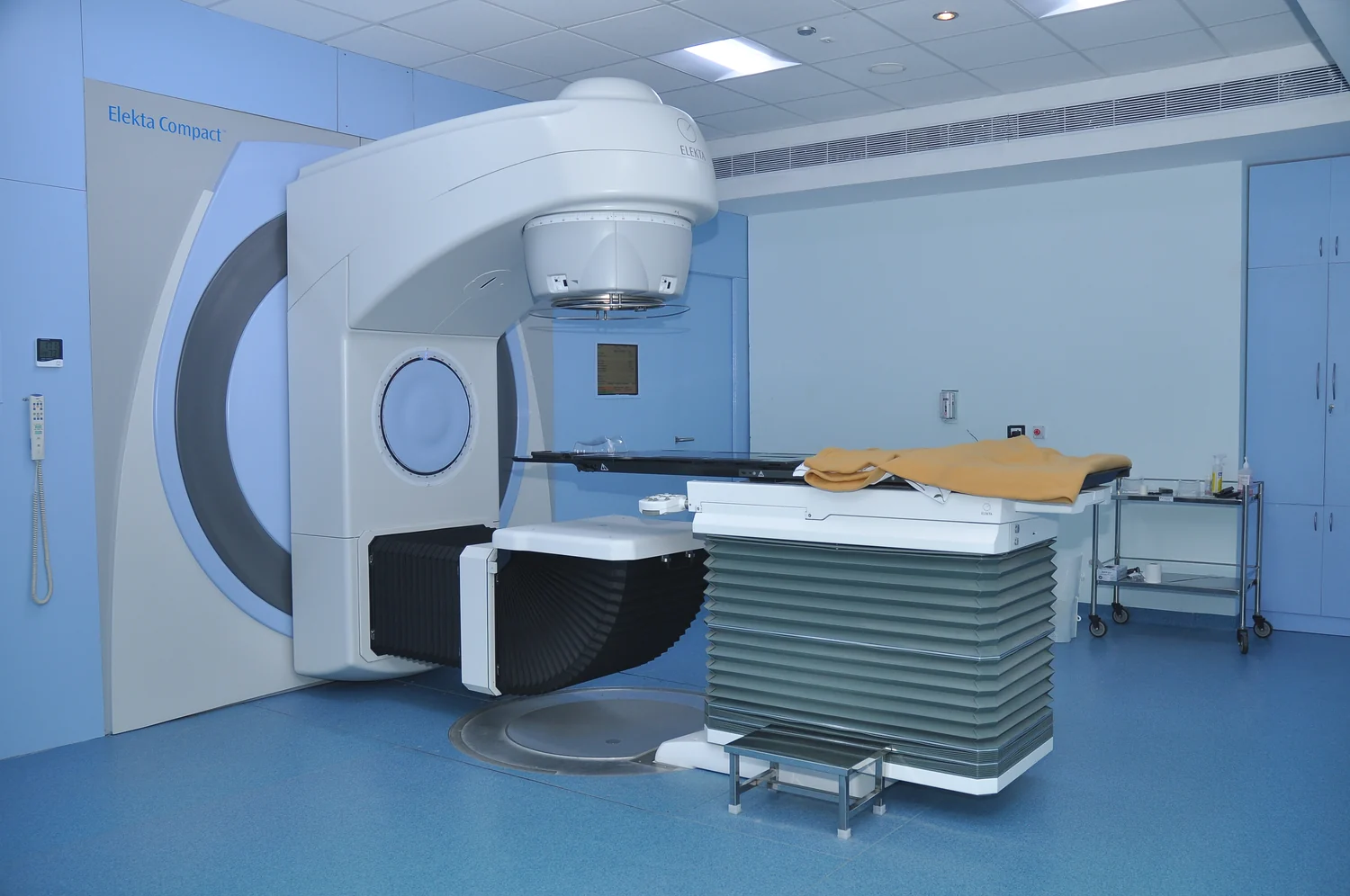
External beam radiation is a local treatment. A machine aims radiation at a defined region; treating a lung cancer, for example, means directing treatment to the chest rather than irradiating the whole body [2]. Yet local does not mean that only tumor cells receive energy. Some healthy tissue lies along the route or near the target. A useful mental picture is a spotlight passing through a room: aiming at one object limits the illuminated area, but nearby objects can still receive light.
The treated tissue shapes the experience
A region’s normal functions offer clues about the kinds of problems that may arise. Radiation involving the mouth or throat can affect tissues used for swallowing, while treatment near the chest can involve structures there. The National Cancer Institute notes that radiation may cause nausea, mouth sores, and throat problems such as esophagitis, which can make eating difficult [1]. Such examples are not a universal checklist: the precise field and treatment plan determine which tissues are exposed and how much.
The same broad treatment can therefore produce different experiences. Two people receiving radiation may have different target locations, tumor sizes, nearby organs, treatment goals, and health histories. Even a single person’s side effects can change over the course of treatment. Radiation does not kill all affected cells immediately; damage accumulates, and cancer cells may continue dying for weeks or months after treatment ends [1]. Tissue effects also unfold over time, rather than appearing as a simple instant response.
Beam geometry changes exposure
Treatment planning uses images to define the target and calculate a path for the beam. Three-dimensional conformal radiation shapes beams to the tumor and can deliver them from multiple directions. Intensity-modulated radiation therapy uses many smaller beams and varies their strength across portions of the treatment. Image-guided approaches add scans during sessions, helping detect shifts in tumor size or position and allowing adjustments that may help spare normal tissue [2].
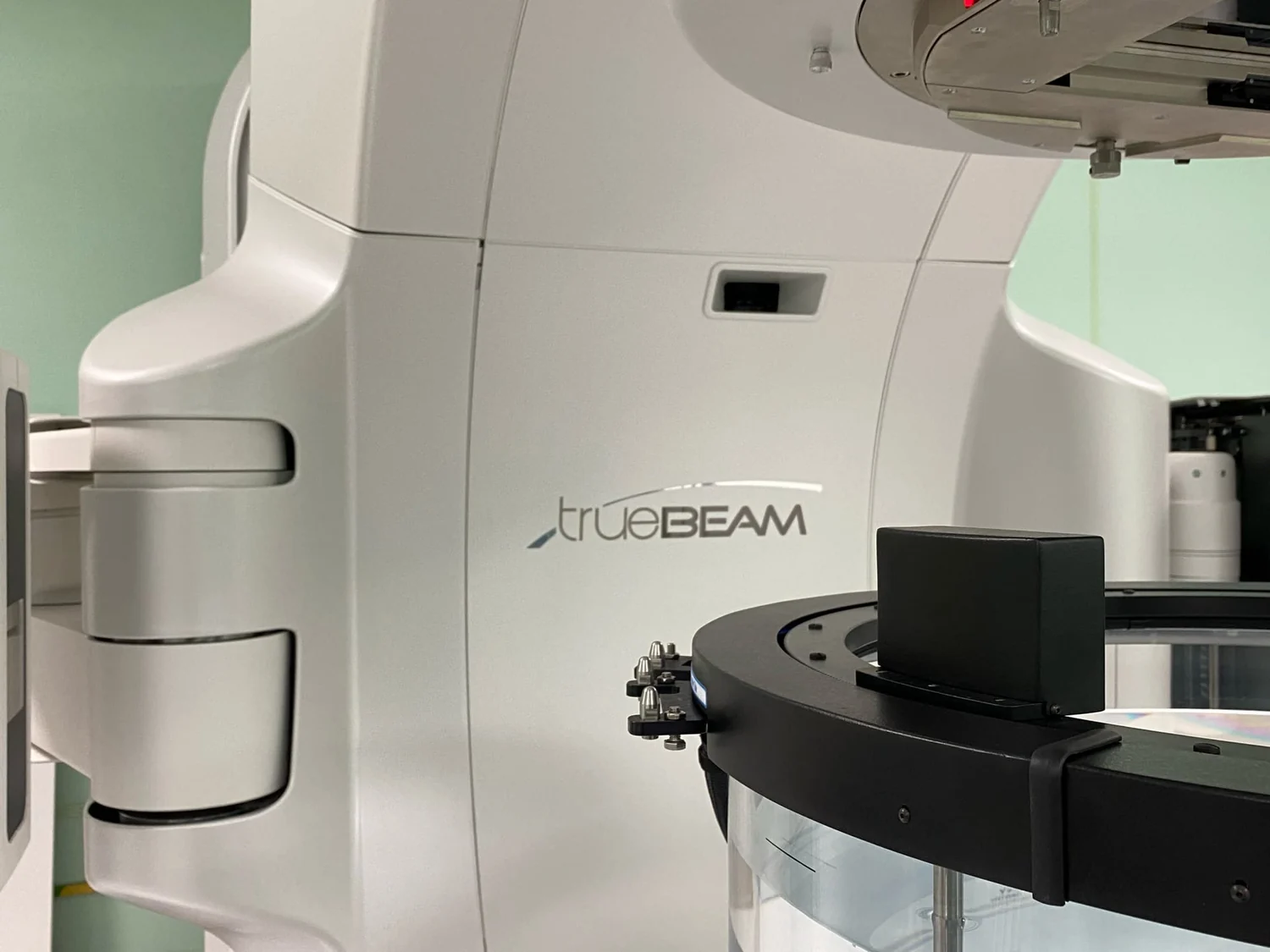
Different radiation types also distribute energy differently. Photon beams can reach deep tumors, but some radiation scatters along their route and beyond the target. Proton beams stop once they reach the tumor, and doctors think this could reduce exposure of normal tissue; clinical trials compare their effects with photon treatment [2]. These details explain why treatment region and beam design are linked. Neither a beam’s name nor a more complex machine guarantees that a person will avoid side effects; the anatomy and plan remain central.
Time between treatments matters
External beam treatment is often delivered in a series of sessions. Dividing the total course into treatments allows healthy cells time to recover and can make radiation more effective [2]. Fractionation—the division of a total dose into separate treatments—creates a time pattern as well as a spatial pattern. The interval between exposures affects how cells respond, which is one reason schedules are tailored to the cancer, treatment purpose, and target.
This helps explain why side effects cannot be predicted from the word radiation alone. The target’s location identifies which healthy tissues are nearby; the beam plan influences how much energy reaches them; and the schedule shapes the repeated exposure. Treatment can be used to control cancer or ease symptoms, and those aims influence planning [1]. A careful understanding of side effects starts with the physical map of the treatment field, then considers the biology of the tissues in and around it.
Sources & further reading
- Radiation Therapy to Treat Cancer National Cancer Institute
- External Beam Radiation Therapy National Cancer Institute
Prepared for the independent PSI Center reading library. About edition dates and source checking.
This explainer describes scientific principles. It does not assess individual treatment choices.