How can a sterilizing agent reach the inside of a tube that is barely wider than a hair? The challenge is not simply filling a chamber with sterilant. The agent must travel into every relevant space, contact contaminated surfaces, and do so under conditions that reliably inactivate microorganisms. Long, narrow channels make those steps harder to guarantee.
The hidden surface inside a tube
A lumen is the hollow channel inside an instrument such as a scope or catheter. Its interior is a surface that needs processing just as much as the outside. Yet a long narrow passage restricts how readily a sterilant can enter, move along the channel, and contact its walls. A chamber can appear full of sterilant while a difficult-to-reach part of a device receives less exposure than intended.
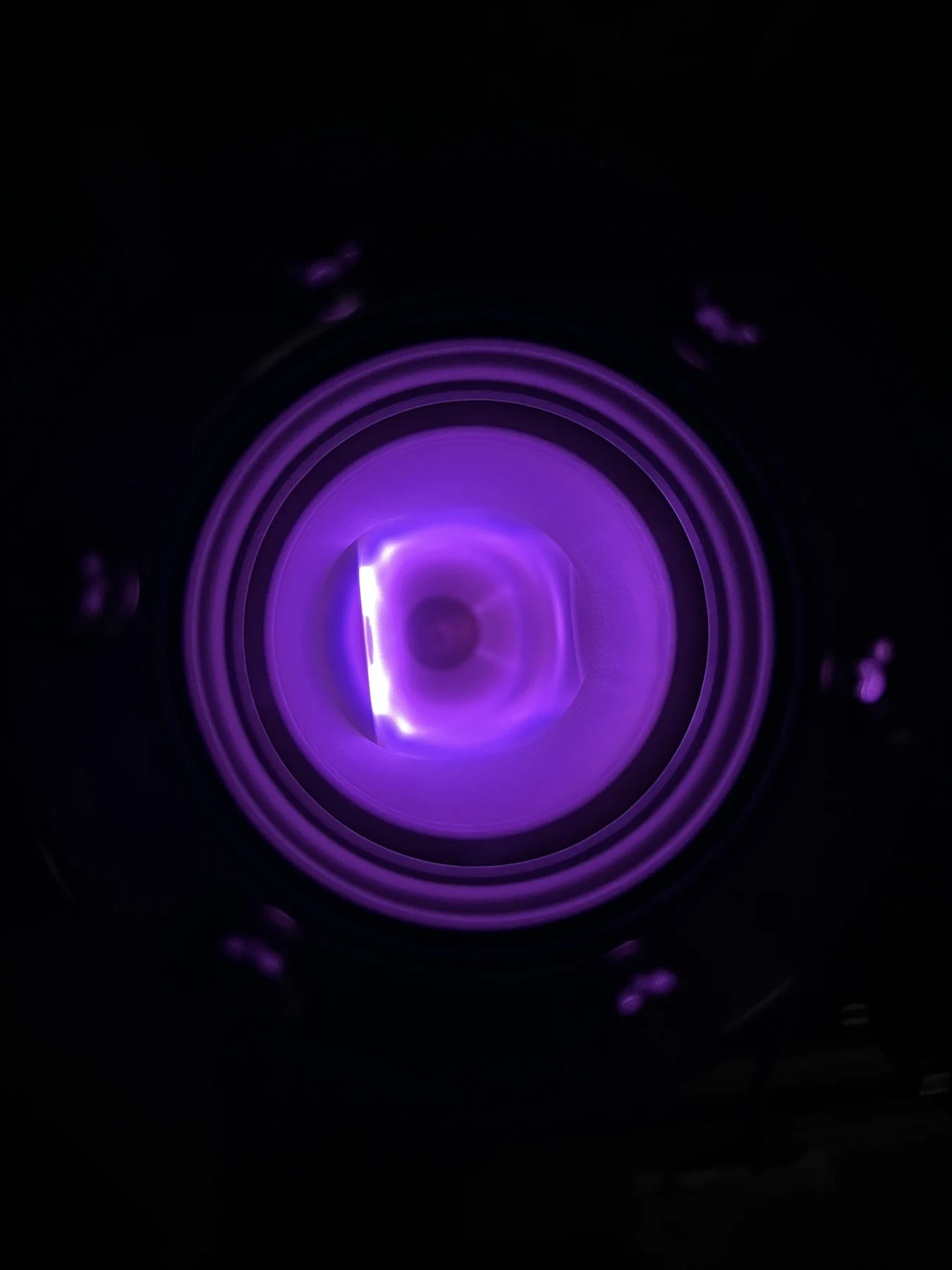
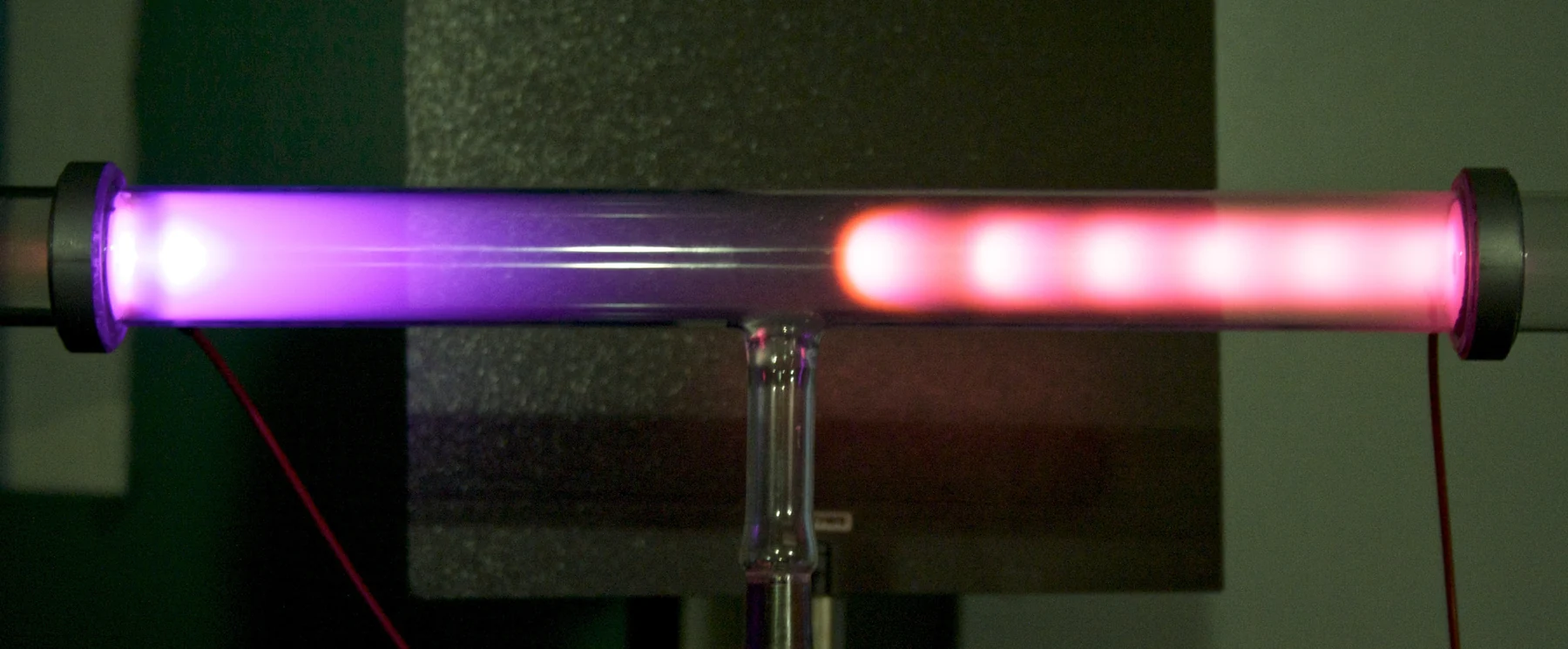
Hydrogen peroxide gas-plasma sterilization illustrates the issue. In a vacuum chamber, vaporized hydrogen peroxide diffuses through the load; radio-frequency energy then creates plasma and reactive free radicals that contribute to microbial inactivation [1]. The process is intended for certain heat- and moisture-sensitive devices. But efficacy can be affected by lumen length and diameter, as well as by organic material and inorganic salts [1].
Why preparation changes the result
Sterilization begins before the device enters the machine. Blood, tissue, salts, and other residue can physically interfere with the sterilant's access to a surface. CDC guidance therefore describes cleaning with water and detergent or enzymatic cleaner before processing; cleaning lowers the bioburden and removes material that can act as a barrier [2]. A device that looks clean may still hold debris in a hinge, groove, or junction.
Complex instruments may need to be disassembled, and hinged parts opened, so surfaces are exposed during processing [2]. This is a geometry problem as much as a chemistry problem. Think of trying to wash a narrow-necked bottle: rinsing the outside tells little about whether the interior has been reached. In clinical reprocessing, device-specific instructions and validated cycle conditions matter because the shape and materials determine what the sterilant can contact.
Diffusion is not a guarantee
Molecules move from regions of higher concentration toward lower concentration, a process called diffusion. In a sterilizer, vapor movement and changes in pressure help distribute hydrogen peroxide through the chamber and load. But a long, small-bore lumen poses resistance to that movement. The CDC describes a diffusion enhancer used outside the United States for some long or narrow lumens, while noting that the enhancer described is not FDA-cleared [1]. That detail underscores that a proposed way to improve penetration is not automatically an approved or appropriate cycle.
Moisture can also disrupt the process. The CDC account says that if objects are wet, the vacuum may not be achieved and the cycle aborts [1]. A failed cycle is not a minor inconvenience: it means the intended conditions were not reached. Temperature, pressure, sterilant quantity, exposure time, load configuration, and device compatibility all contribute to whether a cycle can do its job.
Verification includes the whole system
A successful sterilization process depends on more than a machine's display. CDC guidance includes equipment design, cleaning, disassembly, packaging, loading, cycle choice, monitoring, and operator competence among the elements supporting sterile products [2]. Packaging must permit sterilant penetration while protecting the item afterward from contamination. The cycle must also match the items in the load.
Biological and chemical indicators are used to test and monitor sterilization processes [2]. They address different questions: indicators provide evidence about process conditions or microbial inactivation, while careful preparation ensures the agent can reach the target in the first place. For a narrow channel, the central question is therefore not merely whether sterilant entered the chamber, but whether the particular device, prepared and loaded as specified, received a verified effective process.
Sources & further reading
Prepared for the independent PSI Center reading library. About edition dates and source checking.
This explainer describes scientific principles. It does not assess individual treatment choices.