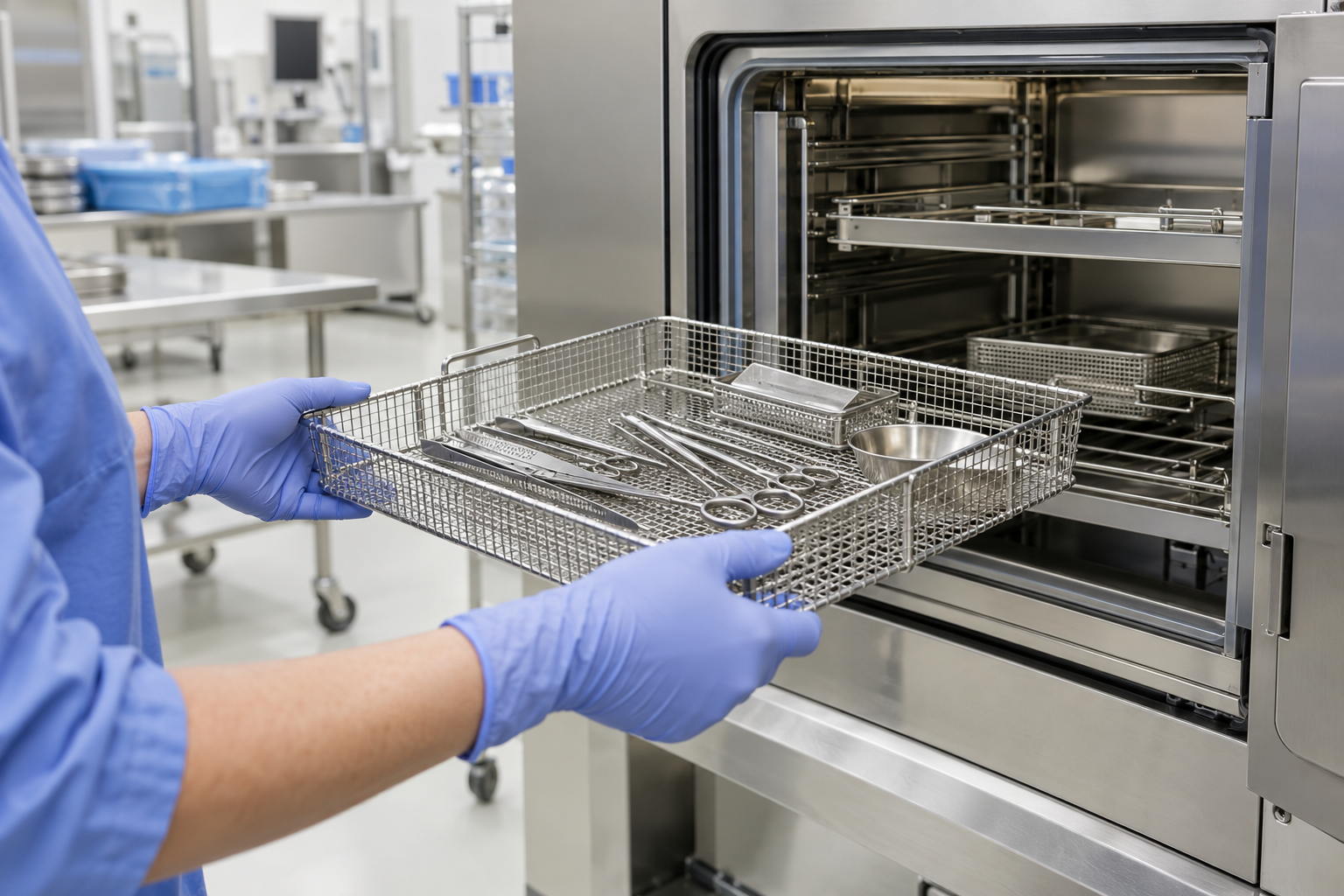
Why must a surgical instrument be cleaned before it enters a plasma sterilizer? Because a sterilizing process can only act where it can reach, and dried blood or other residue can hide microorganisms or obstruct the treatment. Hydrogen peroxide gas plasma is a low-temperature method for compatible devices, but it does not erase the need for careful preparation. The sequence is part of the physics and chemistry of control.
Residue can make a barrier
Cleaning means removing foreign material such as soil and organic matter from an object, generally using water with detergent or enzymatic products. It is required before high-level disinfection and sterilization because material left on an instrument can interfere with those processes. If soil dries or bakes onto a surface, it becomes harder to remove and can make subsequent disinfection or sterilization less effective or ineffective. [1]
Picture a thin smear of dried organic material over a narrow groove. Even if a sterilant reaches the instrument’s outer surface, the smear may shield what lies underneath or make access to the groove more difficult. This is why instrument design, joints, internal channels, and visible cleanliness matter. CDC guidance emphasizes thorough cleaning as a prerequisite, not as an optional polishing step after sterilization. [1]
What gas plasma does
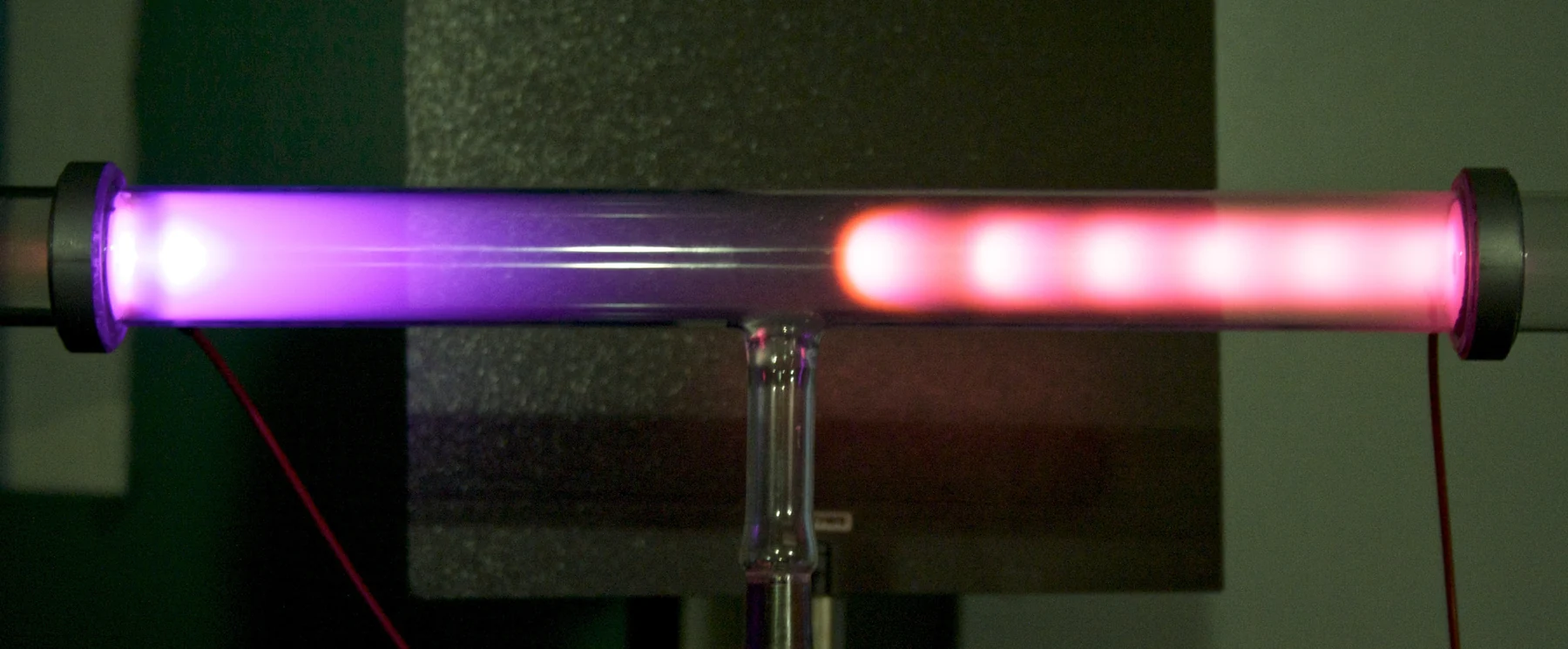
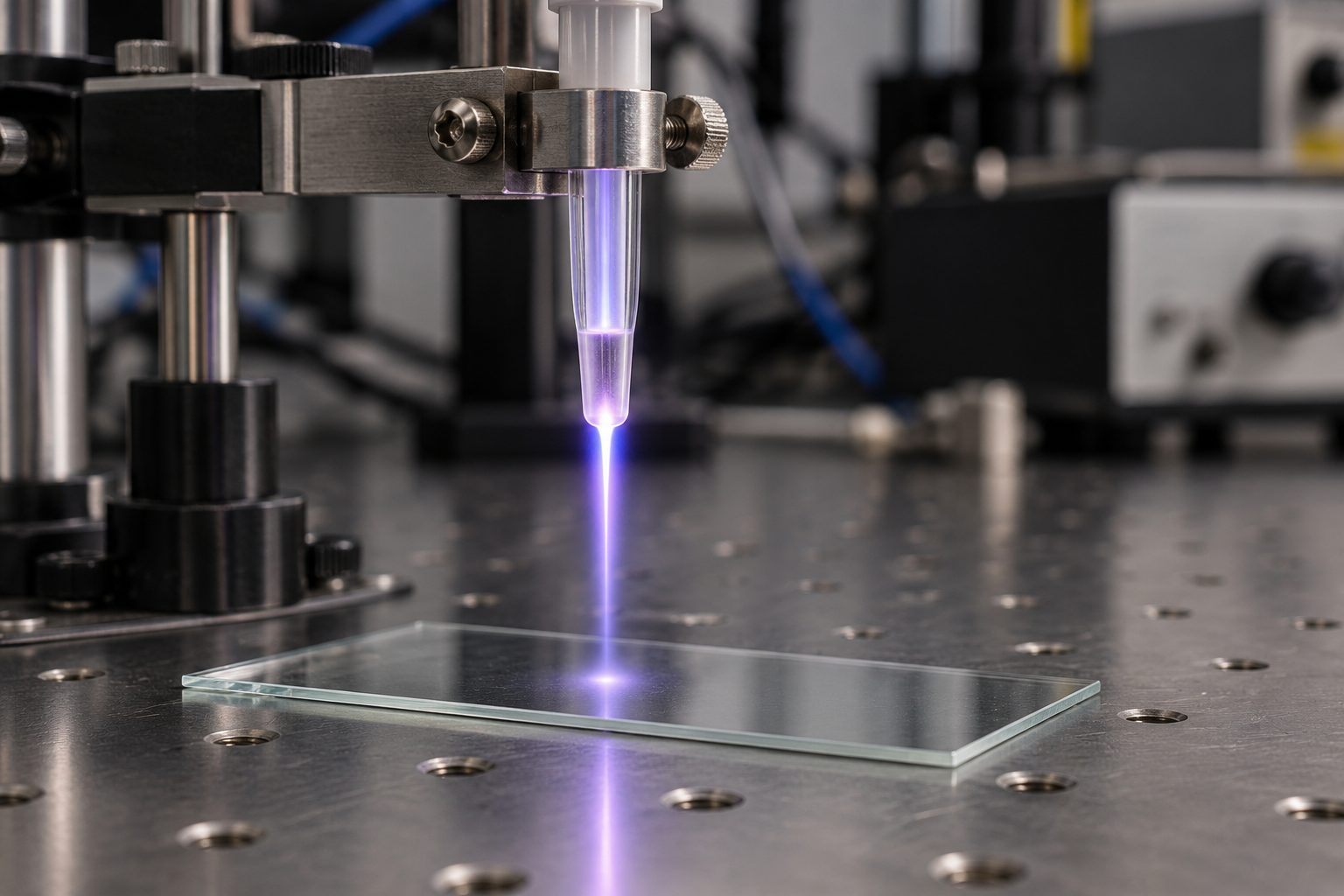
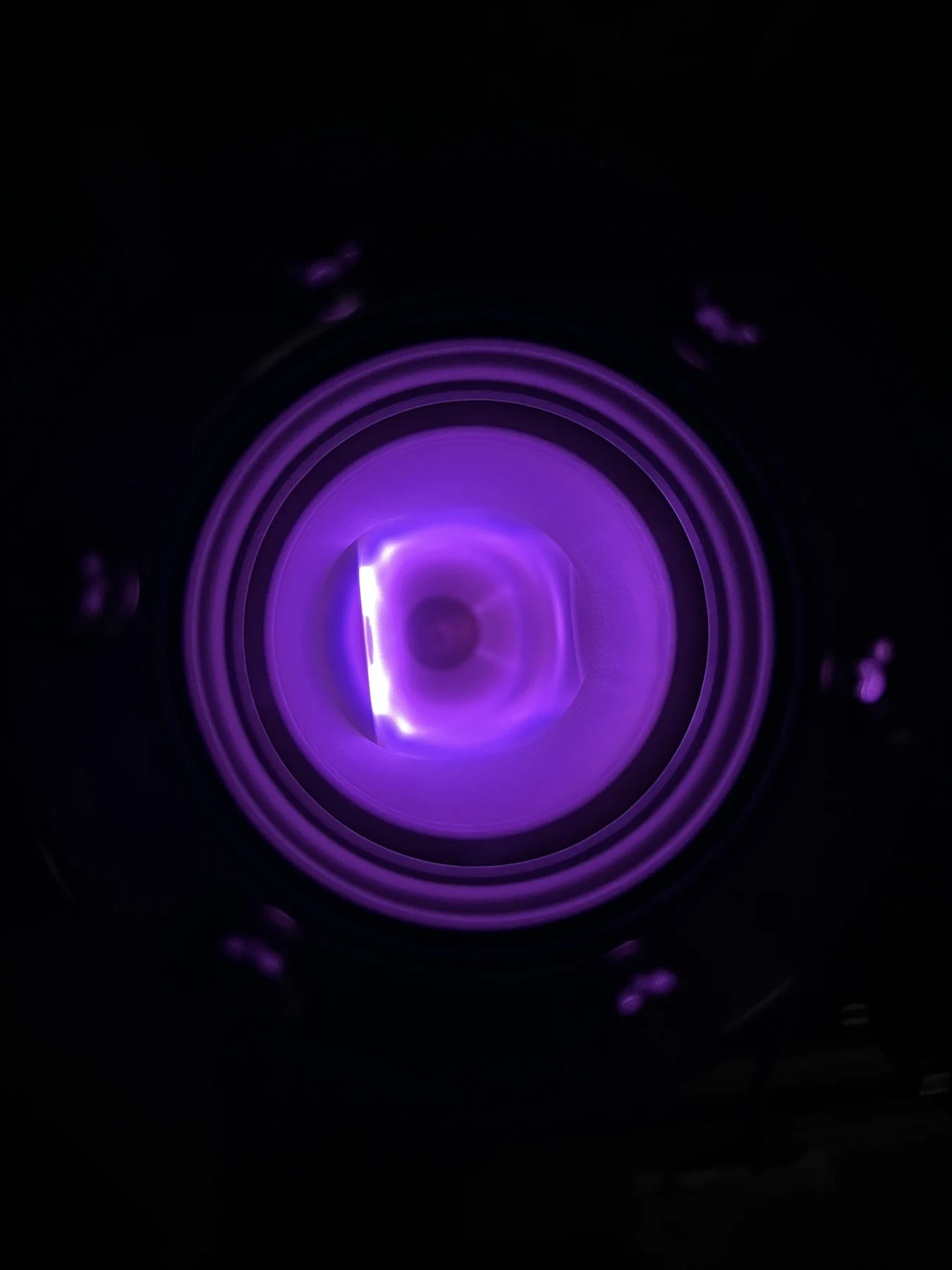
In hydrogen peroxide gas plasma sterilization, a chamber is evacuated and hydrogen peroxide is introduced as vapor. Radiofrequency energy creates a plasma containing charged particles and reactive free radicals—atoms or molecules with an unpaired electron. These reactive species can disrupt essential components of microorganisms, including enzymes and nucleic acids. The process combines hydrogen peroxide gas exposure with radical generation during the plasma phase. [2]
The CDC describes this method as useful for materials that cannot tolerate high heat and humidity, including some plastics, electrical devices, and corrosion-susceptible metal alloys. The cited process operates at relatively low temperatures compared with steam sterilization, and its by-products include water vapor and oxygen. Its suitability depends on the specific device and process conditions; it is not a universal method for every instrument. [2]
Why the order matters inside a device
A long, narrow channel makes the logic especially clear. A sterilant must penetrate the channel and contact the relevant surfaces. But organic material or inorganic salts can alter the effectiveness of hydrogen peroxide gas plasma, and channel dimensions also matter. Cleaning removes material that could obstruct or undermine the later exposure; sterilization then addresses microorganisms that remain on the prepared device. [2] [1]
This is a sequence of different tasks, not two names for the same task. Detergents and enzymes help loosen or break down soil; enzymes are not themselves disinfectants. The sterilization cycle uses a validated physical and chemical process to inactivate microorganisms. Treating cleaning as a separate operation prevents a common conceptual mistake: assuming a powerful final step can compensate for inaccessible contamination. [1]
Preparation is part of the process
Cleaning may be manual, using friction and fluid flow, or mechanical, using equipment such as washer-disinfectors. Instruments with hinges need to be opened, and devices should be arranged so cleaning fluid can contact their surfaces. For delicate instruments, suitable detergents and materials matter; residues from cleaning solutions also need rinsing according to the applicable instructions. [1]
Hydrogen peroxide gas plasma has limitations as well. Moisture can prevent the required vacuum from being achieved, causing a cycle to abort, and effectiveness can vary with lumen length, diameter, salts, and organic matter. These constraints explain why sterilization is a controlled reprocessing workflow rather than a machine-only event. The sterilizer’s reactive chemistry works best after the physical obstacles have been removed. [2]
Sources & further reading
Prepared for the independent PSI Center reading library. About edition dates and source checking.
This explainer describes scientific principles. It does not assess individual treatment choices.