If a medical device is processed at a temperature near body warmth, does that make the process harmless? The question exposes a common trap in thinking about plasma: temperature is only one part of the physics. A gas can contain reactive particles even when it is not hot, and different plasma technologies can have entirely different jobs. In health care, distinguishing what a device does, what it touches and what has actually been tested matters more than the label alone.
A gas with active ingredients
In ordinary air, atoms and molecules are mostly electrically neutral. Give a gas enough energy, however, and some electrons separate from atoms or molecules. The resulting mixture of charged particles and neutral particles is called plasma. It is sometimes described as a fourth state of matter, but that phrase can make it sound like one uniform substance. Plasma differs according to the gas, how it is energized, pressure, and the surfaces or tissues it encounters.
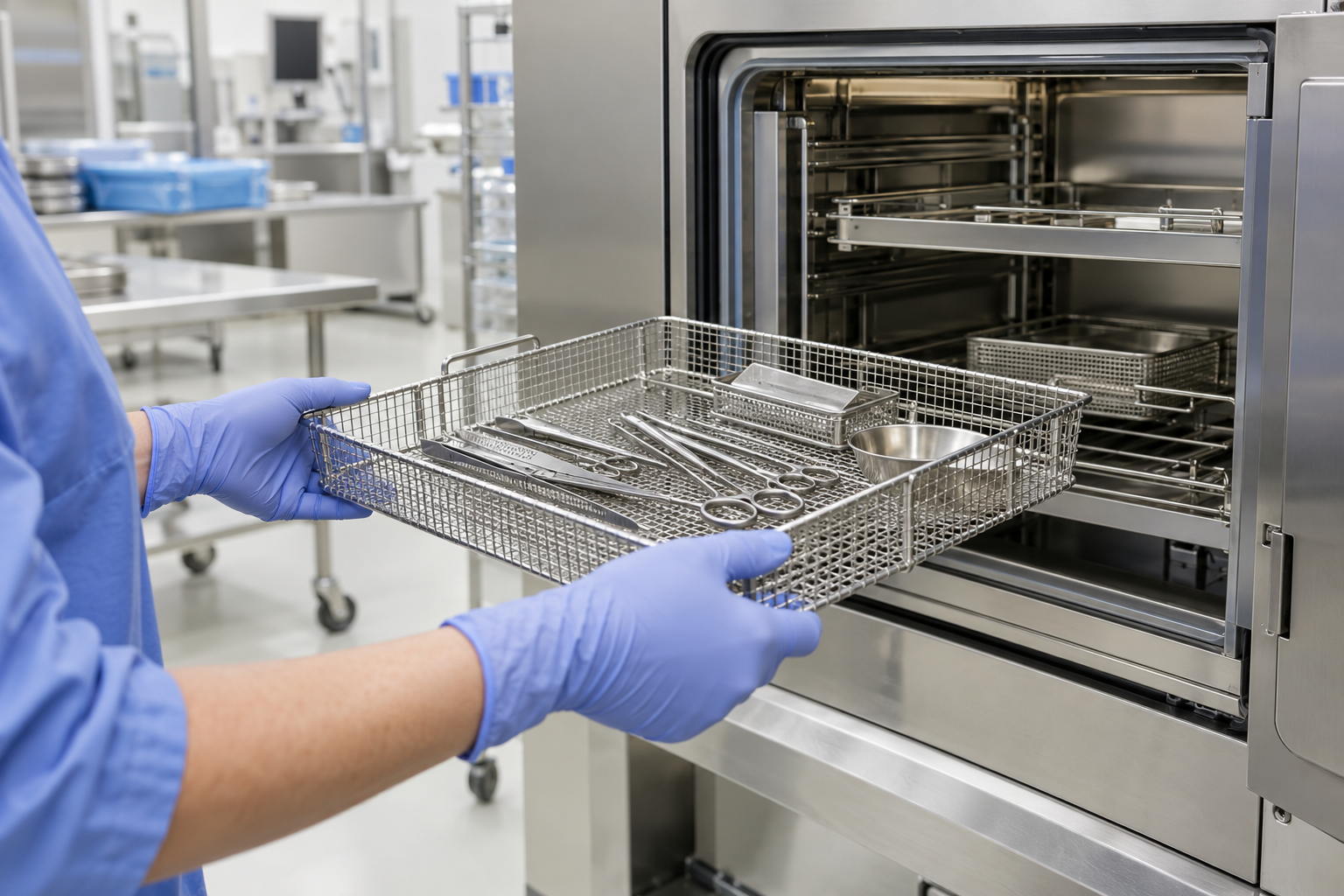
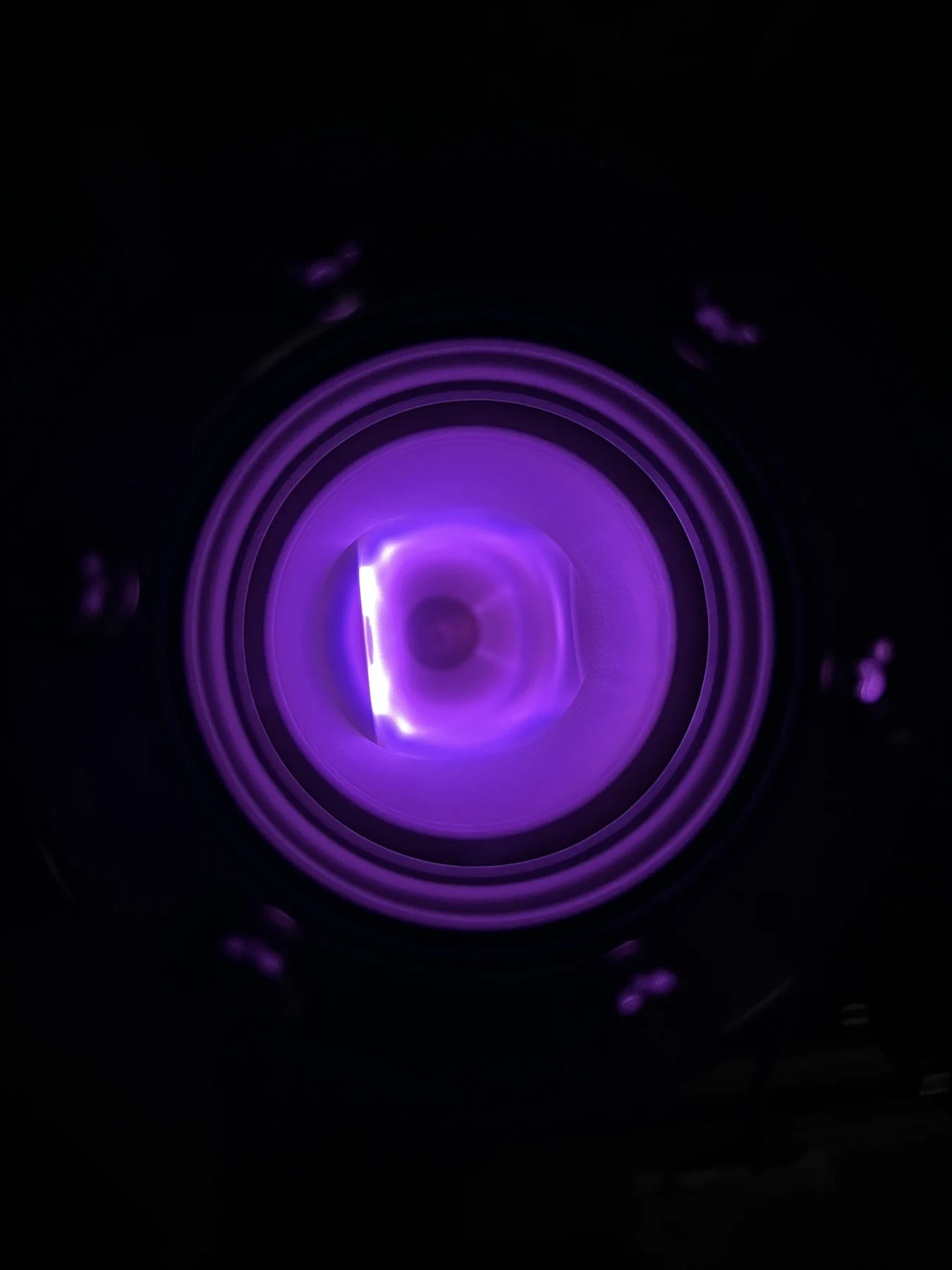
Hydrogen peroxide gas-plasma sterilizers illustrate the point. In an enclosed, evacuated chamber, radio-frequency or microwave energy helps create a plasma containing reactive free radicals—chemical species that can interact with other molecules. The sterilizing action combines hydrogen peroxide gas with radicals that disrupt essential components of microorganisms. The cycle is designed to process certain heat- and moisture-sensitive medical devices, not to treat a patient’s wound. [1]
Cool does not mean chemically inactive
The CDC describes hydrogen peroxide gas-plasma sterilization as operating around 37–44°C. That comparatively low temperature helps make the method suitable for some devices that cannot tolerate hotter, humid processing. But temperature alone does not explain why microbes are inactivated: reactive chemistry is central, and the details of the chamber, gas, pressure and load affect performance. Even a sterilization cycle can fail to work as intended if conditions such as moisture prevent the required vacuum. [1]
A useful mental experiment is to compare two cups of water at the same temperature: one contains an inert dissolved substance, the other a reactive one. Their thermometers match, but their chemistry does not. Plasma safety raises the same distinction. Low bulk temperature can limit heat damage while leaving chemical effects that need careful control. The relevant questions include which reactive species are produced, how long they persist, what dose reaches a target and whether nearby material changes.
A wound device is a different proposition
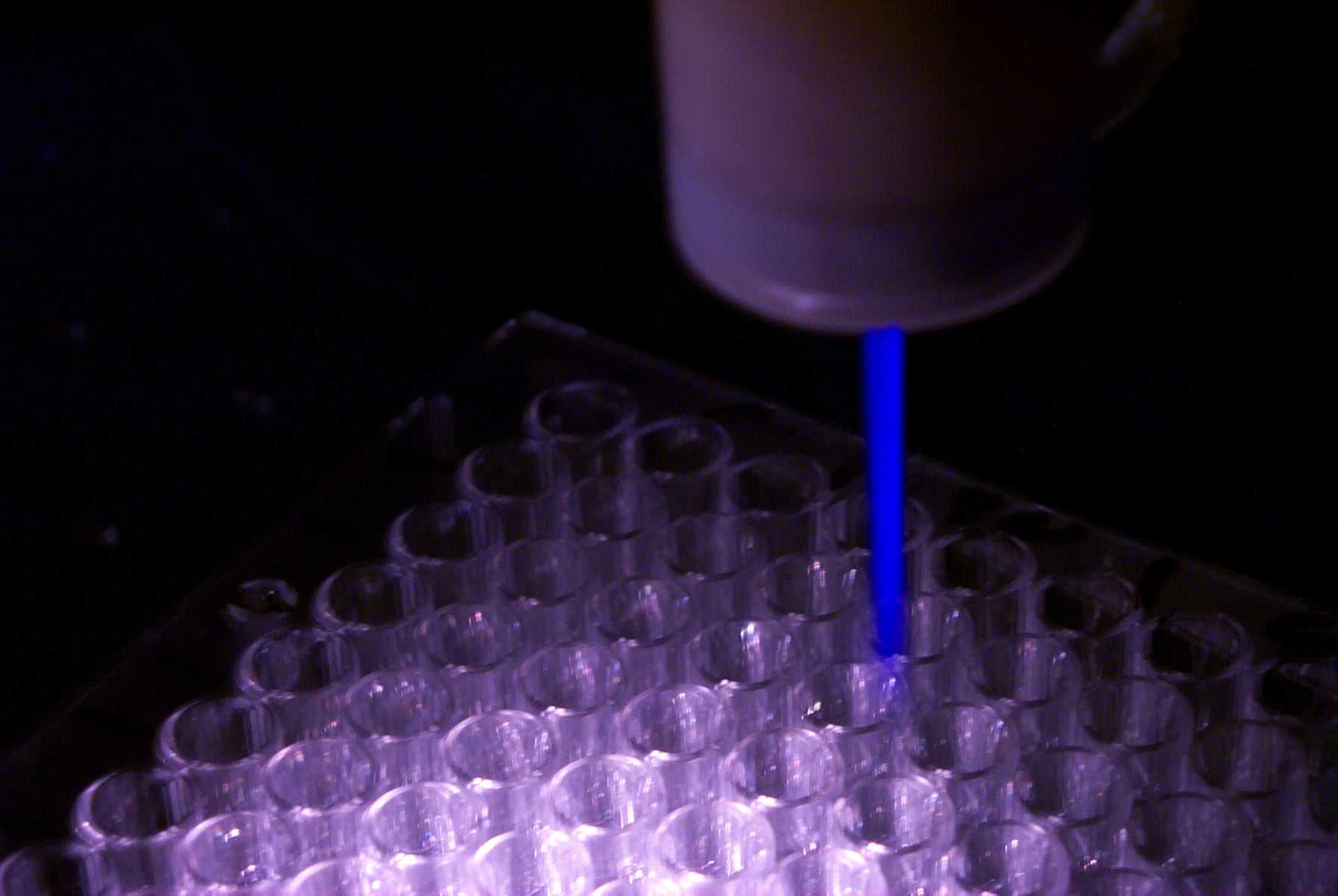
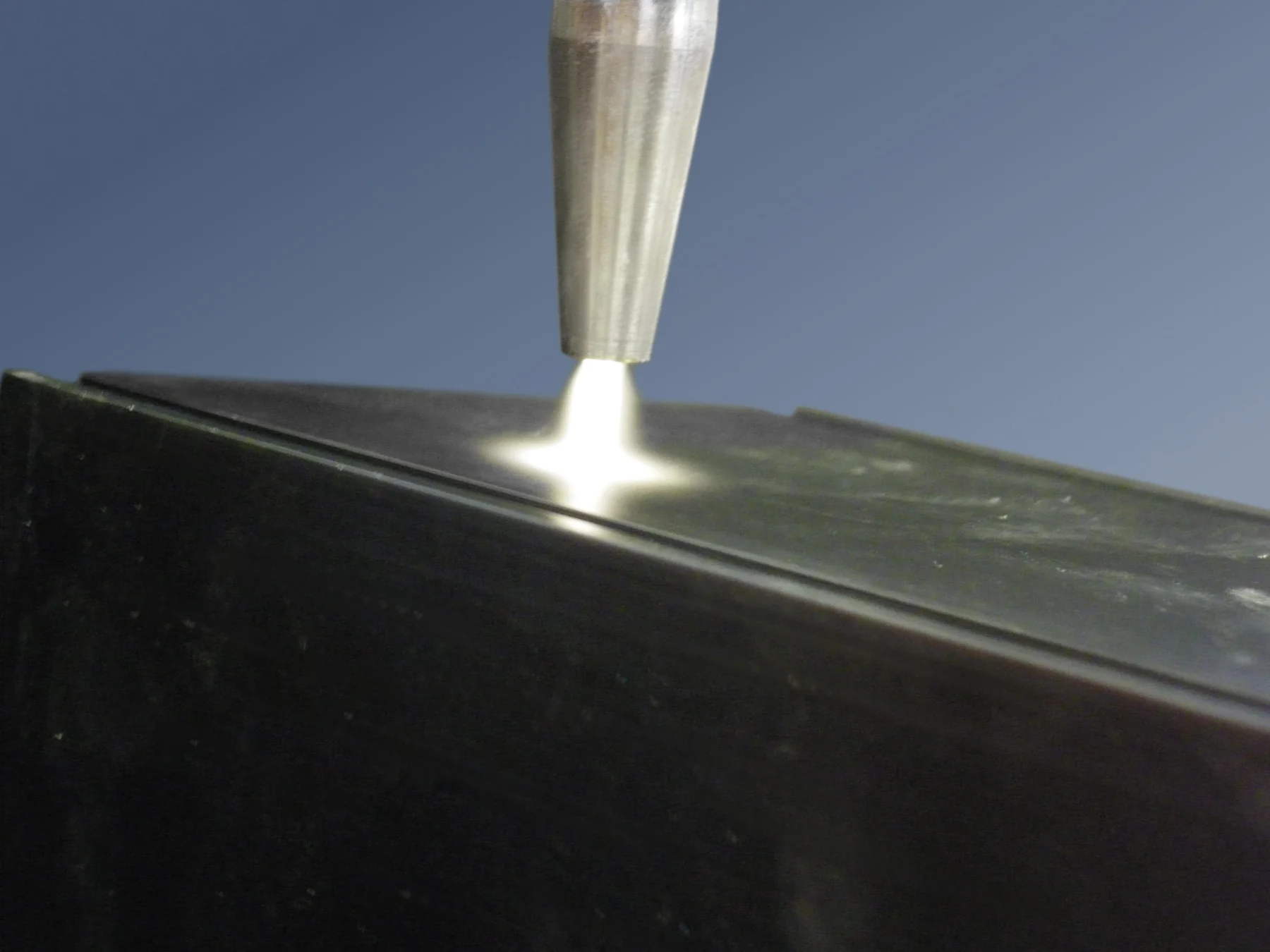
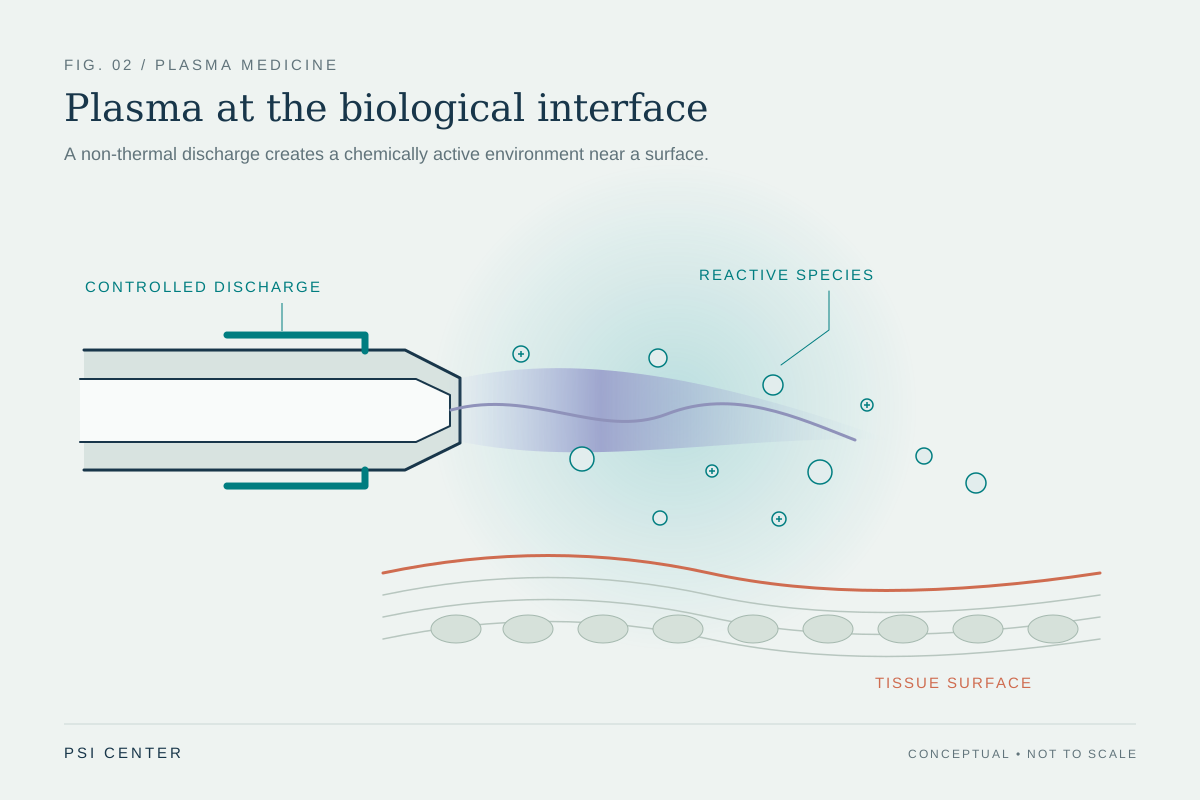
Cold atmospheric plasma, or CAP, is studied for possible effects on tissue and microorganisms at or near the body’s surface. It is not simply the sterilizer process moved out of a chamber. A plasma source may deliver a mixture of electric fields and reactive oxygen or nitrogen species; its impact depends on device design, gas flow, distance, exposure and the biological setting. A plausible mechanism or a laboratory observation can guide research, but it does not establish that a treatment improves healing in people.
The evidence threshold matters especially for wounds. Research on CAP for diabetes-related foot ulcers has faced low-certainty evidence and risk of bias; the 2023 International Working Group on the Diabetic Foot guideline recommends against other gases, including CAP, for healing these ulcers. That recommendation does not prove every possible use is ineffective, but it does mean the therapy should not be presented as established routine care on the basis of mechanism alone. [3]
What an early cancer study can show
A phase I study is an early clinical study, often focused on safety and feasibility. In one report, 20 patients with advanced or recurrent solid tumors received surgery combined with intraoperative Canady Helios Cold Plasma. The primary endpoint was safety. The study reported no related adverse events, but its small, selected group and treatment alongside surgery cannot establish that plasma itself controls cancer, cures it or works broadly across tumor types. [2] [4]
This is the distinction between asking whether a treatment can be delivered and asking whether it improves outcomes in a reliable comparison. The trial is useful evidence about a particular device and procedure under study conditions. It does not establish general effectiveness or general FDA approval of plasma therapy. A patient-facing claim needs clinical evidence at the level of the claim; a promising physical mechanism is a reason to investigate, not a substitute for that evidence.
Explore the physics: an explanatory diagram
Sources & further reading
- Hydrogen Peroxide Gas Plasma CDC
- First Cold Atmospheric Plasma Phase I Trial for Advanced Solid Tumors Canady et al., Cancers (2023)
- Guidelines on Interventions to Enhance Healing of Foot Ulcers: 2023 Update International Working Group on the Diabetic Foot
- Learn About Clinical Trials National Eye Institute
Prepared for the independent PSI Center reading library. About edition dates and source checking.
This explainer describes scientific principles. It does not assess individual treatment choices.