What must happen before an experimental device can be studied in people? A plausible mechanism is only a starting point. Researchers need a device with a defined purpose, a plan for studying it, and safeguards suited to the risks involved. For a plasma device, even the word “plasma” can obscure important distinctions: some systems heat tissue, others generate cold atmospheric plasma, and still others sterilize equipment. Their purposes and evidence cannot be swapped.
Define the device and question
A clinical trial is a research study that tests how well a new medical approach works in people. Trials can ask different questions: whether a treatment helps, whether a method detects a condition, or whether an approach improves quality of life [1]. Before a device is studied, its intended use must be clear enough to define what it is meant to do and what outcomes could answer the research question.
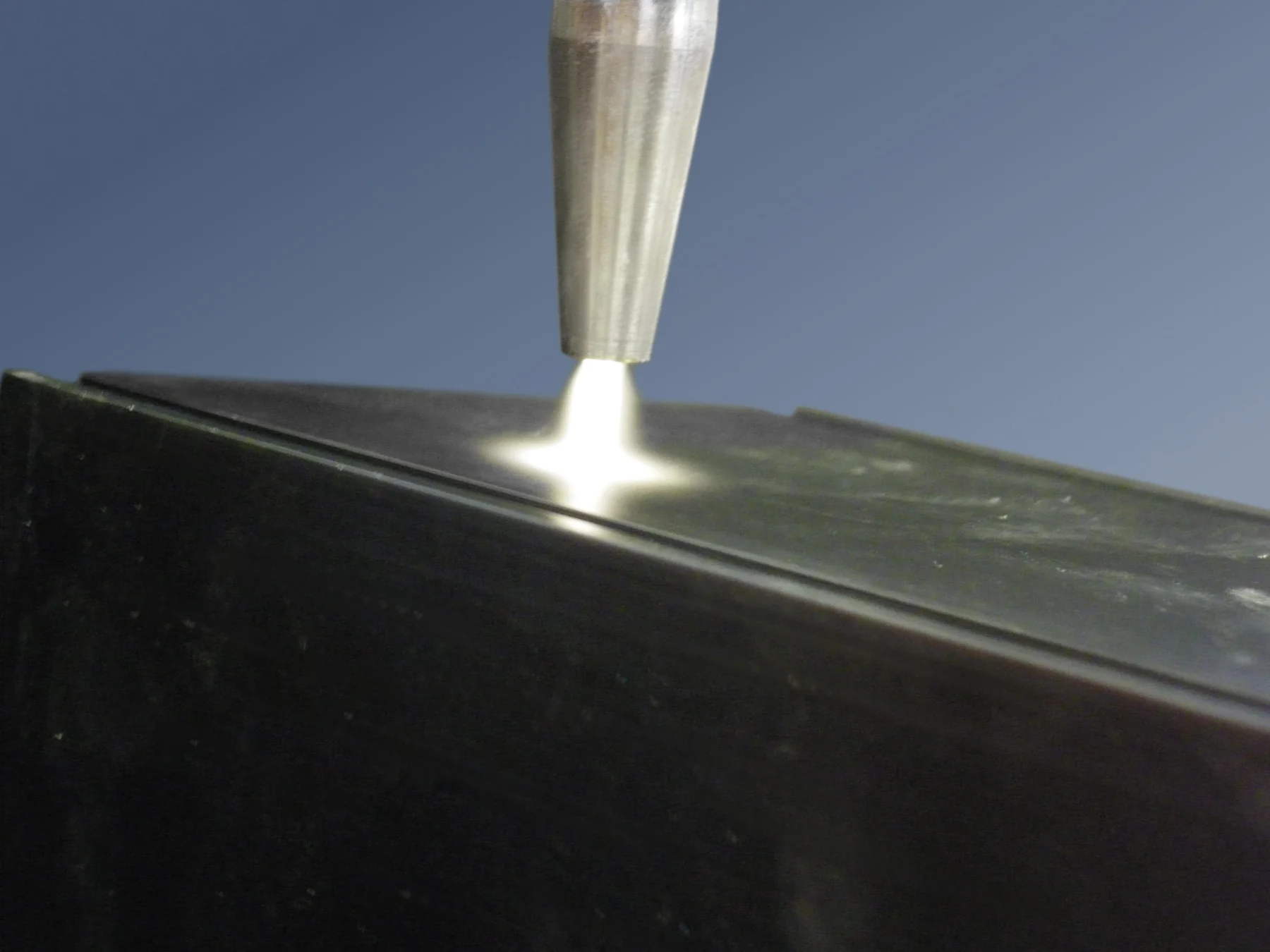
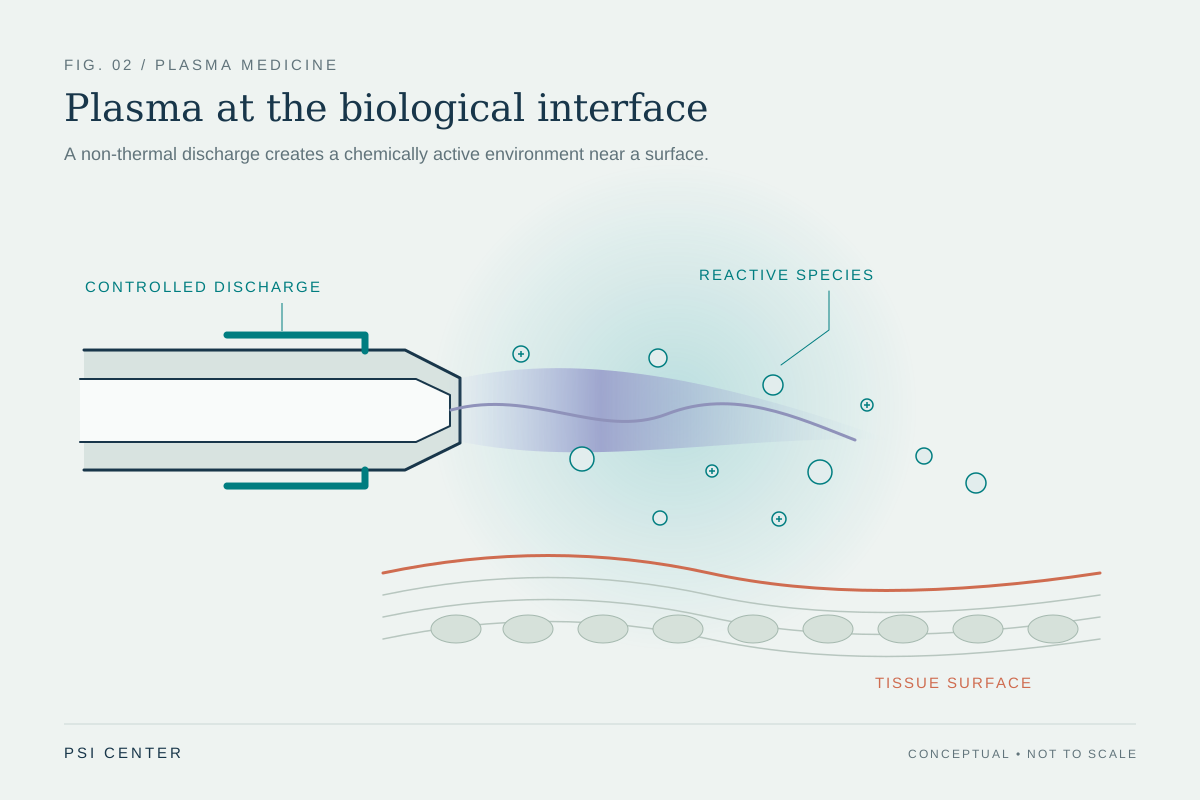
That clarity matters for plasma technology because the term describes different applications. Argon plasma coagulation uses heat to coagulate tissue. Cold atmospheric plasma is a different approach, investigated in contexts such as wound care. Gas-plasma systems used to sterilize equipment also serve a separate purpose. A device’s physical operation, target, and clinical aim determine which evidence is relevant; sharing a word does not make these technologies clinically equivalent.
Oversight matches the risk
In the United States, the FDA regulates firms that manufacture, repackage, relabel, or import medical devices. Its device framework includes different classes with increasing regulatory controls, and requirements can include establishment registration, device listing, labeling, quality systems, and premarket submissions [2]. The path depends on the device and its intended use; there is no single approval label that applies to every experimental device.
For clinical research, an investigational device exemption, or IDE, can allow a device to be used in a study to collect safety and effectiveness data for a later submission. FDA says studies involving significant-risk devices need FDA and institutional review board approval before beginning; nonsignificant-risk studies need institutional review board approval [2]. This is a gate for research under specified oversight, not a conclusion that the device has been proven effective or is available for ordinary care.
Trials answer questions in stages
A study’s design should fit its question. Early research may emphasize whether the procedure can be carried out and what safety issues arise; later or larger studies may be needed to evaluate benefit more reliably. In cancer research, the National Cancer Institute explains that treatment trials test new treatments or new ways of using existing ones, while other trial types focus on prevention, screening, or supportive care [1]. A trial’s label and measured outcomes help define what can be concluded.
For example, a 2023 phase I study of a plasma-based cancer approach enrolled 20 patients and focused on safety alongside surgery. That kind of study does not establish cancer effectiveness, a cure, or general FDA approval of the therapy. A favorable safety observation in a limited setting can justify asking further questions, but demonstrating that a device improves outcomes requires evidence designed to test those outcomes. [3]
From permission to evidence
Device research and commercial distribution are distinct regulatory steps. FDA describes 510(k) premarket notification as a route requiring a showing of substantial equivalence to a legally marketed device when the submission is required; a device cannot be commercially distributed on that route until the FDA issues the relevant determination. Premarket approval for certain higher-risk devices is more involved and includes clinical data supporting claims [2]. These processes concern specific devices and claims, not every technology that uses plasma.
For a reader, the practical question is therefore precise: what device, intended use, study, and regulatory status are being discussed? A registered manufacturer, an allowed clinical investigation, a favorable small study, and authorization to market are different facts. The FDA’s overview describes regulatory requirements and pathways, while clinical trials generate evidence about how approaches work in people [2] [1]. Keeping those steps separate prevents a research milestone from being mistaken for proof of benefit in routine care.
Explore the physics: an explanatory diagram
Sources & further reading
- Clinical Trials: What Are the Phases? National Cancer Institute
- Medical Device Overview FDA
- Learn About Clinical Trials National Eye Institute
Prepared for the independent PSI Center reading library. About edition dates and source checking.
This explainer describes scientific principles. It does not assess individual treatment choices.