Can a treatment damage cancer cells while sparing nearby healthy tissue? That is the central physical and biological question behind research on cold atmospheric plasma. The idea is that reactive chemical species generated by a plasma may affect cells differently. But a plausible mechanism and encouraging laboratory observations do not establish a useful cancer treatment. To understand the claim, it helps to separate the proposed selectivity from the clinical evidence so far.
What “cold” plasma means here
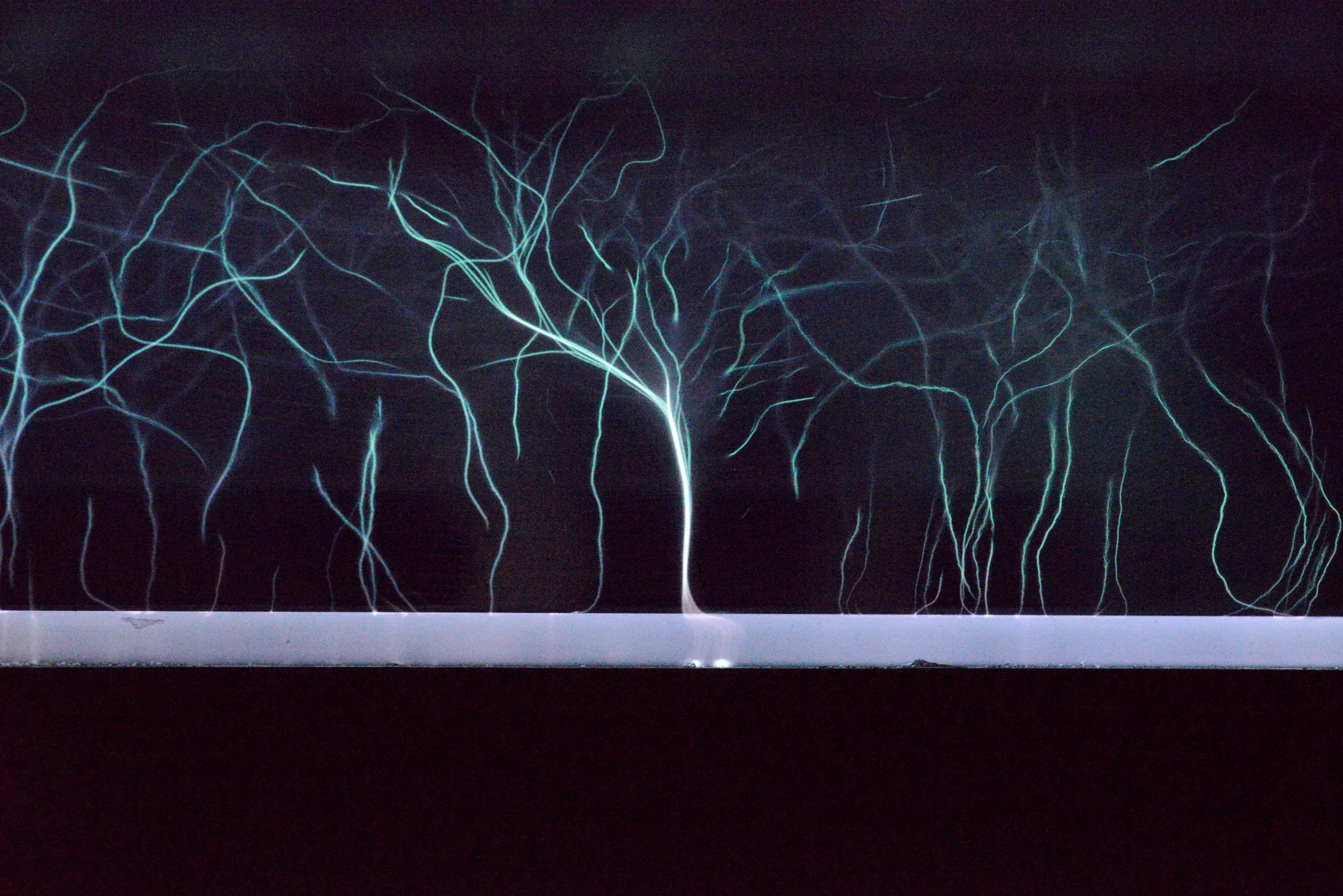
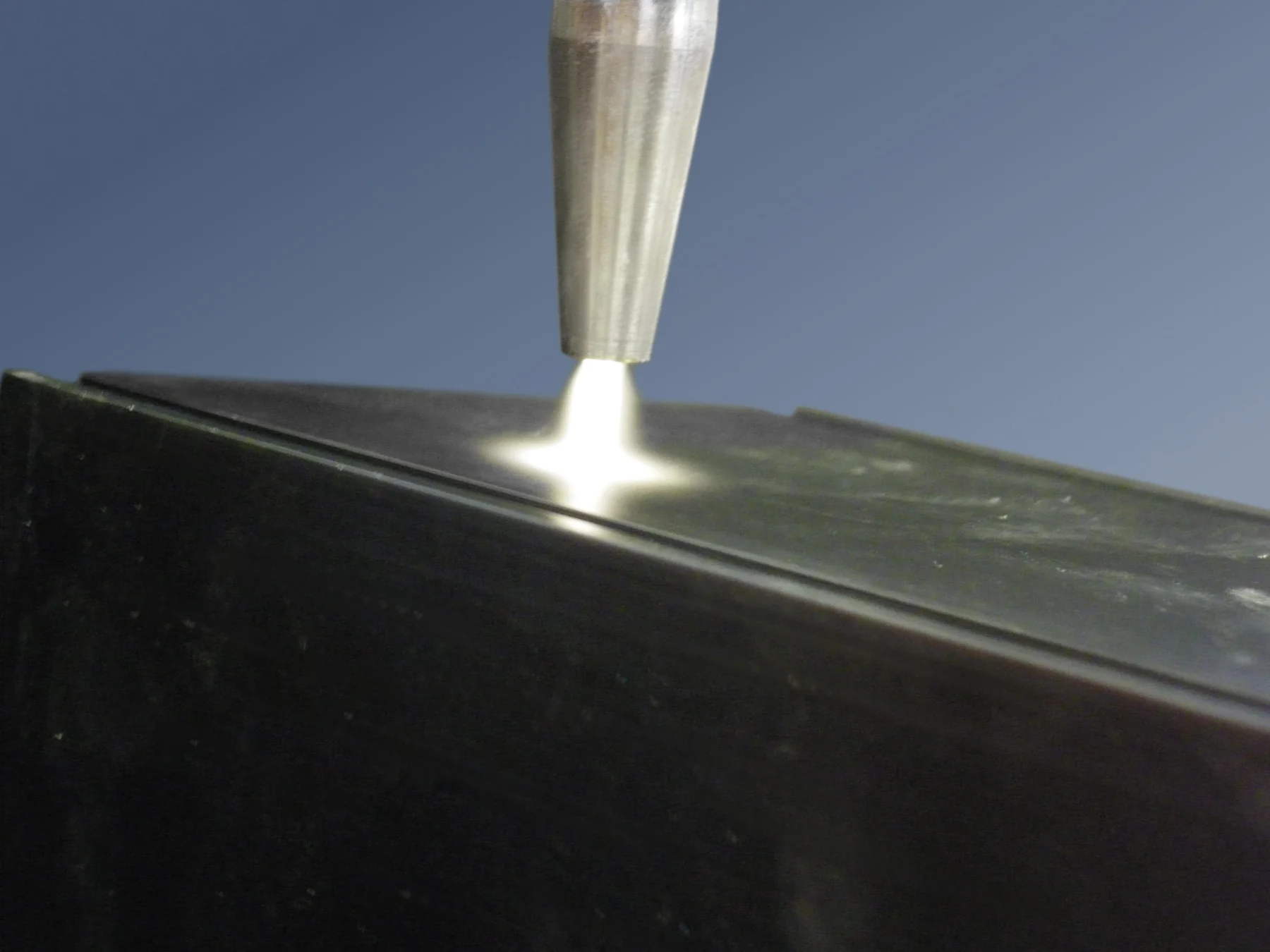
Plasma is an energized gas containing charged particles and reactive species. Cold atmospheric plasma (CAP) is studied for local interactions with tissue, including the possibility that reactive oxygen and nitrogen species could affect cells. In a cancer setting, the proposed mechanism is that these species, together with an electromagnetic field, may induce cancer-cell death. That description explains a research hypothesis; it does not show that a treatment selectively controls cancer in patients.
The word “plasma” also appears in other medical technologies with different purposes. Argon plasma coagulation uses heat to coagulate tissue, while hydrogen peroxide gas plasma sterilizes equipment in a chamber. Neither is the same intervention as cold atmospheric plasma applied in cancer research. The shared term refers to a physical state or process, not a single clinical action.
Selectivity needs a fair test
A selective effect would mean that a treatment affects cancer cells more than surrounding healthy cells under relevant conditions. In a dish, researchers can expose different cells and compare responses. But cells in a dish do not reproduce the full environment of a tumor, where tissue structure, blood supply, immune activity, and treatment access may affect exposure and response. A difference observed in a cell experiment can support a hypothesis, not prove a safe clinical window.
The clinical question is even more demanding: can a treatment be delivered to the intended region, produce a meaningful benefit, and avoid unacceptable harm? Those outcomes need to be measured in people with suitable study designs. Clinical trials test new medical approaches in people and are built to address particular questions, such as treatment effects or safety [2]. The result from one stage of research should not be stretched to answer questions it was not designed to address.
What a phase I study can show
A 2023 phase I study enrolled 20 people with stage IV or recurrent solid tumors who underwent surgical resection combined with intraoperative cold atmospheric plasma treatment. Its primary endpoint was safety; the treatment was delivered alongside surgery [1]. The report describes no related adverse events and no effect on intraoperative physiological data. These findings are relevant to safety in that small study setting, but they do not establish that CAP is effective against cancer in general. [3]
The study also reported outcomes for groups defined by surgical margin status, but such results should be interpreted in light of the small sample and the trial’s design [1]. A phase I study focused on safety cannot establish a cure or general cancer effectiveness. It also does not mean that the therapy has broad regulatory approval. The key distinction is between evidence that a procedure could be studied in a defined setting and evidence that it reliably improves cancer outcomes.
The hypothesis remains testable
To establish selectivity, research would need to clarify which components of exposure matter, how those components reach tissue, and how cancer and healthy cells respond across relevant conditions. Later clinical research would need to assess outcomes with enough participants and appropriate comparisons to determine whether the approach adds benefit to standard care. These are separate links in the chain from physical mechanism to patient outcome.
The appeal of a local treatment is understandable: if an effect could be concentrated where a tumor is removed or treated, surrounding tissue might be less exposed. Yet that is a goal to test rather than a result to assume. The phase I study provides early information about safety alongside surgery in 20 patients [1]; clinical trials as a whole are organized to answer distinct questions over time [2]. For now, selective effects on cancer cells remain a research hypothesis with important evidence still needed.
Sources & further reading
- First Cold Atmospheric Plasma Phase I Trial for Advanced Solid Tumors Canady et al., Cancers (2023)
- Clinical Trials: What Are the Phases? National Cancer Institute
- Learn About Clinical Trials National Eye Institute
Prepared for the independent PSI Center reading library. About edition dates and source checking.
This explainer describes scientific principles. It does not assess individual treatment choices.