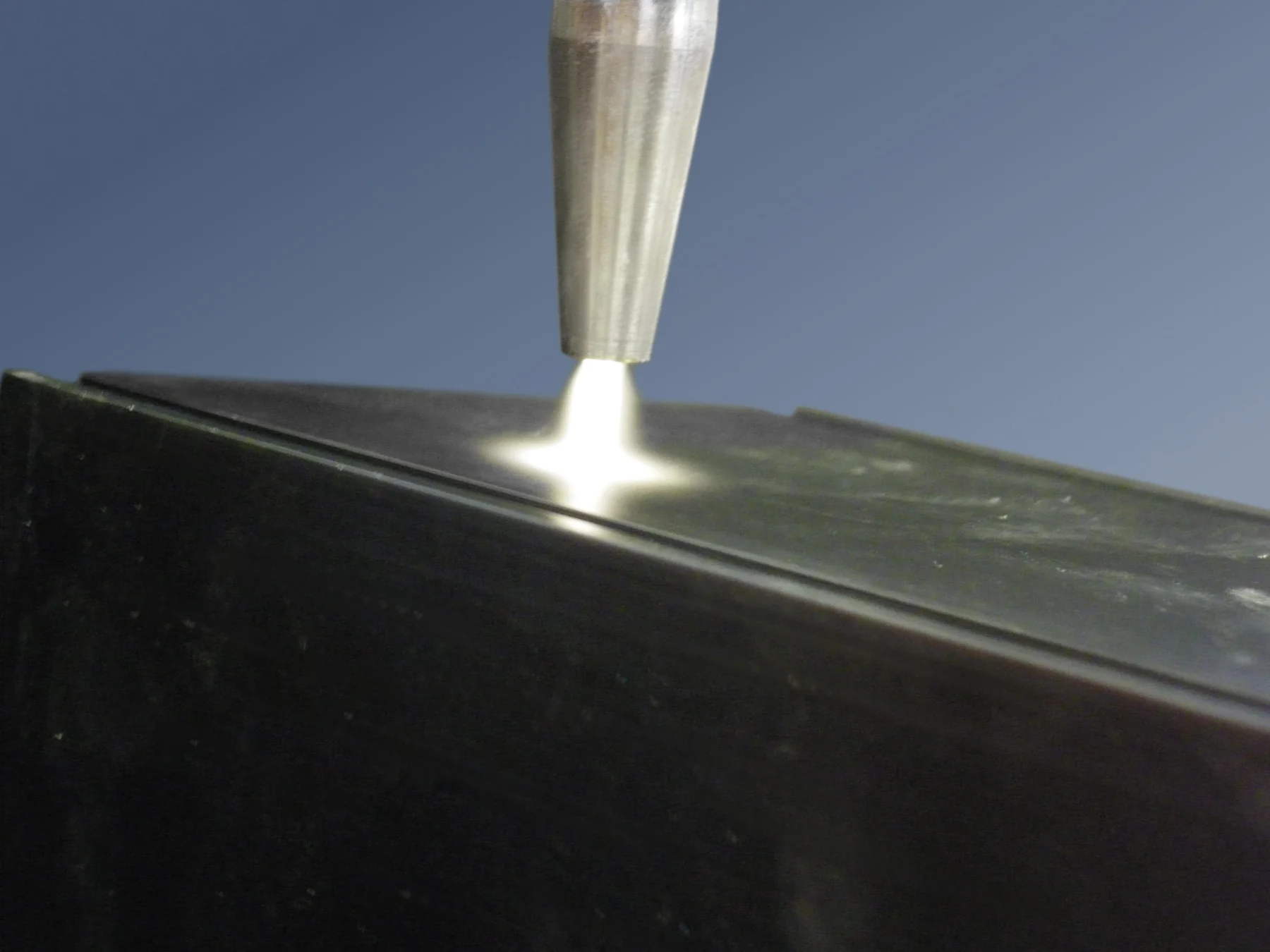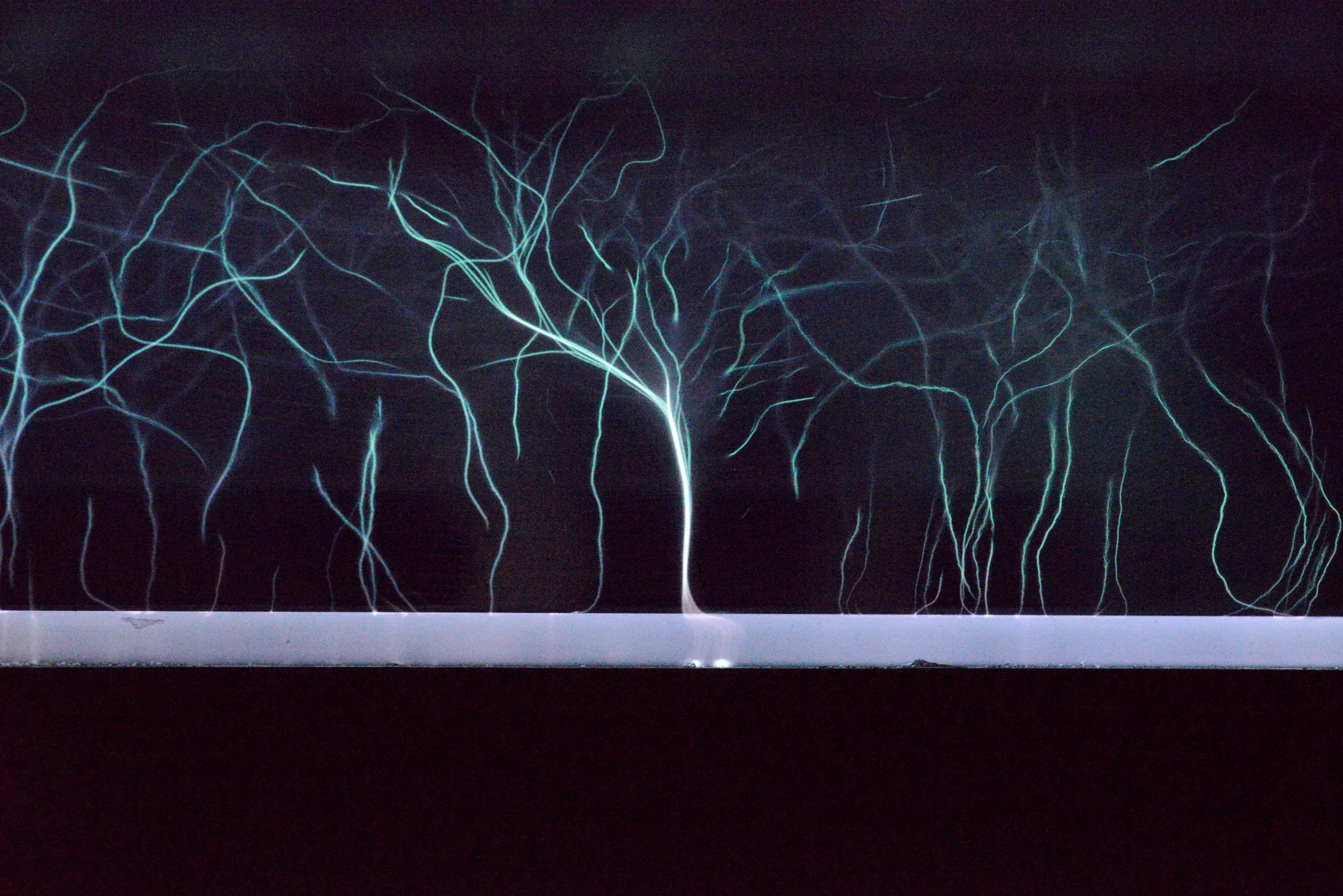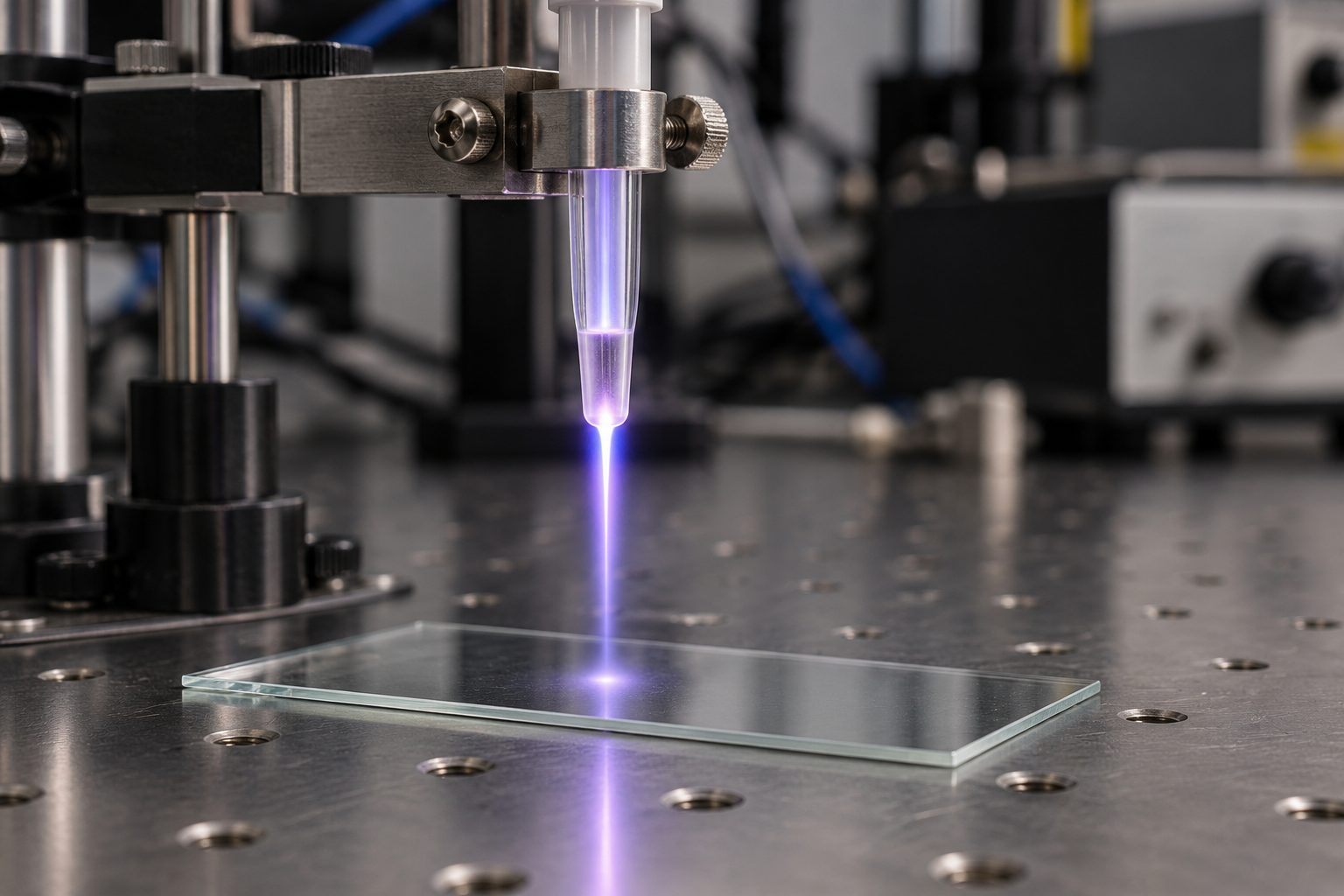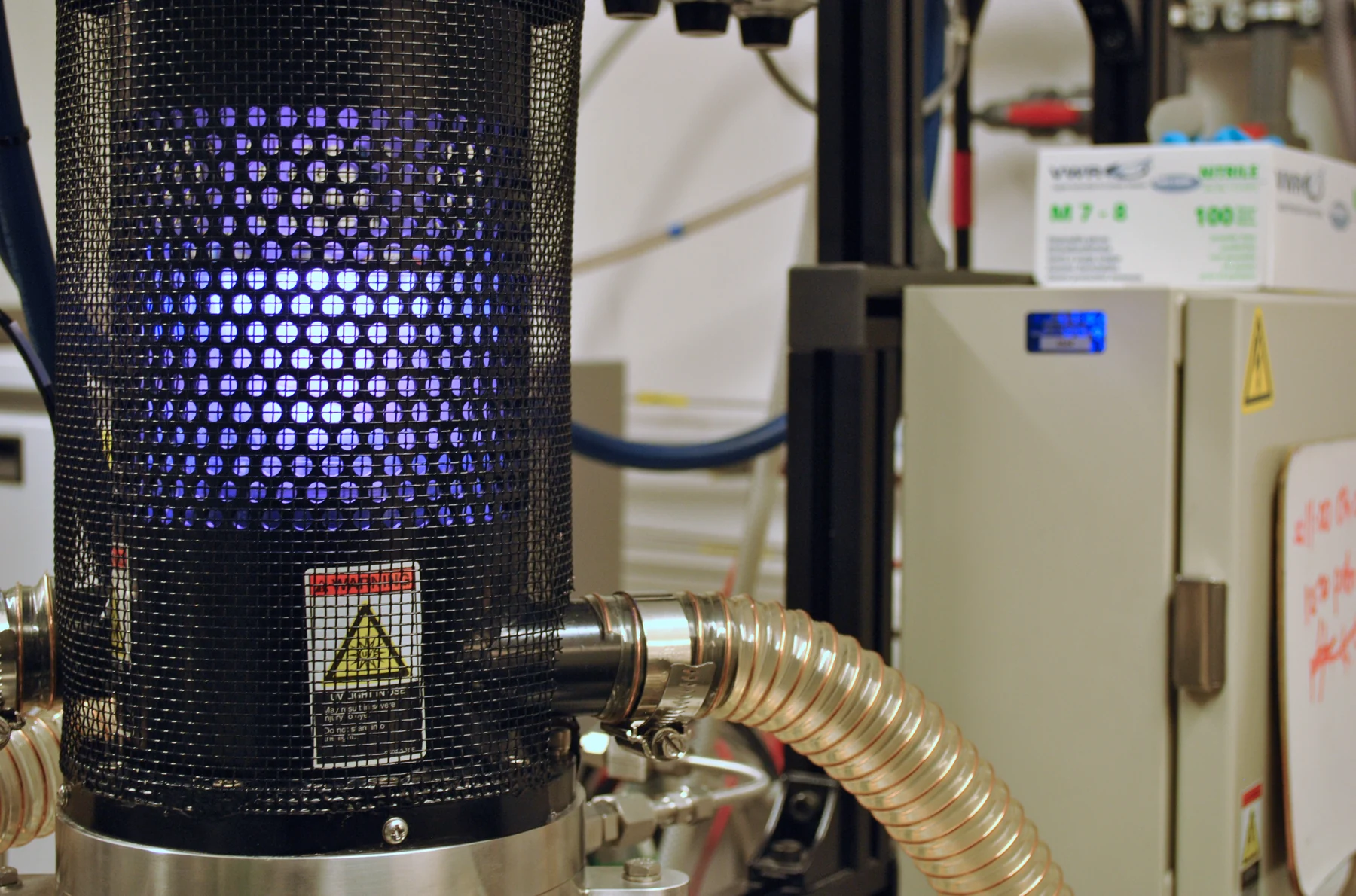
Can a stream of ionized gas affect a tumor without heating the whole surrounding region? Cold atmospheric plasma research asks how electrically generated reactive species might interact with cells and tissue. The term “plasma” here describes an energized gas, not blood plasma. Moving from a laboratory mechanism to a treatment claim, however, requires evidence at each step—from cells, to safety studies, to trials that can test benefit.
An energized gas meets biology
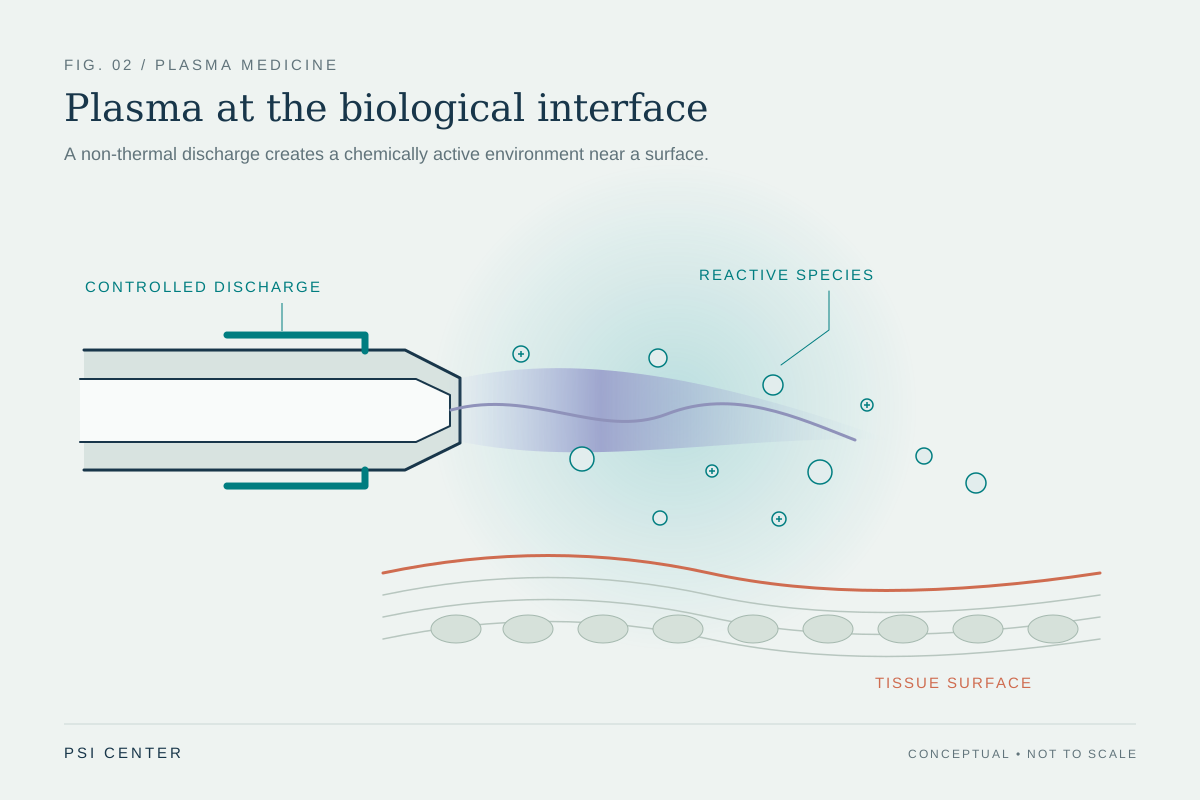
Cold atmospheric plasma is produced when energy ionizes a gas, creating charged particles and reactive oxygen and nitrogen species. These short-lived chemical agents can interact with biological molecules. Researchers investigate whether such interactions can selectively stress cancer cells while sparing nearby healthy tissue, but a proposed mechanism is a hypothesis about cell behavior, not proof that a therapy improves outcomes for patients.
The word plasma also appears in other medical settings with different meanings. Argon plasma coagulation uses heat to coagulate tissue. Plasma used to sterilize equipment has a separate purpose again. Cold atmospheric plasma research should not be collapsed into either application: the equipment, energy transfer, intended effect, and clinical question differ.
Cells do not answer every clinical question
In cell experiments, investigators can control exposure and observe changes in isolated populations. That makes it possible to probe mechanisms, such as whether reactive species disrupt tumor-cell processes. But a patient’s tumor sits within blood supply, immune cells, connective tissue, and organs; exposure, distribution, and repair are more complex. A laboratory effect alone cannot establish safety or cancer control in that setting.
Clinical trials are designed to answer different questions in people. Early-phase trials commonly focus on safety and feasibility, while later research can test whether an approach works and compare it with existing care. Trial phase is therefore part of the evidence: the name of a new device or an encouraging mechanism does not substitute for what the study was designed to measure. [2]
What the phase I study tested
A 2023 phase I study enrolled 20 people with stage IV or recurrent solid tumors undergoing surgical resection. The cold atmospheric plasma device was used during surgery alongside tumor removal, and the study’s primary endpoint was safety. The report found no related adverse events and no effect on measured intraoperative physiological data. [1] [3]
Those observations address short-term safety in the specific surgical context and group studied. The article also reported follow-up measures, including recurrence and survival by surgical-margin categories, but a small phase I study without a comparison group cannot establish that plasma caused those outcomes. The study does not demonstrate a cure, general effectiveness across cancers, or routine-care endorsement. [1]
What evidence must come next
A treatment claim needs evidence that separates the therapy’s contribution from surgery, tumor type, disease severity, and other care. Larger controlled trials can compare outcomes and clarify who might benefit, under what circumstances, and with what risks. The purpose of clinical research is to test these questions systematically; one early study can guide the next experiment without settling them. [2]
The most careful way to read plasma cancer research is to keep three levels distinct: a physical mechanism that may affect cells, a clinical procedure whose safety has been examined in a limited setting, and effectiveness that remains a separate question. The 20-patient study belongs to the second level. Its findings are a reason for continued research, not evidence that the therapy is an established cancer treatment. [1]
Explore the physics: an explanatory diagram
Sources & further reading
- First Cold Atmospheric Plasma Phase I Trial for Advanced Solid Tumors Canady et al., Cancers (2023)
- Clinical Trials: What Are the Phases? National Cancer Institute
- Learn About Clinical Trials National Eye Institute
Prepared for the independent PSI Center reading library. About edition dates and source checking.
This explainer describes scientific principles. It does not assess individual treatment choices.