How can researchers study a treatment intended for cancer cells at the edge of an operation? One answer lies in the surgical margin: the boundary of tissue removed with a tumor. In an early study, surgeons combined resection with cold atmospheric plasma, a room-temperature ionized gas, and grouped patients by what microscopy found at those edges. That design makes margins central to interpreting the results, while also showing why a small safety study cannot establish that plasma controls cancer.
The boundary is a finding, not a guarantee
After a tumor is removed, a pathologist examines the specimen and reports whether cancer cells reach its cut surface. A clear margin means no cancer cells were seen at the edge in the examined sections. A microscopic positive margin means cells were found at the edge; a grossly involved margin indicates visible tumor remains. These categories describe what the specimen shows, not every cell that may remain in the body.
Margins matter because local recurrence can arise near the original tumor site. But a margin is a sampled boundary, not a complete map of the surrounding body. The result depends on where the surgeon cut, how the specimen is oriented and processed, and what the microscope reveals. Thus, margin status helps frame a question about local control without by itself proving whether any additional treatment works.
What the plasma trial actually examined
The phase I study enrolled 20 people with stage IV or recurrent solid tumors. Their tumors were surgically removed, and the surgical team applied Canady Helios cold plasma during the operation. The primary endpoint was safety; secondary measures included local recurrence, survival, cancer cell death, and preservation of nearby healthy tissue [1]. This makes the study a first step in evaluating an intervention used alongside surgery, rather than a stand-alone test of plasma as cancer treatment. [3]
The authors reported no related adverse events and no change in intraoperative physiological data. They also reported outcomes by margin category, including groups with clear margins and microscopic positive margins [1]. Those figures can motivate further research, but a small phase I group cannot establish comparative benefit. Without a suitably designed comparison, observed outcomes cannot tell us how much came from surgery, the plasma intervention, patient differences, or other care.
Why the edge could be a target
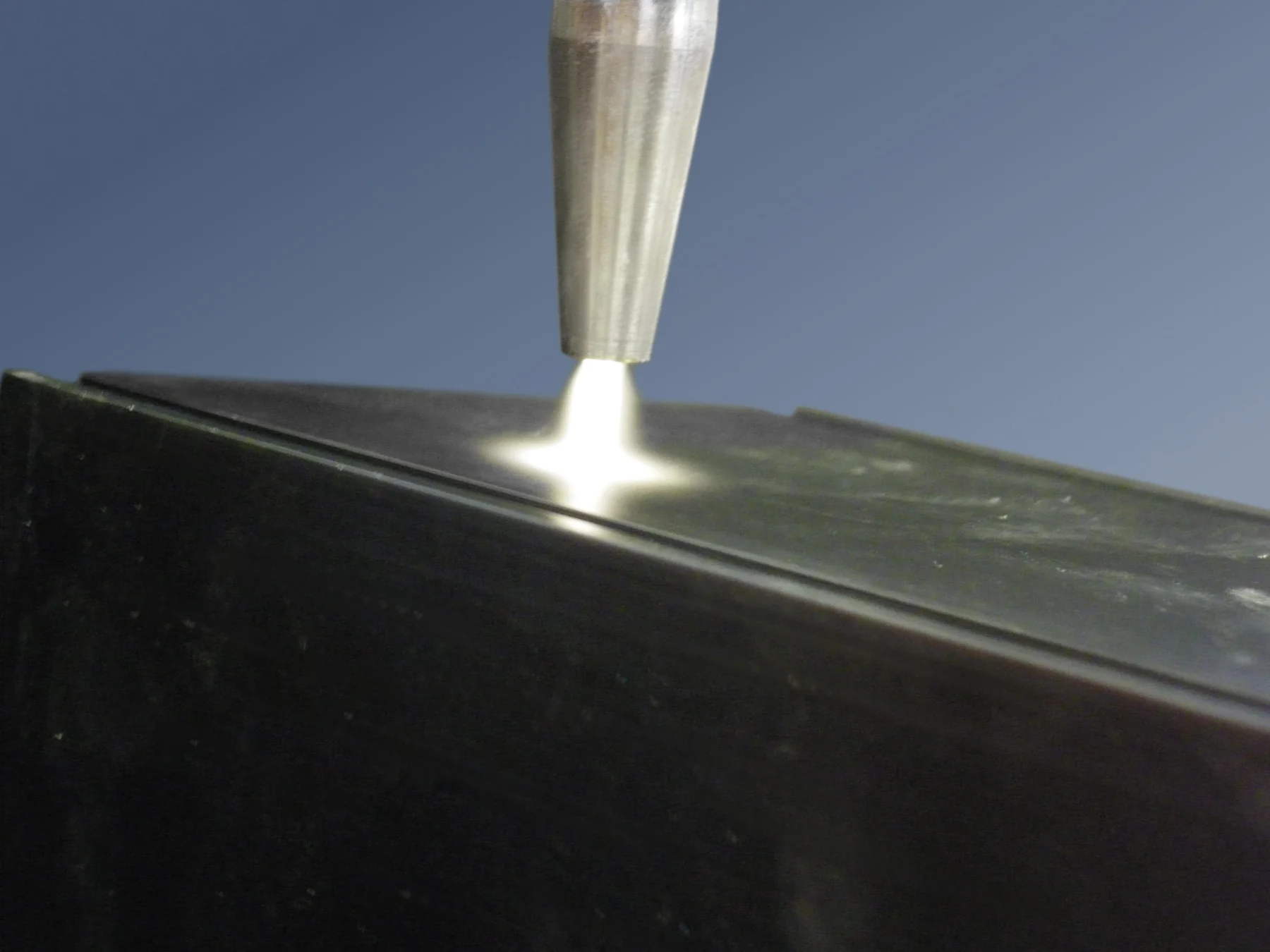
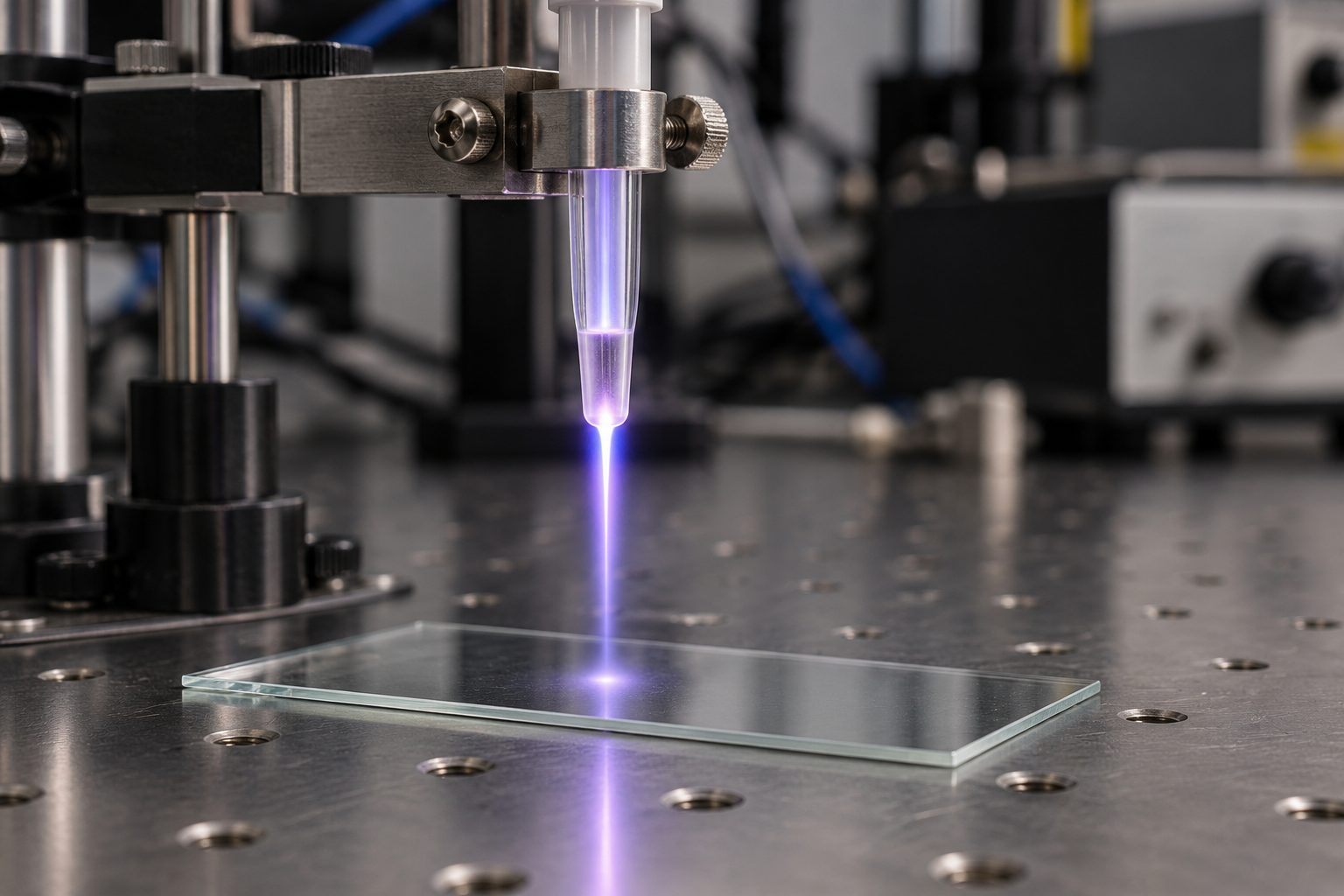
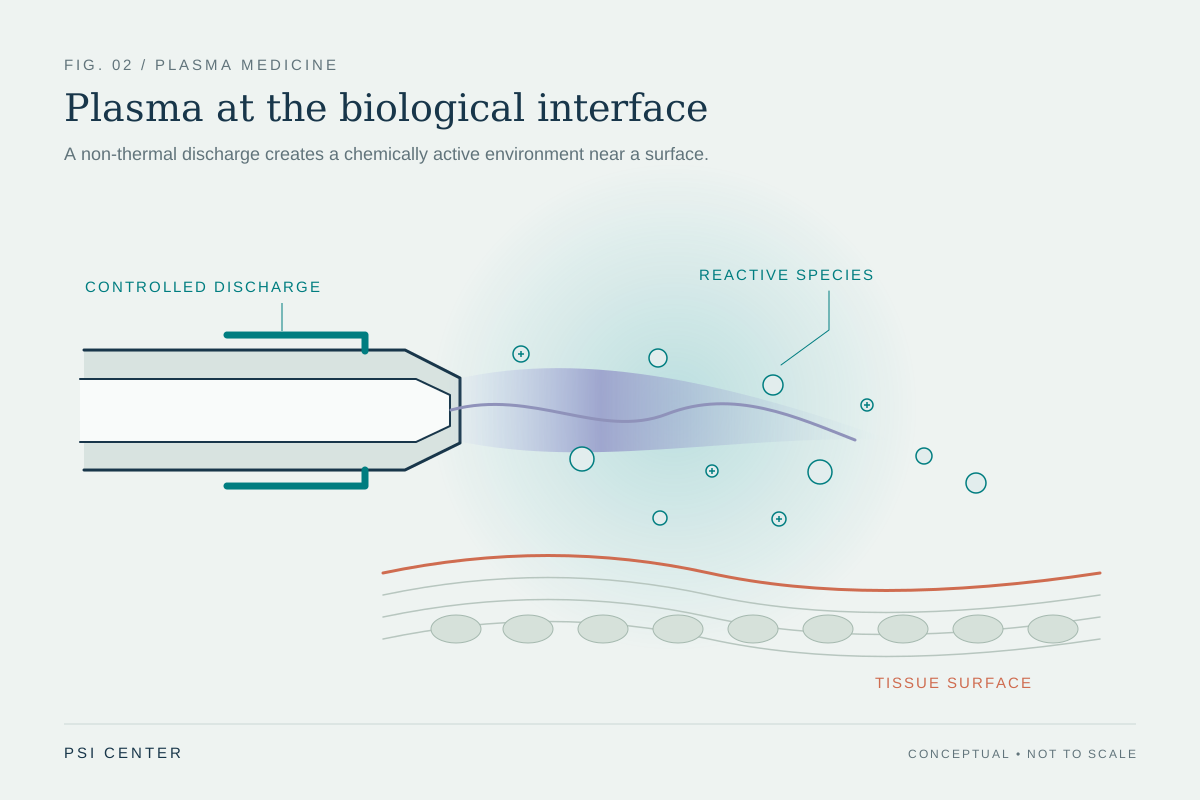
Cold atmospheric plasma is a partially ionized gas that can generate reactive oxygen and nitrogen species—chemically active molecules—and electromagnetic fields. The trial’s proposed rationale is that these effects may damage cancer cells while sparing nearby tissue. Applying it to a freshly exposed surgical surface focuses the experiment on a local question: could treatment of the operative bed affect cells at or near the cut edge? [1]
That mechanism remains a rationale to test, not proof of clinical effectiveness. A cell’s response in a laboratory setting does not establish what happens in a complex wound, nor whether treatment prevents recurrence in people. The study’s safety focus is also distinct from showing that a treatment cures cancer, improves survival, or replaces established care. Margins help define the context for the question; they do not answer it alone.
Compare roles, not just technologies
Radiation therapy offers a useful contrast. It damages DNA in cancer cells, and cell death may unfold over days, weeks, or months. External-beam radiation directs a local treatment toward a chosen region; it may be used before, during, or after surgery depending on the clinical situation [2]. Cold plasma has a different physical mechanism and was applied intraoperatively in the described study. Similar goals—local control—do not make the treatments interchangeable.
A careful next study would need to define its patient group, intervention, margin categories, comparison, and outcomes in advance. It would also need enough participants and follow-up to evaluate recurrence and other meaningful results, not only immediate safety. Until stronger clinical evidence is available, the phase I trial is best understood as an early research signal about feasibility and safety alongside surgery, with effectiveness still unsettled [1].
Explore the physics: an explanatory diagram
Sources & further reading
- First Cold Atmospheric Plasma Phase I Trial for Advanced Solid Tumors Canady et al., Cancers (2023)
- Radiation Therapy to Treat Cancer National Cancer Institute
- Learn About Clinical Trials National Eye Institute
Prepared for the independent PSI Center reading library. About edition dates and source checking.
This explainer describes scientific principles. It does not assess individual treatment choices.