What does it mean when a new cancer treatment reaches a Phase I trial? The central question is usually whether the approach can be given safely enough to continue studying. That is a different question from whether it improves survival or cures cancer. A small study of cold atmospheric plasma illustrates why the phase and design of a trial matter when reading early results. [3]
What Phase I is built to ask
Clinical trials test new medical approaches in people, but different trials answer different questions. The National Cancer Institute describes treatment trials as studies that test new treatments or new ways of using existing treatments [2]. In an early-phase study, researchers need to understand safety and how an approach behaves in the clinical setting before larger studies can assess benefit more firmly.
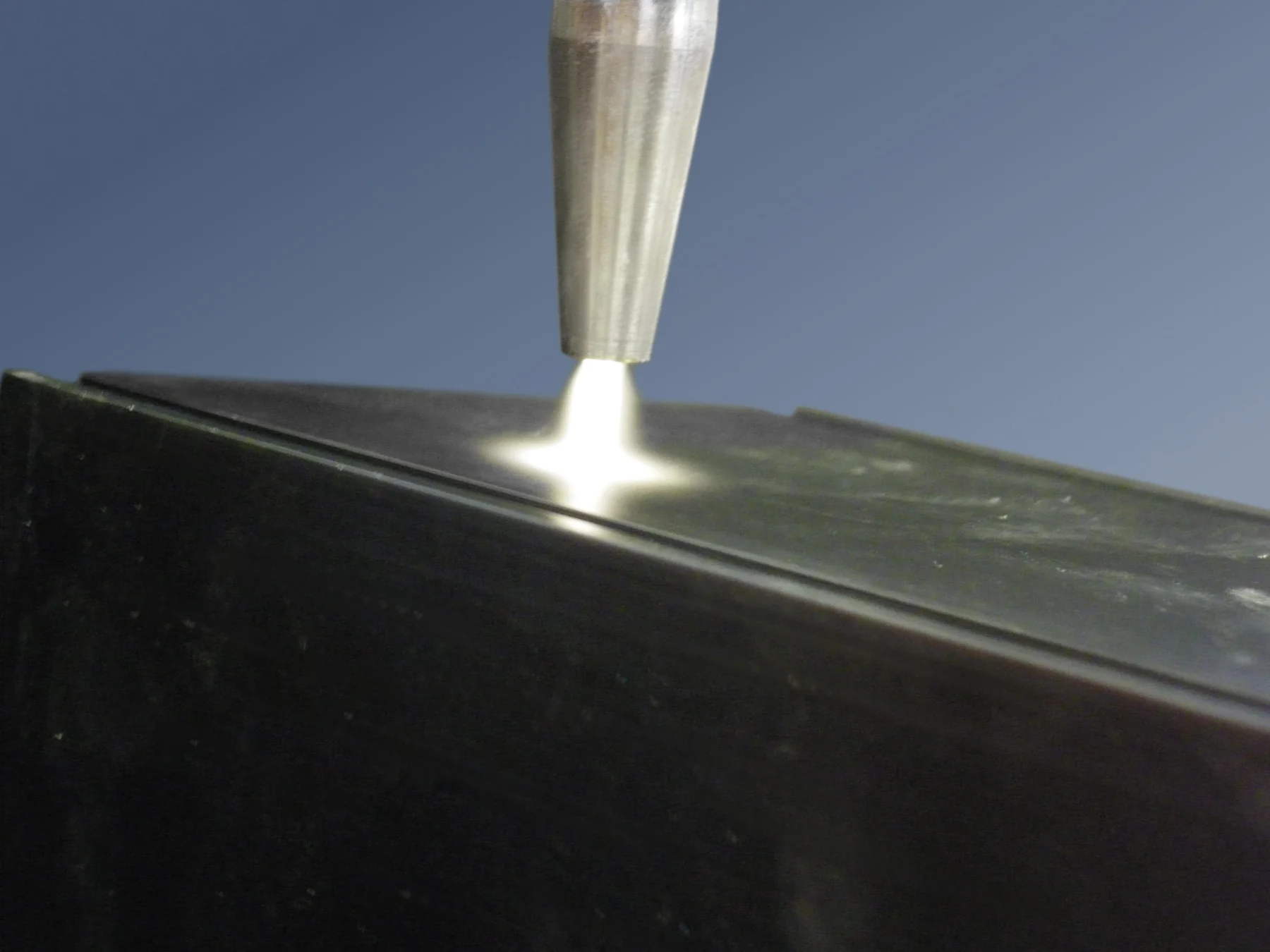
The 2023 report on cold atmospheric plasma (CAP) describes a Phase I study involving 20 patients with stage IV or recurrent solid tumors. Participants underwent surgical tumor removal combined with intraoperative treatment using a particular device, Canady Helios Cold Plasma. Safety was the primary endpoint; other outcomes, including recurrence and survival, were secondary [1]. The combination with surgery is essential context: the study was not a trial of plasma as a stand-alone cancer treatment.
What the device does
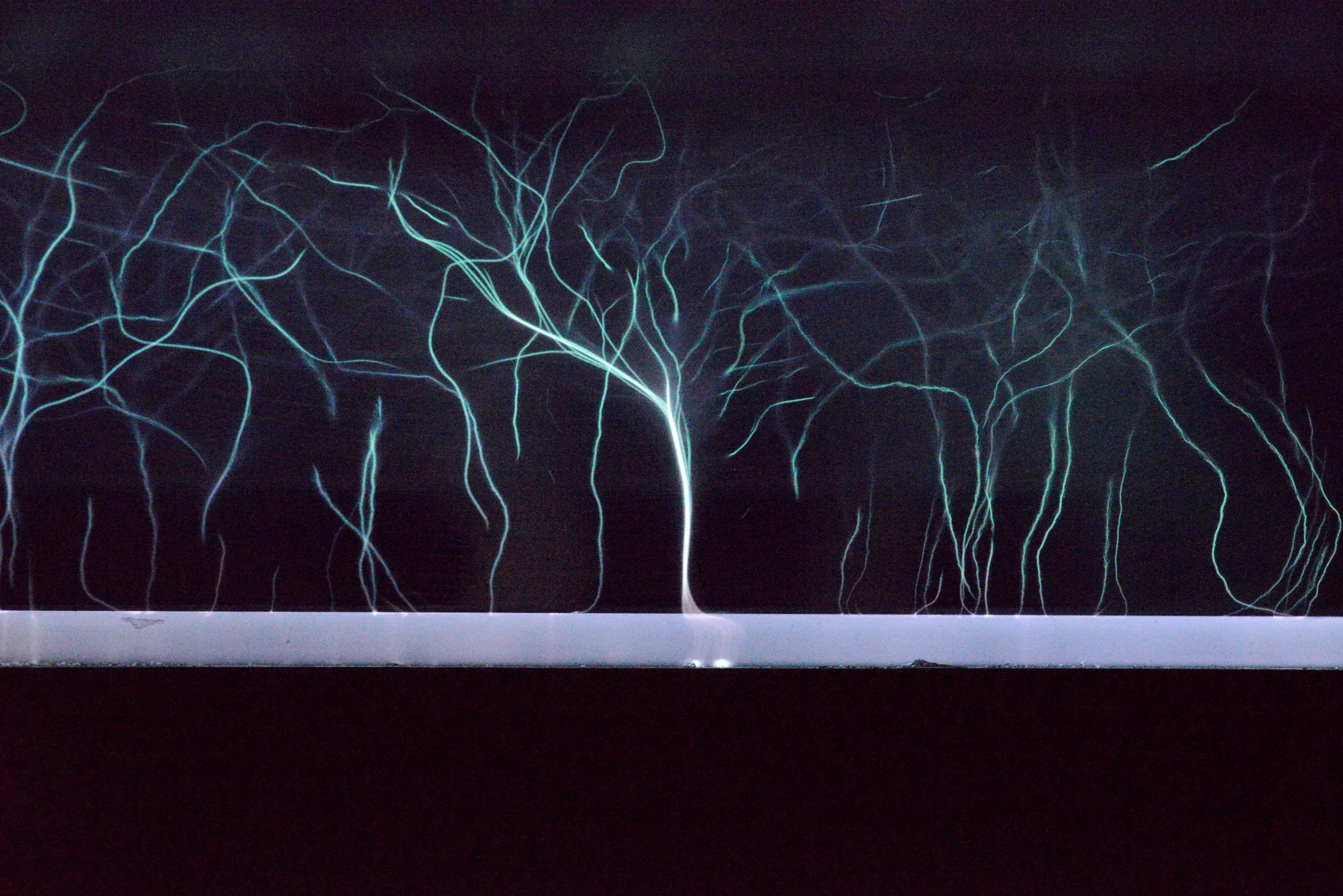
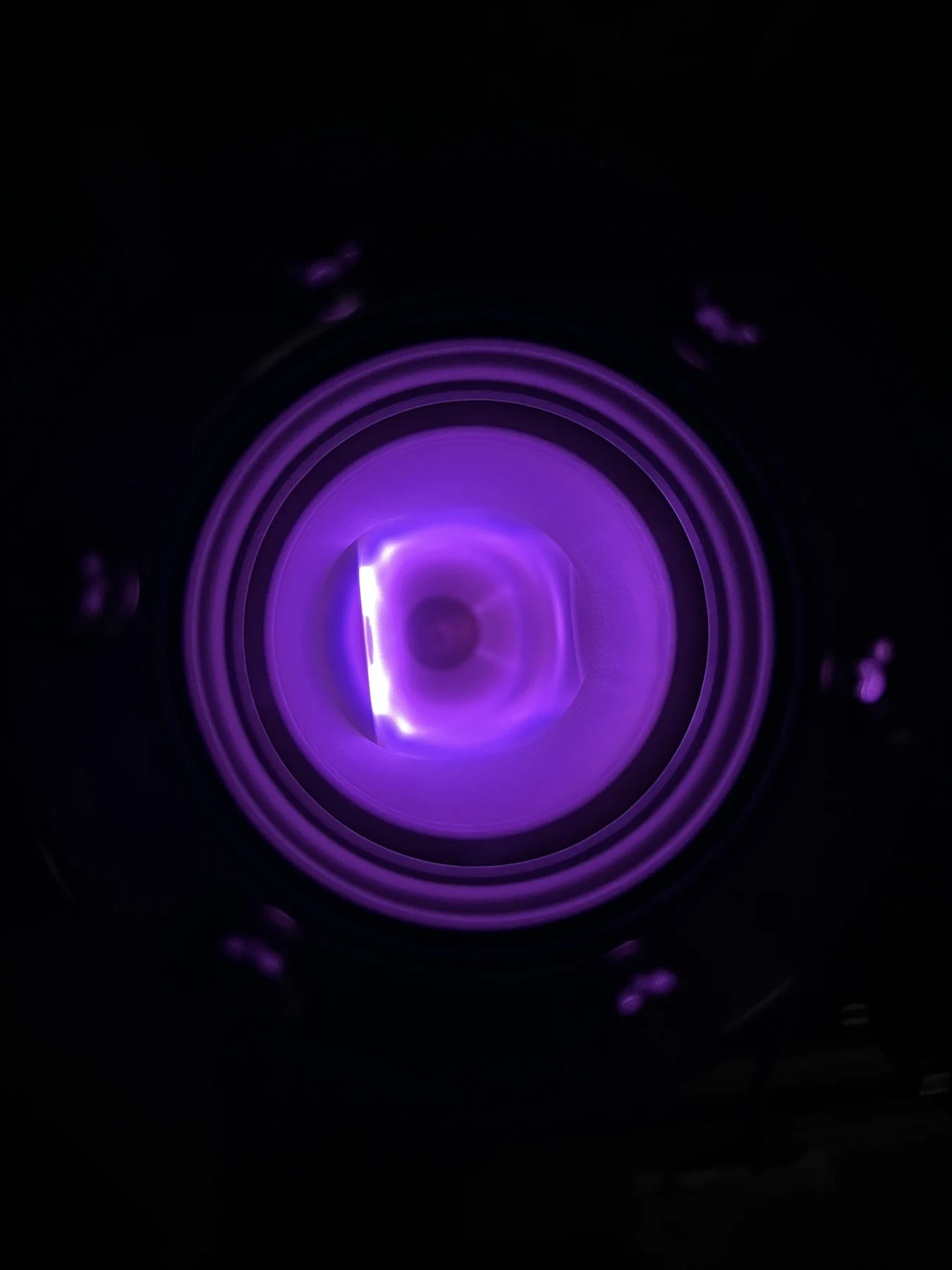
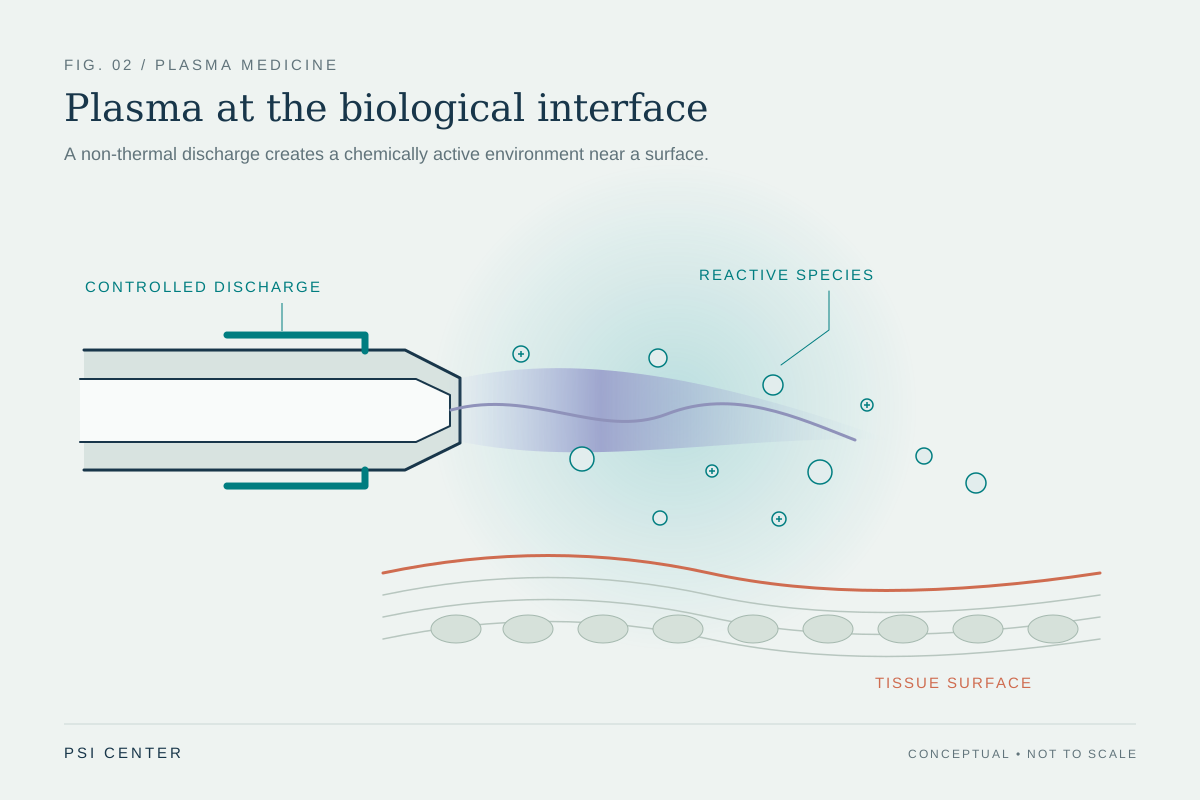
Cold atmospheric plasma is an ionized gas generated near room temperature. The trial report describes the device as producing an electromagnetic field and reactive oxygen and nitrogen species, which can affect cells [1]. “Cold” distinguishes this form from a hot thermal process, but it does not mean the technique is simply harmless or that a proposed mechanism proves a clinical effect.
A mechanism can explain why researchers want to investigate an approach. It cannot, on its own, establish that patients live longer or that tumors are controlled. Laboratory observations about cell death are not equivalent to demonstrating a meaningful benefit in people. Clinical outcomes depend on the whole treatment context, the patients enrolled, and how the study is designed and compared.
Read the results against the design
The investigators reported no treatment-related adverse events and no measured impact on intraoperative physiological data in the study [1]. Those observations address the primary safety focus in this group. The report also gives recurrence and survival outcomes broken down by surgical margin categories. With only 20 participants and differing subgroups, those figures are exploratory; they should not be read as a reliable estimate of how the technique would perform in a broad cancer population.
A key distinction is between an encouraging signal and established effectiveness. The study combined plasma treatment with surgery, had no comparison group described in the abstract, and was small. Therefore, its results do not isolate the effect of plasma from surgery or other influences, and they do not establish a cure. A Phase I study can justify asking the next research question without settling it.
Evidence grows in steps
To learn whether an intervention improves outcomes, researchers generally need later studies designed to compare outcomes in groups under a defined protocol. Different trial types answer different questions, and clinical research contributes knowledge over time [2]. A single early study cannot do the work of an entire evidence base. It can show that a treatment approach was investigated in people and provide observations that shape future research.
The study’s FDA-approved status refers to the trial, as described by its authors, not general FDA approval of CAP as a cancer therapy [1]. That distinction matters because authorization to study a treatment is not the same as a finding that it works or a routine-care endorsement. The careful reading is both specific and limited: this Phase I study evaluated a particular plasma device used alongside surgery in 20 patients, with safety as its primary endpoint. Further evidence would be needed to establish whether the approach improves cancer outcomes.
Explore the physics: an explanatory diagram
Sources & further reading
- First Cold Atmospheric Plasma Phase I Trial for Advanced Solid Tumors Canady et al., Cancers (2023)
- Clinical Trials: What Are the Phases? National Cancer Institute
- Learn About Clinical Trials National Eye Institute
Prepared for the independent PSI Center reading library. About edition dates and source checking.
This explainer describes scientific principles. It does not assess individual treatment choices.