How can a wound-treatment trial report a benefit while a clinical guideline advises against using the treatment? The apparent conflict often comes from asking two different questions. A trial asks what happened under a specific protocol among a particular group of participants. A guideline asks whether the full body of evidence is strong enough to support practice across patients and settings. Understanding the gap means looking closely at outcomes, study limitations, and the strength of the recommendation—not treating either result as a simple verdict.
What the trial measured
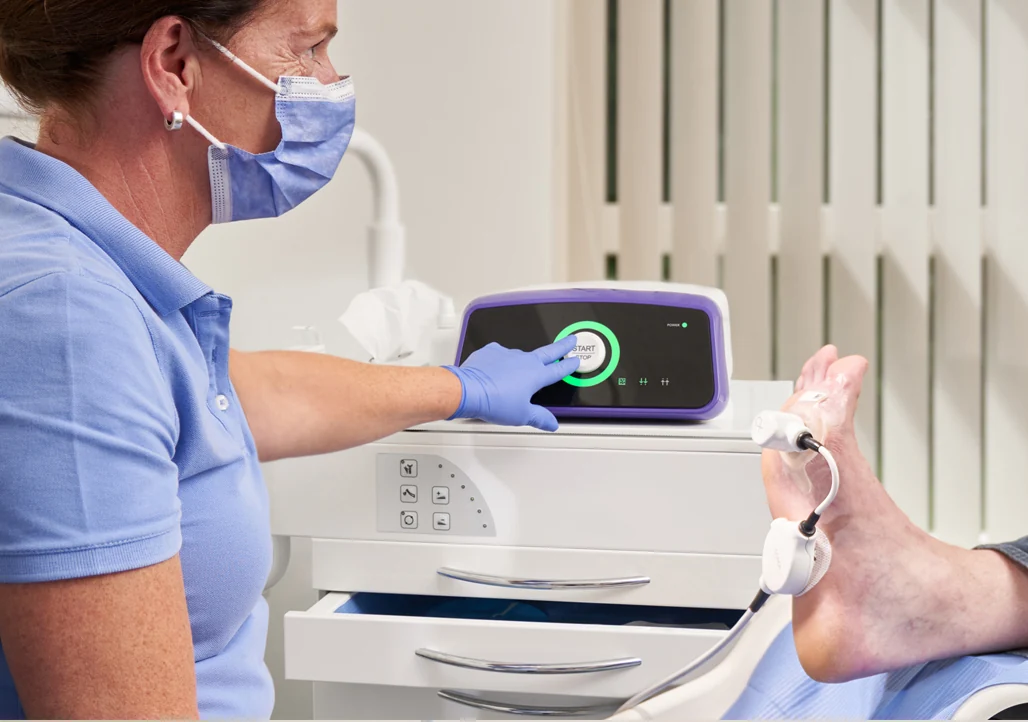
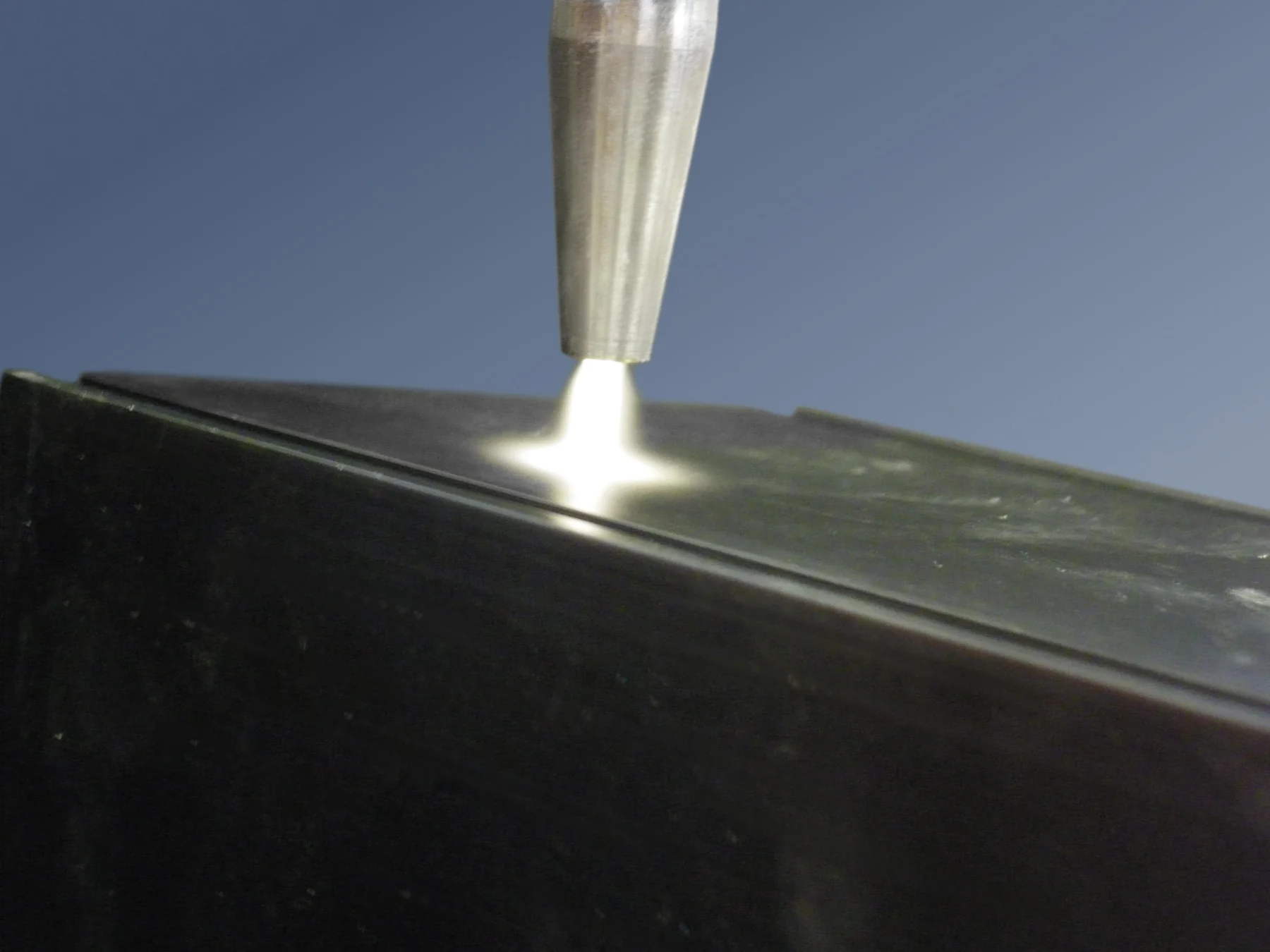
Cold atmospheric plasma, or CAP, is a partially ionized gas that can be applied at relatively low temperature. A randomized, placebo-controlled trial compared CAP added to standard care with placebo treatment in people with diabetic foot ulcers [2]. Its primary outcomes included wound-size reduction, clinical infection, and microbial load. The trial reported greater wound-area reduction and a shorter time to a relevant reduction in area in the CAP group.
Those findings are encouraging within the study’s boundaries. The final evaluation included 62 wounds from 43 people, and each wound—not each person—was randomized separately. Infection and microbial-load reductions were not significantly different between groups [2]. A result about wound surface area therefore should not be silently converted into a claim that CAP prevents infection, works for every ulcer, or improves every important outcome.
What a guideline weighs
The 2023 International Working Group on the Diabetic Foot (IWGDF) guideline considered evidence for other gases, including CAP, ozone, nitric oxide, and carbon dioxide. Its recommendation was not to use these gases instead of standard care for healing diabetes-related foot ulcers [1]. The panel reported that the evidence was poor and that none of the studies it assessed was at low risk of bias.
Risk of bias describes ways a study’s design or conduct could distort its findings. A small trial can produce a real signal and still leave uncertainty about how dependable or generalizable that signal is. The guideline also noted that adverse events were poorly reported in the available trials, so the apparent lack of harms could not be treated as strong reassurance [1]. Recommendation strength reflects that broader judgment about evidence, effects, and practical considerations.
One result, several uncertainties
Imagine that two treatments leave different average wound areas at the end of a study. Before applying that finding widely, clinicians and researchers would want to know whether the difference is consistent across trials, whether the measured change matters to patients, and whether the comparison reflects usual care. They would also ask how ulcers differed at the start and how outcomes were assessed. These checks help distinguish a promising observation from a dependable basis for routine practice.
The CAP trial included standard care in both groups and used a patient-blinded placebo comparison, features that help interpret its findings [2]. Yet its specific design and sample still define the scope of its evidence. The guideline’s broader review judged the certainty for other gases to be very low and concluded that the balance was unlikely to favor them over standard care [1]. Those conclusions can coexist: an individual study can report a positive outcome while the combined evidence remains too uncertain for a recommendation to use the intervention.
A recommendation is not a mechanism
Laboratory research may offer plausible reasons that reactive components of a gas could affect microbes or tissue. A mechanism can help scientists decide what to investigate, but it cannot show by itself that a treatment improves healing in patients. Clinical benefit depends on the whole intervention: the device, how it is applied, the wound, comparison care, outcome measurement, and possible harms.
Guidelines are periodically reassessed as evidence develops, but a reader should interpret the recommendation supplied here as specific to diabetes-related foot-ulcer healing and the evidence reviewed by IWGDF in 2023 [1]. It does not establish that CAP has no possible biological effect; it says the available evidence did not support using it over standard care for that purpose. Keeping those claims distinct lets an encouraging result remain scientifically interesting without presenting research as an endorsement of routine treatment.
Sources & further reading
- Guidelines on Interventions to Enhance Healing of Foot Ulcers: 2023 Update International Working Group on the Diabetic Foot
- Cold Atmospheric Plasma for Diabetic Foot Ulcers: Randomized Trial Stratmann et al., JAMA Network Open (2020)
Prepared for the independent PSI Center reading library. About edition dates and source checking.
This explainer describes scientific principles. It does not assess individual treatment choices.