What can one clinical trial tell us about treating a diabetic foot ulcer with cold atmospheric plasma? The answer depends on what the researchers compared, which outcomes they measured, and how the result fits with the wider evidence. This trial tested a specific plasma device as an addition to standard wound care; it did not test plasma as a replacement for care or establish routine clinical benefit.
The comparison was plasma plus care
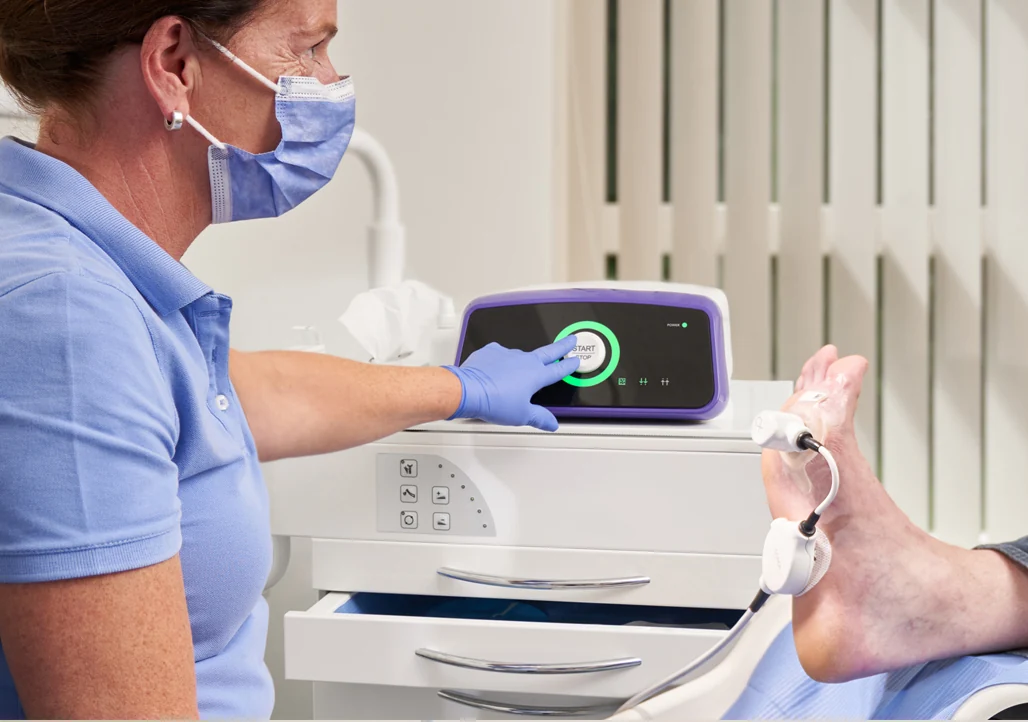
The prospective, randomized, placebo-controlled study enrolled people with diabetes and eligible foot ulcers at two clinics. It compared standard care plus eight applications of cold atmospheric plasma generated from argon gas with standard care plus eight placebo applications [1]. Randomization assigned wounds separately, and some participants contributed more than one wound. That design matters when interpreting what the comparison represents.
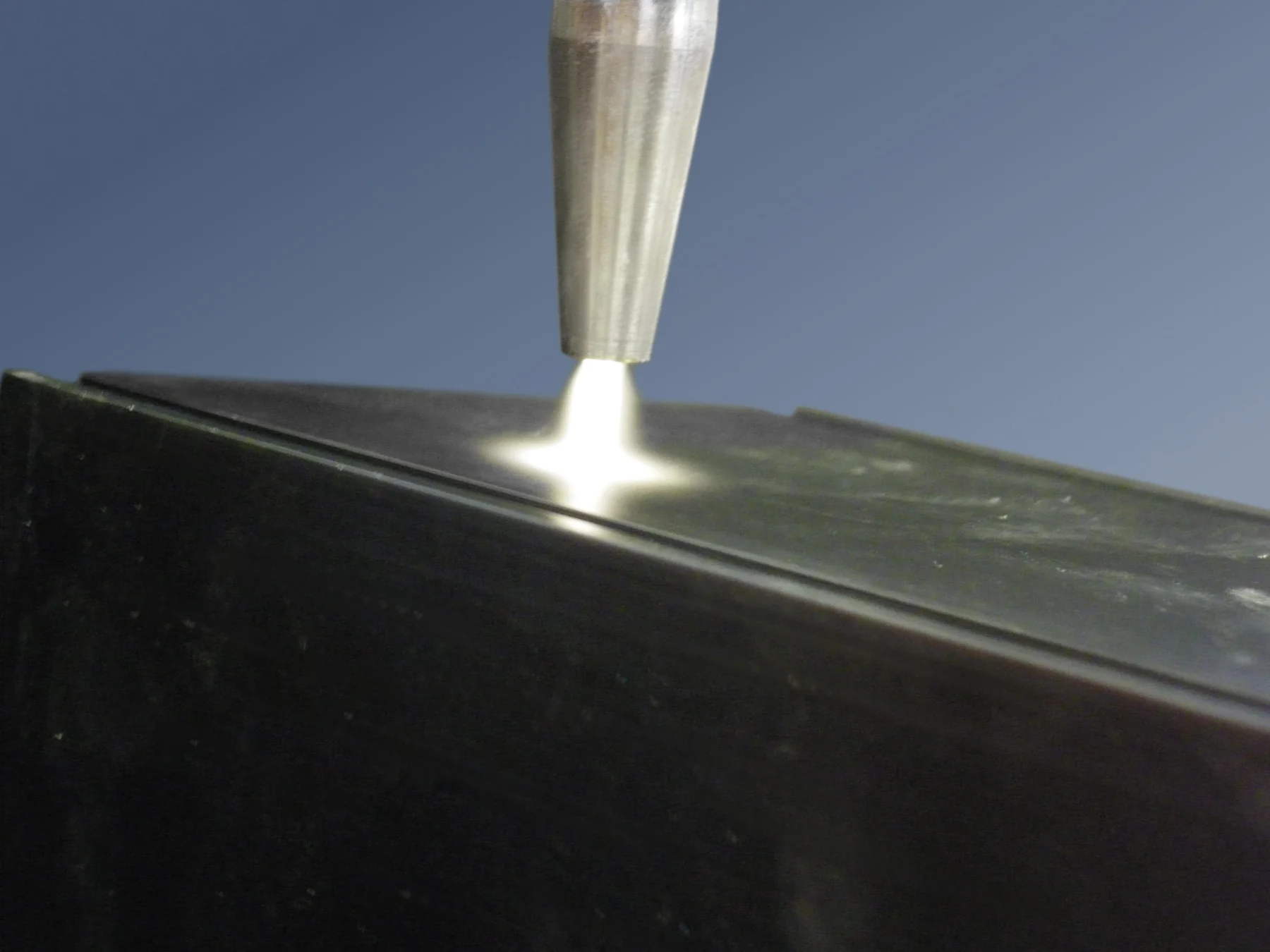
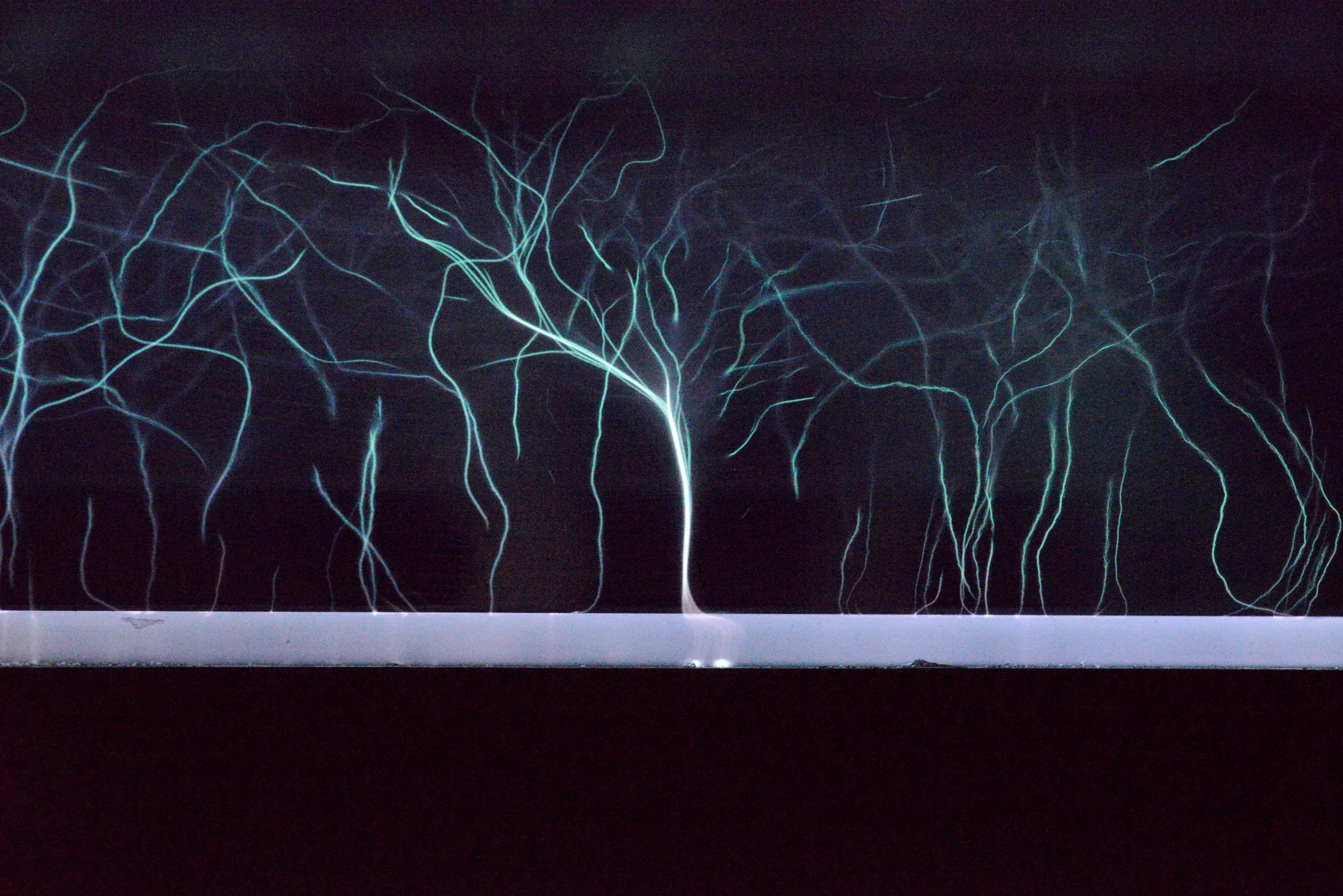
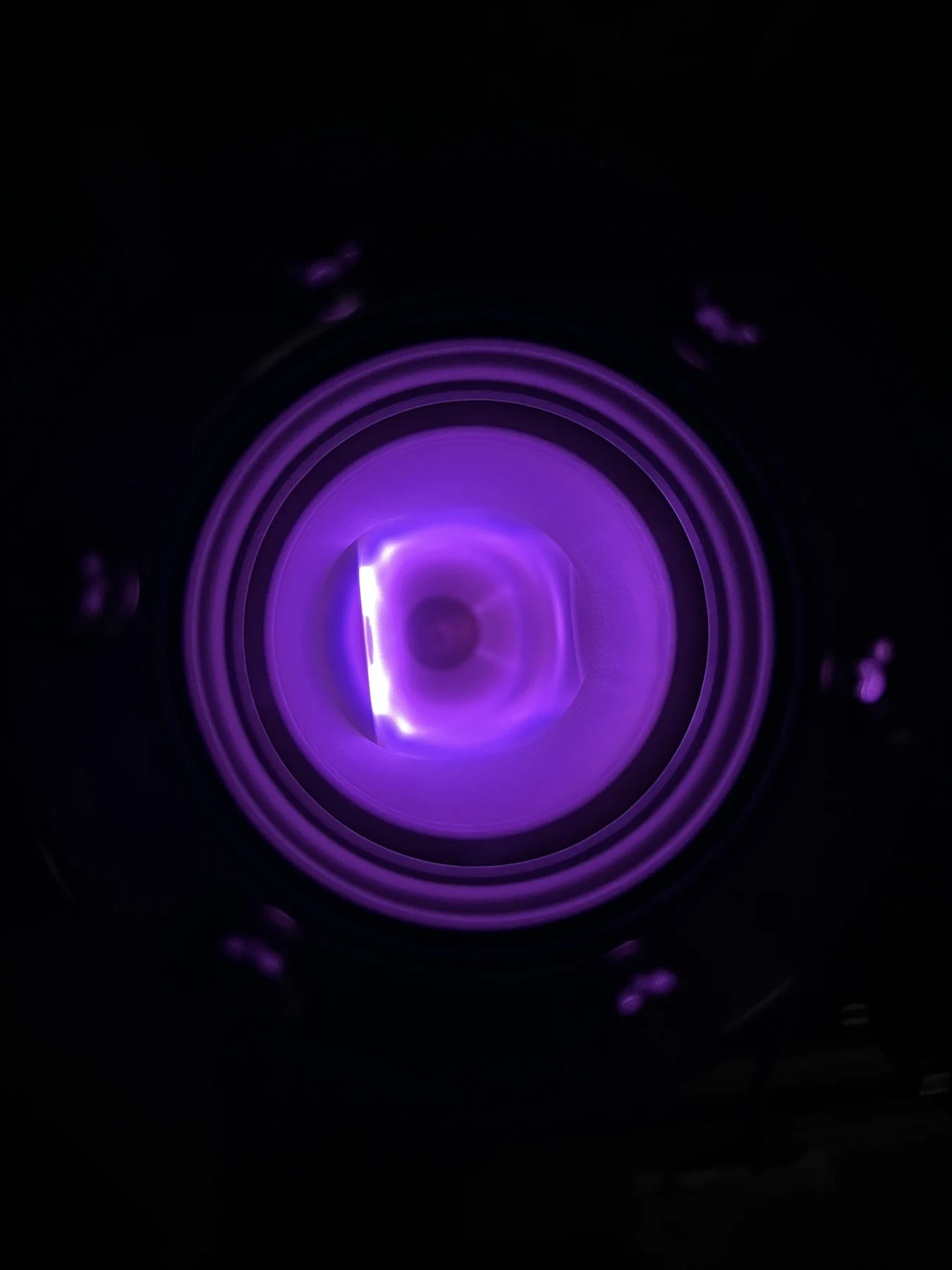
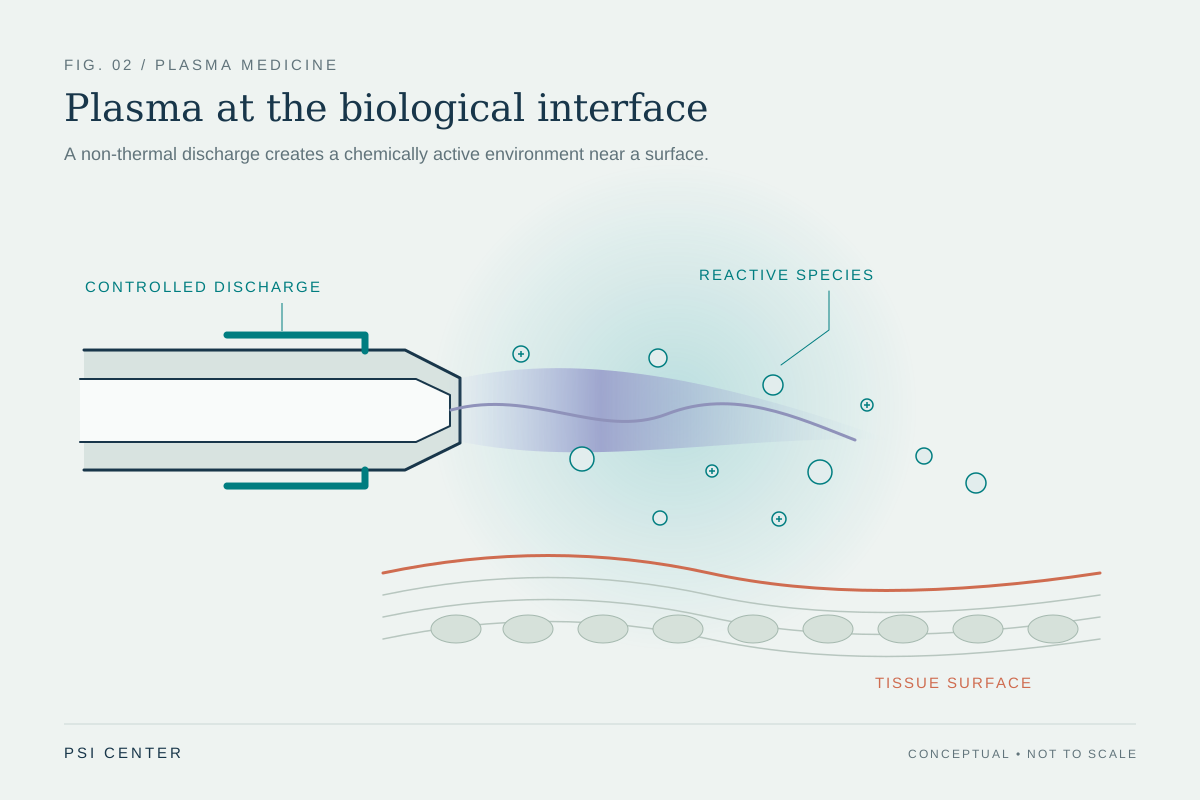
Cold atmospheric plasma, or CAP, is a gas-based treatment studied for possible effects on wounds. In this trial the equipment delivered argon-generated plasma at atmospheric pressure. The question was whether adding those applications to standard care changed wound outcomes compared with adding placebo applications—not whether plasma alone could heal ulcers.
The measured outcomes differed
The primary outcomes included wound-size reduction, clinical infection, and microbial load. The report found greater wound-area reduction and a shorter time to a relevant reduction in the CAP group, while reductions in infection and microbial load were not significantly different from placebo [1]. Those findings are distinct: an observed difference in wound surface area does not establish a corresponding effect on infection or the number of microbes.
The study reported no therapy-related adverse events during the treatment period and comparable patient perceptions during therapy [1]. That is useful information about this trial’s participants and follow-up, but a study of this size and design cannot settle every question about safety, effectiveness, or use in other settings. Outcomes need to be considered individually rather than folded into a single claim that the treatment worked.
A trial result is not a practice recommendation
The 2023 International Working Group on the Diabetic Foot guideline recommends against using other gases, including cold atmospheric plasma, compared with standard care for healing diabetes-related foot ulcers [2]. It rates the recommendation strong while describing the evidence as low certainty. The guideline’s rationale says the evidence was poor, with no studies assessed as having low risk of bias, and the overall certainty as very low [2].
This is not a contradiction that can be resolved by repeating one study’s positive result. A clinical trial asks what happened in its defined sample under its particular procedures; a guideline weighs the evidence base and its limitations for a practice recommendation. Here the guideline judged the available evidence too weak to support using CAP for this purpose. The two sources answer different questions.
Keep the treatment category clear
Cold atmospheric plasma is not the same as argon plasma coagulation. The latter heats and coagulates tissue, while the trial studied cold atmospheric plasma generated from argon gas [1]. The shared word “plasma” can obscure a major difference in how the technologies act. Gas-plasma equipment sterilization is another distinct use, with a different purpose from treating a wound.
The trial is best read narrowly: it compared one defined CAP approach plus standard care with placebo plus standard care, and reported certain wound-area differences without significant differences in infection or microbial load [1]. The guideline’s recommendation reflects broader concerns about low-certainty, biased evidence [2]. Neither source establishes CAP as routine care for diabetic foot-ulcer healing.
Explore the physics: an explanatory diagram
Sources & further reading
- Cold Atmospheric Plasma for Diabetic Foot Ulcers: Randomized Trial Stratmann et al., JAMA Network Open (2020)
- Guidelines on Interventions to Enhance Healing of Foot Ulcers: 2023 Update International Working Group on the Diabetic Foot
Prepared for the independent PSI Center reading library. About edition dates and source checking.
This explainer describes scientific principles. It does not assess individual treatment choices.