Could a treatment that appears promising for one chronic wound help another? The question sounds straightforward, but “ulcer” covers wounds with different causes, locations, and care needs. A venous leg ulcer and a diabetes-related foot ulcer are not interchangeable test cases. That matters when judging cold atmospheric plasma, a research-stage approach studied in wounds: a trial in one population cannot answer whether it helps another, and guideline recommendations must be read in their own clinical context.
Different wounds begin with different problems
Venous leg ulcers are chronic wounds associated with problems in the veins of the legs. Diabetes-related foot ulcers occur in a different setting, where factors related to diabetes and the foot affect healing and care. The shared word “ulcer” describes an open wound, but it does not make the underlying biology or treatment questions identical. Research results should be interpreted for the population and clinical setting actually studied.
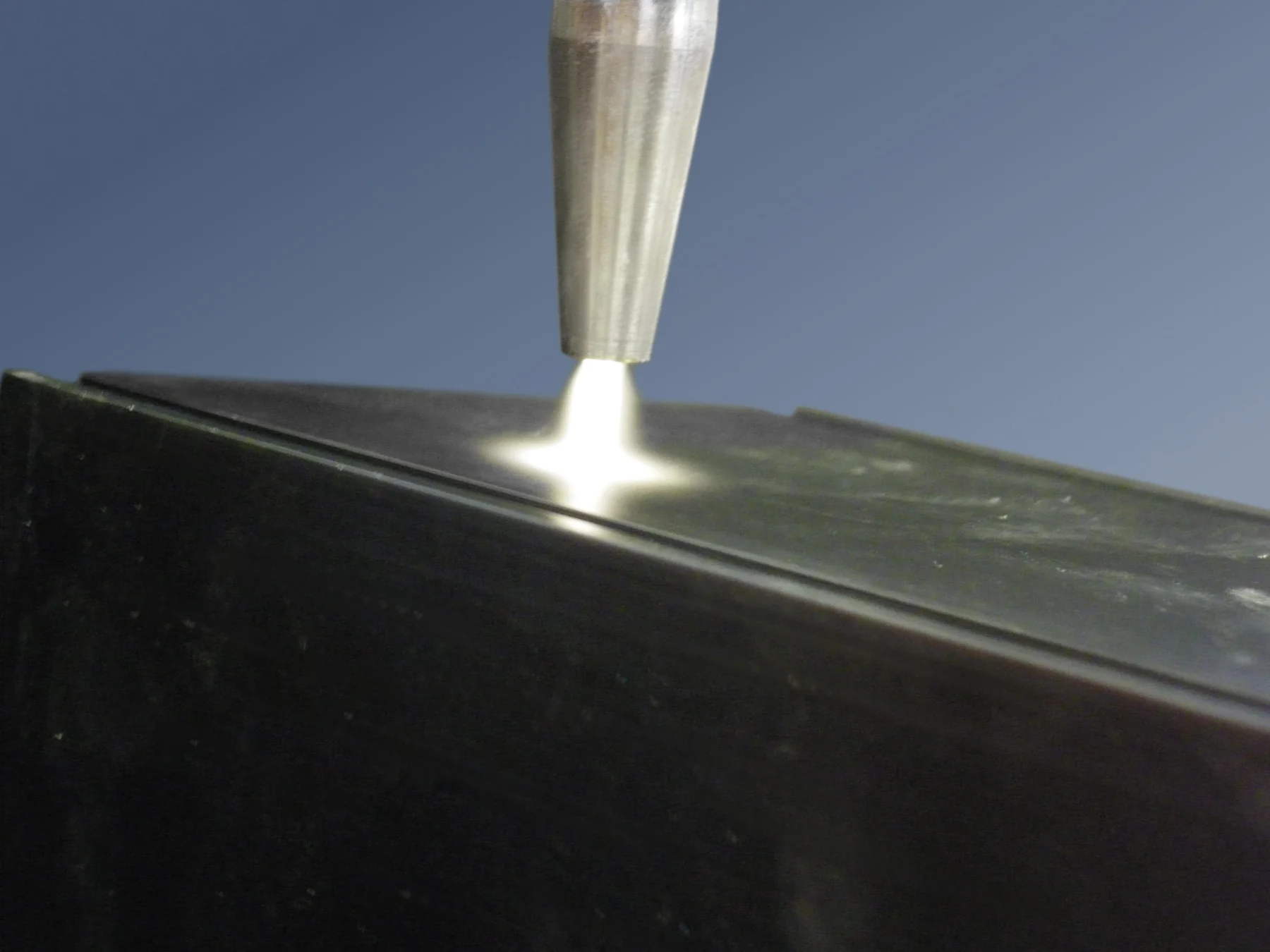
Cold atmospheric plasma, or CAP, is a partially ionized gas at near-room temperature. Researchers are investigating direct CAP as an adjunct to standard wound care. It is distinct from argon plasma coagulation, which heats and coagulates tissue, and from plasma equipment used to sterilize materials. Those technologies have different purposes; a common word does not make them the same intervention.
What a venous-ulcer trial can tell us
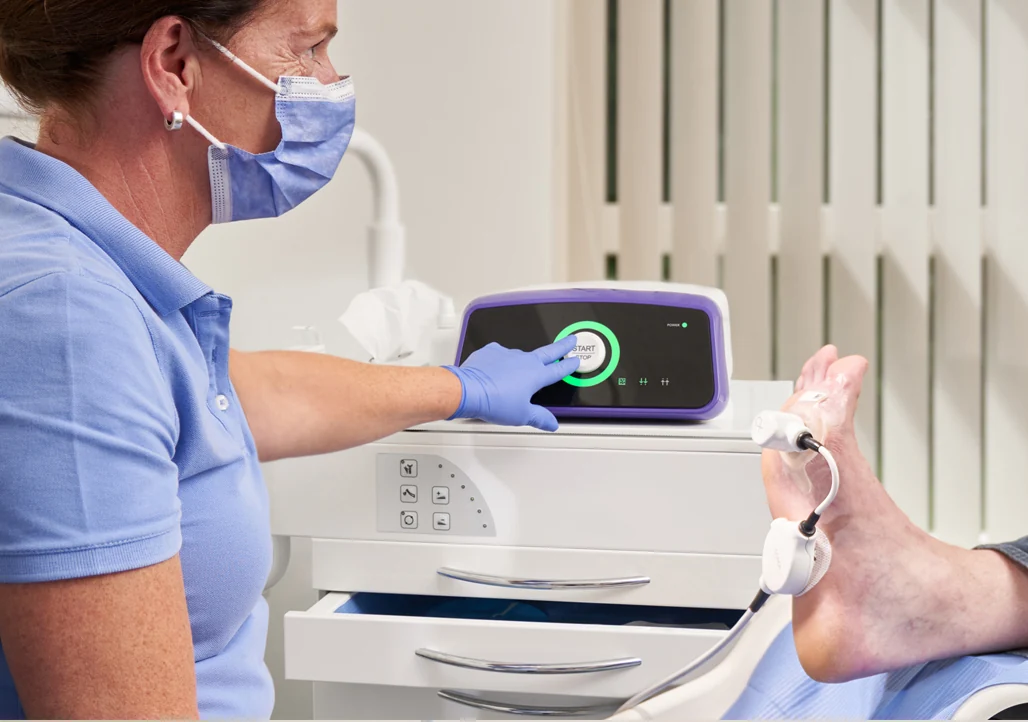
A randomized trial in the Netherlands enrolled 46 people with chronic venous leg ulcers. All groups received standard care for up to 12 weeks; two groups also received direct CAP once or twice weekly. The percentages of wounds healed were numerically higher in the CAP groups than in the standard-care group, but the differences were not statistically significant. The study reported no device-related serious adverse events [1].
Those results are a reason to continue examining the question, not a settled estimate of benefit. The trial was open-label, meaning participants and care teams knew which treatment was given, and its small groups limit how precisely the results can be interpreted. Its findings apply to the venous-ulcer population studied. They do not establish that CAP is effective for a different wound type or that it should be part of routine care.
The diabetic-foot guideline answers another question
The 2023 International Working Group on the Diabetic Foot guideline considered other gases, including CAP, for healing diabetes-related foot ulcers. It recommends against using these gases compared with standard care. The recommendation is strong, while the evidence rating is low; the guideline explains that the available studies had high risk of bias, with no studies assessed as having low risk of bias [2].
“Strong recommendation” and “low certainty” describe different things. The recommendation states what the guideline advises in practice; the certainty rating describes limitations in the evidence behind that advice. The guideline also notes that adverse events were poorly reported and that cost effectiveness and feasibility were uncertain. This is a cautious assessment of the evidence available for diabetic foot ulcers, not a claim that all wounds or all plasma technologies have been studied in the same way.
Keep the populations attached to the evidence
To compare the two bodies of evidence, keep each study’s population attached to its result. The venous-ulcer trial compared direct CAP plus standard care with standard care alone in a small randomized study. The IWGDF recommendation concerns people with diabetes-related foot ulcers and weighs a broader evidence base that the panel judged poor. Differences in ulcer cause, care context, study design, and evidence certainty prevent a simple transfer from one conclusion to the other [1] [2].
The practical lesson for research is to ask a precise question: for which wound, in which population, and alongside what standard care? A promising signal in one group can justify further investigation without overriding a guideline for another. Cold atmospheric plasma remains a research question in these contexts, and the evidence described here does not support treating the venous trial as an endorsement for diabetic-foot-ulcer care.
Sources & further reading
- Direct Cold Atmospheric Plasma for Venous Leg Ulcers: Randomized Trial Smits et al., Advances in Wound Care (2024)
- Guidelines on Interventions to Enhance Healing of Foot Ulcers: 2023 Update International Working Group on the Diabetic Foot
Prepared for the independent PSI Center reading library. About edition dates and source checking.
This explainer describes scientific principles. It does not assess individual treatment choices.