Can a brief exposure to a cool, electrically energized gas help a chronic wound close? The POWER study tested cold plasma therapy alongside standard wound care in people with non-healing arterial or venous lower-leg wounds. Its interim report described favorable outcomes in the plasma group. Reading that result carefully means asking who was studied, what the comparison was, and whether the findings answer a broader question about routine treatment.
What the study set out to compare
The POWER study was a multicenter randomized clinical trial comparing large-area cold plasma therapy plus standard wound therapy with standard wound therapy in people with chronic, non-healing arterial or venous wounds on the lower leg [1]. Random assignment is intended to make comparison groups more alike on average, while standard care provides a reference for judging an added intervention. The article’s abstract reports interim results, so its claims must be read in that context.
The authors reported faster wound closure in the cold plasma group during the intervention period, with complete closure observed only in that group during the period described. They also reported less antibiotic therapy and reductions in pain with improved quality of life [1]. Those are findings from this study population and comparison. They do not establish that the same effects occur for every kind of wound, or that cold plasma alone produced each observed difference.
Why interim evidence needs boundaries
A trial result is shaped by its participants, wound types, treatment protocol, duration, comparison group, and how outcomes are measured. The POWER population had arterial or venous lower-leg wounds; that is not interchangeable with every chronic wound or specifically with all diabetes-related foot ulcers. Interim findings can be useful for deciding what questions deserve further study, but they may not settle how benefits and harms balance across broader populations.
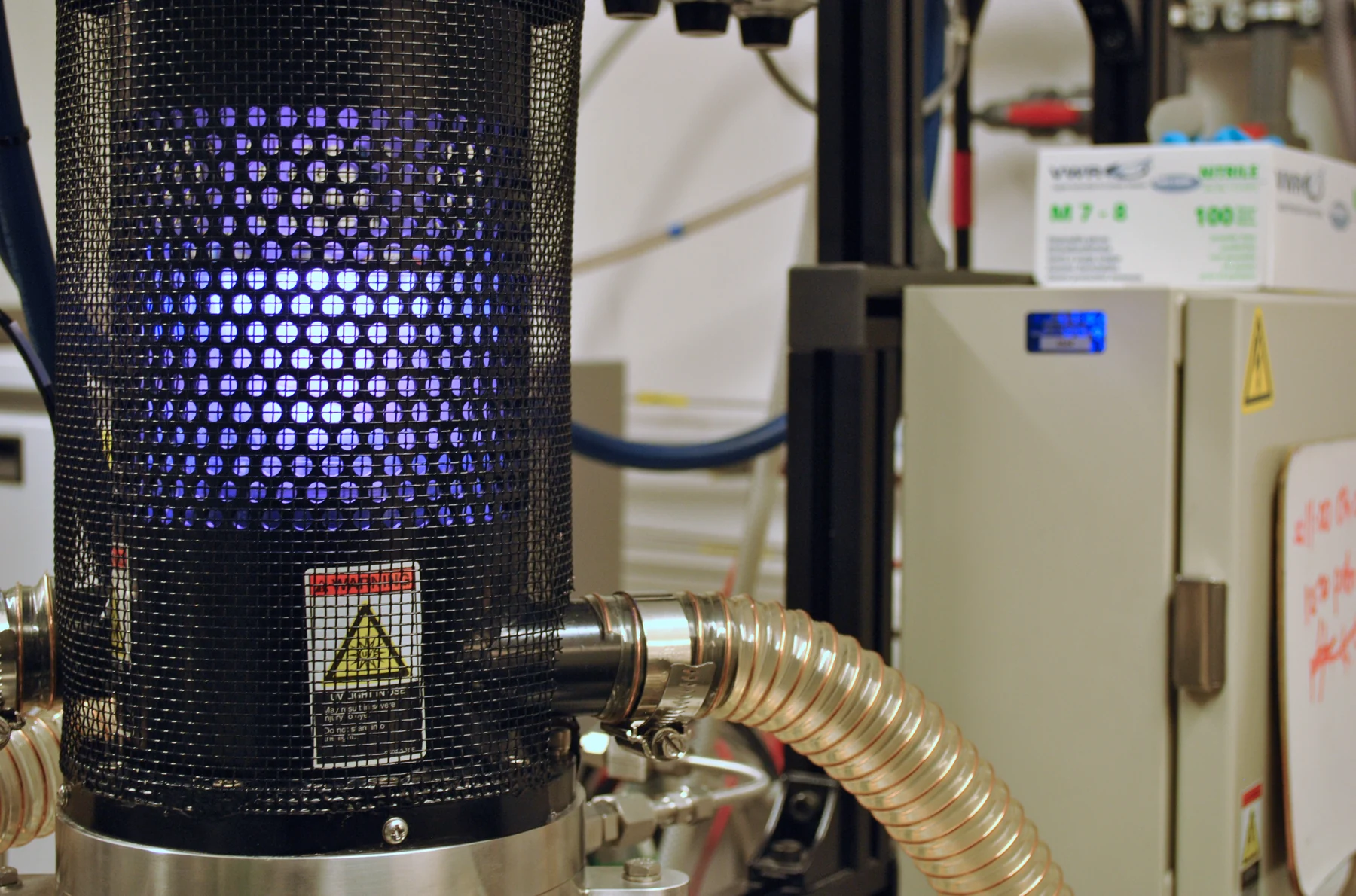
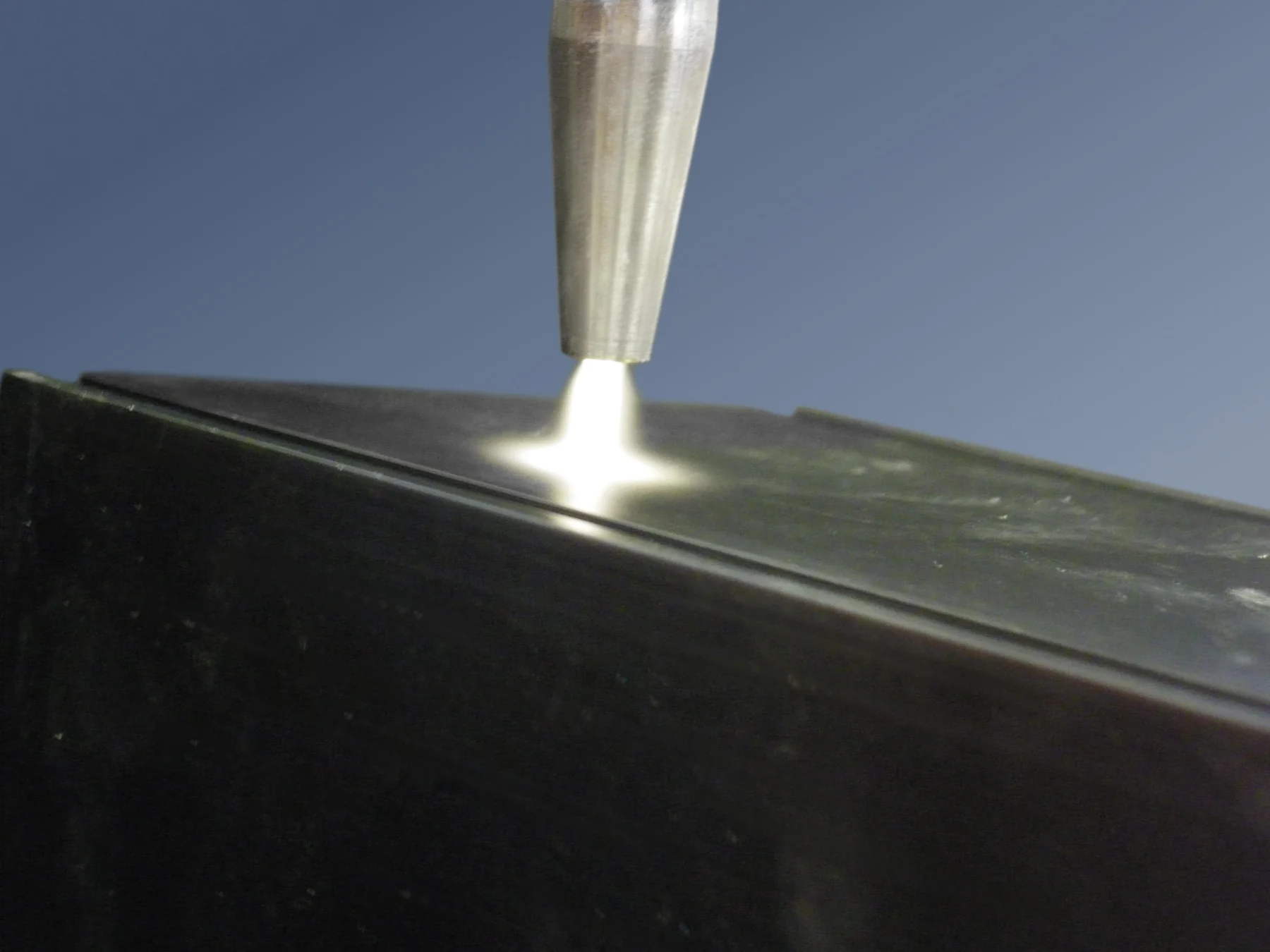
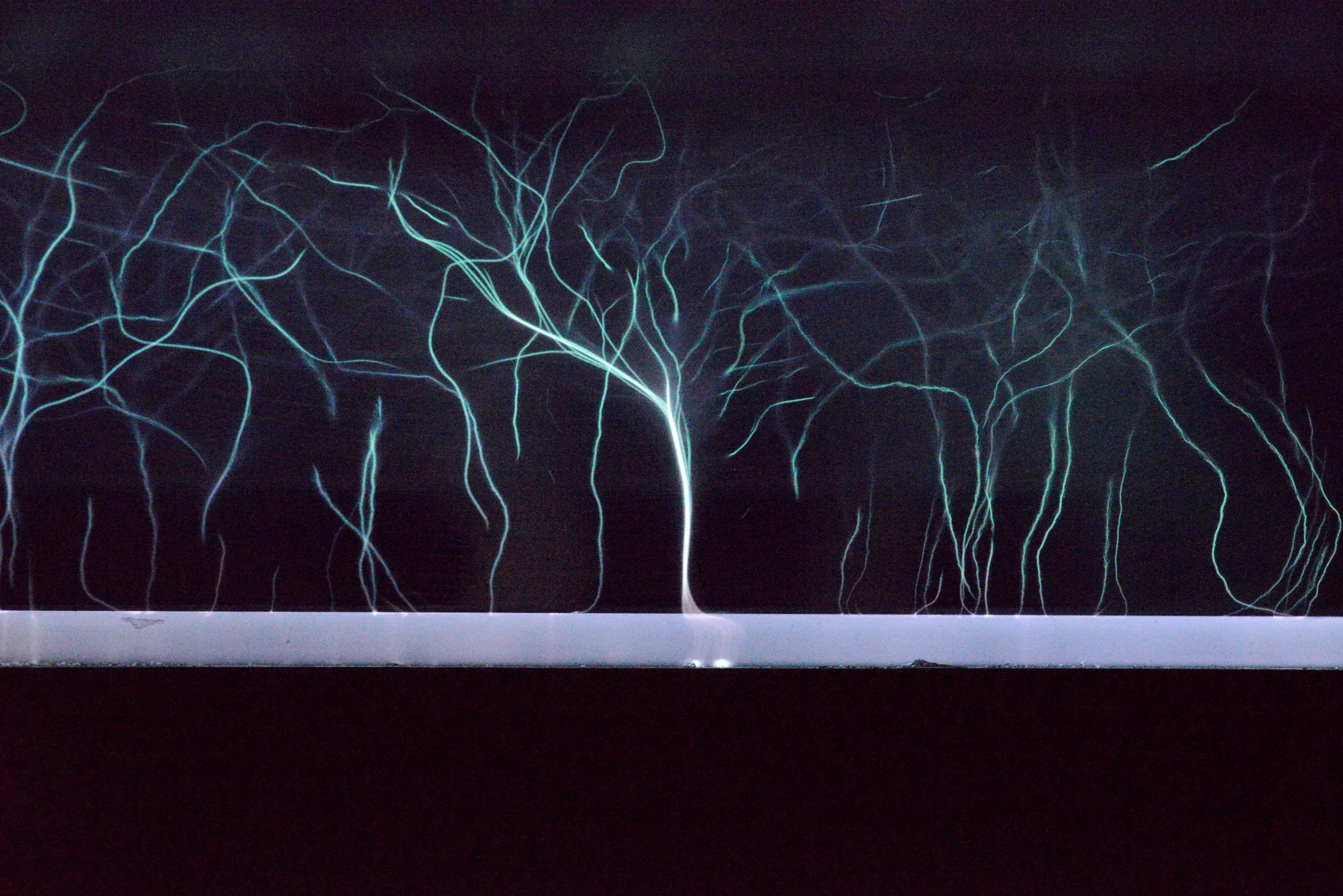
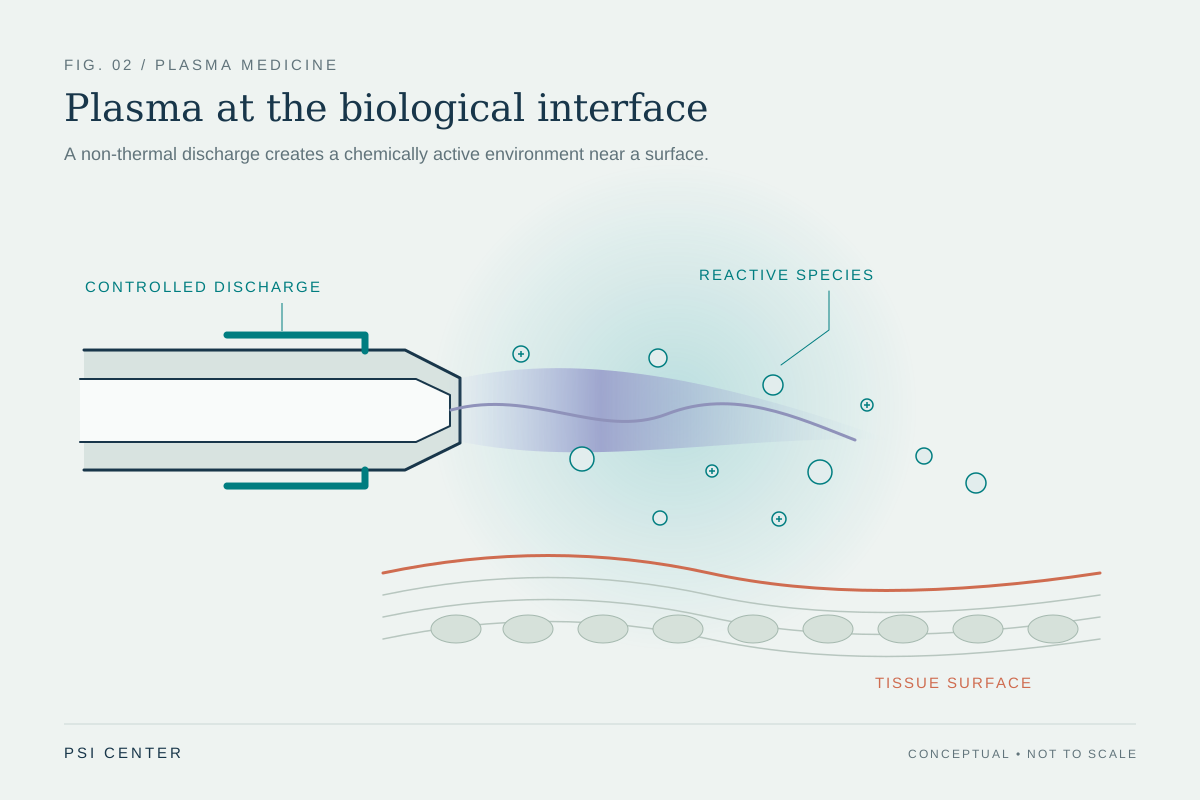
Cold atmospheric plasma is a partially ionized gas containing charged particles and reactive chemical species, delivered at temperatures intended to avoid the heating associated with conventional thermal procedures. A proposed biological mechanism—such as effects on microbes or cells—does not itself demonstrate a clinical benefit. The measured clinical outcomes and the quality of the evidence are what support claims about patients. Nor should cold atmospheric plasma be confused with argon plasma coagulation, which heats and coagulates tissue, or gas-plasma equipment sterilization, which serves a different purpose.
A guideline addresses another specific question
The 2023 International Working Group on the Diabetic Foot guideline recommends against using other gases, including cold atmospheric plasma, compared with standard care for healing diabetes-related foot ulcers [2]. It rates the recommendation strong with low certainty, and explains that the supporting evidence was poor, with no studies assessed as having low risk of bias; it also notes limited adverse-event and cost-effectiveness information [2]. This is a recommendation about diabetic foot ulcers, not a direct reanalysis of every chronic wound trial.
There is no contradiction in recognizing a promising signal in one wound population while a guideline advises against use in another context because the evidence base is weak. The trial and guideline have different scopes and answer different questions. A favorable interim result cannot override the guideline’s concern about certainty, nor does the guideline prove that no future study could find a benefit.
What a careful conclusion sounds like
The evidence supports a restrained conclusion: POWER reported encouraging interim results for adding cold plasma therapy to standard care in a defined group of chronic lower-leg wounds, while the guideline does not recommend other gases for diabetic foot-ulcer healing because the evidence is very uncertain [1] [2]. Further evaluation would need to clarify which wound types might benefit, how durable closure is, what adverse effects occur, and how the approach compares with current care.
That distinction is central to research literacy. “A study found a difference” describes an observation; “this treatment works for patients generally” is a much broader claim. The first can motivate additional investigation. The second requires evidence across relevant populations and a clear accounting of risks, practicalities, and alternatives. For this reason, an interim clinical trial should be treated as research evidence, not as endorsement of routine care.
Explore the physics: an explanatory diagram
Sources & further reading
- Cold Plasma Therapy in Chronic Wounds: POWER Preliminary Results Strohal et al., Journal of Clinical Medicine (2023)
- Guidelines on Interventions to Enhance Healing of Foot Ulcers: 2023 Update International Working Group on the Diabetic Foot
Prepared for the independent PSI Center reading library. About edition dates and source checking.
This explainer describes scientific principles. It does not assess individual treatment choices.