If a wound contains fewer bacteria after a treatment, has it healed? Not necessarily. Bacterial burden is one part of a wound’s environment, while closure depends on blood supply, tissue condition, inflammation, and other factors. Cold atmospheric plasma has been studied as a way to reduce microbes without applying a hot flame, but evidence of a change in bacteria cannot by itself establish that wounds close faster or more reliably.
What “cold” plasma means
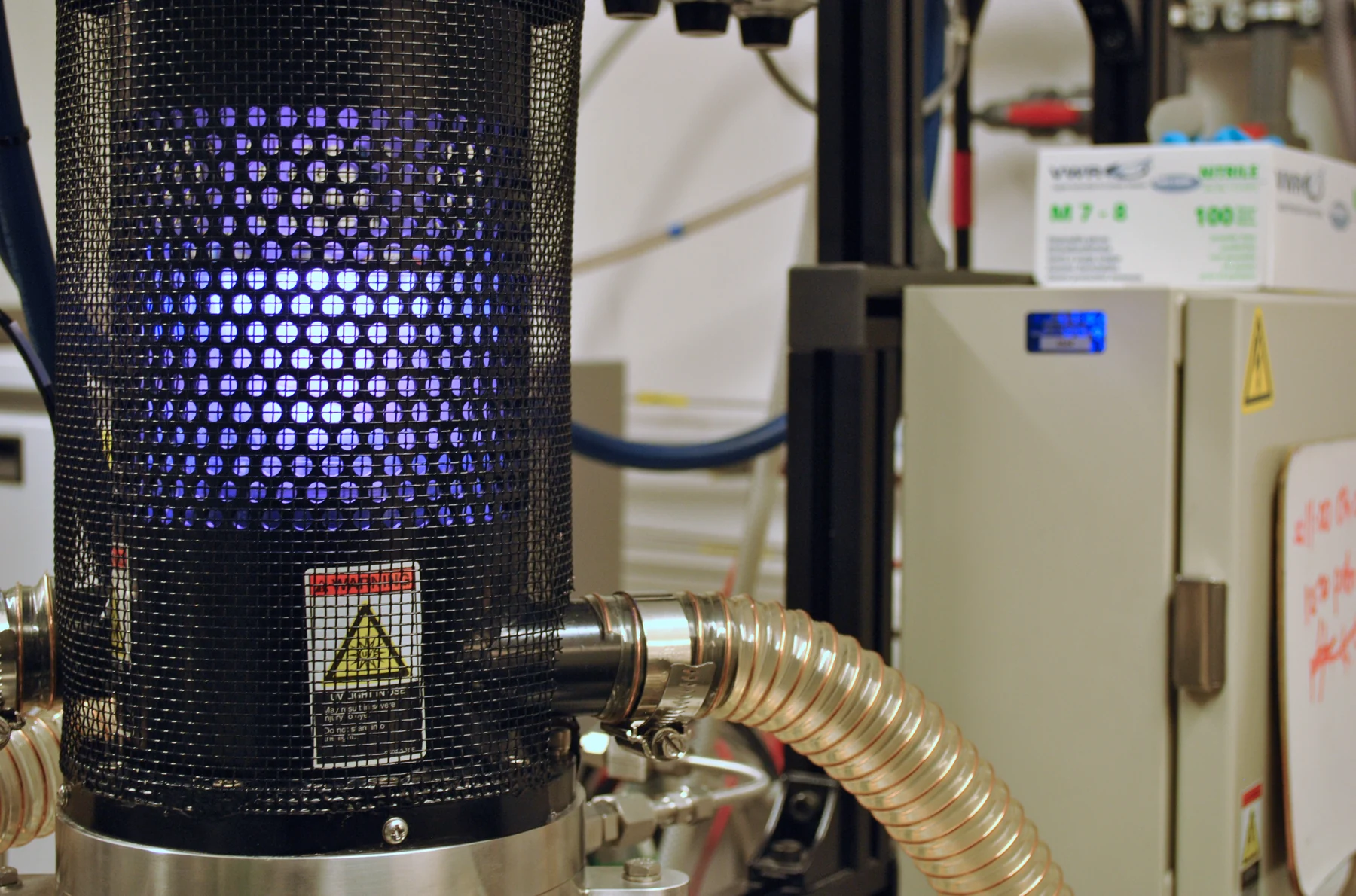
Plasma is an ionized gas: a gas containing electrically charged particles and reactive species. In cold atmospheric plasma (CAP), the gas can remain near room temperature even though energetic electrons and reactive molecules participate in chemical reactions. Researchers study whether these short-lived agents can affect microorganisms at a wound surface.
The word “plasma” also appears in other medical contexts, but the purposes differ. Argon plasma coagulation uses heat to coagulate tissue. CAP wound research instead concerns cold plasma interacting with microbes and tissue. Equipment that uses gas plasma to sterilize instruments has a further distinct purpose: processing equipment, not treating a wound.
A bacterial count answers a narrow question
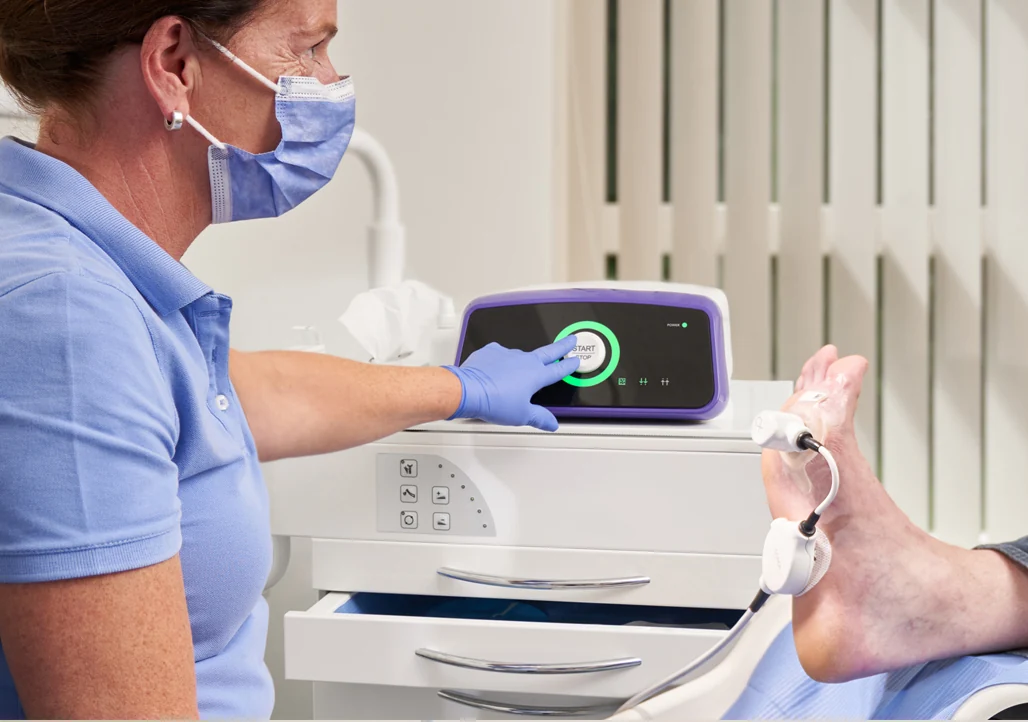
Bacteria can colonize chronic wounds, and that can hinder healing. In a randomized phase II study, 38 chronic infected wounds in 36 people received cold atmospheric argon plasma alongside standard wound care; investigators analyzed 291 treatments and reported a reduction in bacterial load in treated wounds [1]. This result addresses the microbial measurement taken in that study.
It does not, on its own, show that a wound fully closed, remained closed, or avoided complications. A reduction in one measured factor is a possible step in a causal chain, not the whole chain. For example, lowering the number of bacteria would not automatically restore circulation to poorly supplied tissue or reverse pressure that repeatedly injures a foot.
Healing is a whole-tissue outcome
A wound must form and maintain new tissue, build or use an adequate blood supply, and withstand ordinary stresses. Infection control may matter, but so can ulcer depth, pressure, nerve damage, and a person’s broader health. A clinical study that measures bacterial load therefore differs from one designed to establish meaningful healing outcomes over time.
This distinction is familiar outside medicine: cleaning a patch of soil can reduce a contaminant without proving that a plant will grow there. Similarly, a laboratory demonstration that plasma kills bacteria does not establish patient benefit. Even a clinical trial’s result must be interpreted in light of its design, comparison group, measured outcomes, and limitations.
What the guideline concludes
For diabetes-related foot ulcers, the 2023 International Working Group on the Diabetic Foot guideline recommends against using other gases, including CAP, in comparison with standard care for the purpose of wound healing [2]. It rates the recommendation strong and the evidence low; its rationale describes the evidence as poor, with no studies assessed as having low risk of bias and overall certainty very low.
That recommendation makes the present evidence boundary clear. The earlier trial’s bacterial-load finding remains a research result, not an endorsement for routine wound care. The guideline also notes gaps in adverse-event reporting, costs, and practical information. Understanding the difference between a plausible mechanism, an intermediate measurement, and a demonstrated clinical outcome helps keep enthusiasm proportional to evidence.
Sources & further reading
- Cold Atmospheric Argon Plasma on Chronic Wounds: Randomized Trial Isbary et al., British Journal of Dermatology (2010)
- Guidelines on Interventions to Enhance Healing of Foot Ulcers: 2023 Update International Working Group on the Diabetic Foot
Prepared for the independent PSI Center reading library. About edition dates and source checking.
This explainer describes scientific principles. It does not assess individual treatment choices.