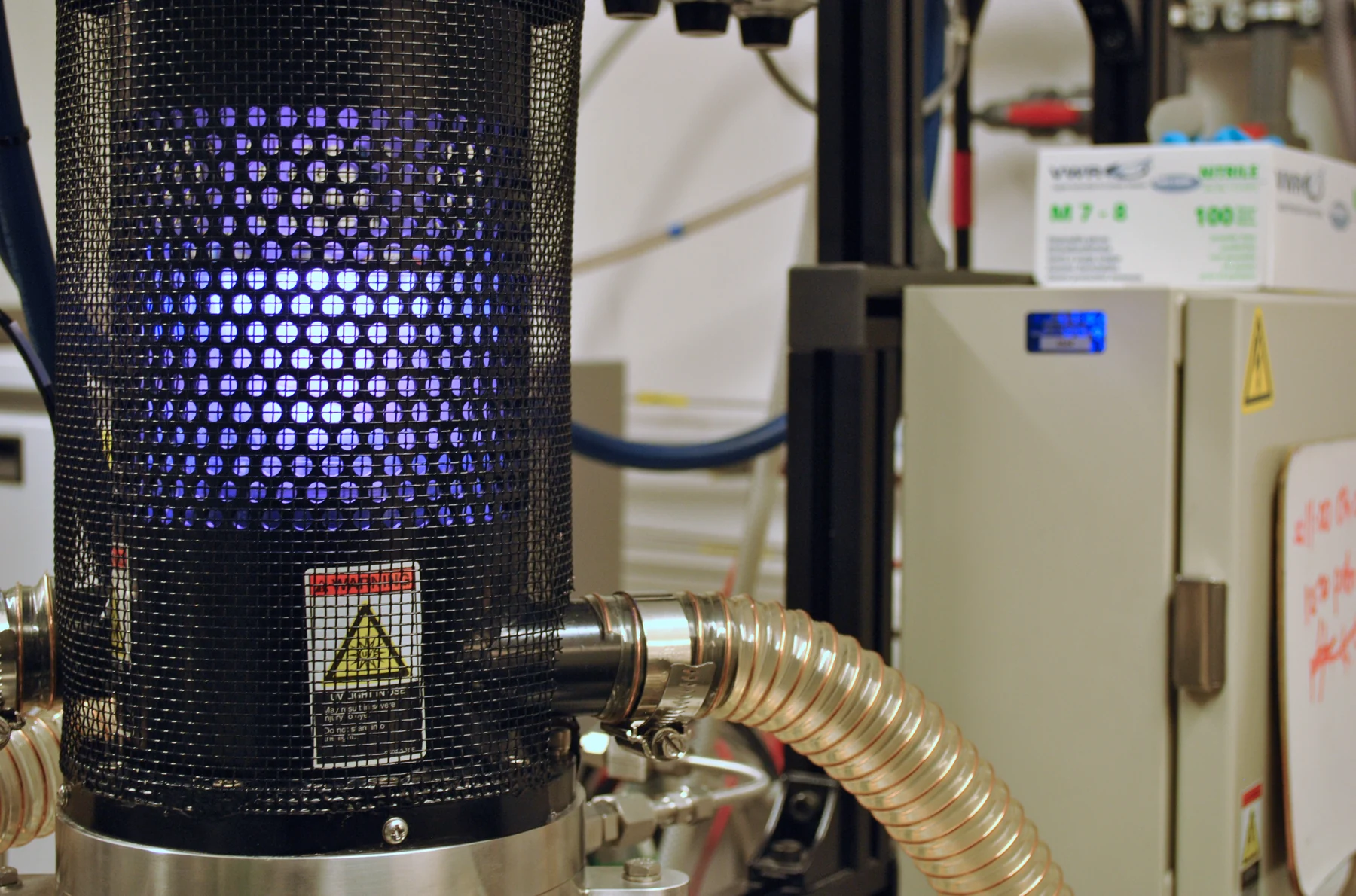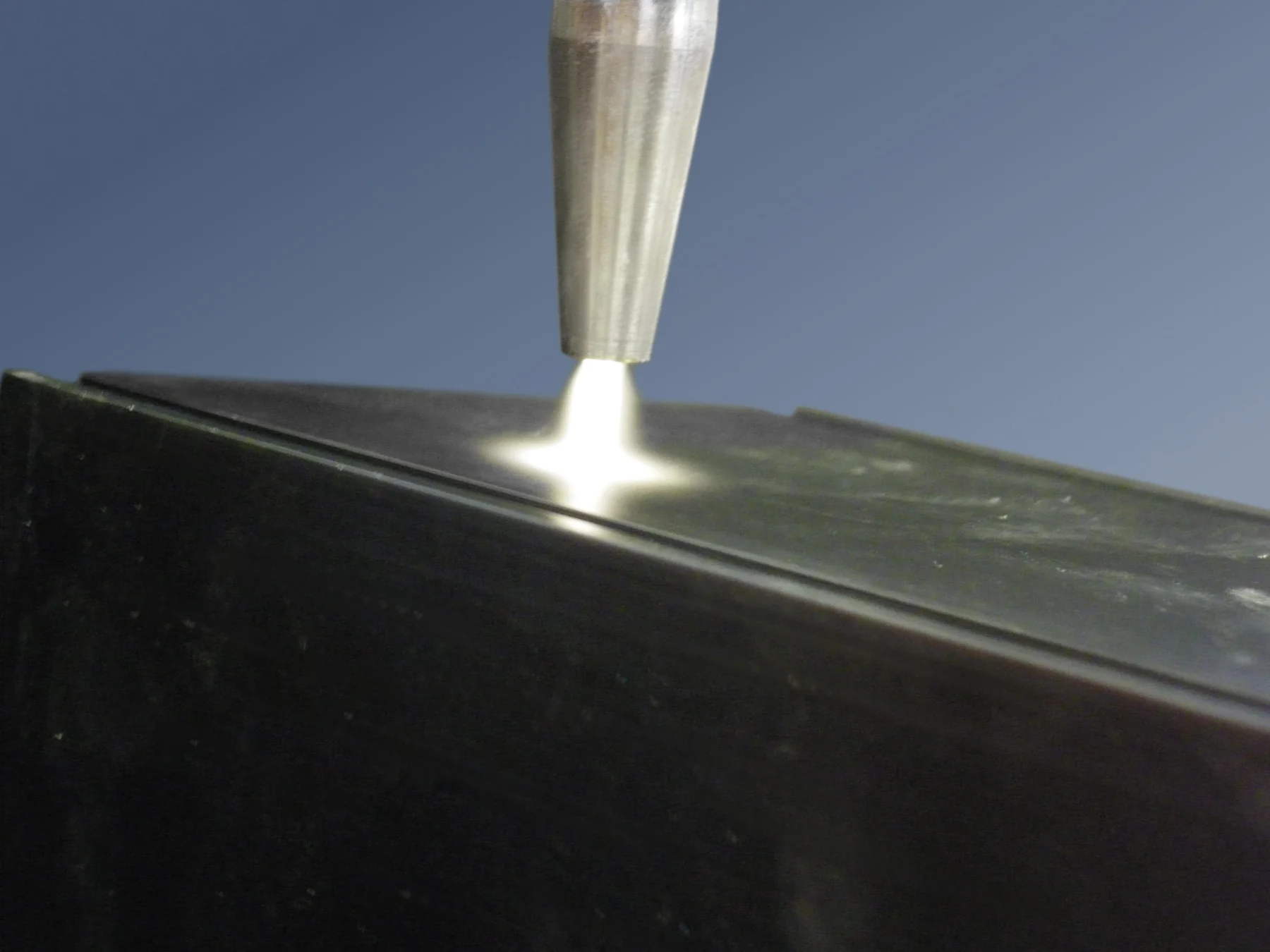
When a headline says “plasma treatment,” what kind of plasma does it mean—and what did the treatment actually do? The word can point to very different tools. Cold atmospheric plasma, hot argon plasma used in endoscopy, and plasma used to sterilize equipment are not interchangeable. The first step in reading a medical claim is to identify the device and the question it was tested to answer.
One word, several physical jobs
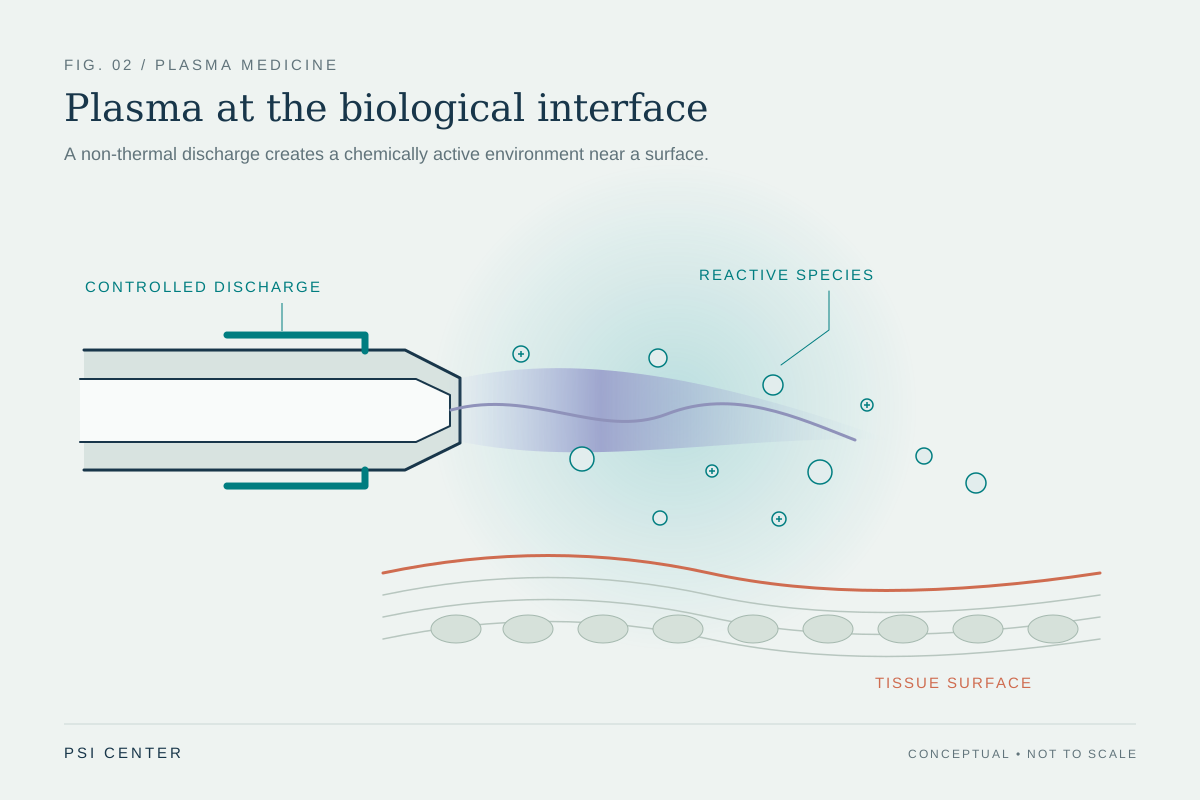
In physics, plasma is an energized gas containing charged particles. That broad definition covers systems built to deliver very different conditions. Cold atmospheric plasma devices produce reactive species while operating near ordinary atmospheric pressure; the “cold” label distinguishes their operating conditions from hot plasmas, not a promise of zero biological effect.
Argon plasma coagulation, used in medical procedures, applies heat to coagulate tissue. Plasma equipment sterilization has yet another job: it is used to decontaminate instruments or materials. Neither use tells us whether cold atmospheric plasma improves a wound or treats cancer. A headline that skips the device and its intended use may blur distinct technologies.
A cancer study can be about safety
A phase I study is an early clinical trial. The first phase of a cold atmospheric plasma cancer study involved 20 people with stage IV or recurrent solid tumors who received the device during surgery. Safety was the primary endpoint; the researchers also followed other measures, including recurrence and survival [2]. That design can provide initial information about using the device in that setting. [3]
It does not establish a cure, cancer effectiveness across patients, or general approval for the therapy. The study combined plasma treatment with surgical resection, so its findings cannot simply be credited to plasma alone. Numbers reported for patient groups may look striking, but small samples and differences among patients make them uncertain. A headline should reflect the study’s primary question and limits.
Wound headlines meet a guideline
For diabetes-related foot ulcers, a 2023 guideline from the International Working Group on the Diabetic Foot recommends against using other gases, including cold atmospheric plasma, in comparison with standard care. The recommendation is strong, while the evidence certainty is low; the guideline explains that the available studies had high risk of bias and very low certainty overall [1].
That distinction matters. Low-certainty evidence does not prove that an intervention can never work. It does mean the evidence does not support relying on it for that clinical purpose. The guideline’s recommendation concerns wound healing in people with diabetes-related foot ulcers, not every conceivable application of plasma. A promising laboratory mechanism cannot override a clinical evidence assessment.
A short headline-reading routine
Try four questions. First, which plasma technology is named? Second, what was the device meant to do? Third, who was studied, and at what research stage? Fourth, what outcome was measured? “Changed cells,” “showed no related adverse events in a small study,” and “improved healing compared with standard care” make different claims and require different evidence.
Then look for what else happened alongside the intervention. In the cancer study, surgery was part of the treatment context. In wound care, the guideline compares gases with standard care and notes weaknesses in the evidence. Reading those details turns a vivid headline into a bounded claim. Plasma medicine is a field of research, not one treatment with one proven effect; the physical process, clinical setting, and quality of evidence all matter.
Explore the physics: an explanatory diagram
Sources & further reading
- Guidelines on Interventions to Enhance Healing of Foot Ulcers: 2023 Update International Working Group on the Diabetic Foot
- First Cold Atmospheric Plasma Phase I Trial for Advanced Solid Tumors Canady et al., Cancers (2023)
- Learn About Clinical Trials National Eye Institute
Prepared for the independent PSI Center reading library. About edition dates and source checking.
This explainer describes scientific principles. It does not assess individual treatment choices.