How can a gas deliver a chemical signal to a living surface without becoming a hot flame? Cold atmospheric plasma is an electrically energized gas that can generate reactive oxygen and nitrogen species, often shortened to RONS. These reactive molecules can participate in biological chemistry. The interesting question is how their short-lived reactions influence tissue, and what evidence is needed before a proposed effect counts as a treatment benefit.
A gas with charged and neutral ingredients
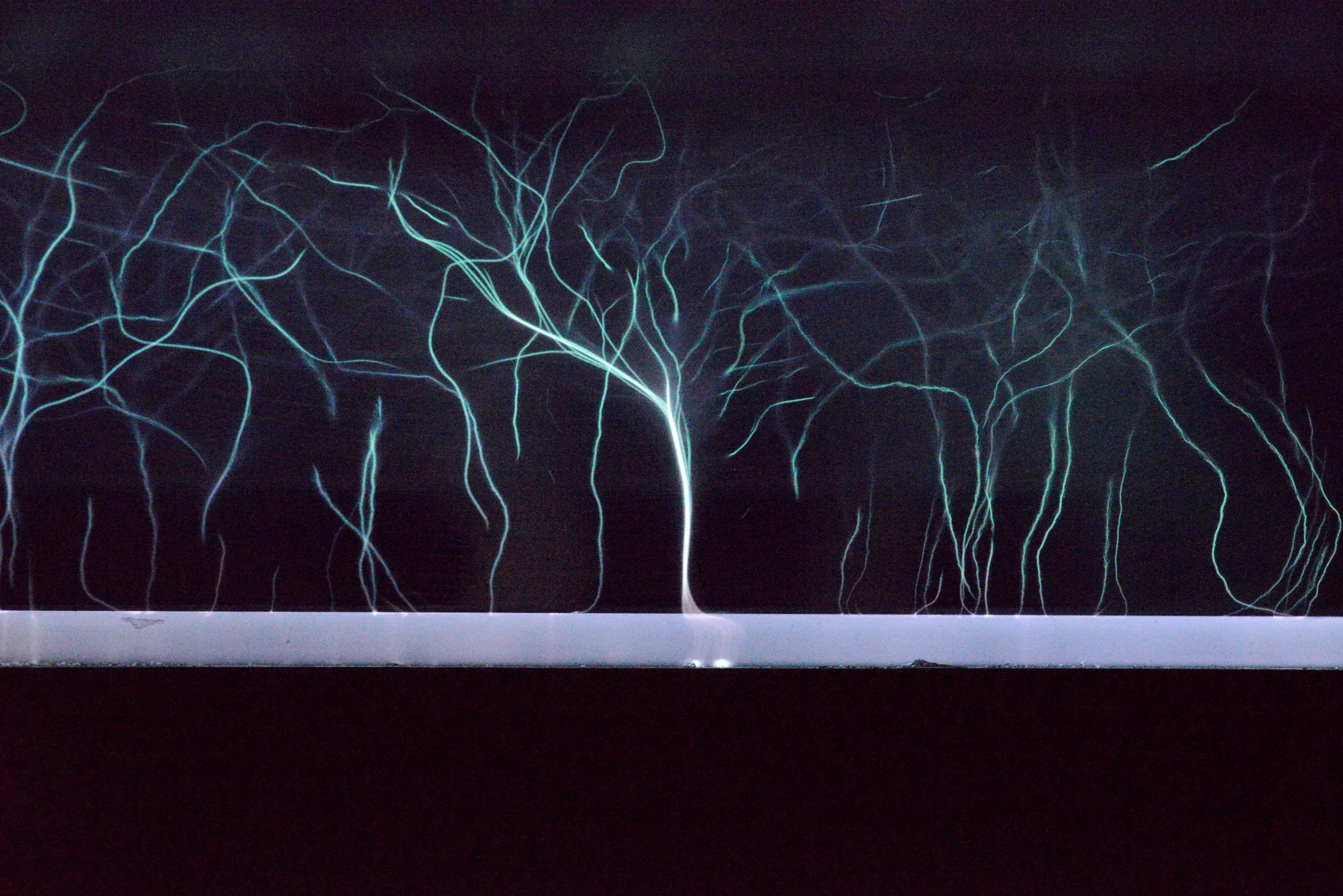
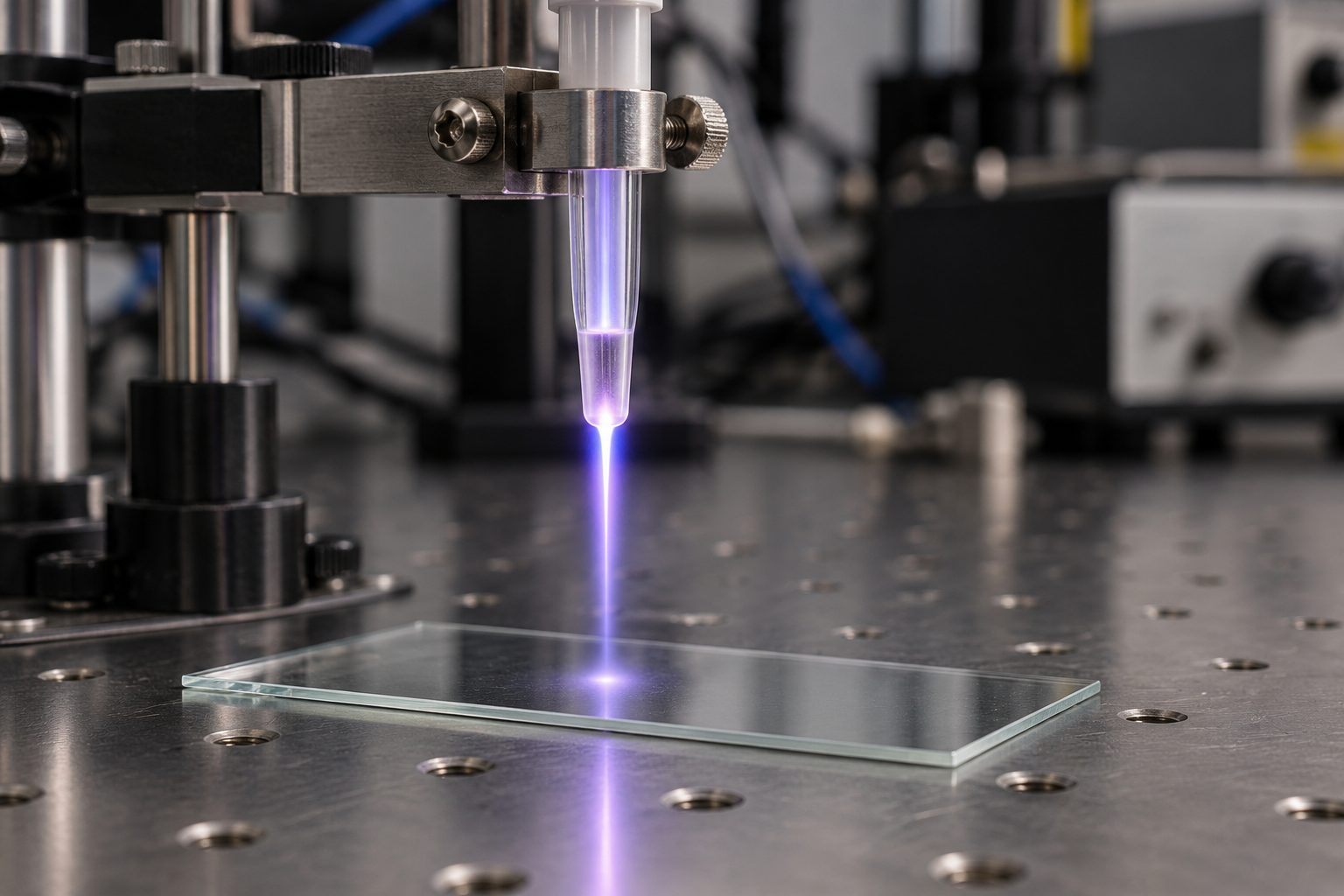
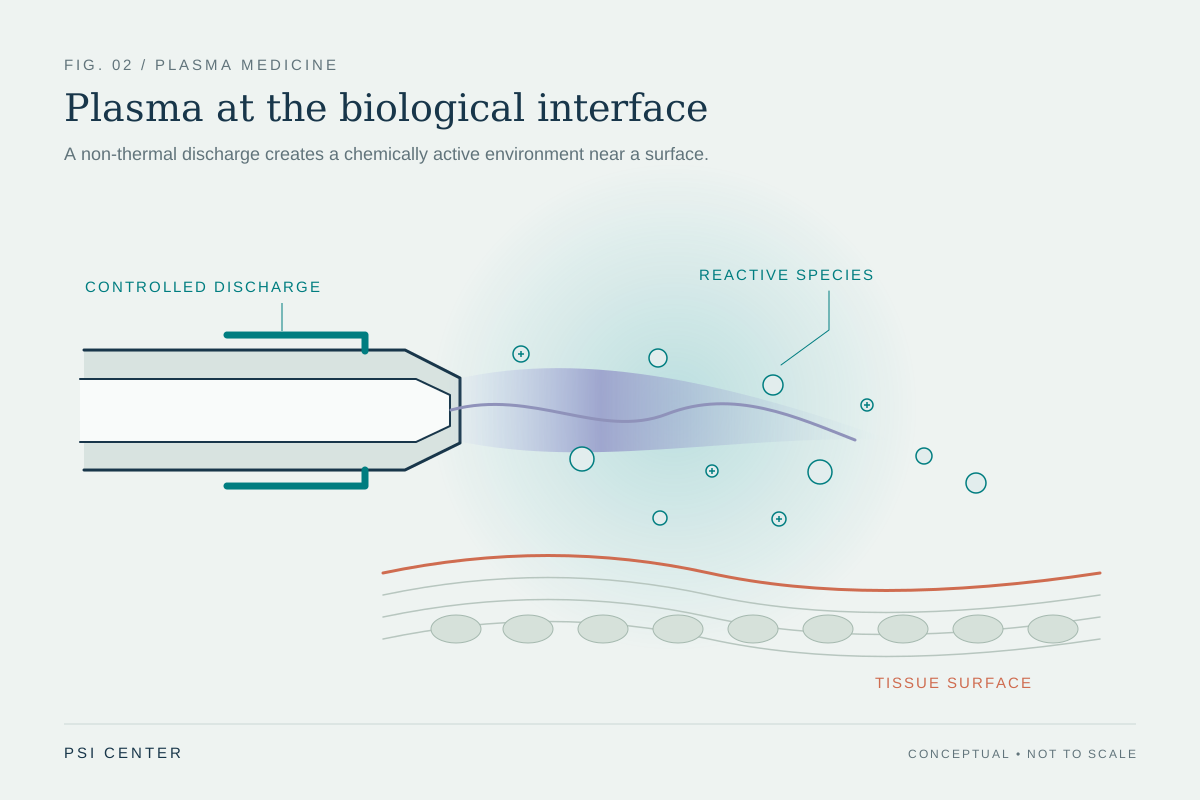
Plasma is a partially ionized gas containing free electrons, ions, and neutral atoms or molecules. Because its charged particles respond to electric fields, plasma can sustain current and drive chemical reactions. Cold atmospheric plasma systems are designed for operation near atmospheric pressure and are used in research on interactions with body surfaces and living tissue. The term “cold” distinguishes these systems from very hot plasmas, but does not mean the gas contains no energy or reactive chemistry. [2]
Among the products can be reactive oxygen and nitrogen species: chemically active forms of oxygen or nitrogen. Some persist longer than others, and they can react with molecules in the surrounding environment. One can picture them as messengers only in a limited chemical sense: they alter reaction pathways through contact, but they are not targeted instructions carrying a guaranteed message to a particular cell. The outcome depends on which species are present, their amounts, exposure conditions, and the tissue environment.
The same chemistry can have different effects
Cells already use reactive molecules in ordinary biology, and can also be affected by oxidative or nitrosative stress when reactive chemistry disrupts important structures. A local change may influence microbes, cell signaling, or tissue responses, but “reactive” does not mean automatically helpful or harmful. Chemical identity, location, duration, and dose all matter, and the balance can differ between cell types and experimental conditions.
This context dependence is one reason plasma medicine is a research field rather than a single therapy with one effect. A dish experiment can show that a treatment changes cells under controlled conditions. It cannot by itself show that the same exposure improves healing or safely controls a tumor in a person. Moving from mechanism to clinical evidence requires progressively stronger studies that measure outcomes in the relevant patients.
Wound questions need clinical evidence
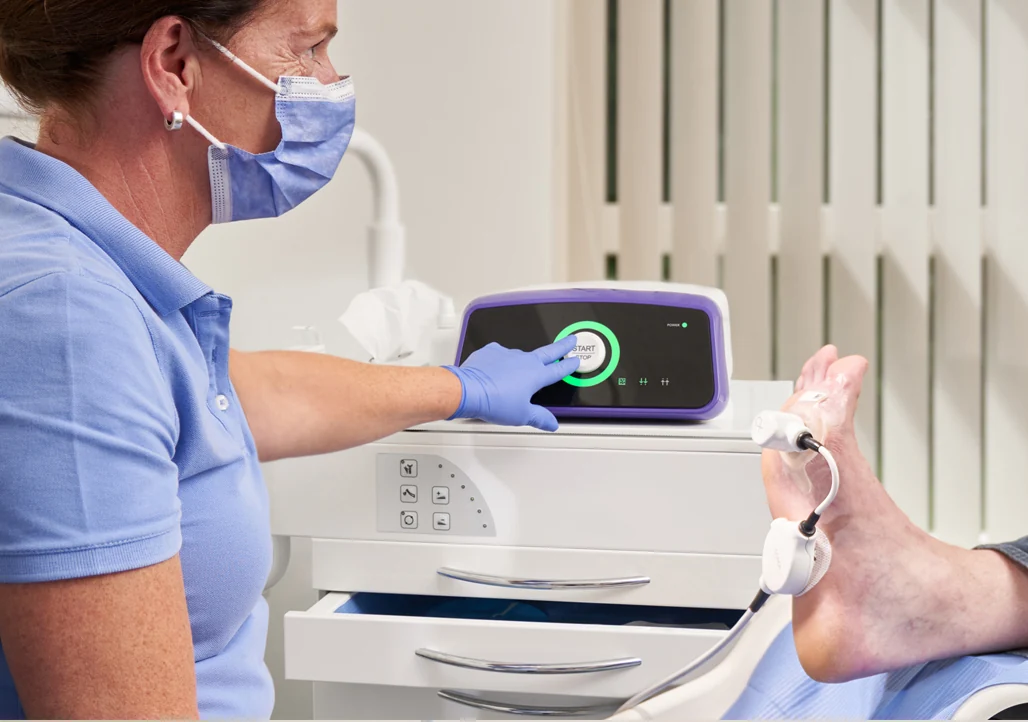
Cold atmospheric plasma sources have been studied for disinfection of body surfaces and for possible effects on wound healing. The Leibniz Institute for Plasma Science and Technology describes clinical studies and a German guideline recommendation for treatment of chronic and infected wounds. That account provides context about research and practice in that setting, but recommendations and evidence can differ across populations and health systems. [2]
For diabetes-related foot ulcers, the 2023 International Working Group on the Diabetic Foot guideline recommends against other gases, including cold atmospheric plasma, for promoting ulcer healing, citing low-certainty evidence with bias concerns. That caution matters: plausible chemistry and promising individual findings do not override the quality and consistency of clinical evidence. Trials of plasma approaches should not be read as routine-care endorsement. [3]
Cancer research is not a cure claim
A phase I study reported treatment with a cold plasma device during surgery for 20 patients with advanced or recurrent solid tumors. Its primary focus was safety alongside surgical resection. The study is a small, early clinical investigation; it does not establish that cold plasma is effective against cancer generally, that it is a cure, or that the therapy has general FDA approval. Its results must be interpreted within those limits. [1] [4]
Different technologies called “plasma” also have different purposes. Argon plasma coagulation uses heat to coagulate tissue. Cold atmospheric plasma research focuses on reactive chemistry at relatively low gas temperatures, while gas-plasma equipment sterilization is intended to process equipment. These are not interchangeable applications. RONS offer a compelling bridge between physics and biology, but clinical claims must follow the particular device, indication, and evidence rather than the shared word plasma. [1]
Explore the physics: an explanatory diagram
Sources & further reading
- First Cold Atmospheric Plasma Phase I Trial for Advanced Solid Tumors Canady et al., Cancers (2023)
- Wound Healing and Antisepsis Leibniz Institute for Plasma Science and Technology
- Guidelines on Interventions to Enhance Healing of Foot Ulcers: 2023 Update International Working Group on the Diabetic Foot
- Learn About Clinical Trials National Eye Institute
Prepared for the independent PSI Center reading library. About edition dates and source checking.
This explainer describes scientific principles. It does not assess individual treatment choices.