The word plasma can describe very different medical technologies. Argon plasma coagulation uses heat to coagulate tissue, while cold atmospheric plasma is studied for antimicrobial and wound-related effects with clinical evidence that remains mixed.
Plasma medicine includes distinct technologies and claims. To judge them, identify the device, the patient outcome, the comparison group, and the quality and phase of the evidence.
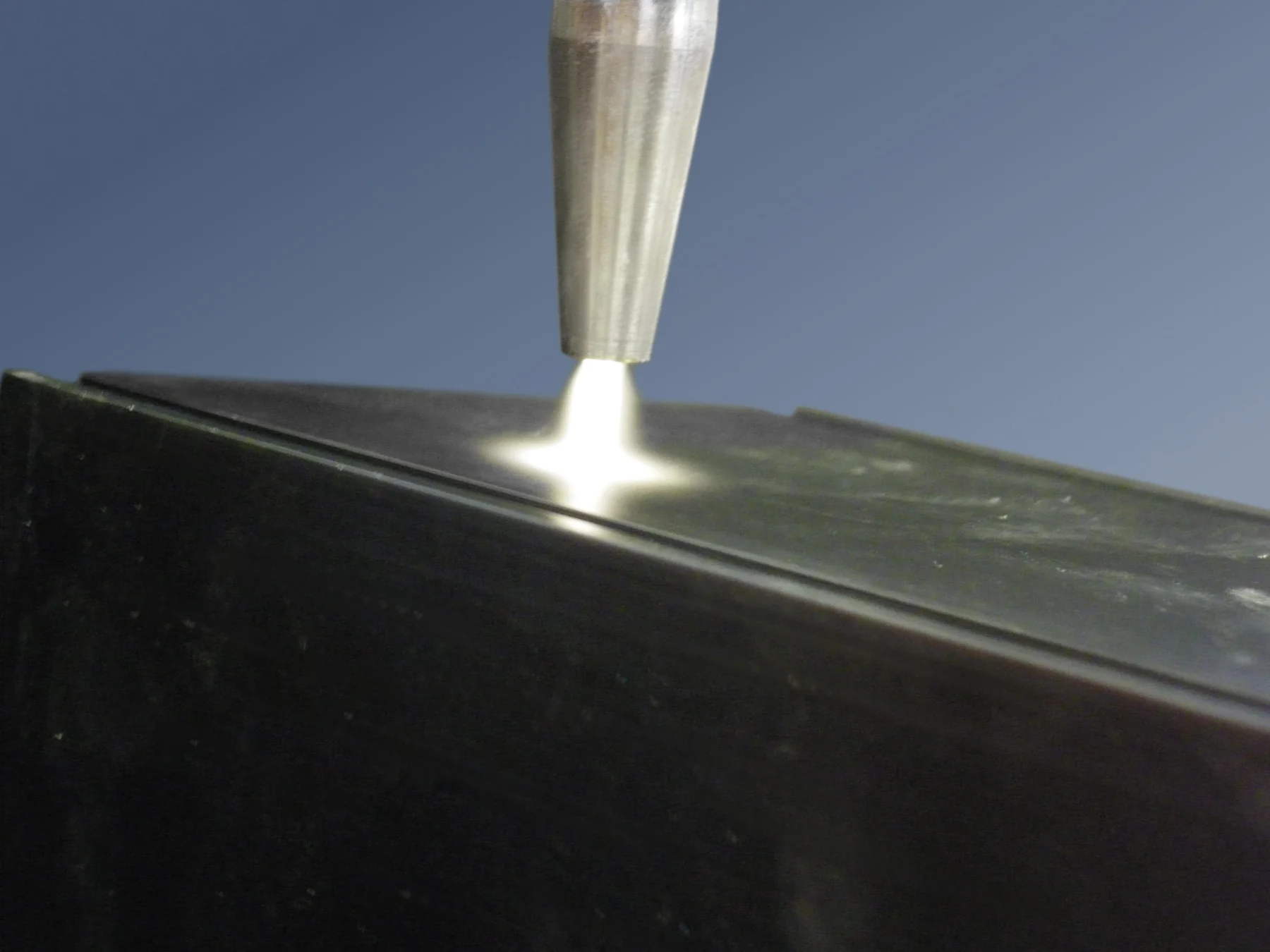
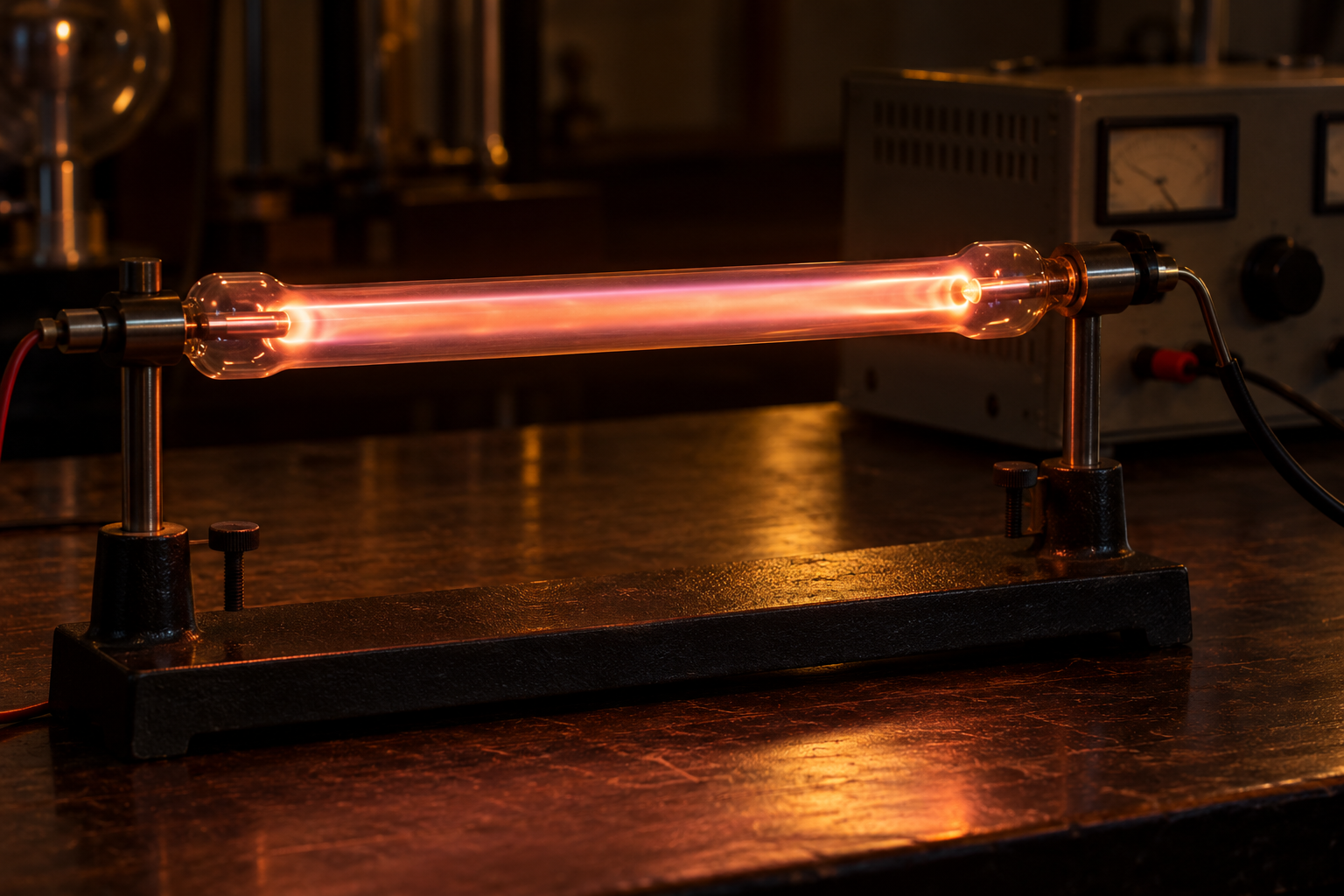
Argon plasma coagulation uses an electrically conducting gas to deliver heat across a small gap. Its surgical role depends on how the gas, electrical field, tissue, and instrument geometry work together.
Killing bacteria in a dish and helping a wound heal are separate achievements. Cold atmospheric plasma research illustrates why promising mechanisms and early trials must be weighed against clinical evidence and guidelines.
A randomized wound study reported promising changes in ulcer area, while a guideline weighed a wider, uncertain evidence base. The difference illustrates how study results and clinical recommendations answer distinct questions.
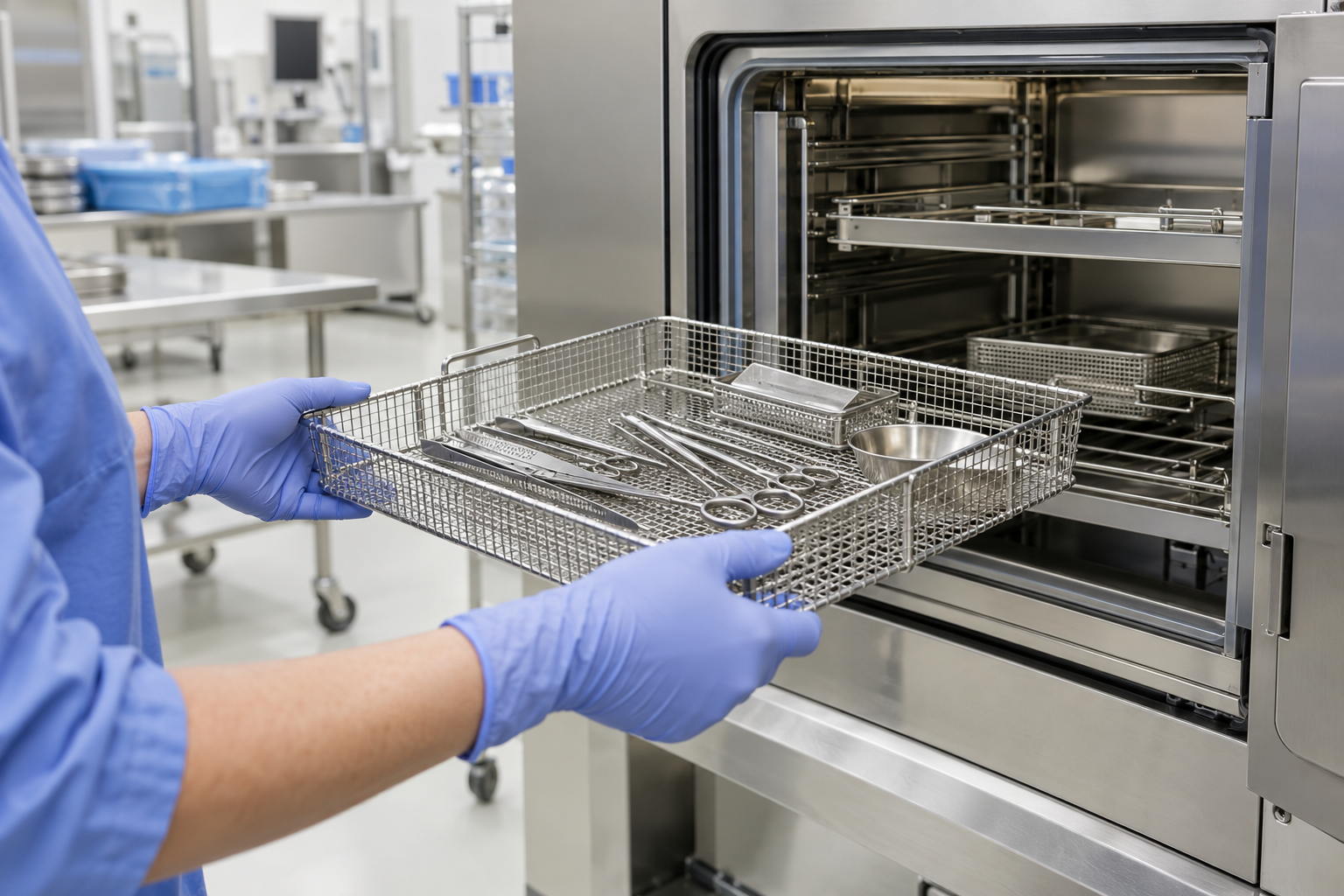
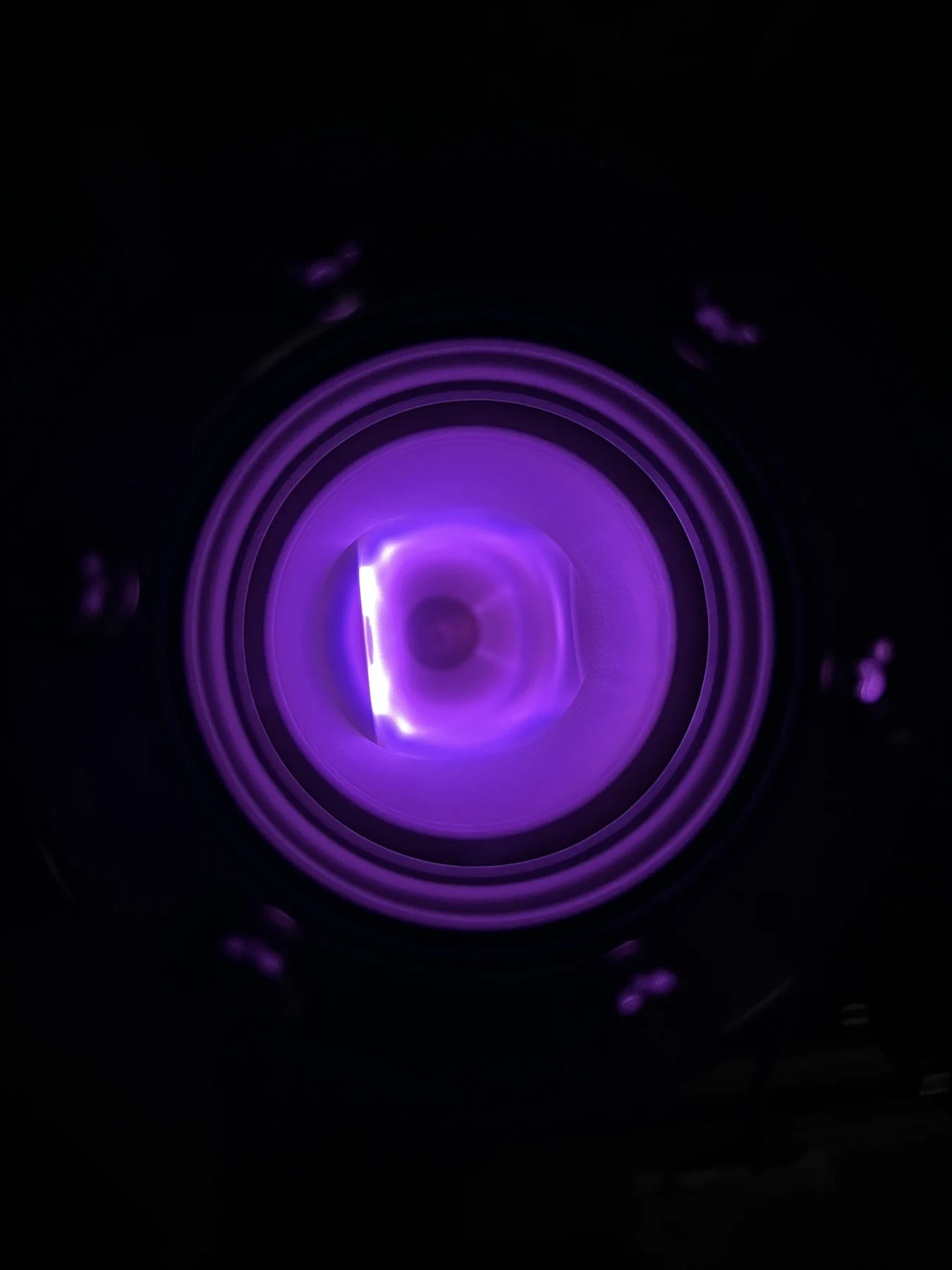
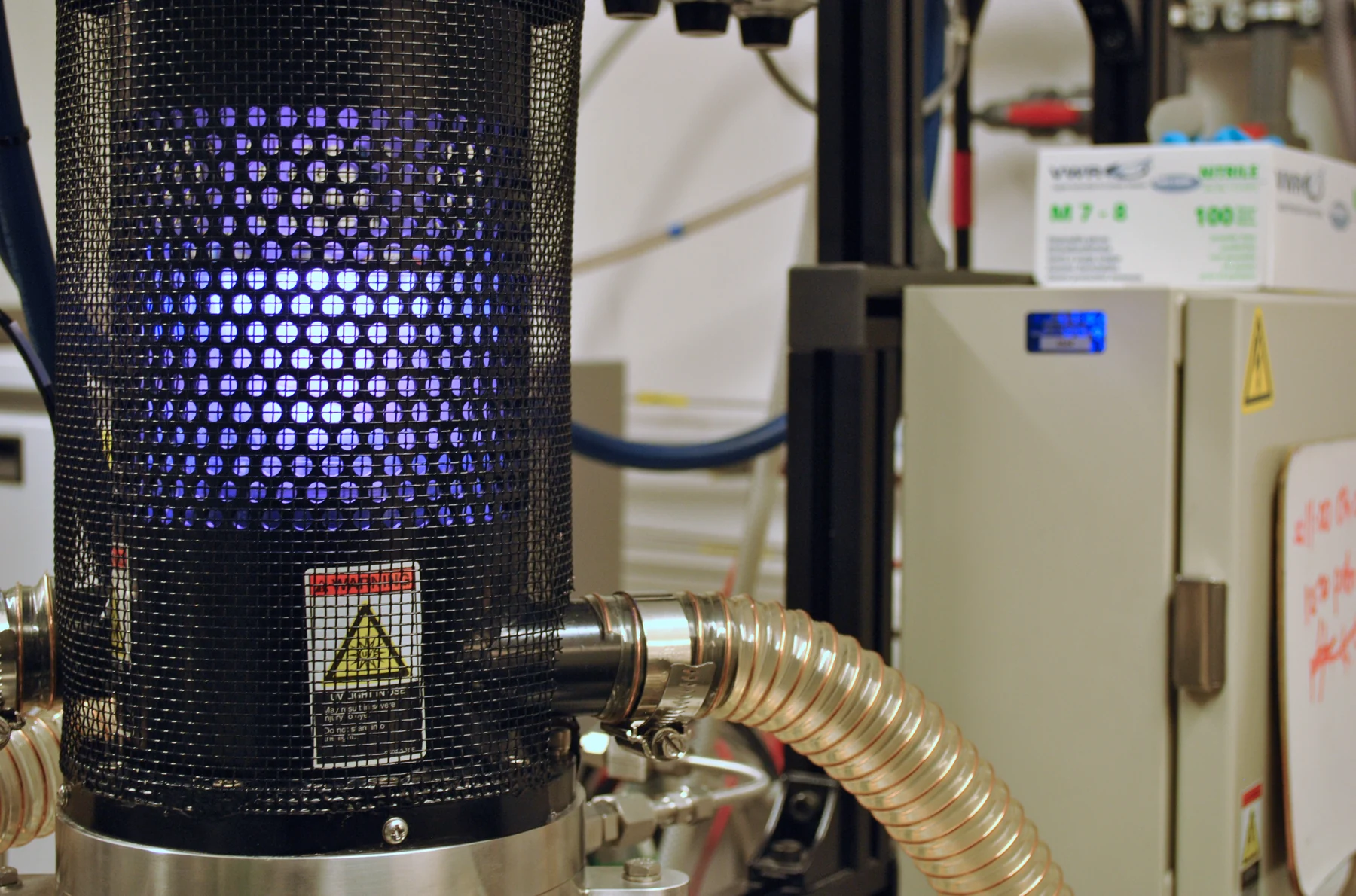
The word plasma describes technologies with very different operating conditions and purposes. A sealed chamber can sterilize compatible devices, while cold atmospheric plasma is studied for living tissue and has uncertain clinical evidence.
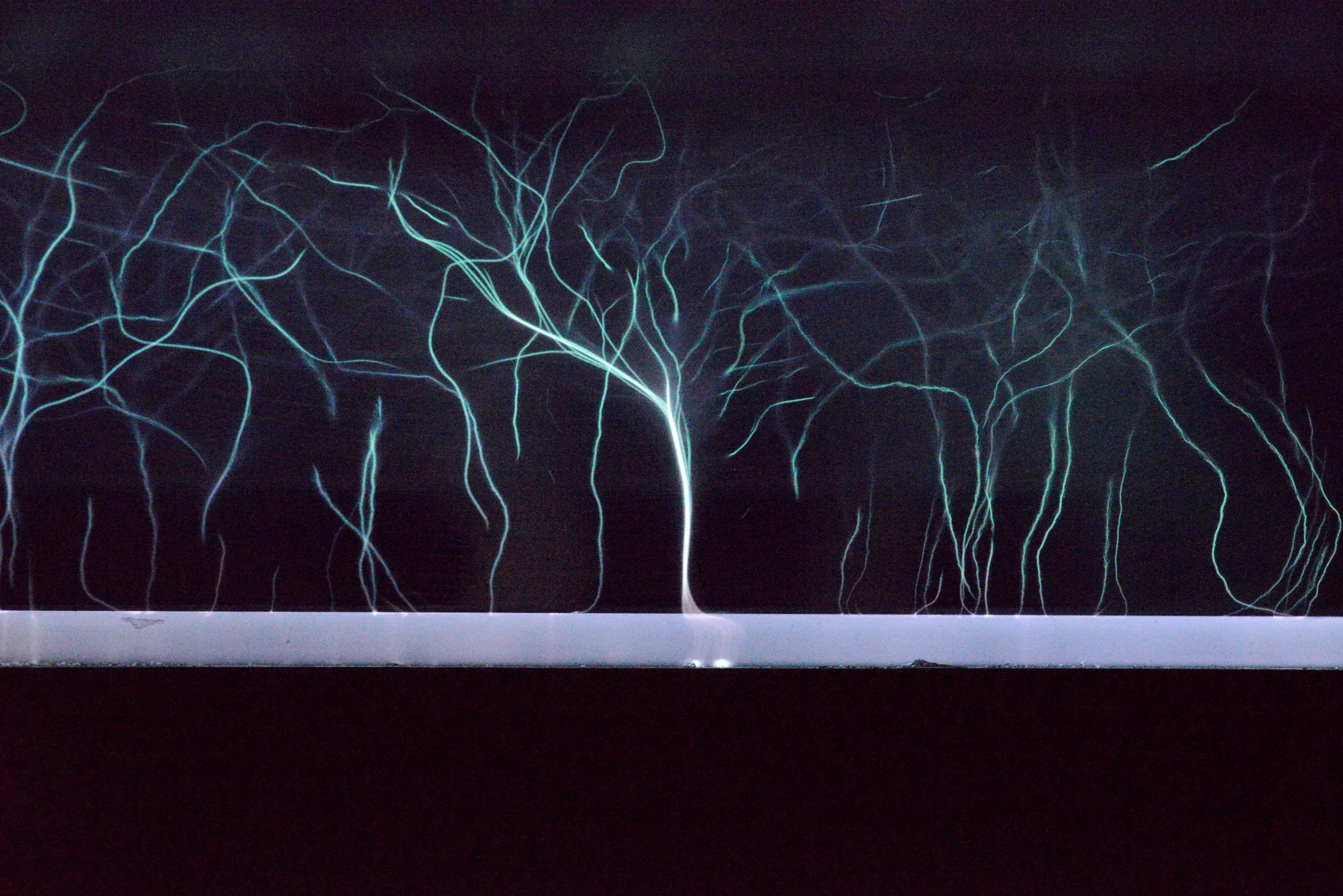
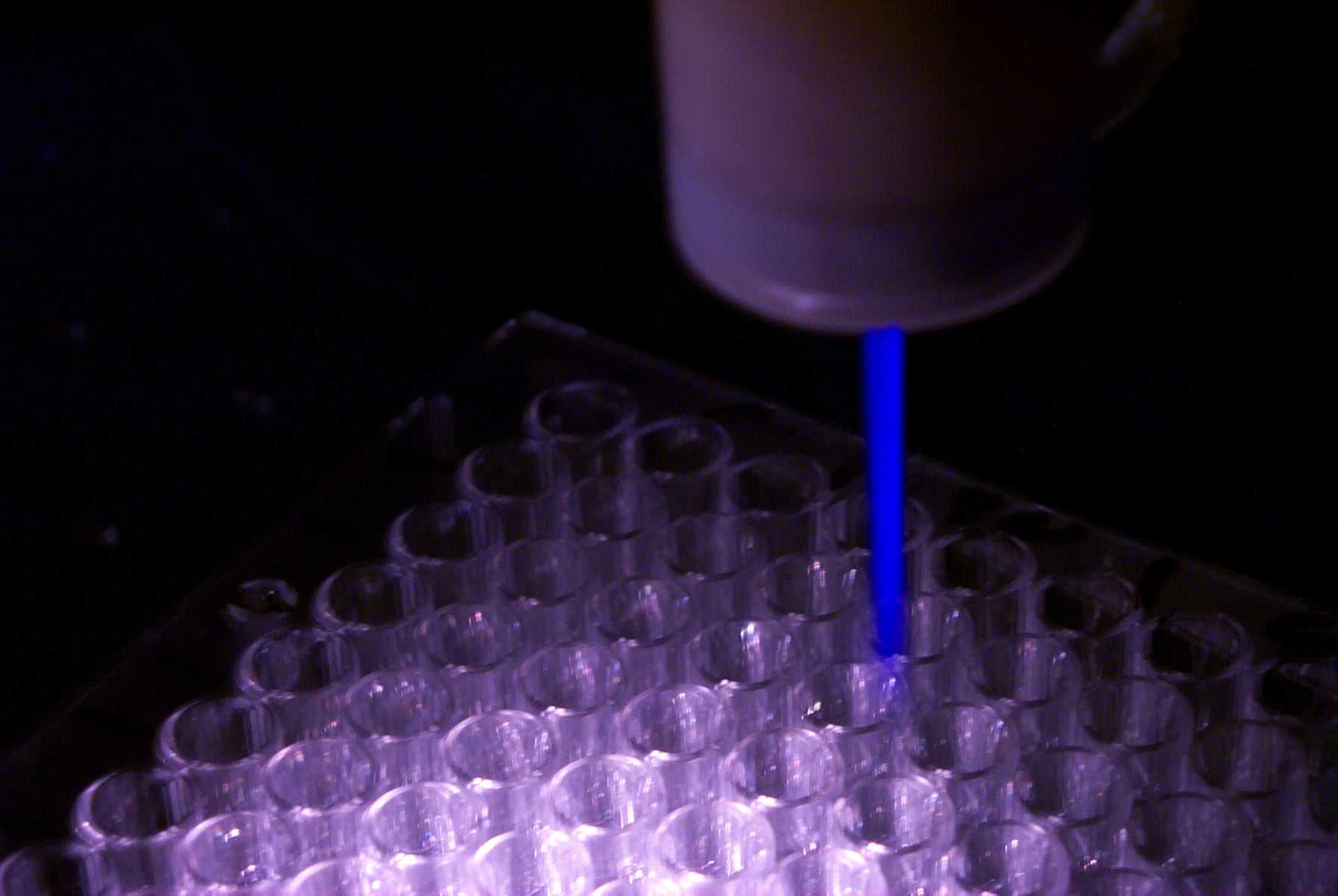
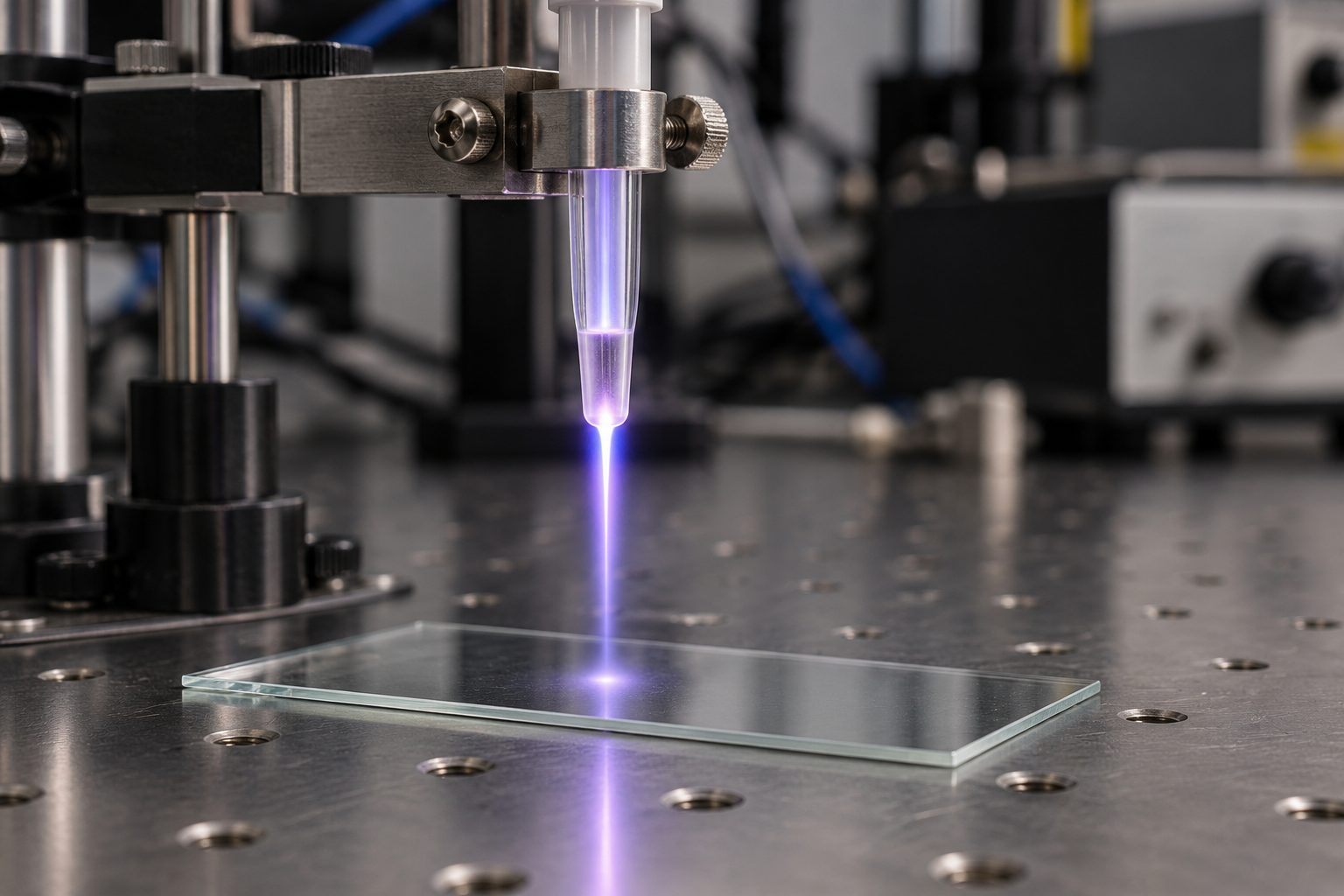
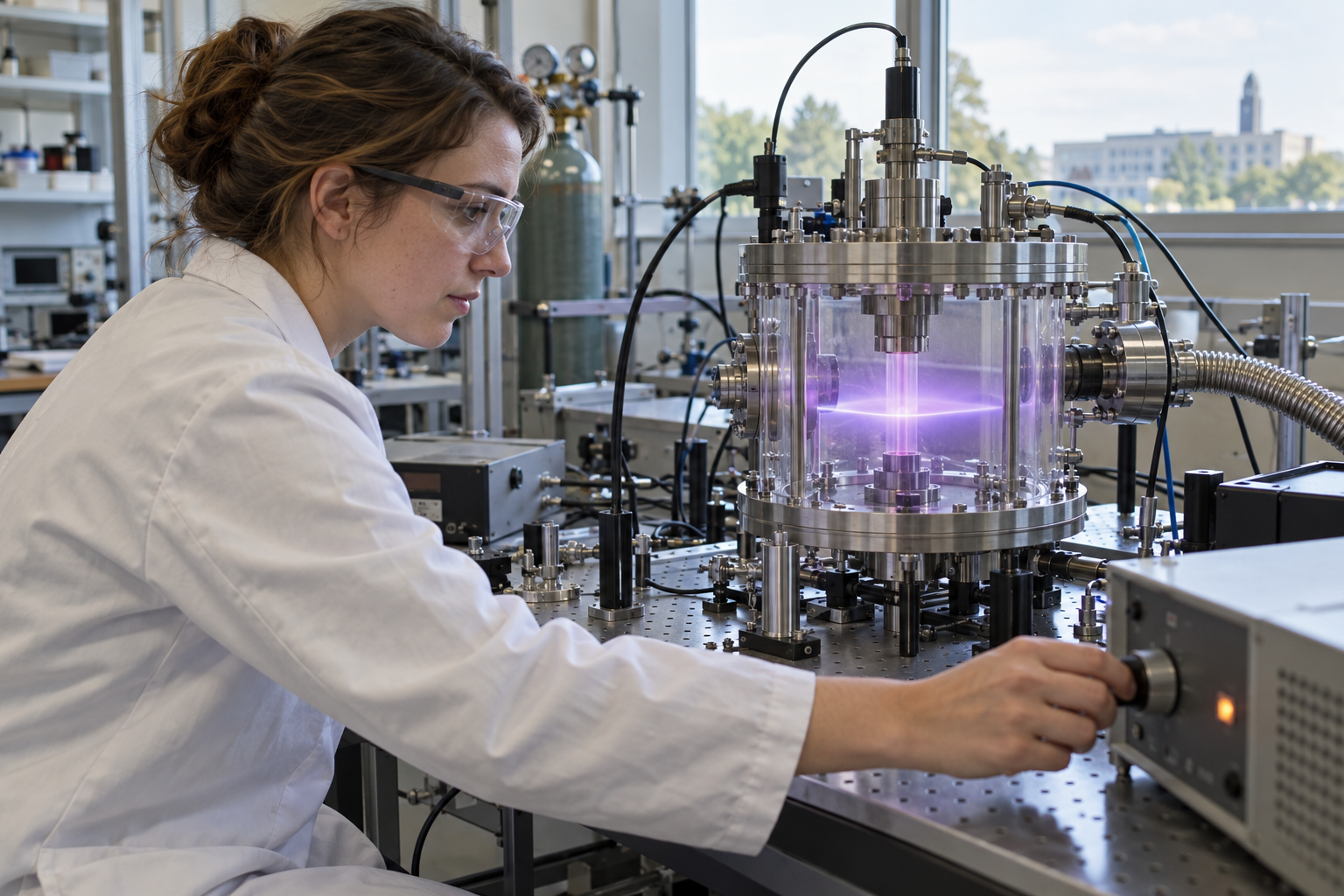
A small plasma jet may glow like a flame, but its medical interest comes from charged particles and reactive chemistry. Understanding the device also means distinguishing laboratory promise from established wound-care evidence.
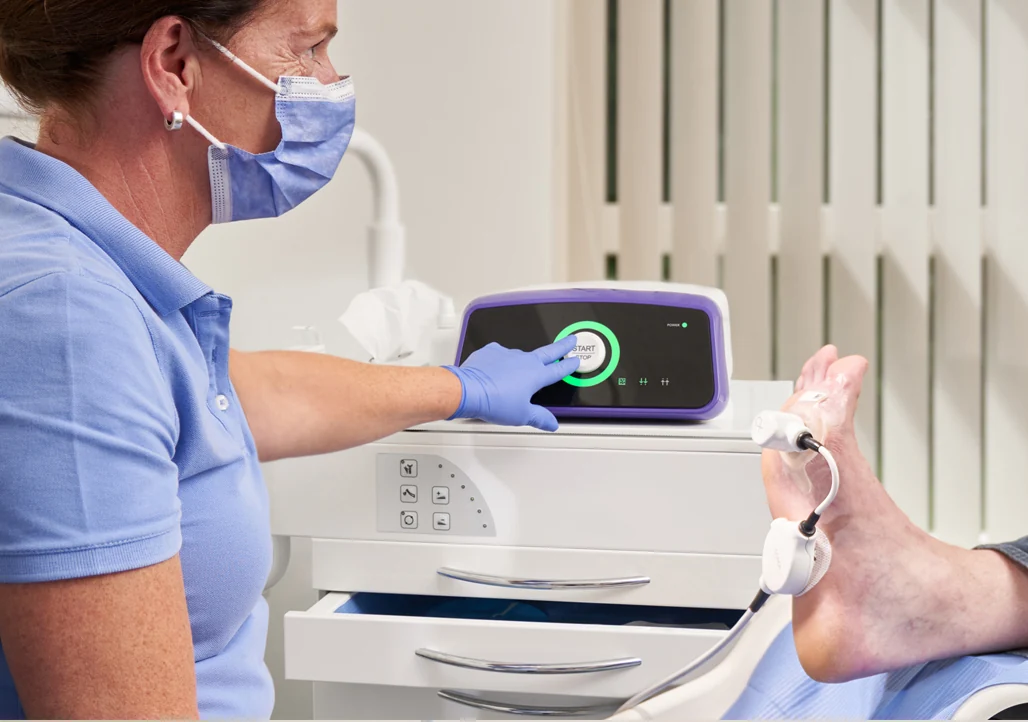
Cold atmospheric plasma is an emerging wound-care approach, but device names alone reveal little about treatment delivery or evidence. Understanding trial design and outcome measures helps keep promising findings in proportion.
Interim findings from a randomized study of cold plasma and chronic lower-leg wounds offer a research signal, but their limits and a separate guideline recommendation shape what can be concluded for diabetic foot ulcers.
A sterile instrument is not certified by proving that every microorganism is absent. Sterility assurance estimates process reliability, which depends on cleaning, packaging, cycle selection, monitoring, and careful handling.
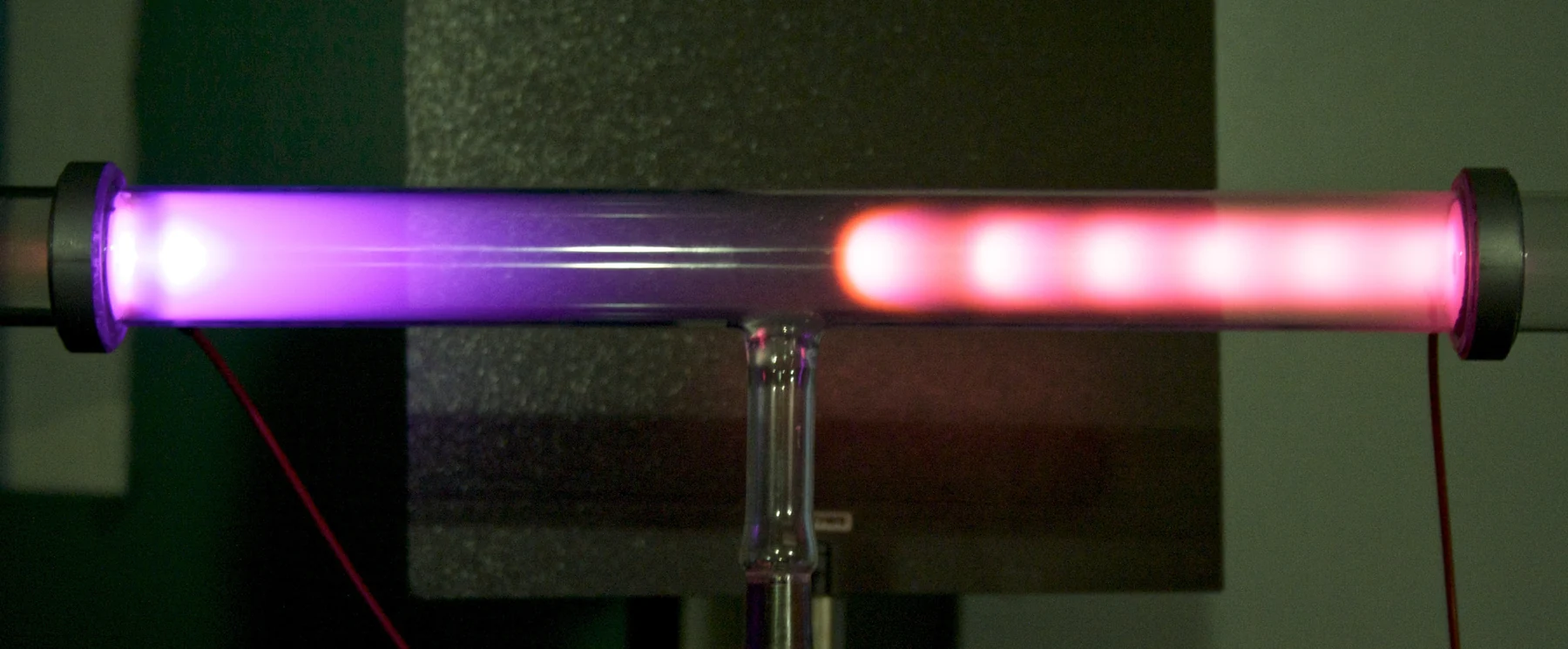
Free electrons help make a plasma electrically responsive and chemically reactive. Those features underpin distinct medical uses, from experimental interaction with living tissue to hydrogen peroxide plasma sterilization of equipment.
A promising signal in a small wound study can justify larger research, but it cannot settle whether a therapy works. Trial size, comparison groups, uncertainty, and clinical guidelines all shape what results mean.
Sterilizing an instrument means eliminating viable microorganisms across its surfaces and spaces. When heat or moisture could damage a device, low-temperature processes such as hydrogen peroxide gas plasma offer a distinct route.
Fusion and medical plasmas share a state of matter but operate at radically different temperatures and for different purposes. Cold atmospheric plasma research explores surface interactions, with clinical evidence and appropriate uses still under evaluation.
A small randomized trial of cold atmospheric plasma for venous leg ulcers raises a research question that cannot be transferred automatically to diabetic foot ulcers. The guideline evidence and clinical recommendations differ.
Indicators help verify that a sterilization process reached relevant conditions, but they are only one part of a quality system. Cleaning, packaging, load arrangement, and cycle choice all affect whether an item is ready for use.
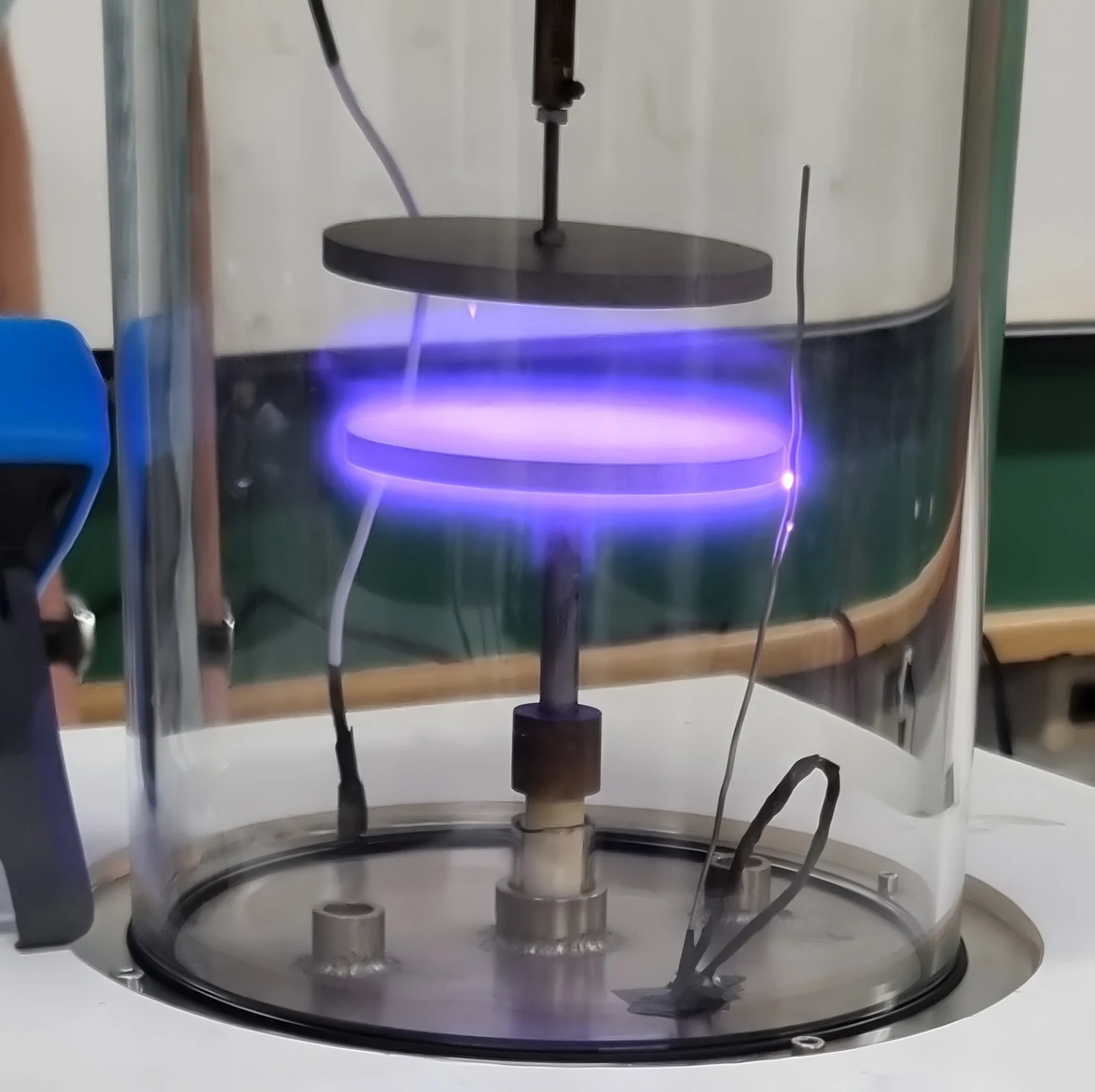
Cold atmospheric plasma is a partially ionized gas under investigation for selected tissue applications. Device shape, spacing, and treatment geometry affect how an exposure reaches a surface, while clinical evidence remains unsettled.
Comparing an experimental treatment with standard care helps separate a new intervention’s contribution from the effects of established wound management. Cold atmospheric plasma research shows why promising signals and practice recommendations can differ.