How can a surgeon coagulate tissue without pressing an electrode directly against it? Argon plasma coagulation, or APC, uses ionized argon gas to carry electrical energy across a gap. The name can sound like a cold, futuristic treatment, but the central effect in APC is thermal: energy heats tissue so it coagulates. Understanding that chain helps distinguish APC from other technologies also called plasma.
Turning argon into a conductor
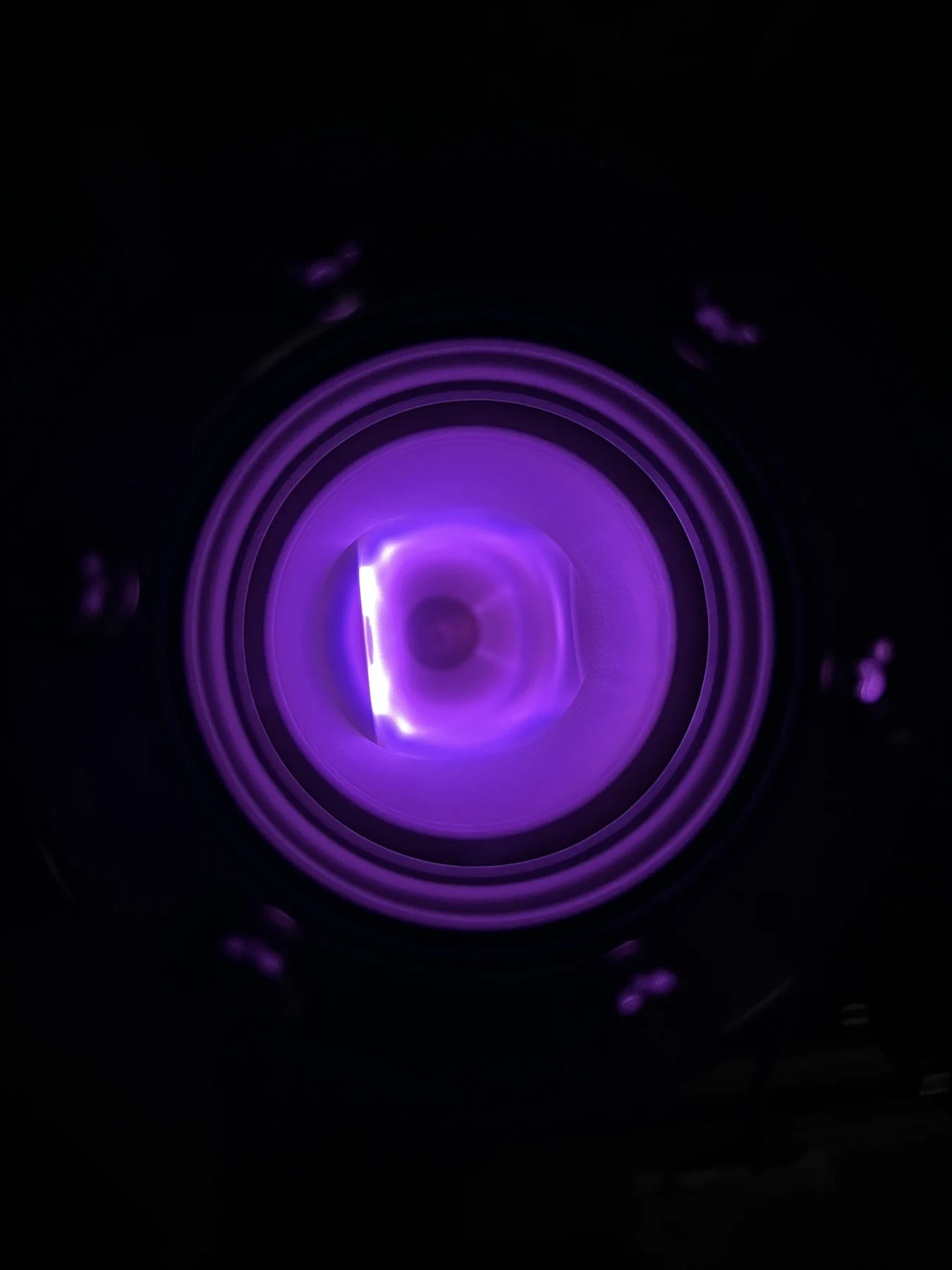
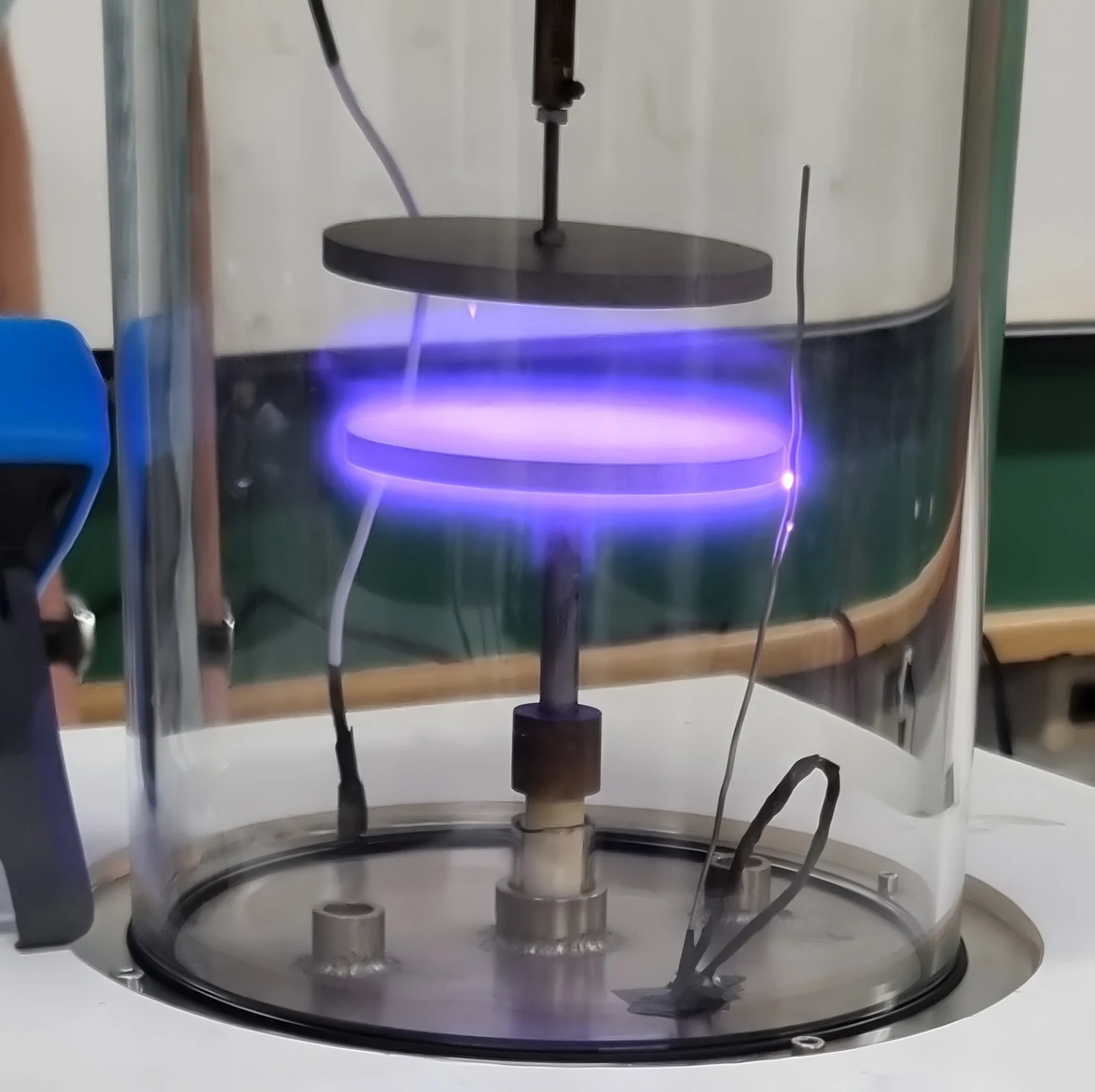
Argon is a chemically inert gas. Under ordinary conditions it does not conduct electricity well, but a sufficiently strong electric field can strip electrons from some atoms. The resulting mixture of charged particles and neutral atoms is a plasma: a gas that can conduct electrical current. In an APC instrument, this conducting path carries high-frequency electrical energy from the applicator toward tissue.
The tissue completes the electrical circuit, and energy deposited near its surface raises the temperature. Heating changes proteins and helps blood vessels seal. Depending on the instrument and intended use, the applicator may also support cutting or tissue ablation, meaning removal or destruction of tissue. An FDA filing for specified rigid applicators describes their intended use for monopolar cutting and coagulation, or for coagulation and ablation using argon plasma [1].
Why a gas gap can matter
A conventional electrosurgical electrode transfers energy through contact with tissue. APC can transfer energy across a short gap, with the ionized gas acting as the conducting bridge. This offers a way to apply energy without the same direct electrode-to-tissue contact. The applicator’s position and the electrical path help determine where energy is deposited; the gas is not a magic agent that selectively recognizes abnormal tissue.
Picture a small spark jumping between two points: the current follows a conductive route through the gap. APC is a controlled medical instrument, not an open-air spark, but the analogy highlights why a conducting plasma matters. The energy delivered still produces heat, and heating can affect tissue around the target. The procedure is performed with compatible equipment and purpose-designed applicators; the FDA document describes them as sterile, single-use instruments intended for use with specified electrosurgical systems [1].
Plasma is not one medical treatment
The word plasma names a state of matter, not a single therapy. Cold atmospheric plasma research, plasma-based equipment sterilization, and APC differ in their temperatures, targets, devices, and intended effects. APC uses heat to coagulate or ablate tissue. A gas-plasma sterilization process is intended to reduce microorganisms on equipment. Those shared words do not make the procedures interchangeable.
Laser treatment offers another useful comparison. A laser delivers concentrated light energy, which can cut, destroy, or heat tissue depending on its use; it is not an argon plasma device [2]. Both technologies can transfer energy to a local target, but they do so through different physical carriers. Calling both “energy-based” treatments is accurate at a broad level and insufficient to explain how either one works.
The purpose defines the procedure
The same physical principle can support different surgical goals. Coagulation aims to seal tissue and small vessels; cutting separates tissue; ablation removes or destroys it. The instrument’s design, operating settings, tissue contact, and clinical context shape which effect is sought. A device clearance document describes intended uses for particular applicators and compatible systems, not a claim that every plasma-based technology is appropriate for every condition [1].
Thinking in causal steps keeps the terminology grounded: electrical energy ionizes argon, the conducting gas carries current, tissue absorbs energy, and heat produces a local effect. That account is more informative than imagining plasma as a special substance that heals by itself. It also preserves the key distinction between APC’s thermal surgical role and research on other forms of plasma whose mechanisms and clinical evidence may be different.
Sources & further reading
- Argon Plasma Coagulation Applicators: FDA Clearance K183445 FDA
- Lasers in Cancer Treatment National Cancer Institute
Prepared for the independent PSI Center reading library. About edition dates and source checking.
This explainer describes scientific principles. It does not assess individual treatment choices.