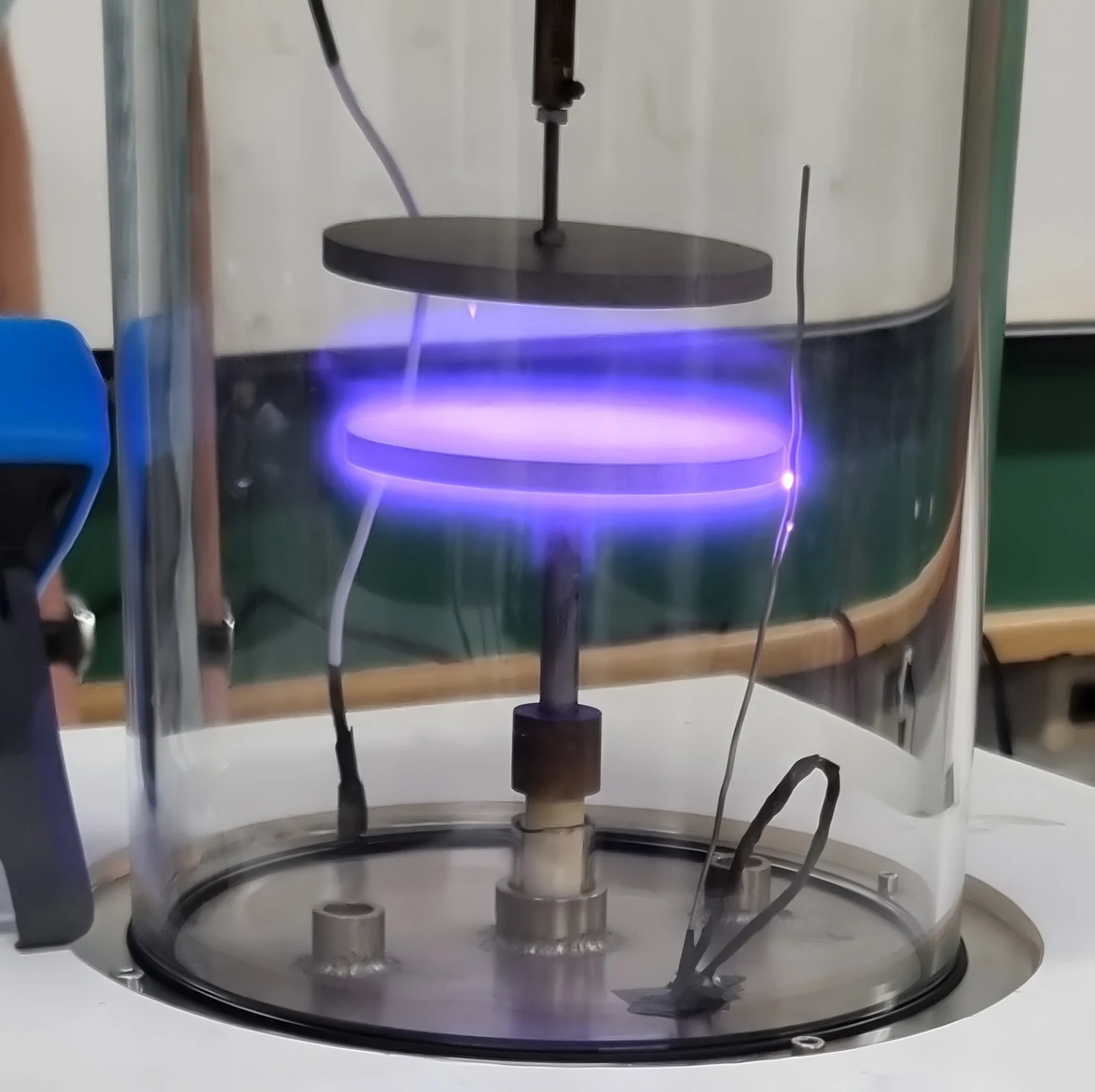
If two medical devices both use the word “plasma,” do they act on tissue in the same way? No. Argon plasma coagulation is an electrosurgical technique that heats and coagulates or ablates tissue. Cold atmospheric plasma is a different technology studied for effects on microbes and living tissue without the same intended thermal action. The shared term refers to an energized gas, but the equipment, purpose, and evidence must be kept separate.
Argon plasma coagulation transfers heat
In argon plasma coagulation, electrical energy ionizes argon gas so it can conduct current to tissue without the applicator electrode needing to touch every point. The delivered energy heats tissue, causing coagulation—the denaturing and clotting of proteins—and, depending on the instrument and use, ablation, or removal of tissue. FDA documentation describes applicators intended for monopolar cutting and coagulation or for coagulation and ablation using argon plasma. [1]
The word “cold” does not describe this technique’s effect. The intended clinical action is thermal, and the device is an electrosurgical instrument used in open or laparoscopic procedures as specified in its labeling. Its purpose is distinct from using a plasma process to sterilize equipment or from experimental cold plasma treatments. [1]
Cold plasma aims at a different interaction
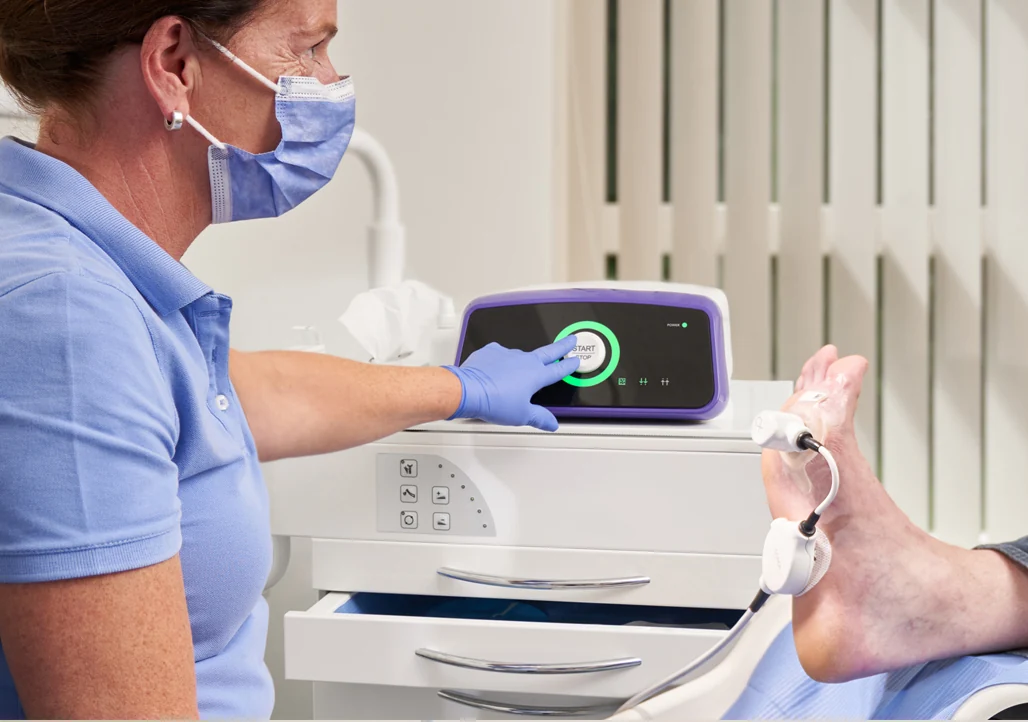
Cold atmospheric plasma devices generate reactive species in a gas near atmospheric pressure, with applications studied for disinfection of body surfaces and living tissue. The Leibniz Institute for Plasma Science and Technology describes interest in wound antisepsis and possible influence on healing. That research concerns interactions with microbes and tissue chemistry, rather than the deliberate heating and coagulation associated with argon plasma coagulation. [2]
A proposed biological mechanism can be plausible without demonstrating a patient benefit. Laboratory observations about reactive species or cell responses do not settle whether a treatment improves healing in routine clinical practice. Clinical outcomes depend on wound type, treatment context, study design, and comparison with appropriate care.
Wound evidence is not settled
The 2023 International Working Group on the Diabetic Foot guideline recommends against using other gases, including cold atmospheric plasma, to promote healing of diabetes-related foot ulcers. The recommendation reflects low-certainty evidence with risk of bias. That weighs against presenting cold plasma as established routine treatment for these ulcers, even though research and some other guidance discuss potential applications. [3]
A guideline recommendation for one clinical context does not erase all research questions, but it sets an important boundary on claims. The INP page reports clinical studies and cites a German guideline recommending cold physical plasma for chronic and infected wounds. [2] Different recommendations can reflect different evidence assessments and clinical contexts; neither turns a mechanism or a limited trial into universal proof.
Same word, different category
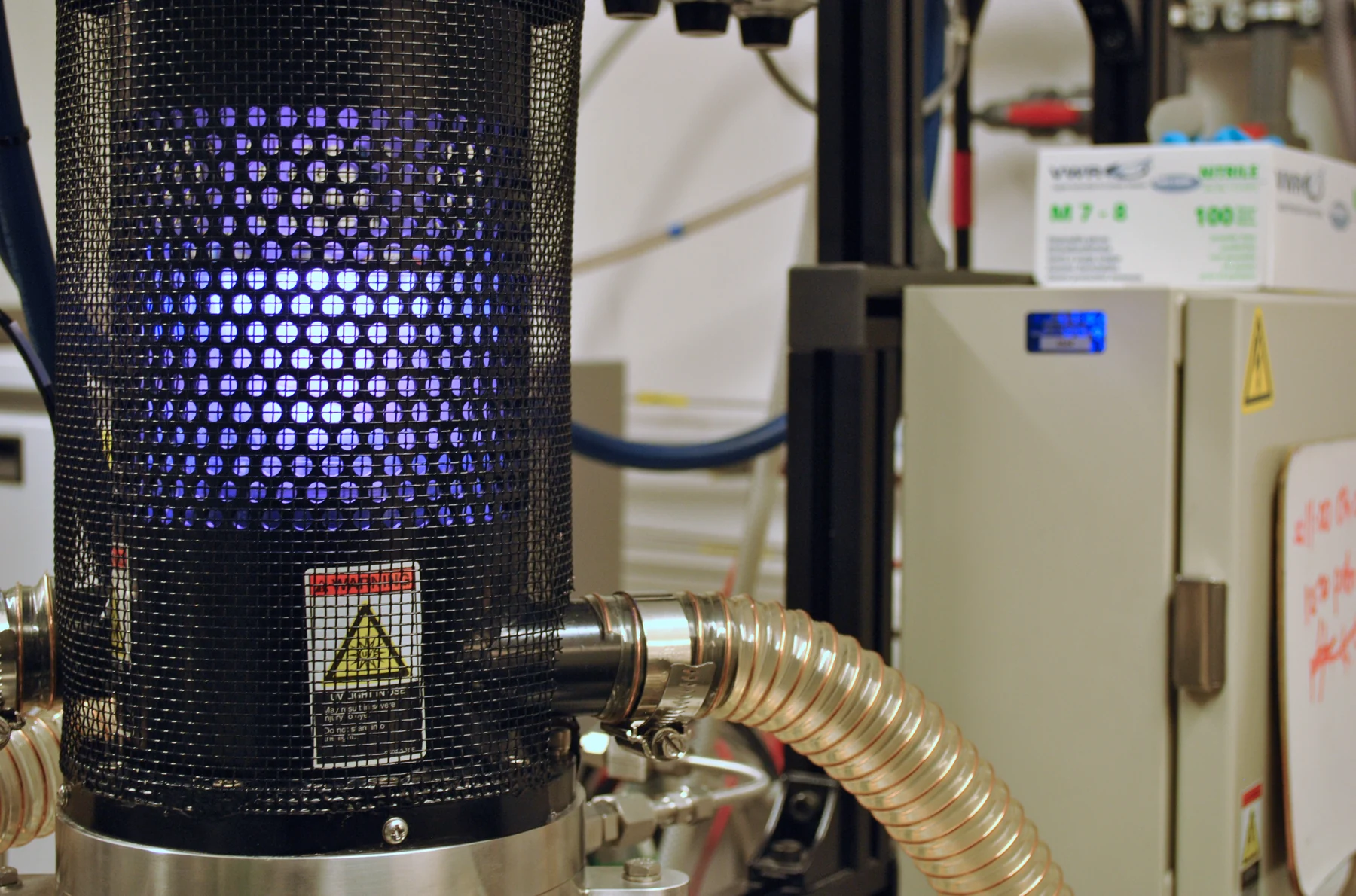
Hydrogen peroxide gas plasma sterilization is yet another use of plasma terminology. In a chamber, plasma-generated reactive species help inactivate microorganisms on suitable medical devices. That process is designed to sterilize equipment, not to treat a patient’s wound. [2]
Keeping the categories straight prevents a misleading shortcut: “plasma” alone does not tell us whether a device heats tissue, exposes a surface to reactive species, or sterilizes an instrument in a chamber. The intended purpose, energy delivery, and clinical evidence are specific to each technology. Argon plasma coagulation and cold atmospheric plasma are not interchangeable treatments. [1]
Sources & further reading
- Argon Plasma Coagulation Applicators: FDA Clearance K183445 FDA
- Wound Healing and Antisepsis Leibniz Institute for Plasma Science and Technology
- Guidelines on Interventions to Enhance Healing of Foot Ulcers: 2023 Update International Working Group on the Diabetic Foot
Prepared for the independent PSI Center reading library. About edition dates and source checking.
This explainer describes scientific principles. It does not assess individual treatment choices.