What changes when a gas gains a few free electrons? It can become a plasma: a mixture containing electrons, positive ions, and neutral atoms or molecules. Those electrons help the gas carry electrical current and respond to fields. In health-related settings, this basic physics appears in very different contexts, so understanding the electron also means distinguishing what a plasma device is designed to do.
A gas with mobile charge
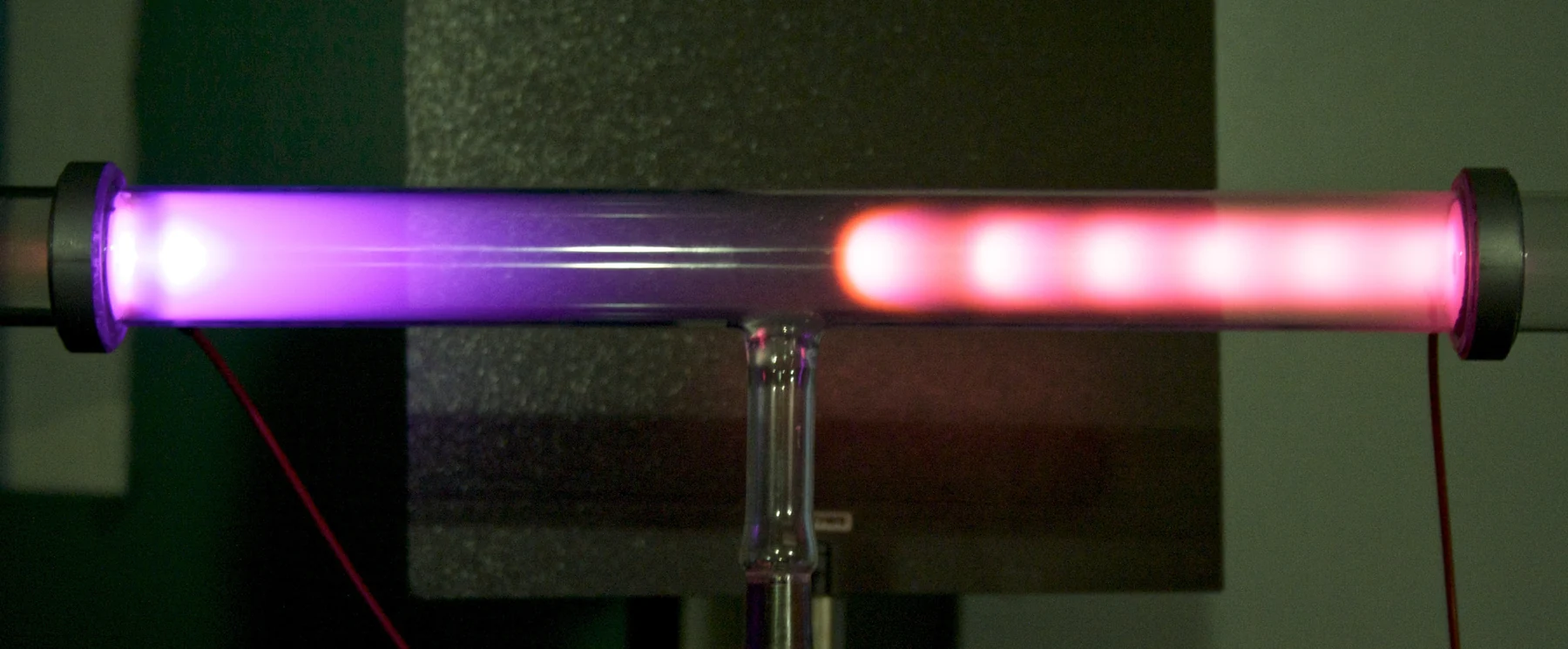
In an ordinary neutral gas, positive and negative charges are balanced within atoms or molecules. When some electrons are freed, the gas becomes partially ionized: it contains mobile negative electrons alongside positive ions and neutral particles. Because charged particles move in response to electric and magnetic fields, a plasma can conduct current and behave differently from a neutral gas. Lightning and fluorescent bulbs are familiar examples. [1]
The electron is light compared with an atomic nucleus, so electric fields can accelerate it readily. A moving electron can collide with a molecule, transferring energy or helping produce new reactive species. The details depend on the gas, pressure, applied fields, and geometry. “Plasma” therefore names a state of matter, not one fixed temperature, chemical recipe, or biological effect. [1]
Why low-temperature plasma is a research topic
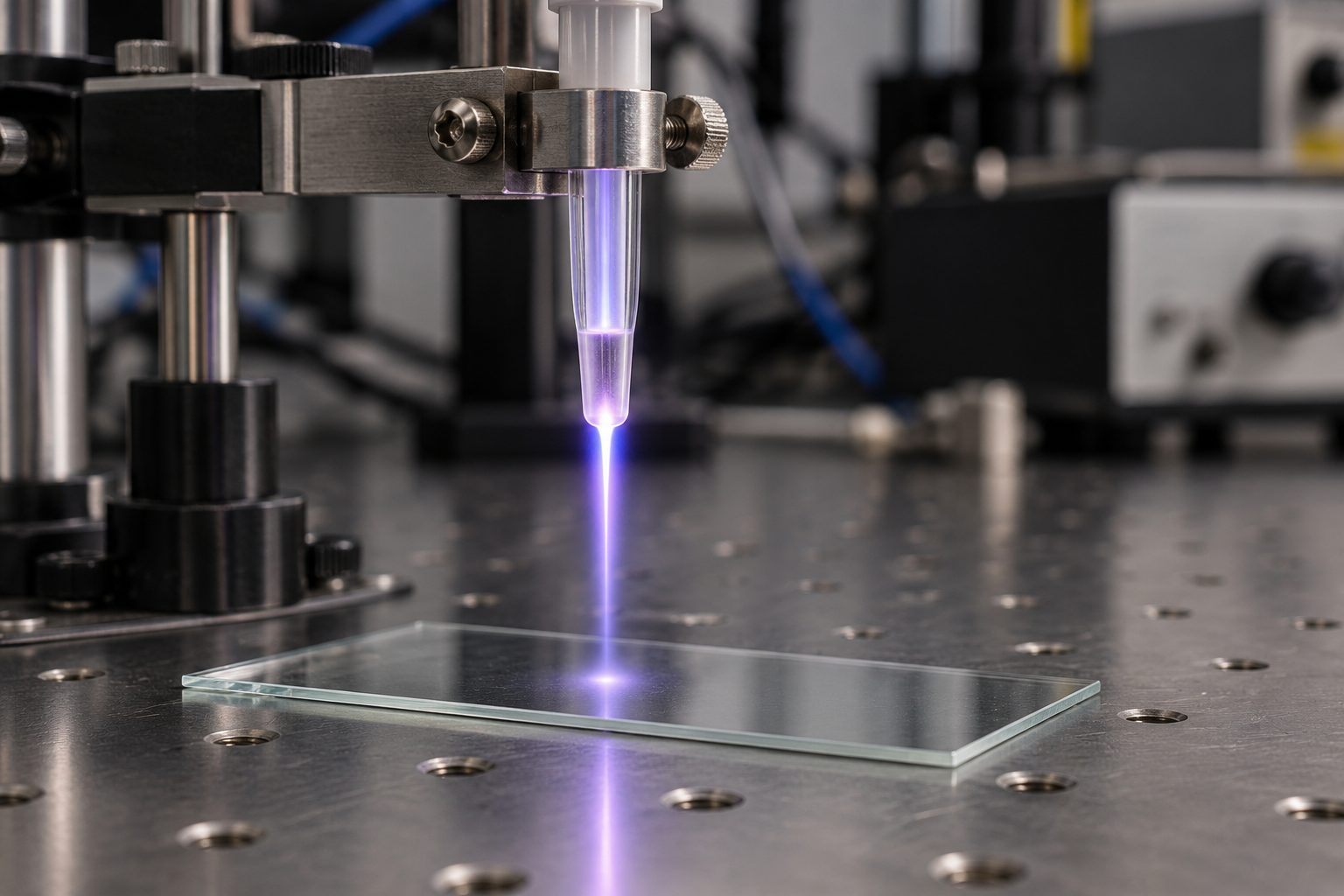
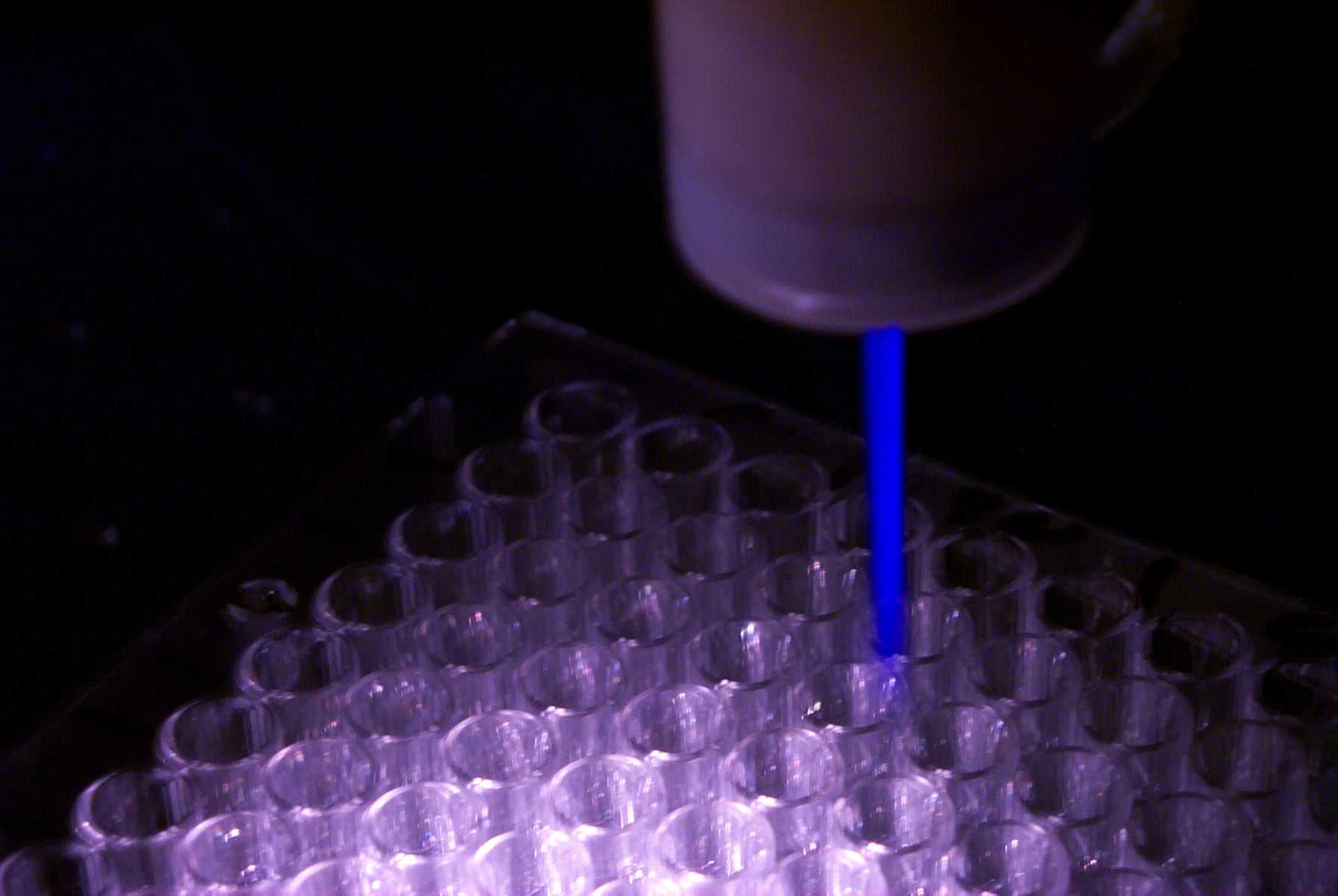
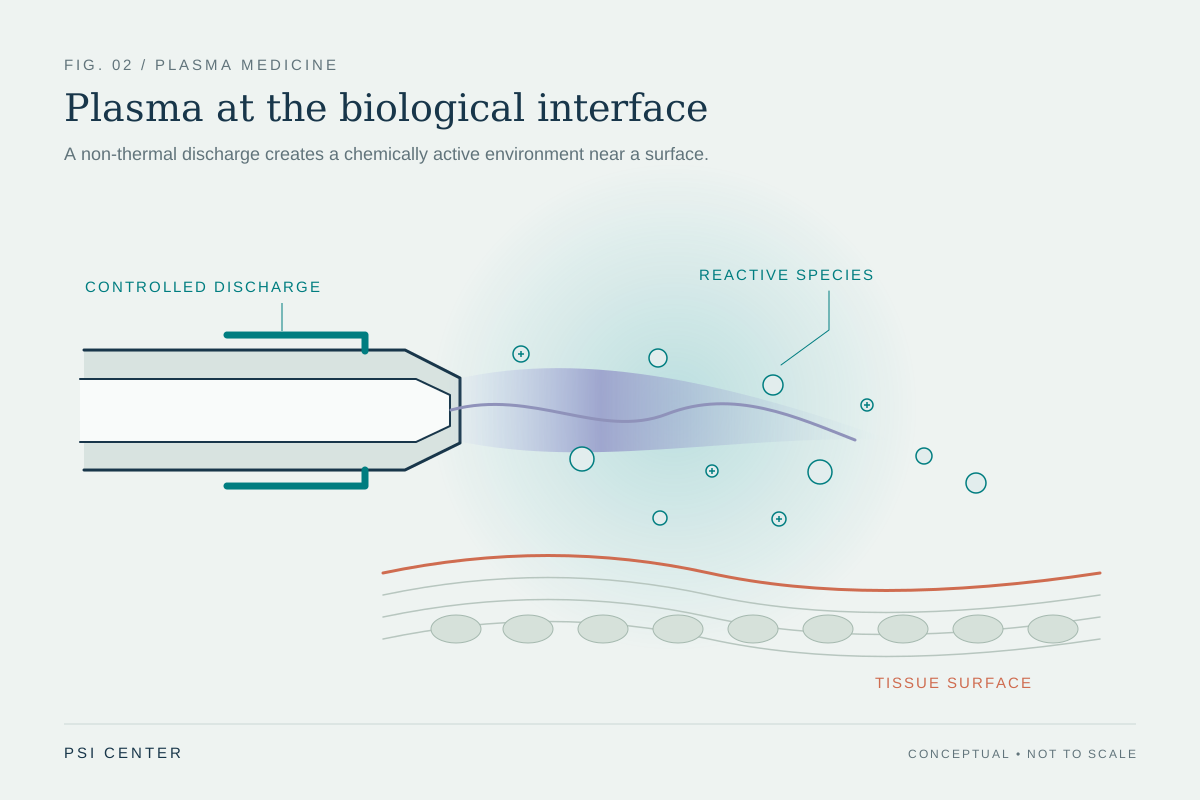
Some medical research explores cold atmospheric plasma, a partially ionized gas produced under conditions intended to avoid the very high temperatures associated with fusion plasmas. Reactive molecules and charged particles may interact with cells and surfaces. The proposed physical interaction is a starting point for investigation, not evidence on its own that a treatment heals wounds or benefits patients.
That distinction is essential when moving from mechanism to medicine. A change observed in cells or a plausible way to affect microbes does not establish clinical benefit, safe use across conditions, or routine-care endorsement. In particular, evidence for cold atmospheric plasma wound treatment is mixed; a 2023 international guideline recommends against other gases including CAP for healing diabetes-related foot ulcers because the available evidence was low certainty and biased.
Sterilizing tools is a different job
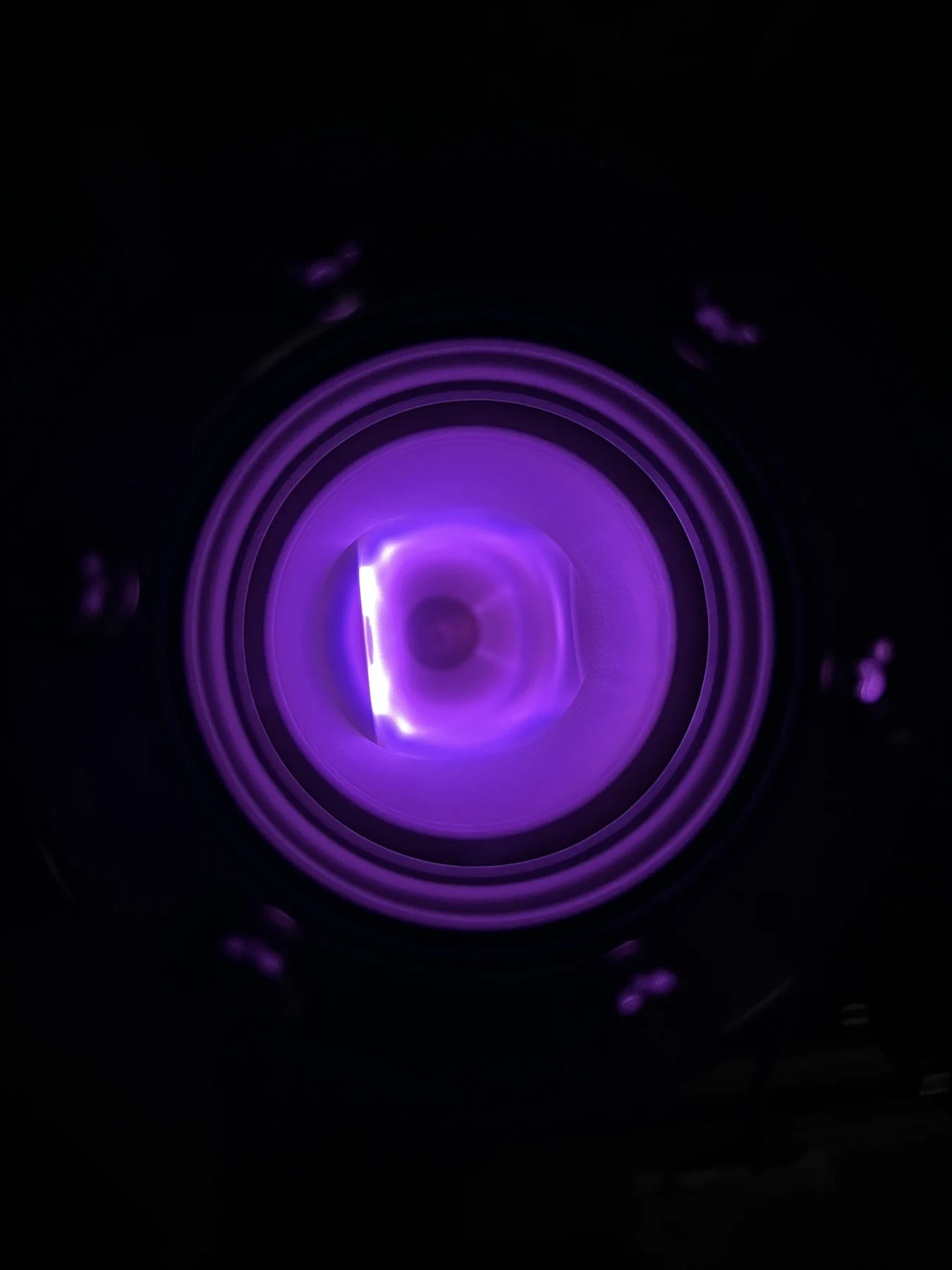
Hydrogen peroxide gas plasma is used in a sterilization process for some medical and surgical devices that cannot tolerate high heat or humidity. In an enclosed chamber, vaporized hydrogen peroxide is exposed to radio-frequency energy. The plasma phase generates reactive free radicals, which can interact with essential components of microorganisms and disrupt their metabolism. The equipment is being processed outside the body; this is not a treatment applied to a patient’s tissue. [2]
The process illustrates why a shared word can obscure different purposes. In sterilization, the target is contamination on equipment, and the chamber controls the gas exposure. In research on plasma interacting with living tissue, the biological target and exposure conditions differ. Neither use should be confused with argon plasma coagulation, which heats and coagulates tissue, or with a hot fusion plasma.
The electron does not tell the whole story
A useful mental model is a kitchen spark igniter: a small electrical event can trigger chemistry, but the result depends on the surrounding fuel and conditions. In plasma systems, free electrons are part of how energy enters the gas and reactive species form. Yet gas composition, pressure, power, exposure, and the target surface shape what happens. The electron’s role is fundamental, but it cannot alone predict an outcome.
For medical readers, the practical question is always what a specific device does, where it acts, and what evidence supports that use. The CDC describes hydrogen peroxide gas plasma as a sterilization method with defined process conditions and limits; that description does not establish the clinical value of unrelated plasma applications. Keeping the mechanisms and purposes separate makes the physics useful without overstating what it can prove. [2]
Explore the physics: an explanatory diagram
Sources & further reading
- About Plasmas and Fusion Princeton Plasma Physics Laboratory
- Hydrogen Peroxide Gas Plasma CDC
Prepared for the independent PSI Center reading library. About edition dates and source checking.
This explainer describes scientific principles. It does not assess individual treatment choices.