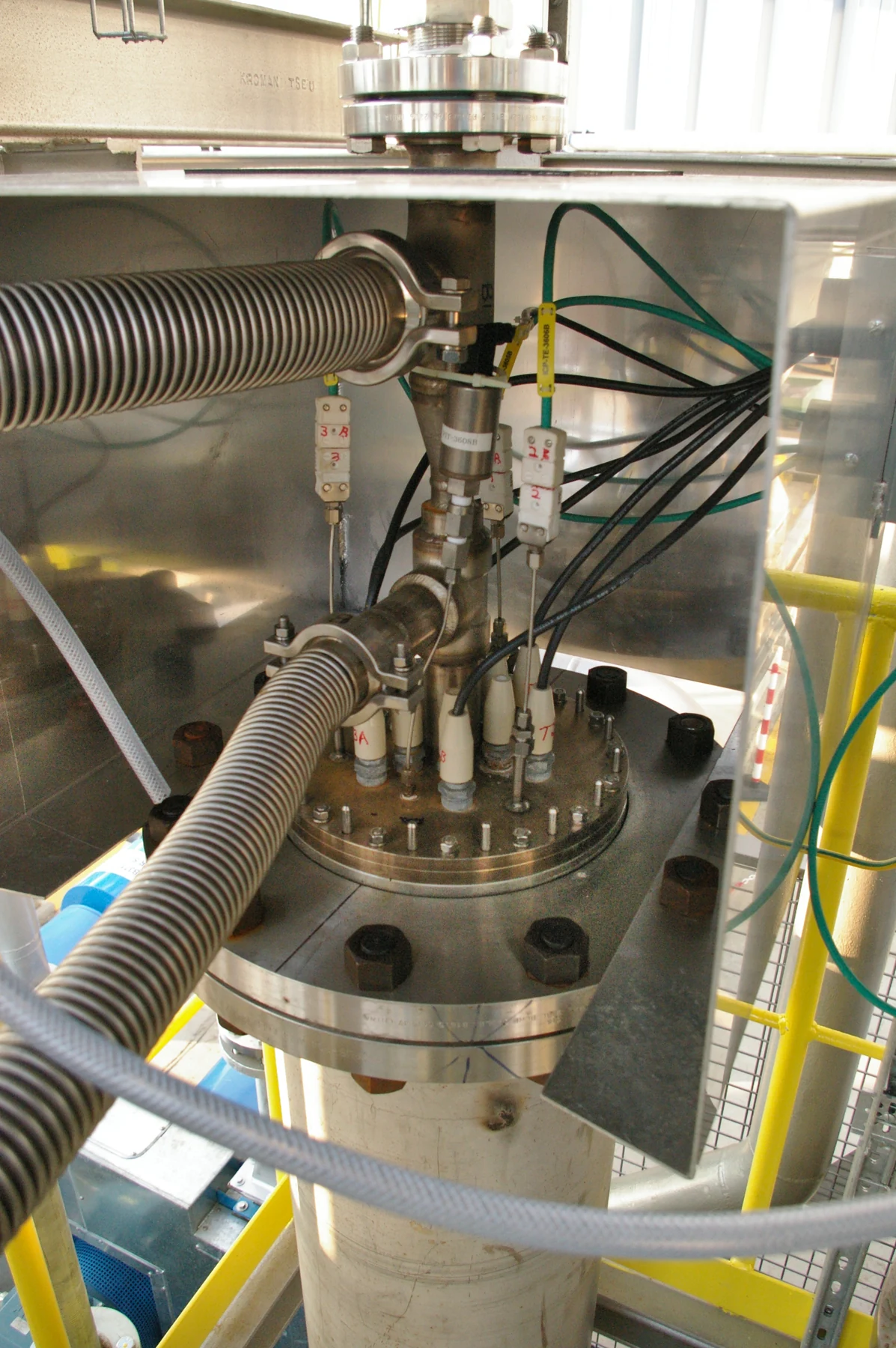
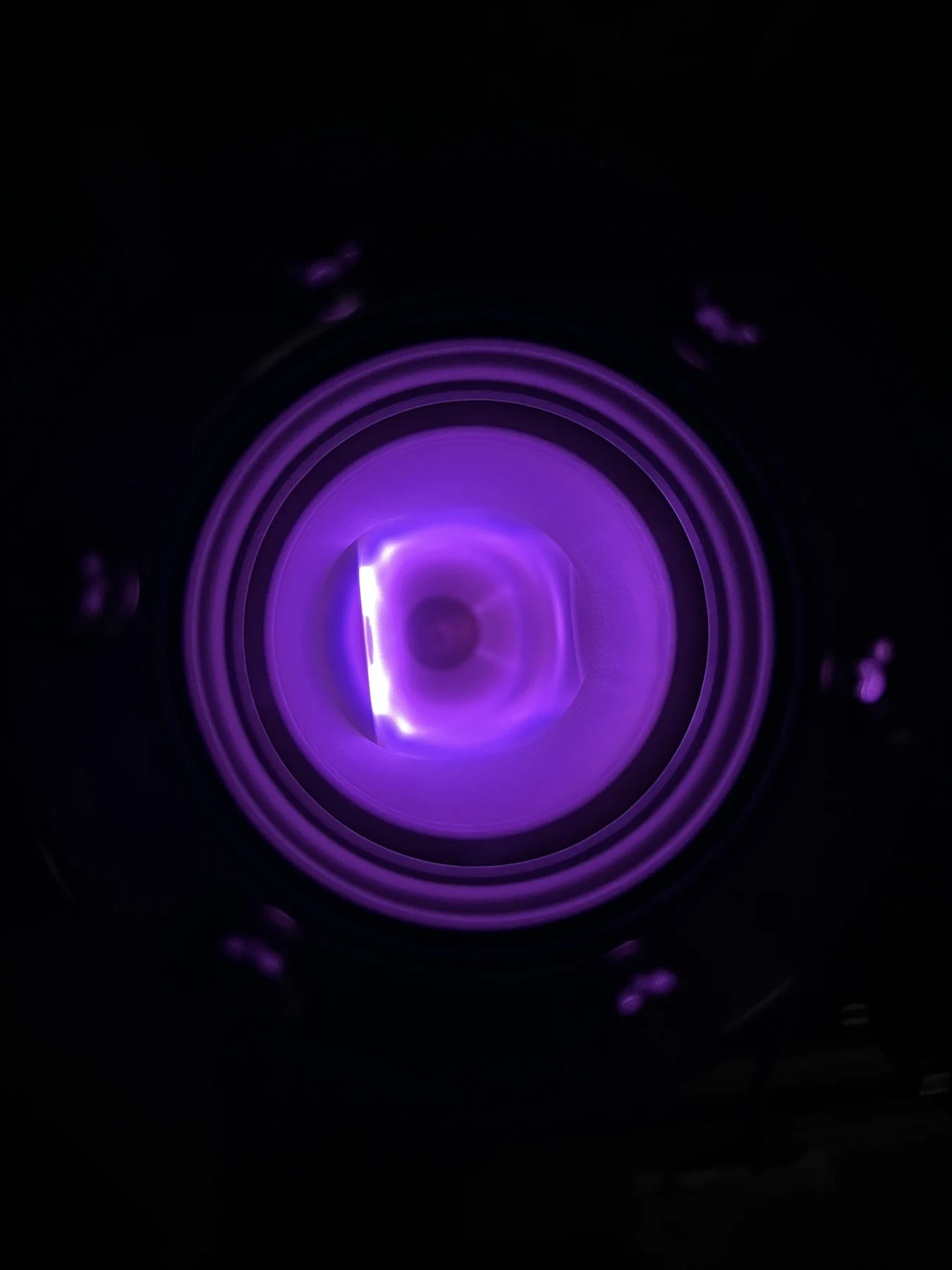
A sterilizer chamber may expose an instrument's exterior while a long, narrow lumen remains difficult to reach. Effective reprocessing depends on the device geometry, preparation, selected cycle, and evidence that the process worked.
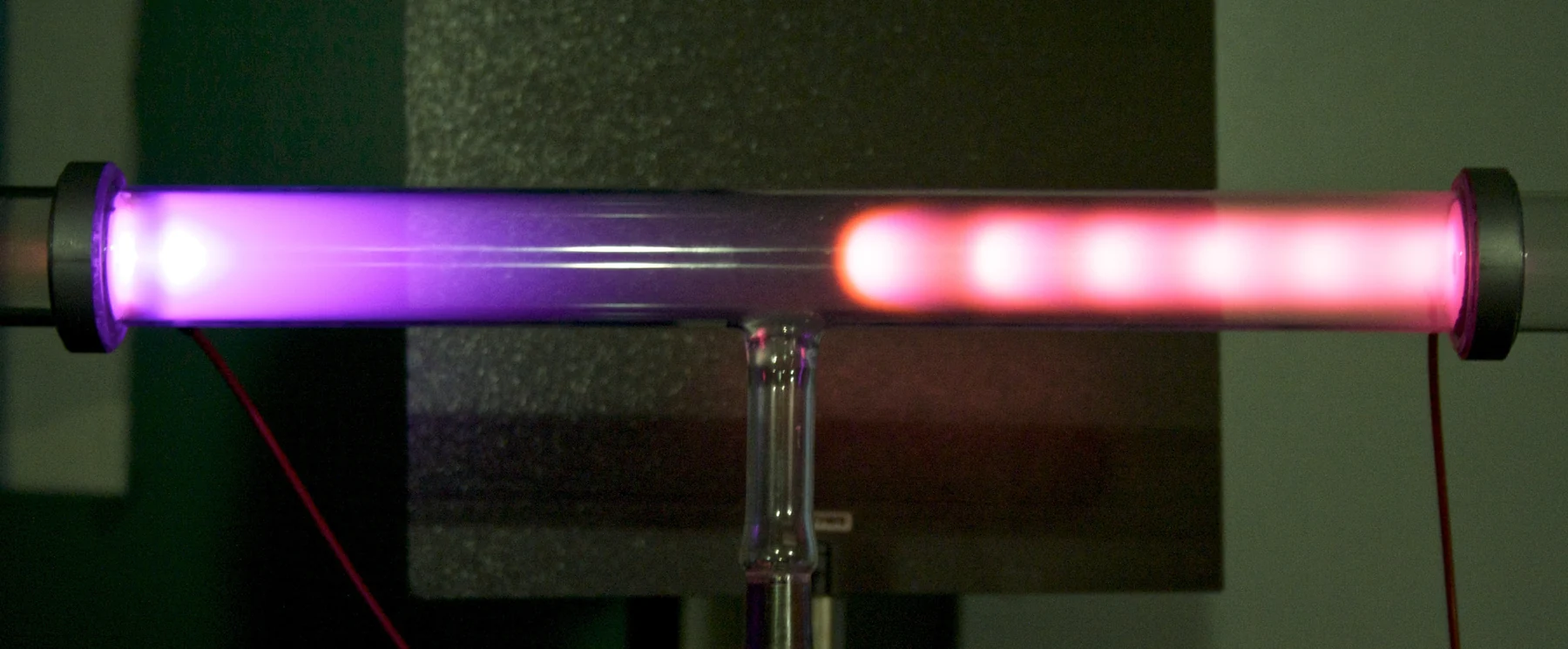
Cold atmospheric plasma is a partially ionized gas whose electrons can be energetic while much of the gas remains near room temperature. Its medical uses are being studied, but research findings are not blanket proof of healing benefit.
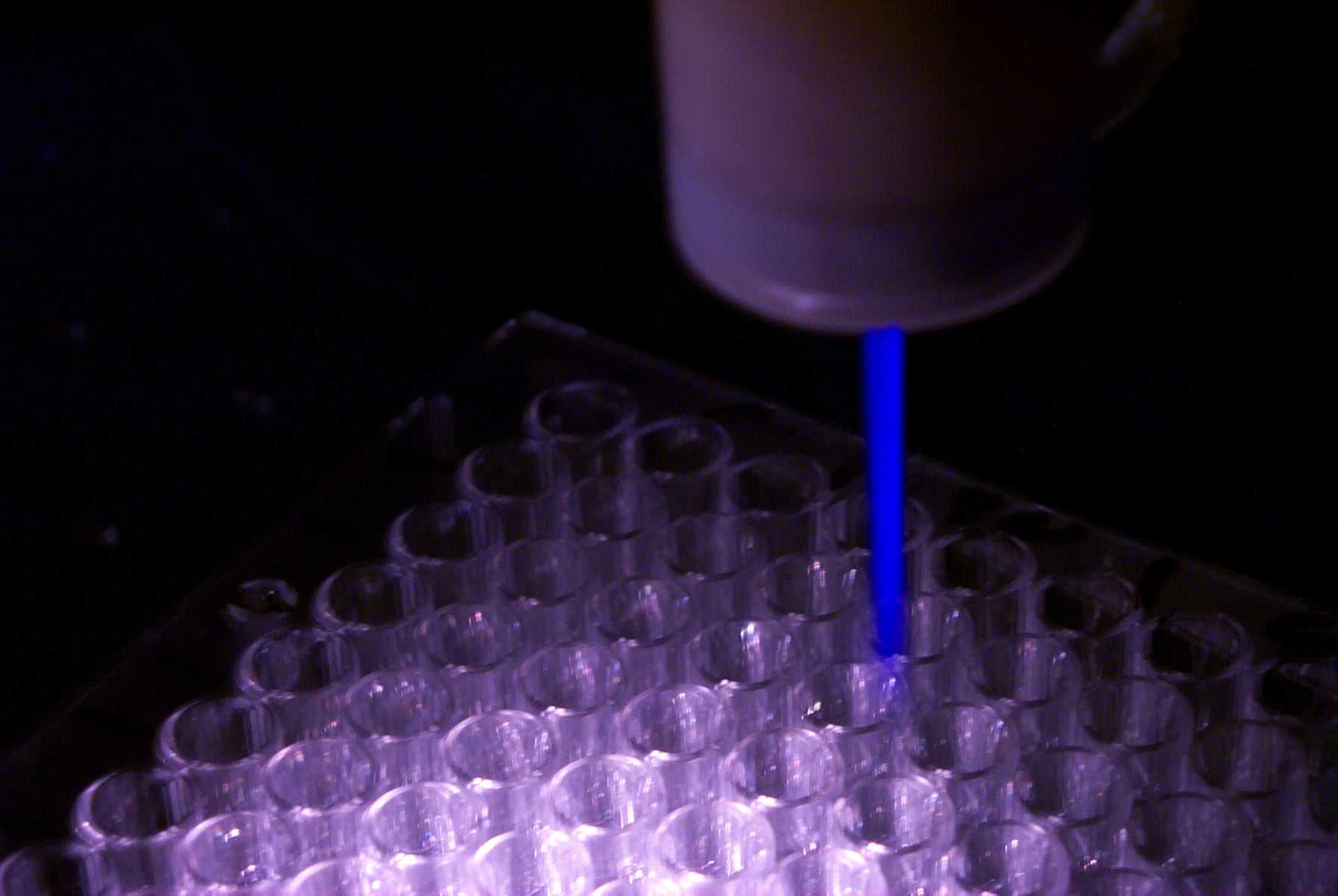
A plasma device’s timer cannot capture the full exposure delivered to a wound. Gas composition, electrical conditions, distance, and the target surface all shape what reactive particles reach tissue—and what a clinical study can establish.
Cold atmospheric plasma can reduce bacteria under some study conditions, but healing depends on many interacting processes. Trial findings and guidelines show why a promising mechanism is not proof of routine clinical benefit.
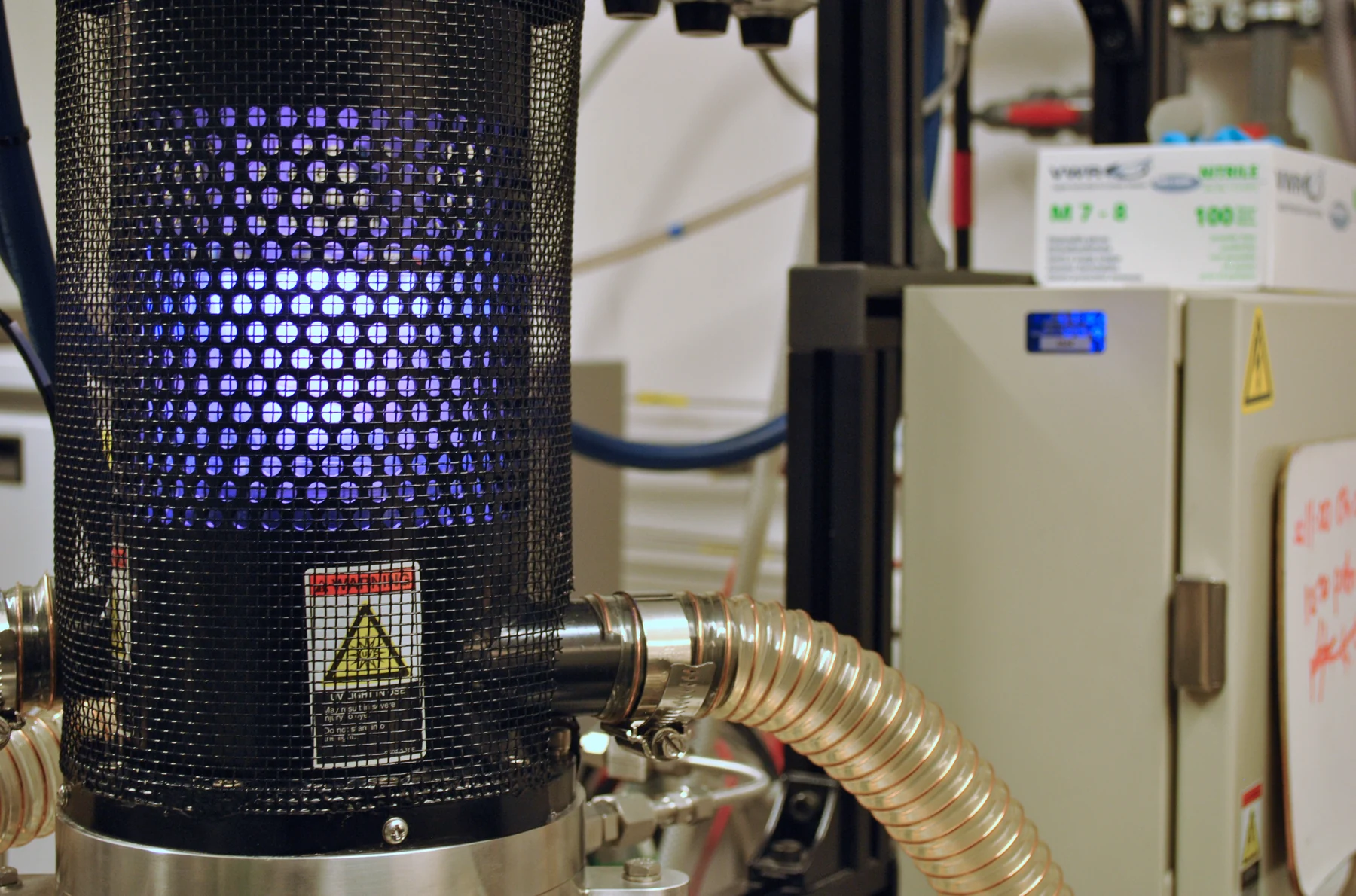
Sterilization depends on access: residues can shield microorganisms from a later process, including hydrogen peroxide gas plasma. Cleaning first removes material that would otherwise interfere with the sterilant’s reach and action.