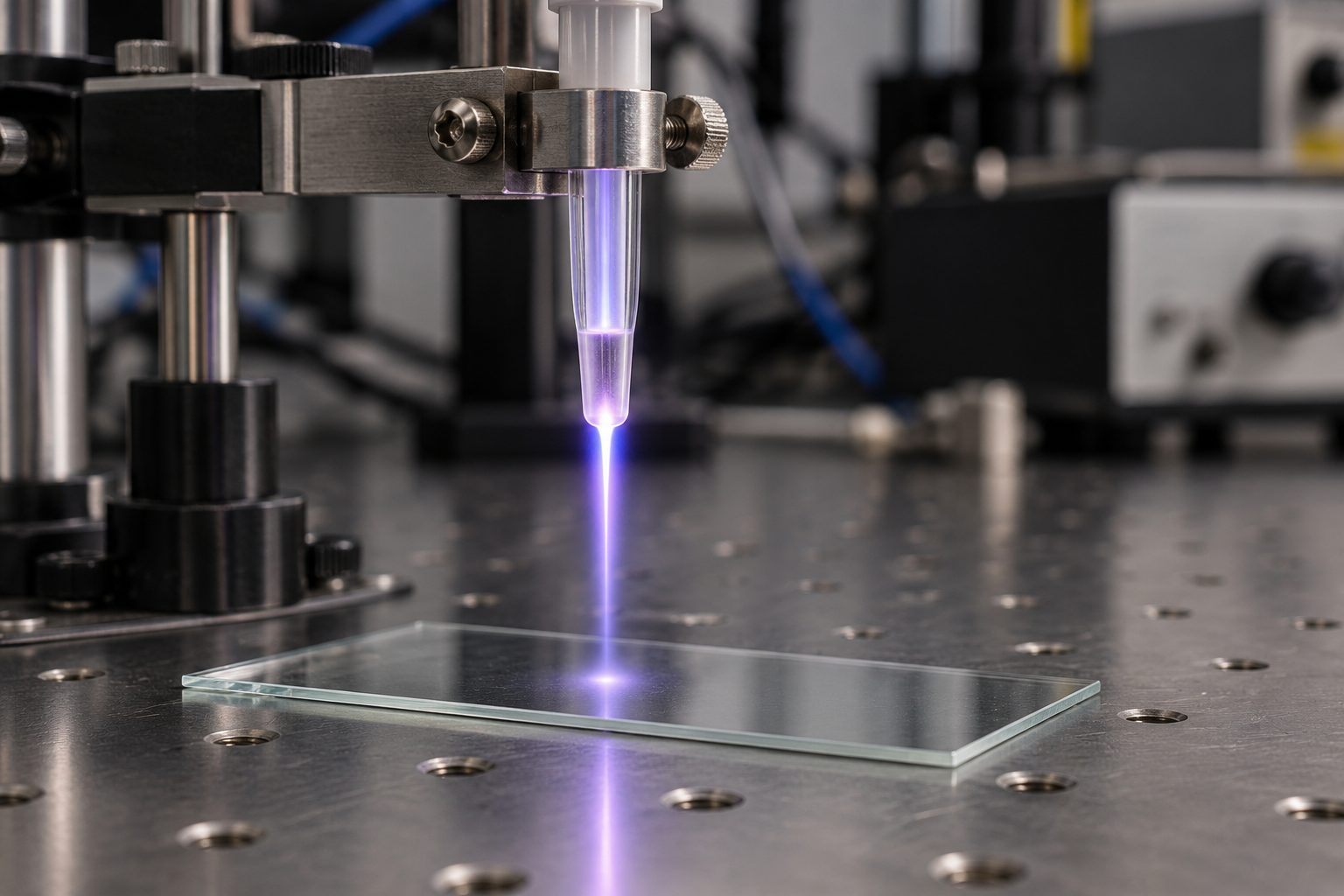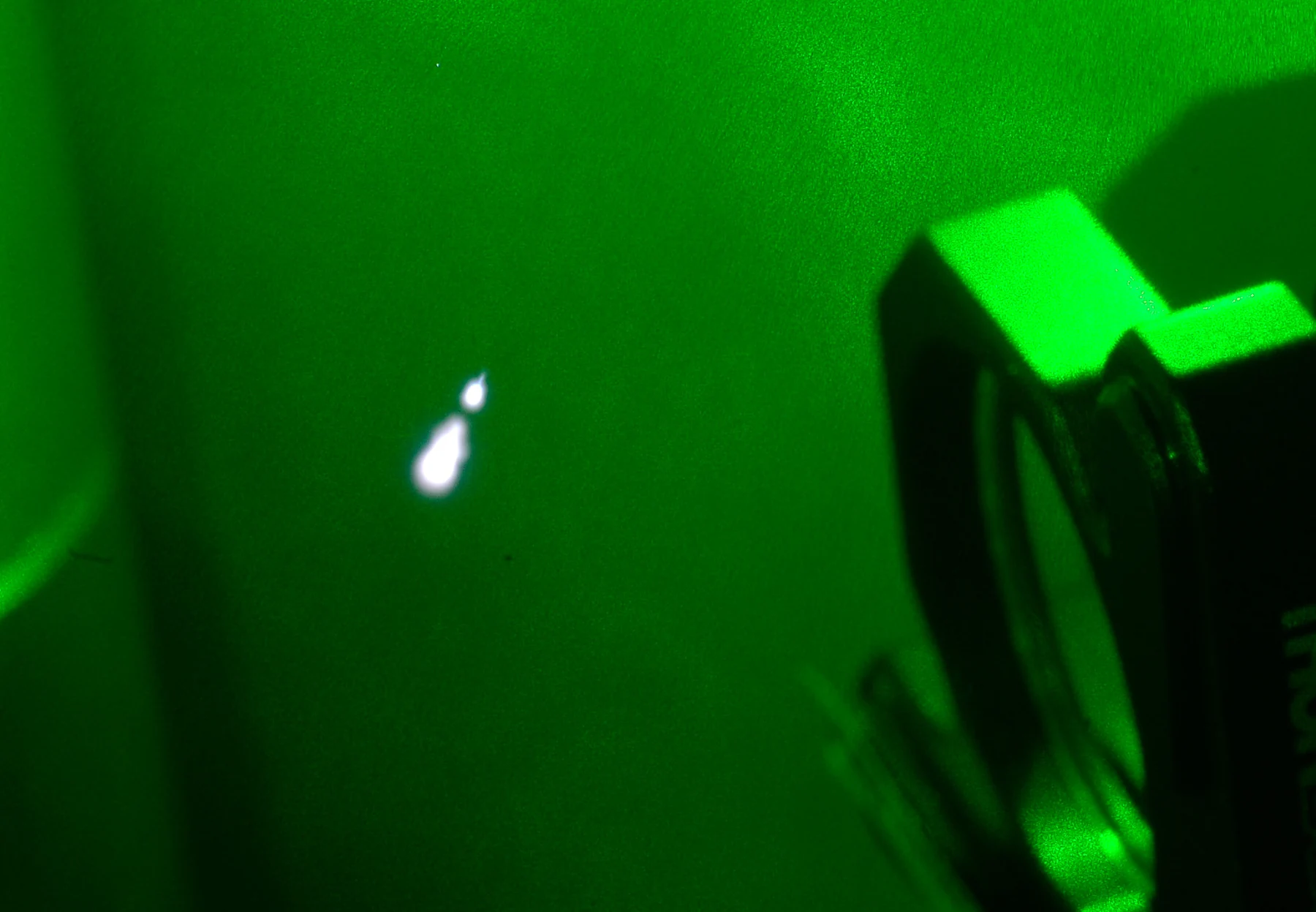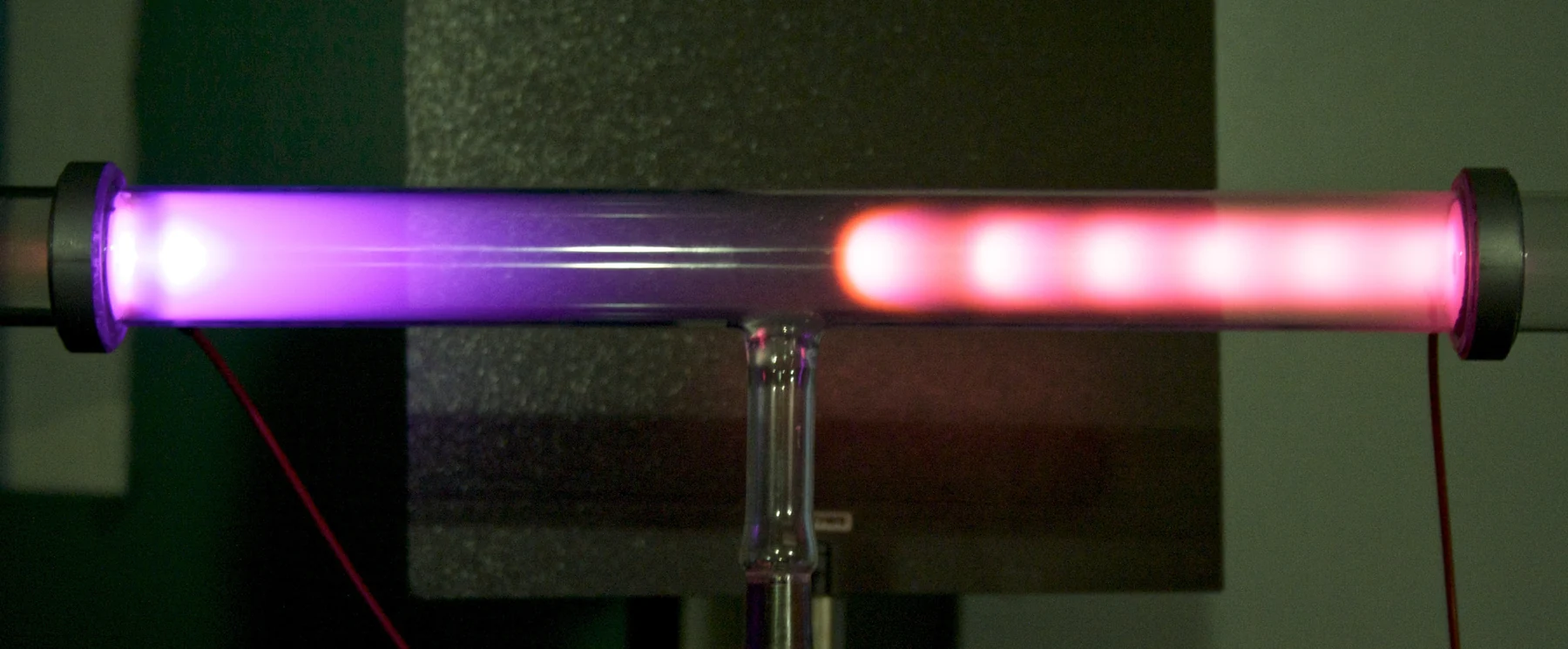
When a medical claim mentions “plasma,” what exactly is being applied, and what result was measured? The word covers different physical systems, so it does not settle whether a treatment works. A reader can begin with a concrete check: identify the kind of plasma, then follow the evidence from a proposed mechanism through clinical testing to a patient-relevant outcome.
Pin down what “plasma” means
In physics, plasma is an ionized gas containing charged particles. In medicine, the term can appear in descriptions of cold atmospheric plasma, which is studied for possible effects on tissue and microbes. But the word also appears in equipment sterilization and in argon plasma coagulation, a procedure that uses heat to coagulate tissue. These are different applications with different purposes; one cannot use evidence about one to establish claims for another.
That distinction changes the question a study must answer. A laboratory experiment might show that a plasma exposure changes cells or microbial growth under particular conditions. That is a mechanism-level observation, not proof that a treatment improves healing or another clinical outcome. Ask what device and exposure were used, what tissue was involved, and whether the study measured a patient outcome rather than a laboratory surrogate. A plausible physical effect is a reason to investigate, not a substitute for clinical evidence.
Find the actual comparison
A clinical trial tests a medical approach in people, but trials can ask different questions. Some evaluate treatment, others prevention, screening, or supportive care. Within a treatment study, the comparison might be standard care, a placebo procedure, or another treatment. Without knowing the comparison, a reported change is hard to interpret: it may reflect the new approach, care received alongside it, or other differences between groups [2].
The patient group matters as well. Evidence about a type of wound, cancer, or disease stage cannot automatically be applied to everyone with a related condition. For diabetes-related foot ulcers, the 2023 International Working Group on the Diabetic Foot guideline recommends against using other gases, including cold atmospheric plasma, compared with standard care. It rates the recommendation strong with low certainty and explains that the underlying evidence is poor and at very low certainty, with studies at substantial risk of bias [1].
Match the outcome to the claim
A study can measure safety, feasibility, a biological marker, tumor response, wound area, or survival. These outcomes do not answer the same question. If an early study mainly asks whether a procedure can be delivered safely alongside another intervention, it cannot establish that the procedure cures disease. Likewise, a change in a cell marker does not show that people feel better or live longer. Read the result in relation to the endpoint the researchers set out to study.
The NCI describes clinical trials as research studies that test how well new medical approaches work in people, and distinguishes treatment trials from prevention, screening, and supportive-care studies [2]. That framework helps keep the claim tied to the study’s purpose. Look for the number and type of participants, the outcome measured, the follow-up period, and whether there was a meaningful comparison. A headline may state a broad benefit; the endpoint may be narrower.
Weigh uncertainty and practice separately
A guideline synthesizes evidence and makes a recommendation; a trial reports results from a particular study. Neither should be silently swapped for the other. The IWGDF’s recommendation against cold atmospheric plasma for diabetes-related foot-ulcer healing is tied to that condition and evidence base, not a universal judgment about every plasma application [1]. Its rationale notes that evidence quality is very low and that adverse events and costs were not well characterized [1].
Finally, ask whether research has become established practice. A promising mechanism or early clinical study can justify further research without showing routine-care benefit. A useful evidence checklist is therefore specific: Which plasma technology? Which patient group? What comparison? Which outcome? How certain is the evidence? What do guidelines say for that use? If any answer is missing, the most accurate conclusion may be that the claim remains unresolved rather than proven.
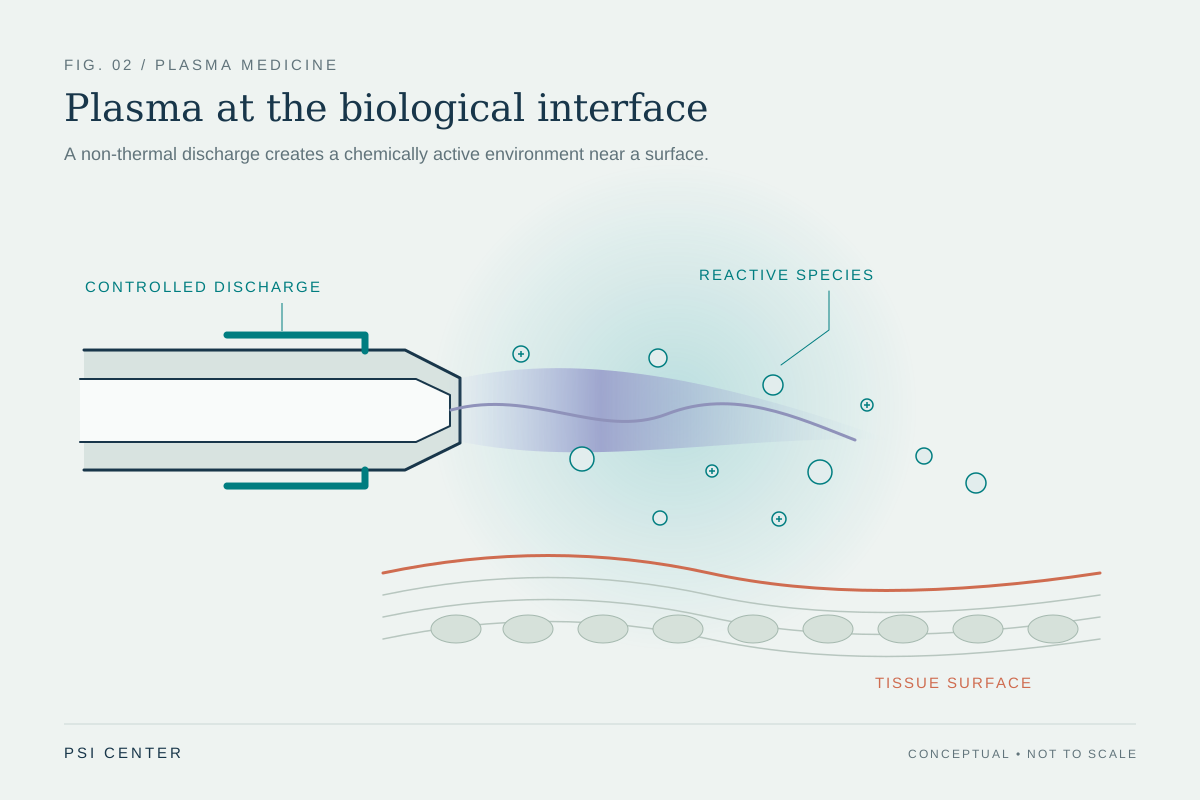
Explore the physics: an explanatory diagram
Sources & further reading
- Guidelines on Interventions to Enhance Healing of Foot Ulcers: 2023 Update International Working Group on the Diabetic Foot
- Clinical Trials: What Are the Phases? National Cancer Institute
Prepared for the independent PSI Center reading library. About edition dates and source checking.
This explainer describes scientific principles. It does not assess individual treatment choices.