When a clinician says “plasma,” are they talking about blood or an electrically active gas? Both meanings are real, and confusing them can make a medical technology sound more familiar or established than it is. Blood plasma is the fluid that carries cells and dissolved substances. Physical plasma is a partially ionized gas containing charged particles. The difference is more than terminology: each material has distinct properties and purposes.
One word, two materials
Blood plasma is the pale liquid component of blood, in which red cells, white cells, and platelets are suspended. It carries water, proteins, salts, nutrients, hormones, and waste products. In a blood test or transfusion context, “plasma” refers to this biological fluid; it is not a glowing or electrically charged gas.
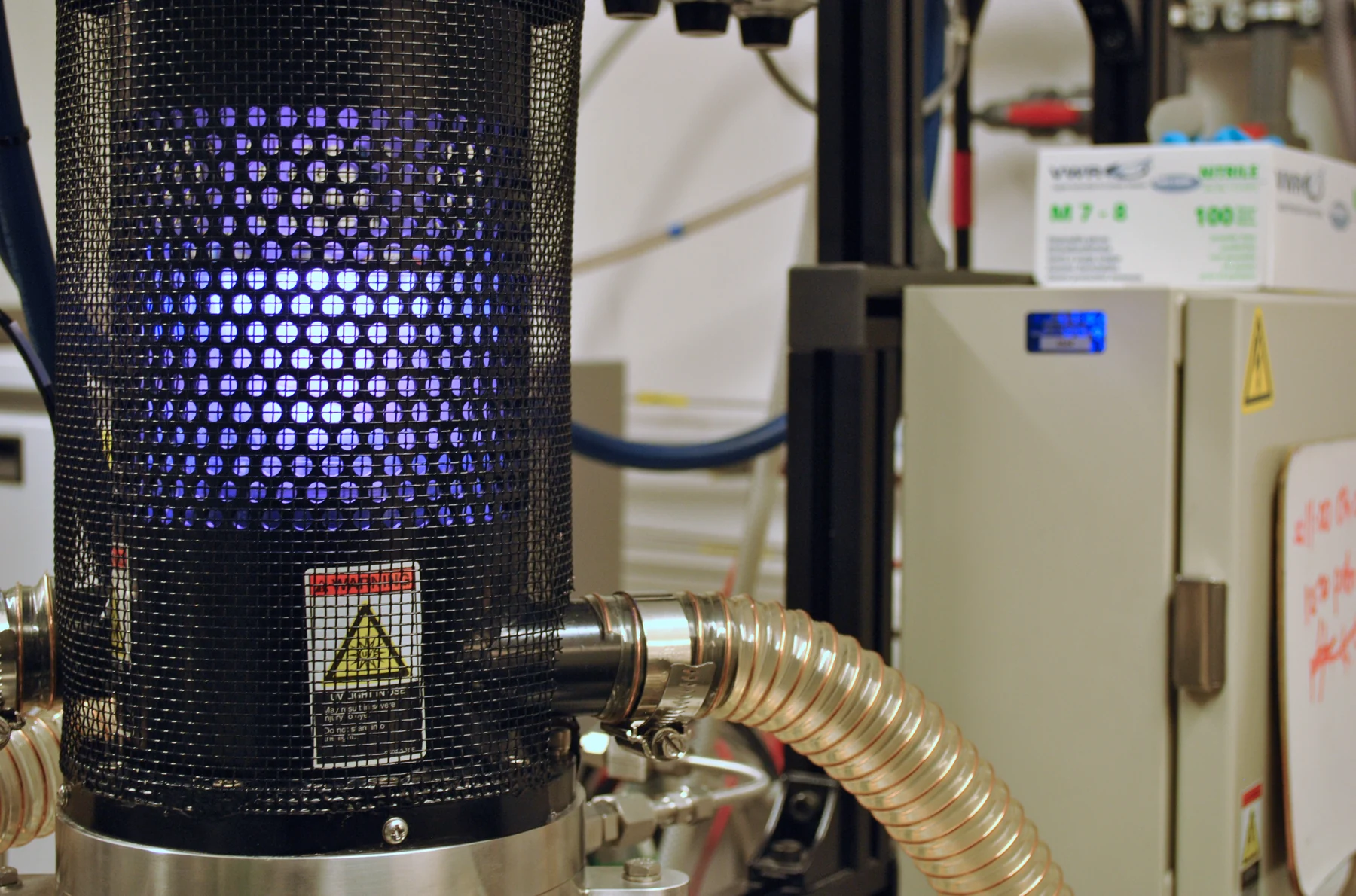
In physics, plasma is often called a fourth state of matter. A gas becomes plasma when some electrons separate from atoms or molecules, leaving free electrons and positive ions among neutral particles. Because these charges can move, plasma can conduct electrical current and respond to electric and magnetic fields [1]. Lightning and the Sun are familiar examples, though they differ enormously in scale and conditions.
Why a medical plasma can be called cold
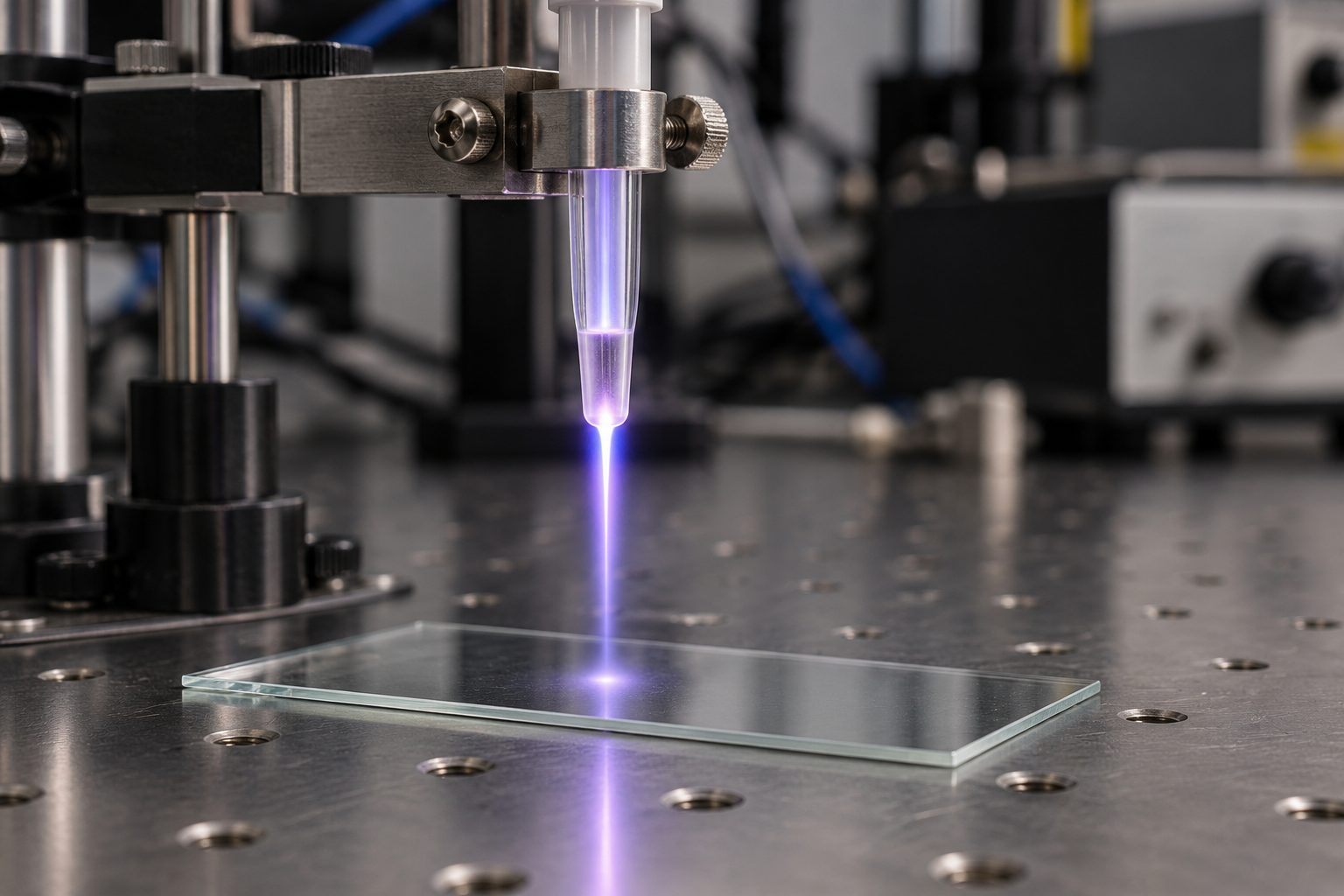
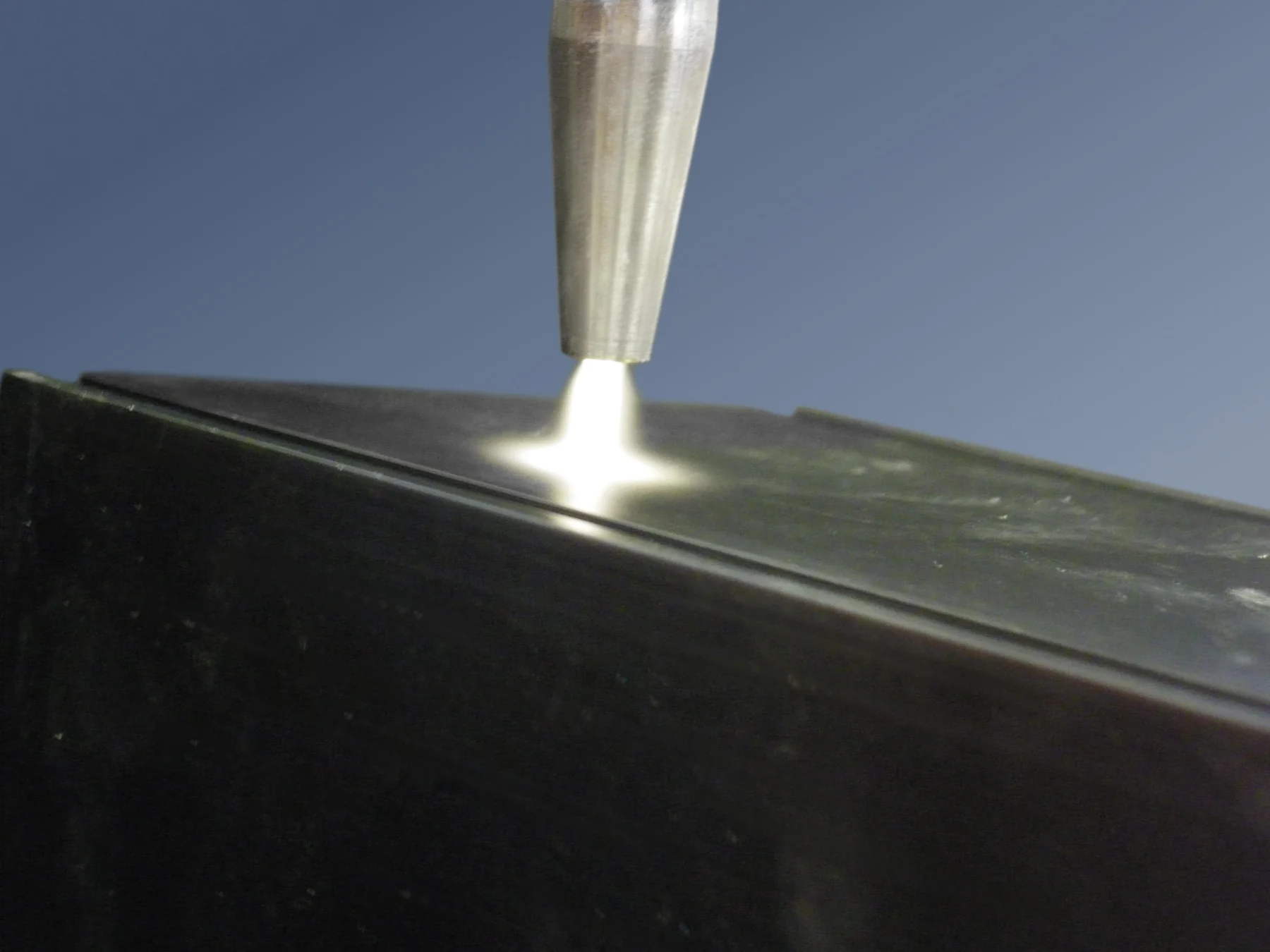
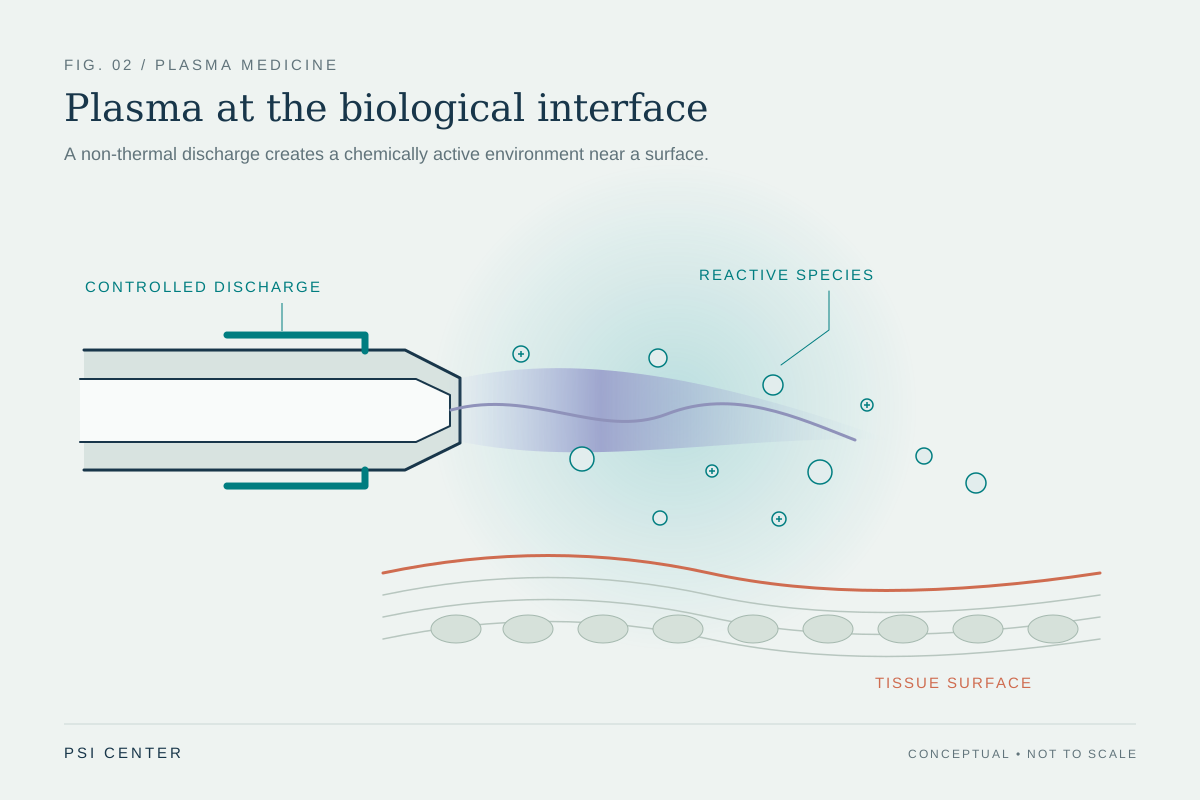
Cold atmospheric plasma refers to a plasma generated near ordinary atmospheric pressure, with the treatment designed to keep the overall gas relatively cool compared with the extremely hot plasmas used in fusion research. The word “cold” describes the operating context; it does not mean there is no energy or reactive chemistry. Charged particles and reactive oxygen- and nitrogen-containing species can interact with nearby material.
That distinction helps explain the research interest: the proposed effects may arise from reactive species and electromagnetic fields, rather than simply baking tissue. But a plausible mechanism is not proof that a treatment improves a health outcome. Physical plasma and blood plasma share a name, not a composition or an interchangeable medical function.
What the early cancer trial tested
A phase I study described a cold atmospheric plasma device used during surgery for 20 people with stage IV or recurrent solid tumors. The treatment was applied to the surgical area after tumor resection. The study’s primary endpoint was safety; it also tracked outcomes such as recurrence and survival [2]. This design asks an early question about whether a procedure can be delivered safely in that setting. [3]
The report found no related adverse events in the study and described follow-up outcomes, but those observations do not establish that the plasma caused improved cancer control. All participants also underwent surgery, the group was small, and the trial was not designed to prove effectiveness. It therefore does not demonstrate a cure, broad clinical benefit, or general FDA approval of cold plasma therapy [2].
Where evidence ends and practice begins
A medical technology can have an interesting physical mechanism and still need much more clinical evaluation. Laboratory findings can show how reactive species affect cells under particular conditions; they cannot by themselves tell us whether patients benefit, which settings are safe, or how results compare with established care. Those questions require appropriately designed human studies and careful interpretation.
The context matters, too. Cold atmospheric plasma studied as a possible tissue treatment is distinct from plasma used in sterilization equipment, where a controlled chamber process is intended to inactivate microorganisms on devices. It is also unrelated to blood plasma transfusion. Using the same word for these different things is a reminder to ask what material is involved, what the device does, and what level of evidence supports the claimed medical use.
Explore the physics: an explanatory diagram
Sources & further reading
- About Plasmas and Fusion Princeton Plasma Physics Laboratory
- First Cold Atmospheric Plasma Phase I Trial for Advanced Solid Tumors Canady et al., Cancers (2023)
- Learn About Clinical Trials National Eye Institute
Prepared for the independent PSI Center reading library. About edition dates and source checking.
This explainer describes scientific principles. It does not assess individual treatment choices.