What does a sensor actually measure when it reports a vibration or a sound level? It detects a physical input and converts it into a signal that can be recorded or displayed. That reading is useful, but it is not the same thing as the full experience of hearing. The path from moving air to a recognized sound involves several transformations, each revealing something and leaving something else out.
A measurement begins with an input
A sensor is a tool that detects and responds to an input from the physical environment. Some measure temperature, pressure, light, fluid flow, or chemical conditions; biomedical sensors can report selected biological, chemical, or physical processes to users or health professionals [1]. A number on a screen is therefore the end of a chain: an input affects a sensing element, that element changes in a detectable way, and the device converts the change into a reported value.
Consider a thermometer. Heat causes a fluid to expand or a metal strip to bend; the instrument translates that change into a temperature reading [1]. The reading is useful because it gives a standardized measure of one property. It does not, by itself, describe every aspect of a person’s health. Likewise, a wearable can track signals such as heart rate or sleep patterns, but that capability does not mean every wearable diagnoses disease [1].
Hearing is a chain of mechanical steps
Sound starts as pressure waves moving through air. They enter the ear canal and vibrate the eardrum; three small bones in the middle ear pass on and amplify those vibrations. In the cochlea, fluid motion produces a traveling wave along the basilar membrane, where hair cells respond to movement [2]. The sequence resembles a relay: each stage transfers the vibration in a form the next stage can use.
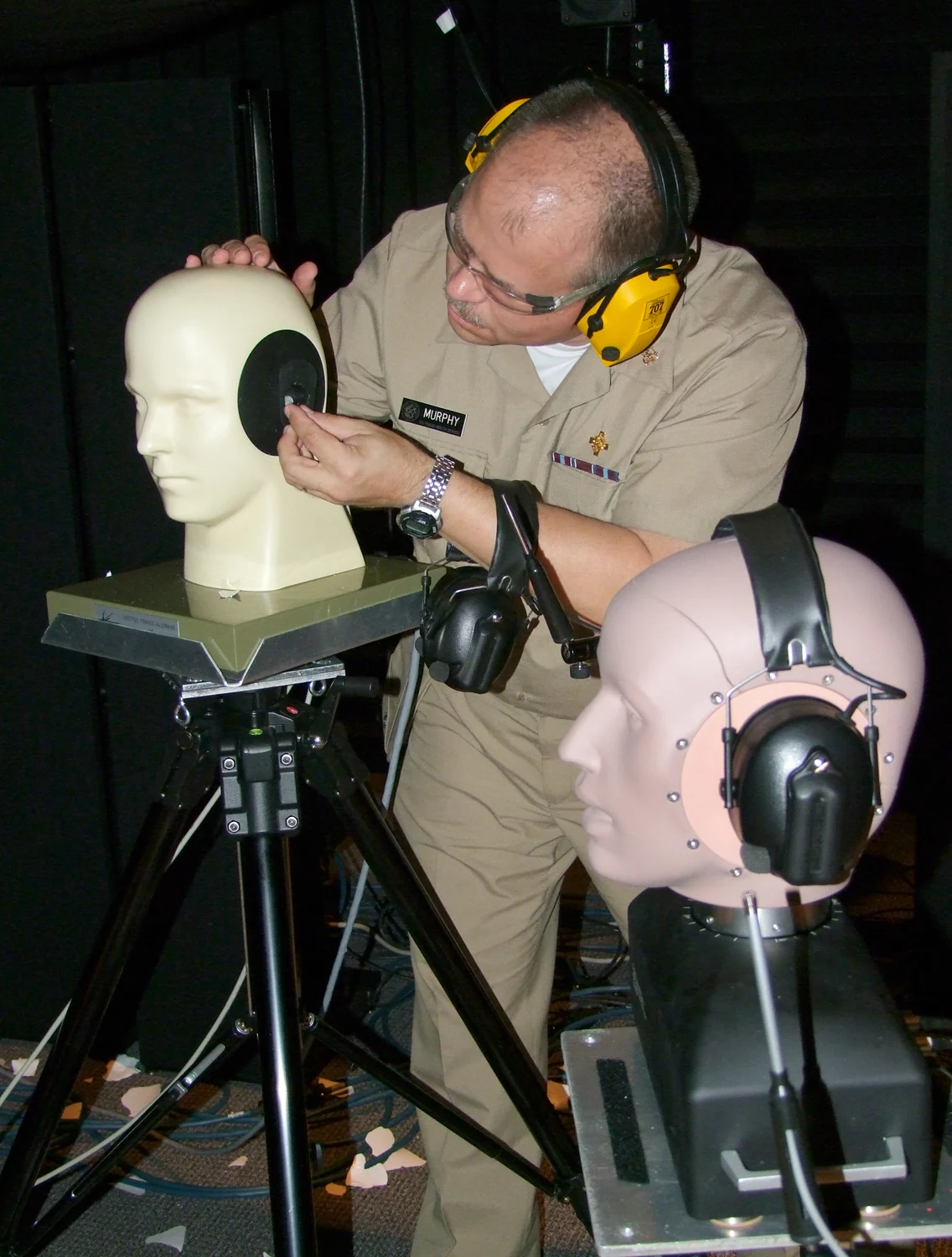
At the hair cells, tiny projections called stereocilia bend against an overlying structure. That bending opens channels, allowing chemicals to enter the cells and generate electrical signals. The auditory nerve carries these signals to the brain, which interprets them as sounds [2]. A microphone can measure pressure changes in air, but it does not reproduce this biological chain or the brain’s recognition of a voice, melody, or warning sound.
One signal, different questions
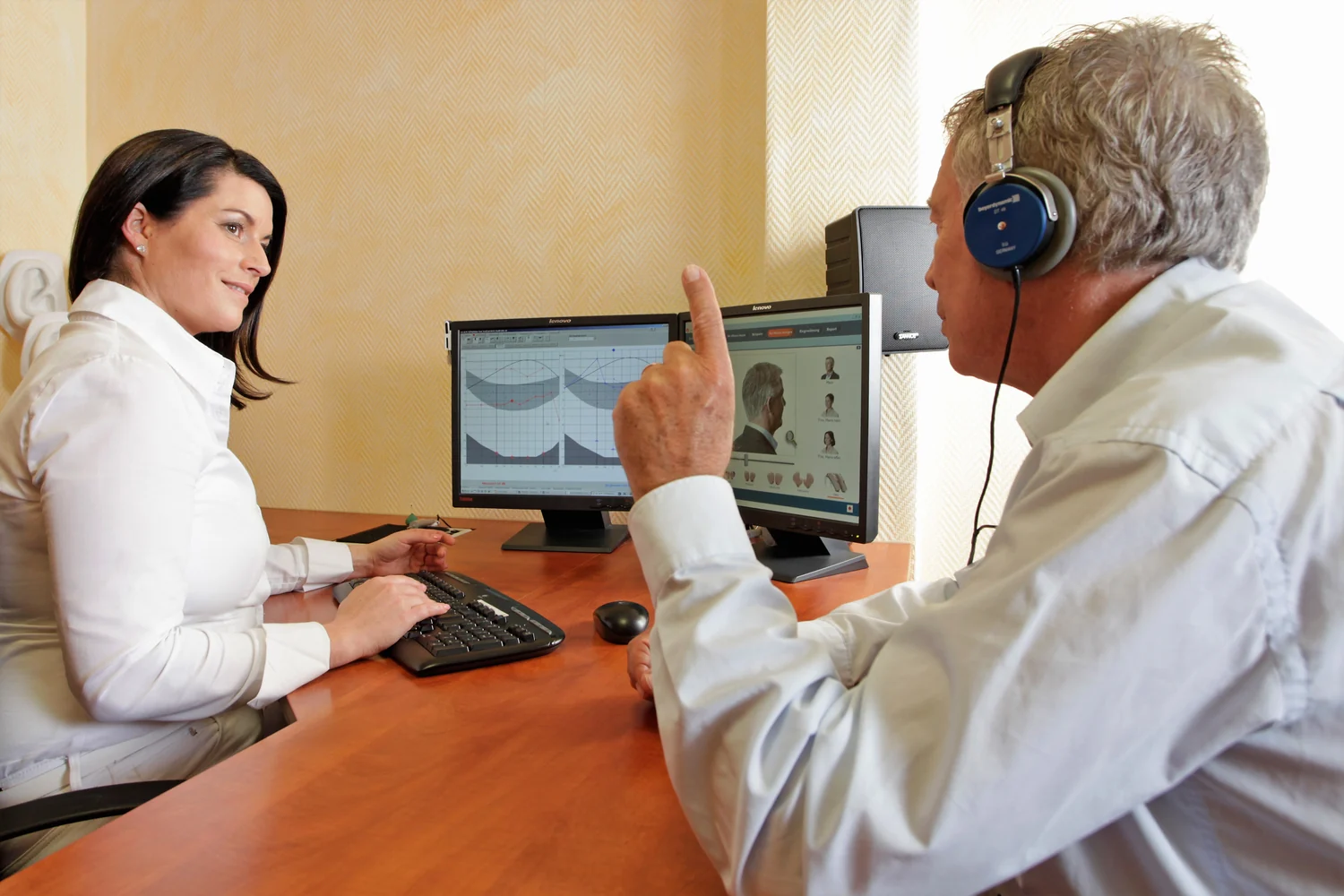
The word “sound” can refer to different measurable features: pressure variation, frequency, amplitude, or the pattern arriving over time. Frequency relates to pitch, while amplitude relates to the size of the pressure variation. A measurement built to capture one feature may not answer another question. A simple thought experiment makes the point: two sounds can have the same average loudness but differ in timing, pitch, or rhythm, so the average alone cannot describe how they are heard.
The ear also processes frequency across space. Hair cells near the wide end of the cochlea detect higher-pitched sounds, while cells closer to its center detect lower-pitched sounds [2]. This organization means that hearing is not a single sensor reading. Sound vibrations are distributed through a physical structure, converted to electrical activity, and interpreted by the brain. A numerical measurement can summarize one link in this process without standing in for the whole experience.
Useful readings have boundaries
The same caution applies to health sensors. A pulse oximeter estimates oxygen saturation through light absorption, while a continuous glucose monitor uses enzymes to detect glucose in fluid between cells [1]. These devices respond to different inputs and report different quantities. Neither the label “sensor” nor the presence of a display tells us how accurate a reading is in every condition, or whether the device has been validated for a particular clinical decision.
Measurements become more informative when we know what physical quantity was captured, how it was converted, and what limitations might affect it. In hearing, the path from air vibration through the cochlea to the brain explains why an acoustic reading and a person’s perception are related but not identical [2]. In medicine, sensors can support research and care, yet their readings remain evidence about specific signals—not automatic diagnoses or complete descriptions of a person [1].
Sources & further reading
- Sensors NIBIB
- How Do We Hear? NIDCD
Prepared for the independent PSI Center reading library. About edition dates and source checking.
This explainer describes scientific principles. It does not assess individual treatment choices.