Why can a conversation be hard to follow in a crowded room even when every voice is loud? The ear receives overlapping sound waves from speakers, clattering dishes, and reflections from walls. A directional microphone helps by responding differently to sounds arriving from different directions, allowing a hearing aid to emphasize a region of interest. That does not make unwanted sound vanish: the result depends on where people sit, how noise spreads, and how the device processes the signal. [1]
Sound arrives from many directions
A sound wave is a pattern of pressure changes moving through air. In a restaurant, a listener may receive a nearby speaker’s voice directly, along with reflections that bounced from walls and tables. Other voices and clattering objects add more pressure waves at once. The eardrum and hearing aid microphone receive the mixture; there is no separate physical “speech channel” waiting to be turned up.
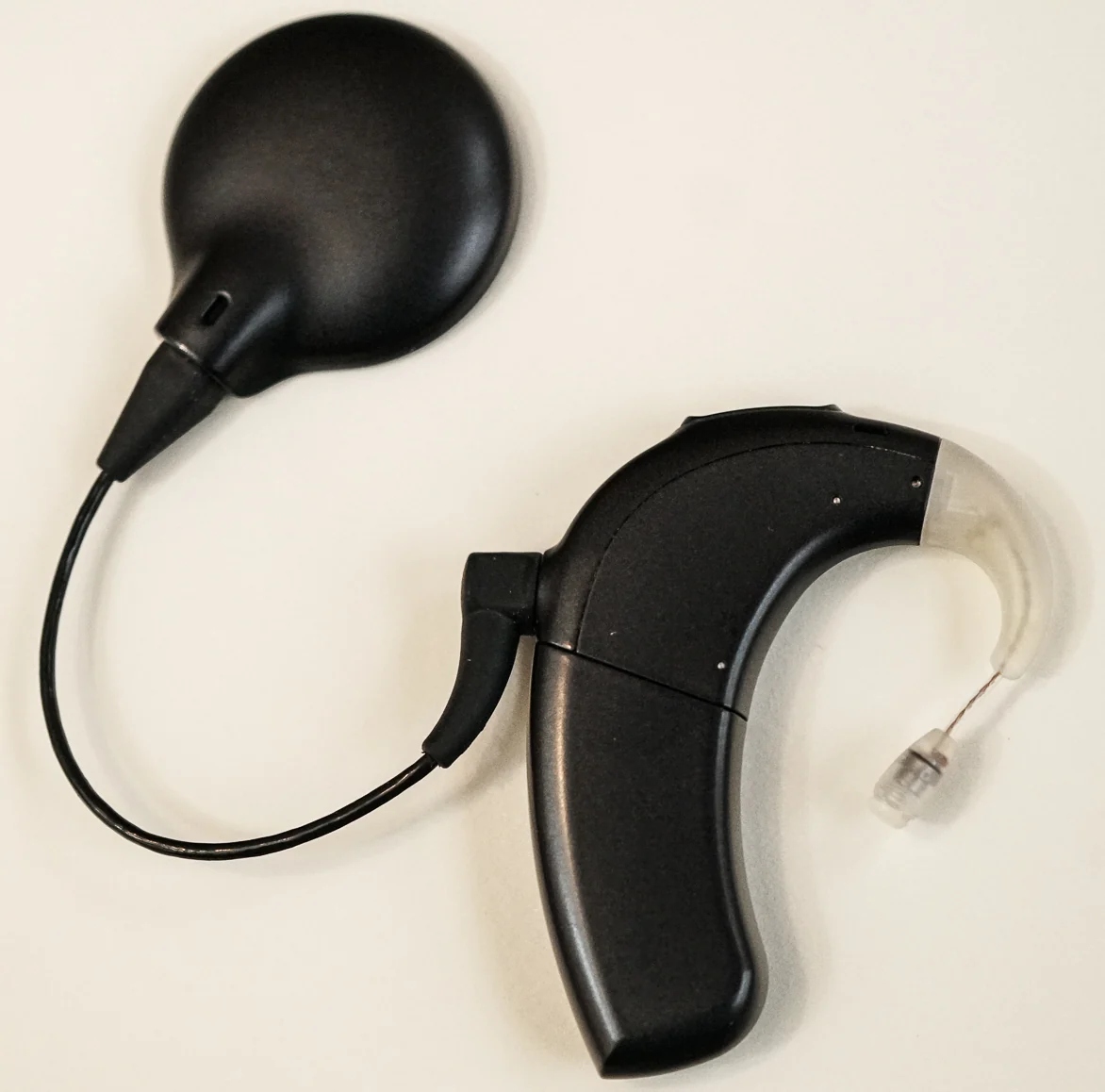
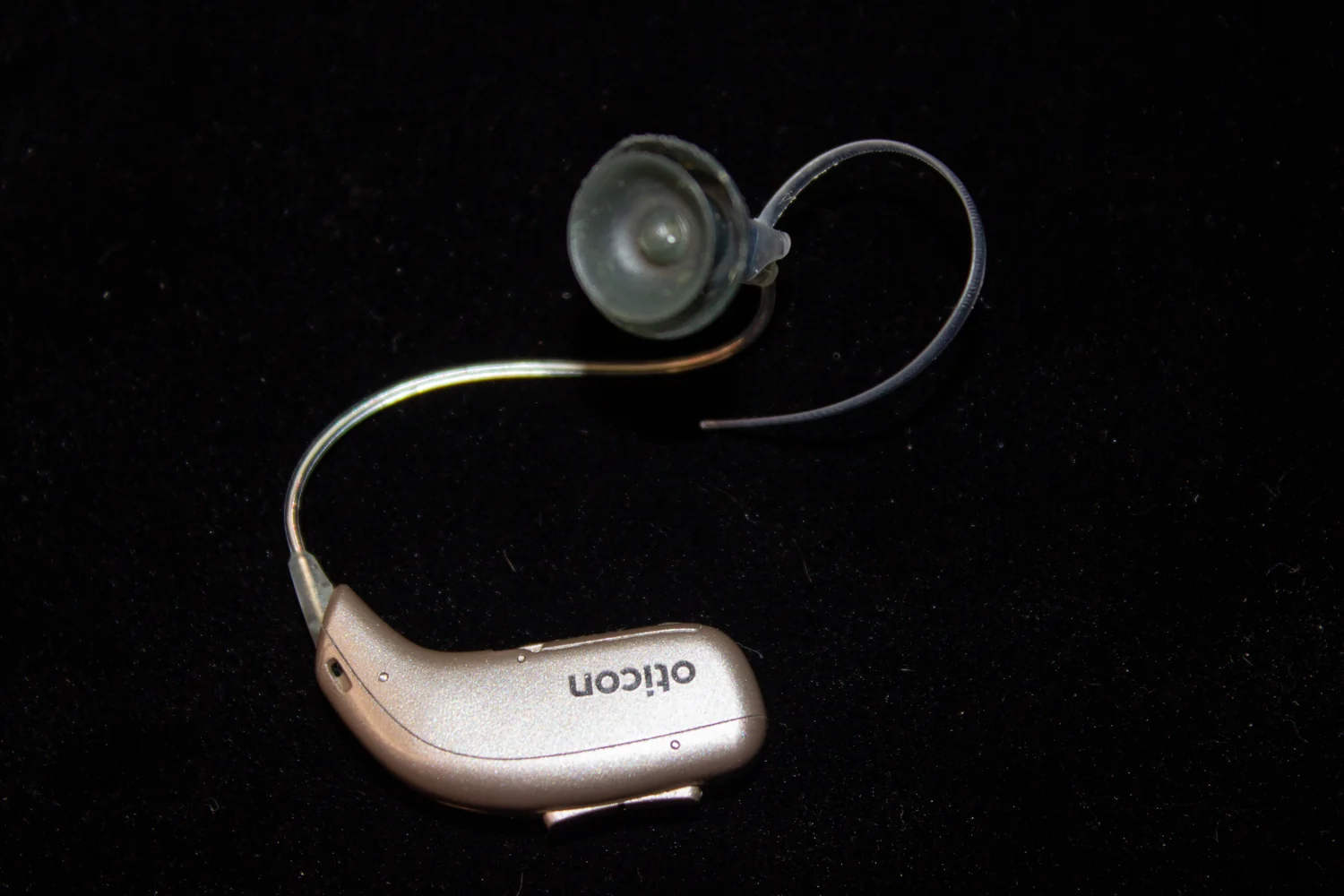
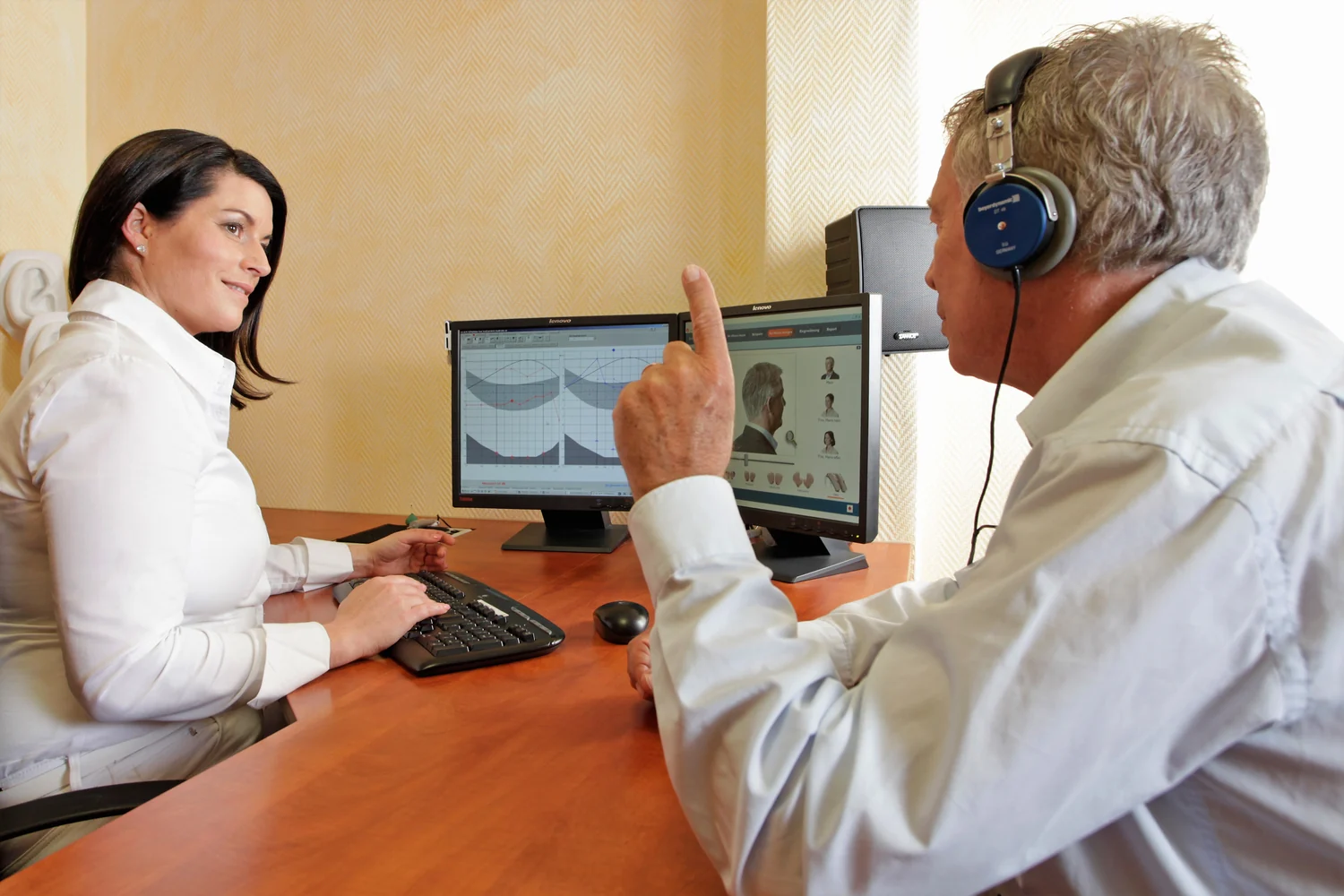
A microphone converts sound waves into electrical signals. A hearing aid amplifies those signals and sends sound to the ear through a speaker. Digital hearing aids encode sound as numerical information before processing it, which lets them amplify some frequencies more than others and focus on sounds from a particular direction. [1]
How direction becomes a clue
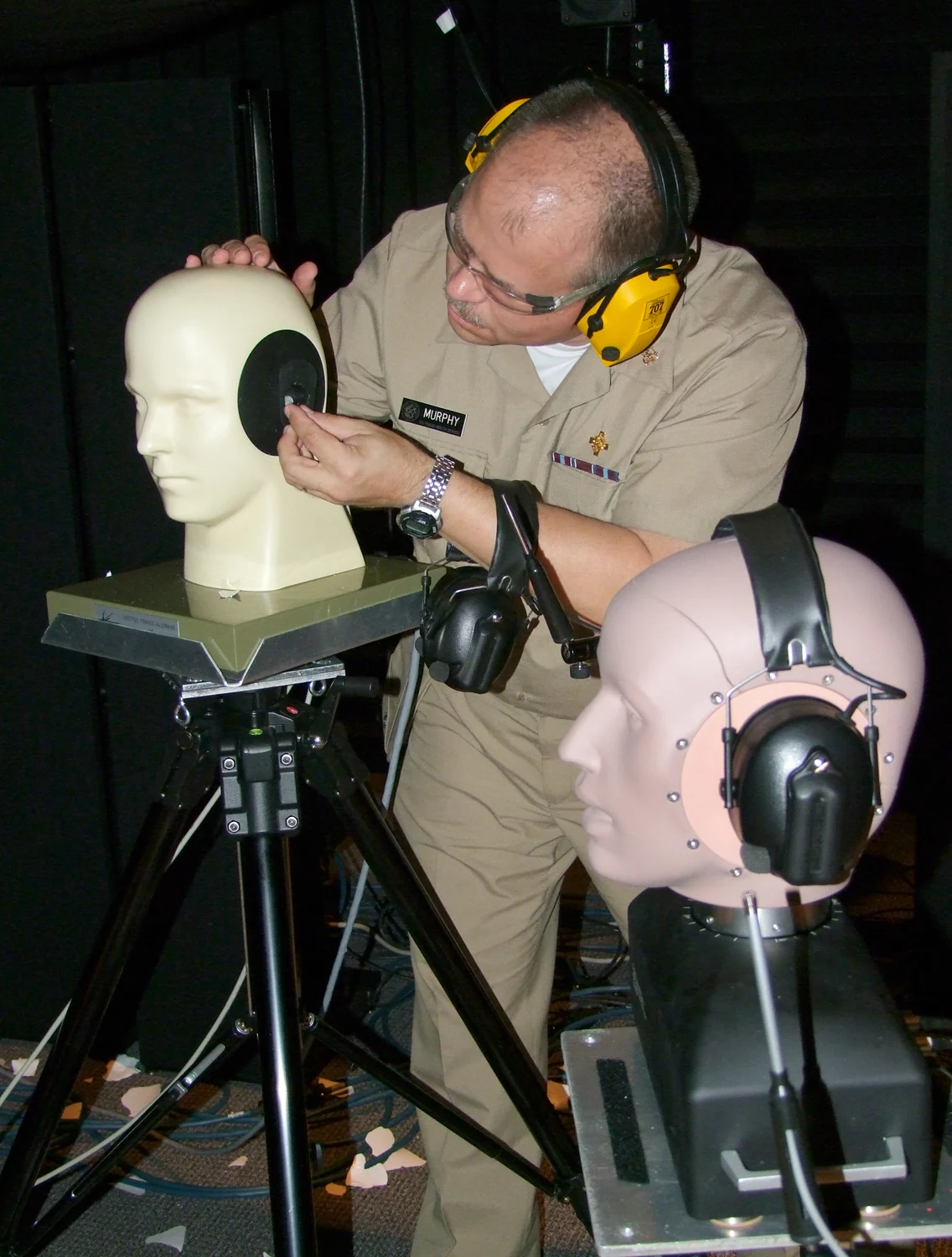
A directional microphone system uses differences in sound arriving at multiple microphone openings or sensors to estimate direction. The sound from a person in front may reach the microphones with a different timing or level pattern than sound from behind. Processing can then give more weight to the front-facing signal. The principle resembles comparing two recordings made a small distance apart: tiny differences contain information about where a source is.
This is a preference, not a wall. If a competing talker sits beside the person the listener wants to hear, both may fall within the favored region. Reverberation also complicates the estimate because reflected sound arrives from many directions after the original wave. A microphone may reduce some competing sound while leaving enough noise to mask quiet speech. NIDCD notes that hearing aids do not completely separate wanted sounds from unwanted ones. [1]
The room changes the result
Imagine sitting at a table with one friend directly ahead and a ventilation fan behind you. A directional setting that favors the front could improve the balance between the friend’s voice and the fan. Turn your chair so the friend is behind you, however, and the same setting may work against the conversation. The physical arrangement matters as much as the device’s signal processing.
Biomedical sensors can detect physical inputs such as sound, pressure, or temperature and convert them into signals for users or clinicians. [2] In hearing aids, the microphone is one part of a larger system: amplifier, processing, speaker, fit, and the wearer’s remaining hearing all affect what reaches the brain. A directional mode can be useful in a setting with a clear spatial distinction, but it cannot compensate for every acoustic condition.
Amplification is not restoration
Hearing aids are designed to make some sounds louder and can be programmed to focus on a direction. They do not restore normal hearing. For people with sensorineural hearing loss, surviving inner-ear hair cells detect vibrations and help convert them into neural signals. If those cells are severely damaged, increased sound may not be converted effectively; there are practical limits to amplification. [1]
A directional microphone therefore changes the mixture presented to the listener rather than repairing the whole hearing pathway. Its advantage is selective emphasis when the wanted and unwanted sounds differ in direction. Its limit is that real rooms contain moving talkers, reflections, and noise sources that can share the same directions. Understanding that tradeoff makes “hearing better in noise” a question about the room and signal, not simply about volume.
Sources & further reading
- Hearing Aids NIDCD
- Sensors NIBIB
Prepared for the independent PSI Center reading library. About edition dates and source checking.
This explainer describes scientific principles. It does not assess individual treatment choices.