Why can a loud concert be a problem even when the sound never feels painful, while a single explosive bang can threaten hearing in an instant? The answer involves both sound level and exposure time. Sound is a pressure wave, but the ear is a delicate chain of mechanical and electrical parts. How much energy reaches those parts, and for how long, helps determine whether their sensory machinery is stressed or damaged.
Decibels describe a level, not a timer
Sound level is measured in decibels, often adjusted as dBA to reflect aspects of human hearing. The scale is logarithmic: a change in decibels does not correspond to a simple proportional change in sound pressure. NIDCD reports that sounds at or below 70 dBA are unlikely to cause hearing loss even after long exposure, while long or repeated exposure at or above 85 dBA can cause damage. The louder the sound, the less time it can take for harm to occur. [1]
That relationship makes a single number incomplete. Picture two listeners standing at different distances from a speaker: the sound reaching the farther listener is generally lower, even if the source is the same. Now imagine each stays for a different length of time. Their ears experience different exposures despite sharing the same venue. Distance, duration and level all help determine the energy reaching the inner ear. NIDCD’s practical framing is to avoid noise that is too loud, too close or lasts too long. [1]
A sound wave becomes a nerve signal
The outer ear funnels sound waves toward the eardrum, which vibrates. Three tiny middle-ear bones pass those vibrations to fluid in the cochlea, a spiral-shaped structure in the inner ear. The fluid motion creates a traveling wave along a membrane. Sensory hair cells move with that wave, and microscopic projections called stereocilia bend. Their movement opens channels that help trigger electrical signals carried by the auditory nerve to the brain. [1]
The chain is a physical transducer: it converts motion in air into a signal the nervous system can interpret. Loud noise can damage or kill the delicate hair cells. Human hair cells do not grow back, so permanent damage can accumulate even when the change is not immediately obvious. A person may notice muffled sound, trouble following conversation in a noisy room, or ringing known as tinnitus. Some temporary hearing loss can fade, but an apparent recovery does not necessarily rule out lasting effects. [1]
A burst and a long exposure differ
A very intense impulse sound, such as an explosion, can cause immediate injury, including damage to the eardrum or middle-ear bones. Continuous loud sound, such as machinery, can create a different pattern: repeated exposure over time may gradually harm sensory structures. Both pathways can lead to noise-induced hearing loss, but they differ in how the ear receives the energy and how quickly symptoms appear. The absence of instant pain is not a reliable measure of safety. [1]
A concert offers a concrete example of why duration matters. Music through headphones at maximum volume, concerts and sporting events may reach levels NIDCD lists in the 94–110 dBA range. The actual level depends on the setting and position, but remaining near a loud source for a long time adds exposure. A quieter spot farther from speakers changes what reaches the ear; hearing protection can reduce the sound energy entering the ear canal. These are physical changes to exposure, not tests of whether damage has already occurred. [1]
Protection is about changing the exposure
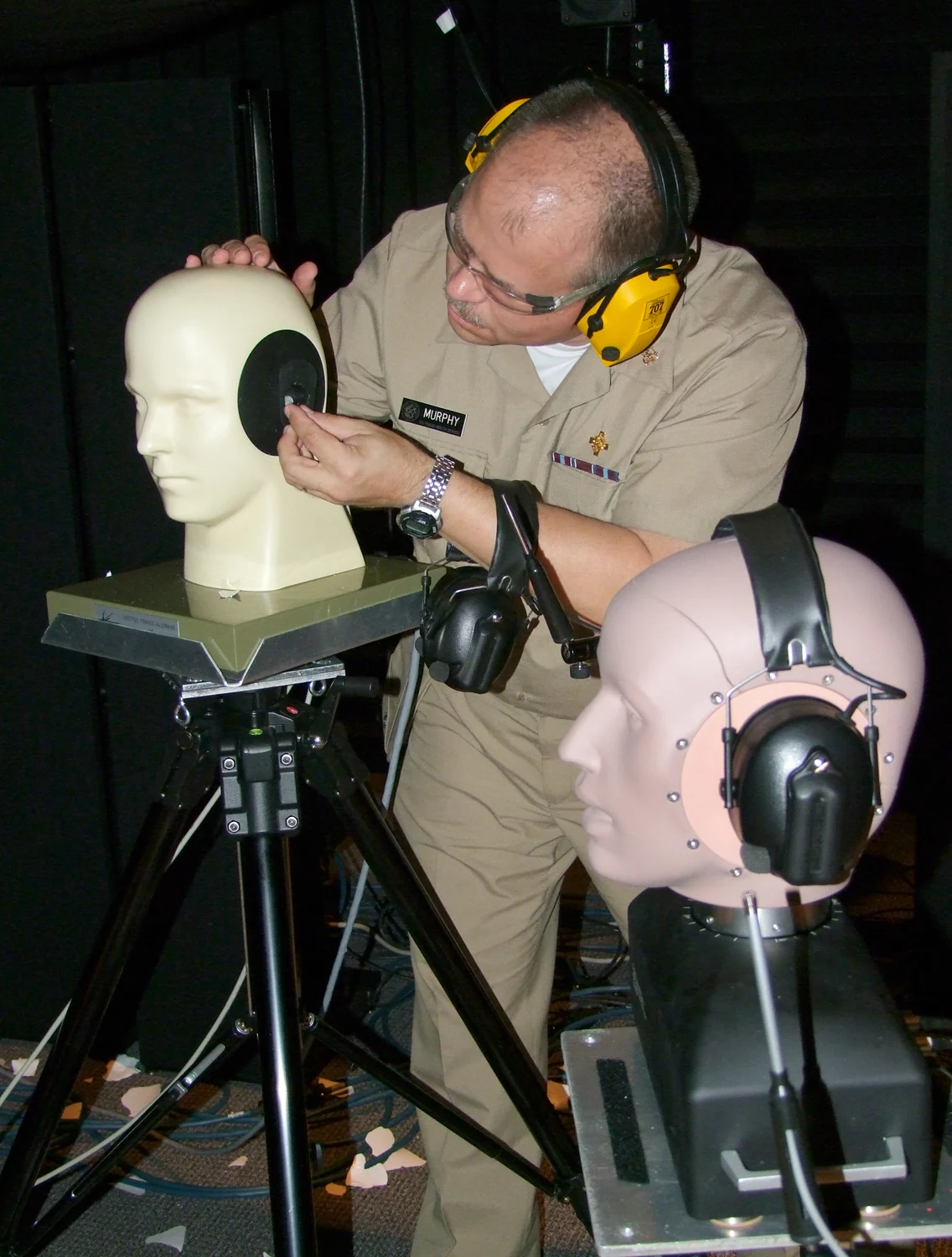
Practical hearing protection follows directly from the physics: reduce the level, increase distance, shorten time, or use suitable ear protection in a loud activity. NIDCD identifies earplugs and earmuffs as options and advises moving away when noise cannot be reduced or protection used. This logic applies across ages; harmful sound can affect children and adults, and young children may depend on others to protect their ears. [1]
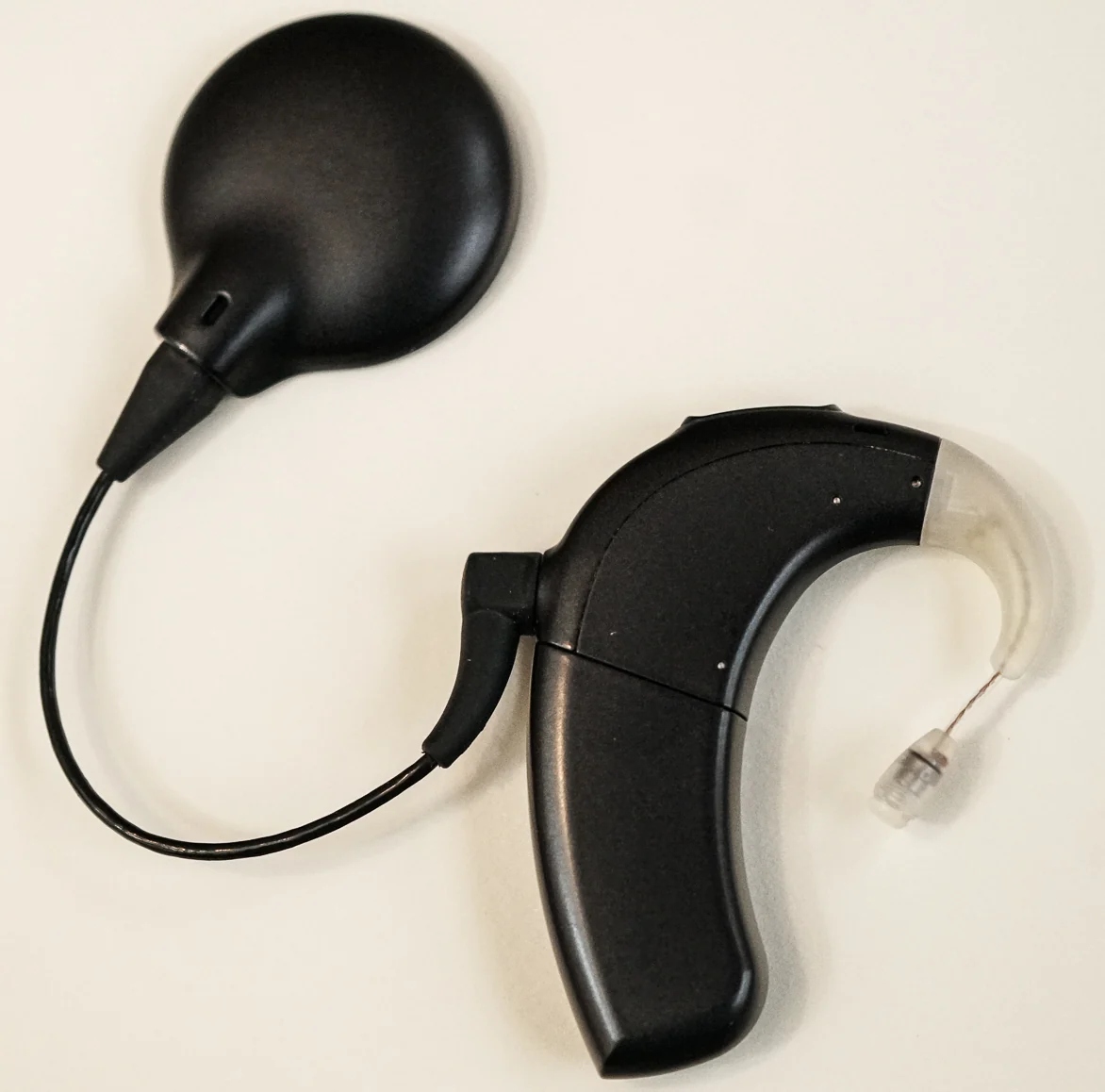
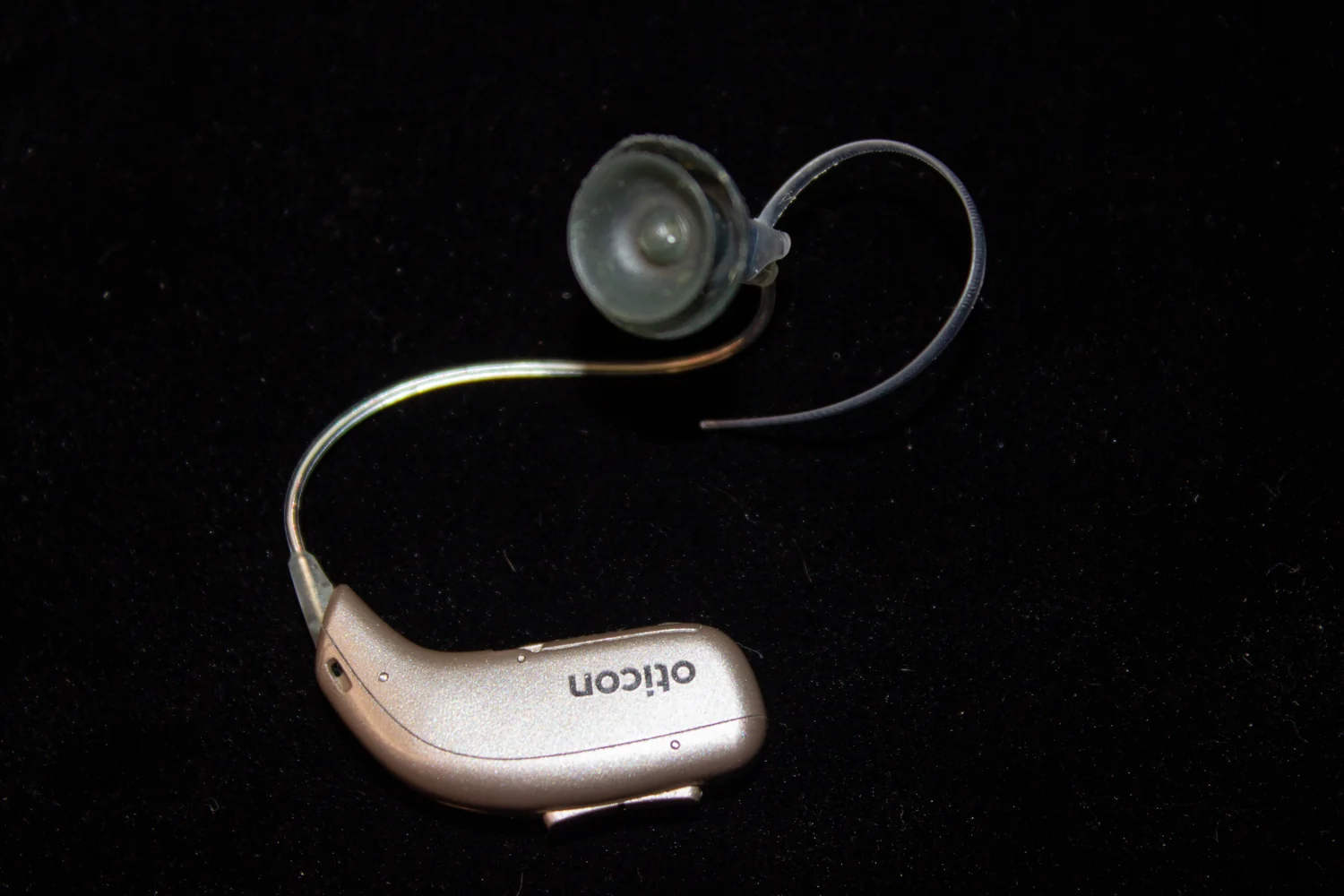
Hearing aids address a different part of the story. They use a microphone, amplifier and speaker to make selected sounds louder for someone with hearing loss. They can help surviving hair cells detect stronger vibrations, but they do not restore normal hearing, and amplification has practical limits if the inner ear is too damaged. A hearing aid is therefore not a shield against further noise exposure. Prevention acts upstream by limiting harmful sound before it damages the structures needed to hear. [2]
Sources & further reading
- Noise-Induced Hearing Loss NIDCD
- Hearing Aids NIDCD
Prepared for the independent PSI Center reading library. About edition dates and source checking.
This explainer describes scientific principles. It does not assess individual treatment choices.