Radiopharmaceuticals pair a radioactive atom with a molecule that travels to or binds a chosen biological target. Their distribution can support imaging or deliver radiation, though targeting is selective rather than perfectly exclusive.
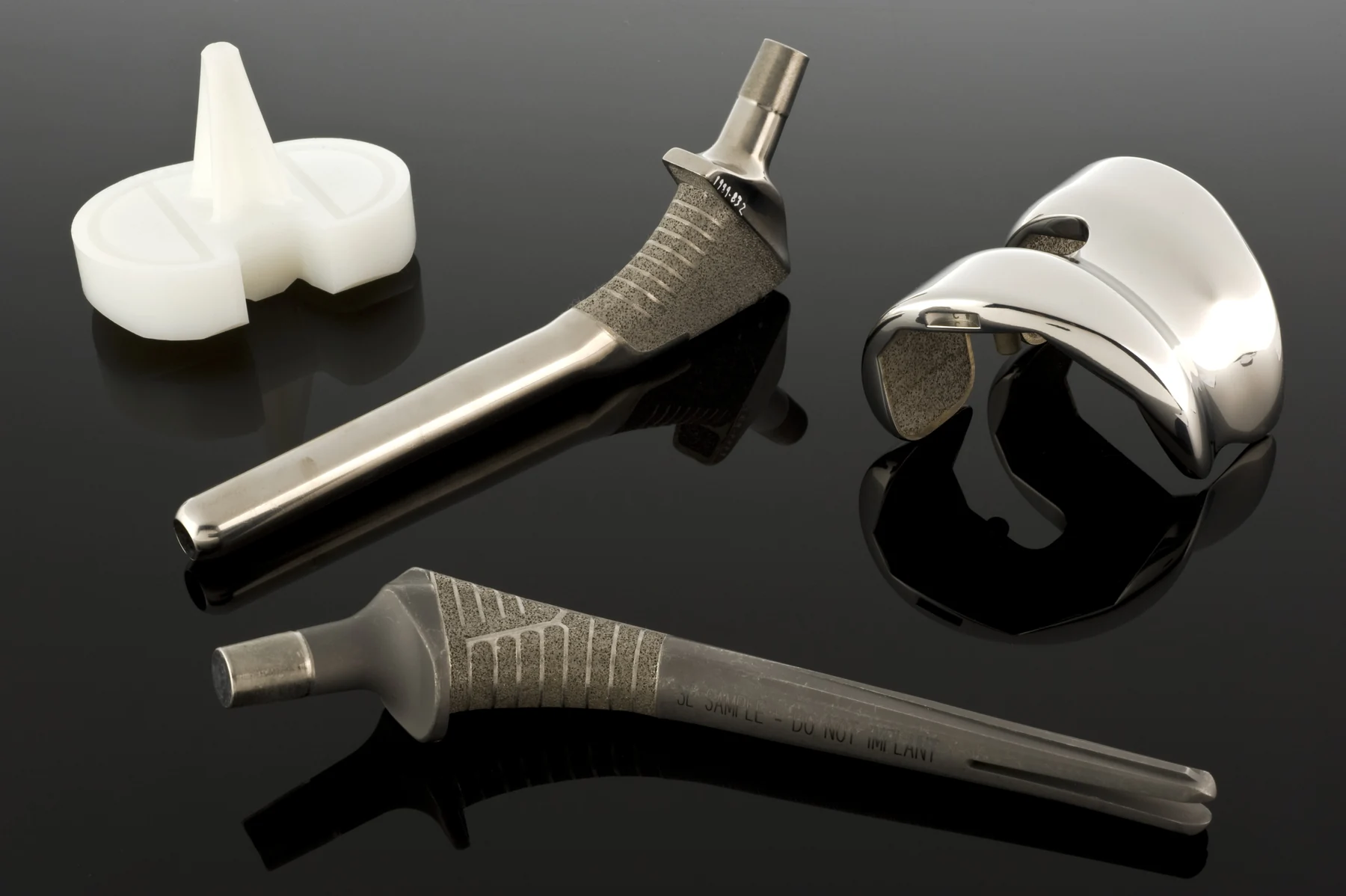
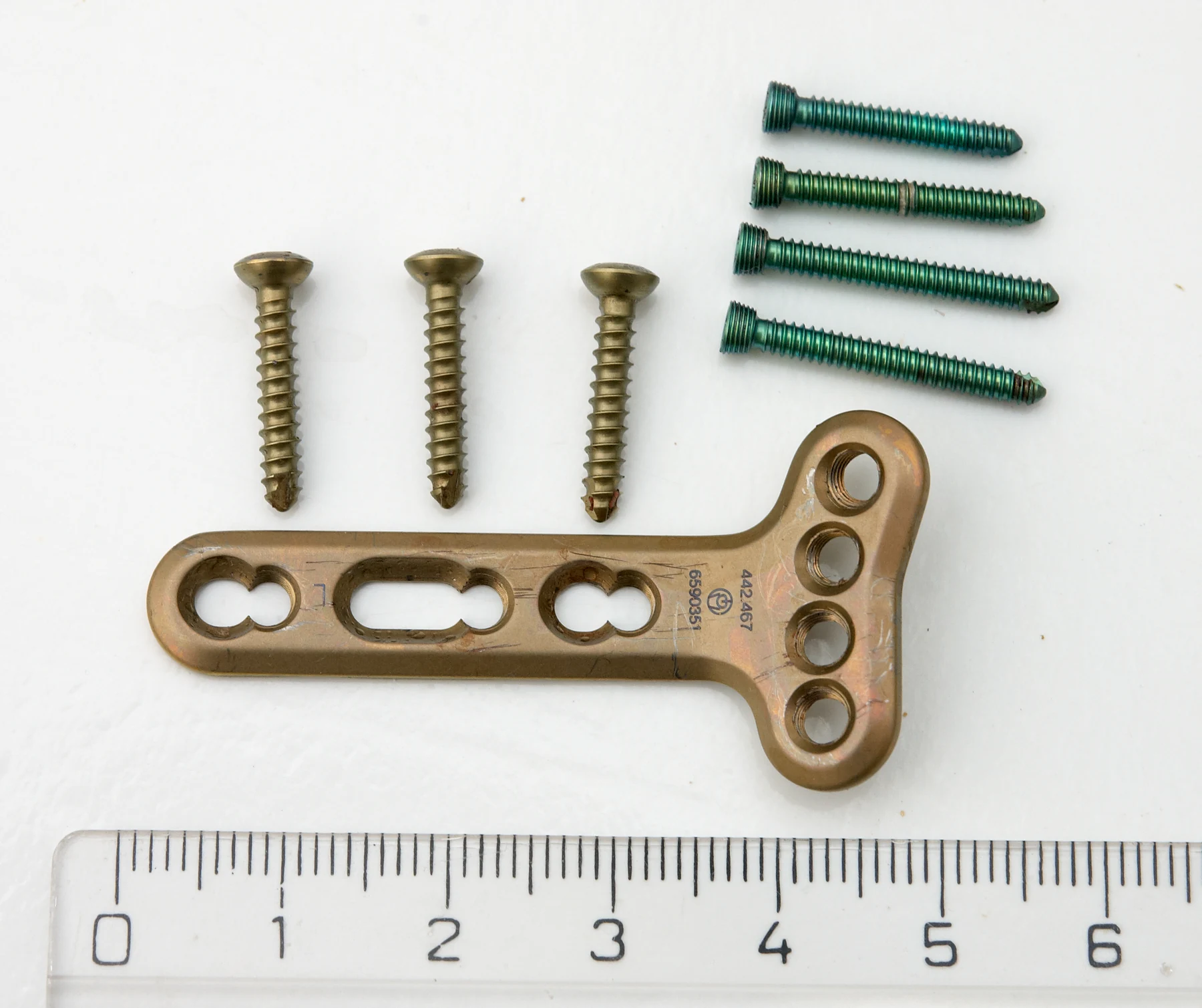
A biodegradable implant is built to alter its chemistry and structure in the body. Its usefulness depends on coordinating that change with healing, while evaluating safety for a particular device and purpose.
Sound is a traveling disturbance in matter, not a substance that flies through empty space. The same chain of pressure changes that carries a voice also underlies ultrasound imaging and hearing.
The word “plasma” describes different processes across medicine and manufacturing. A coating applied with a hot plasma spray and cold plasma used near living tissue have distinct targets, temperatures, and evidence questions.
A model’s output depends on many inputs, but some assumptions matter far more than others. Sensitivity analysis varies those inputs systematically to reveal where predictions are stable and where they are fragile.
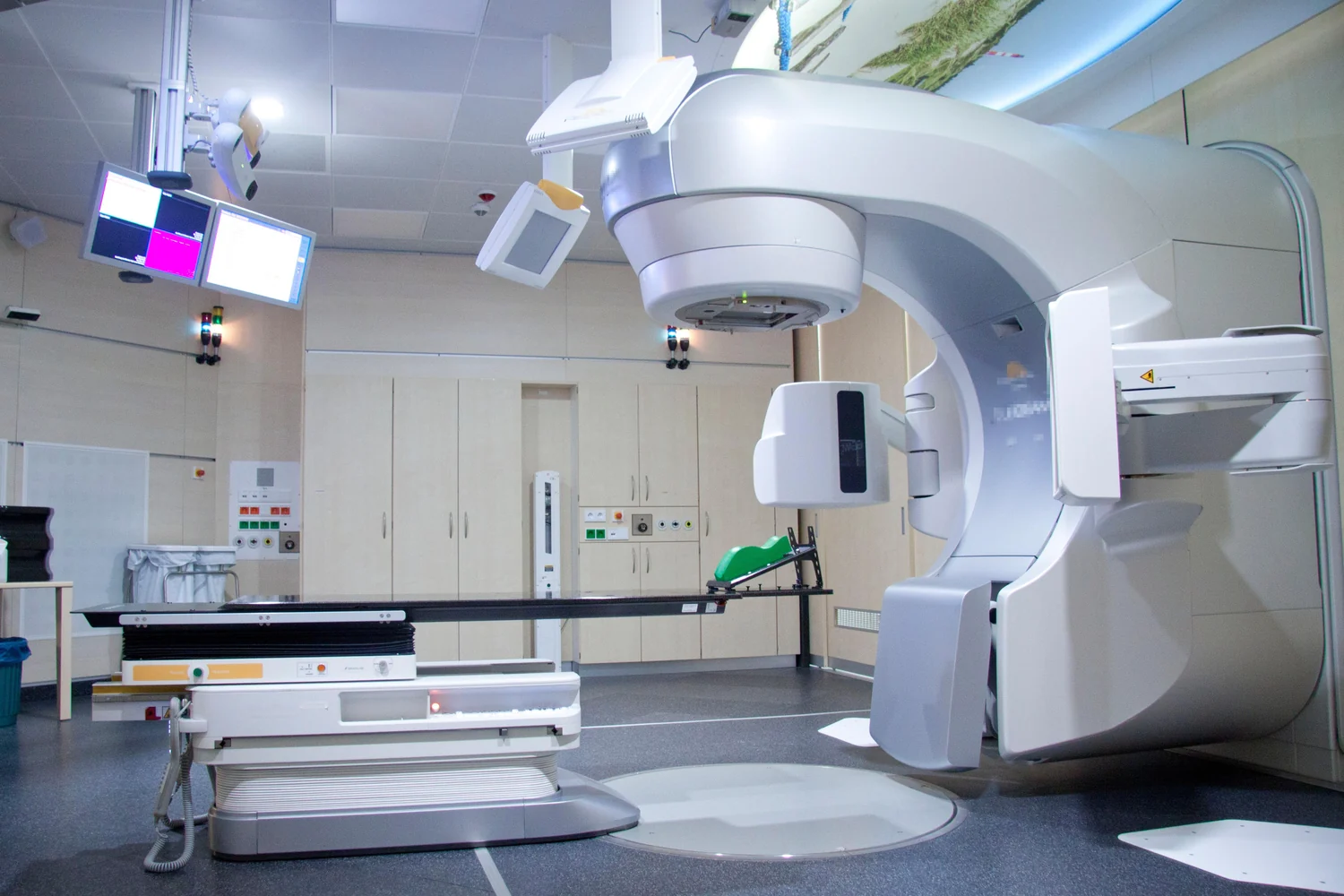
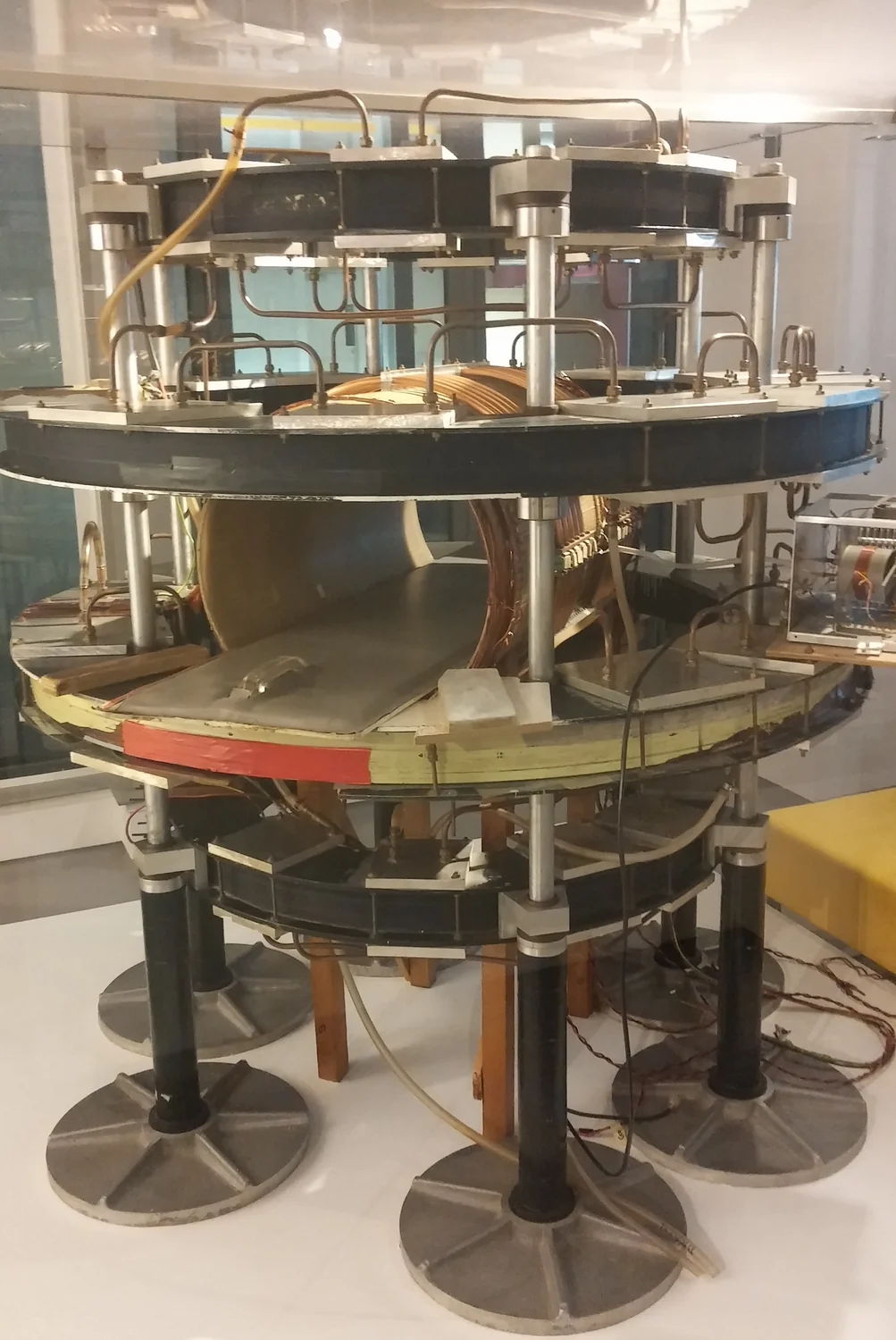
Radiation planning uses imaging, beam geometry, and treatment timing to concentrate dose at a target while limiting exposure to nearby normal tissue. The balance depends on anatomy, tumor motion, and beam type.
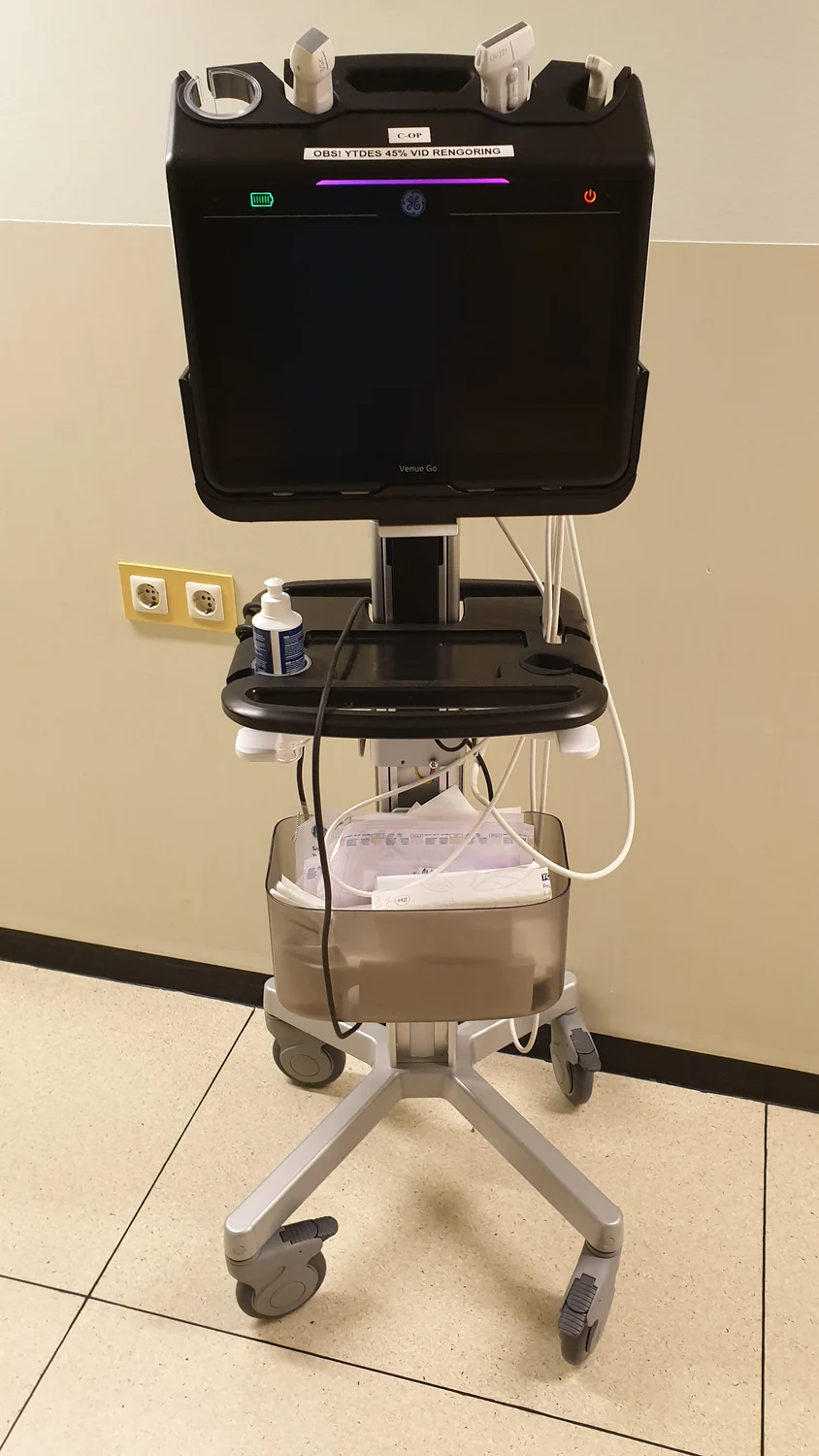
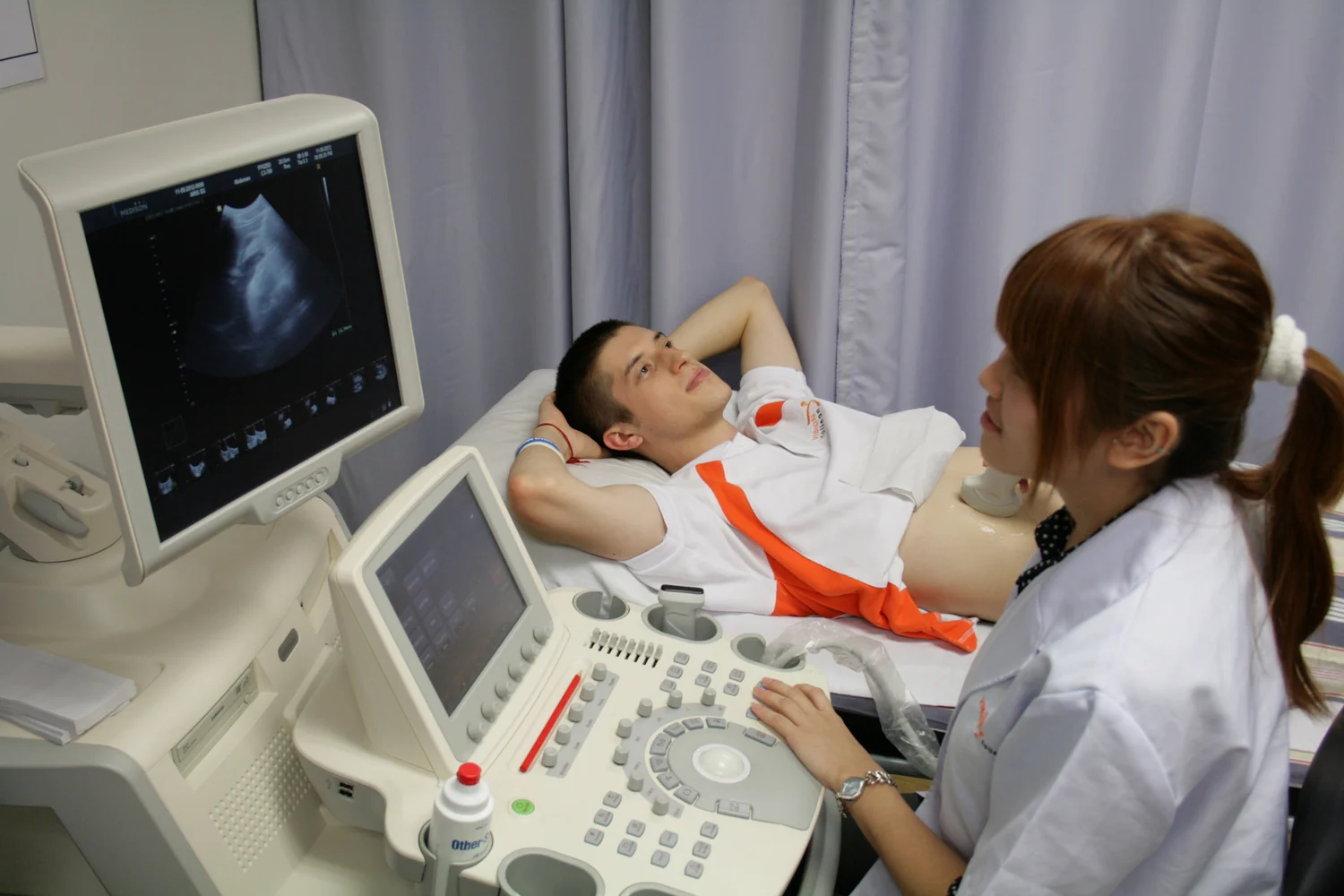
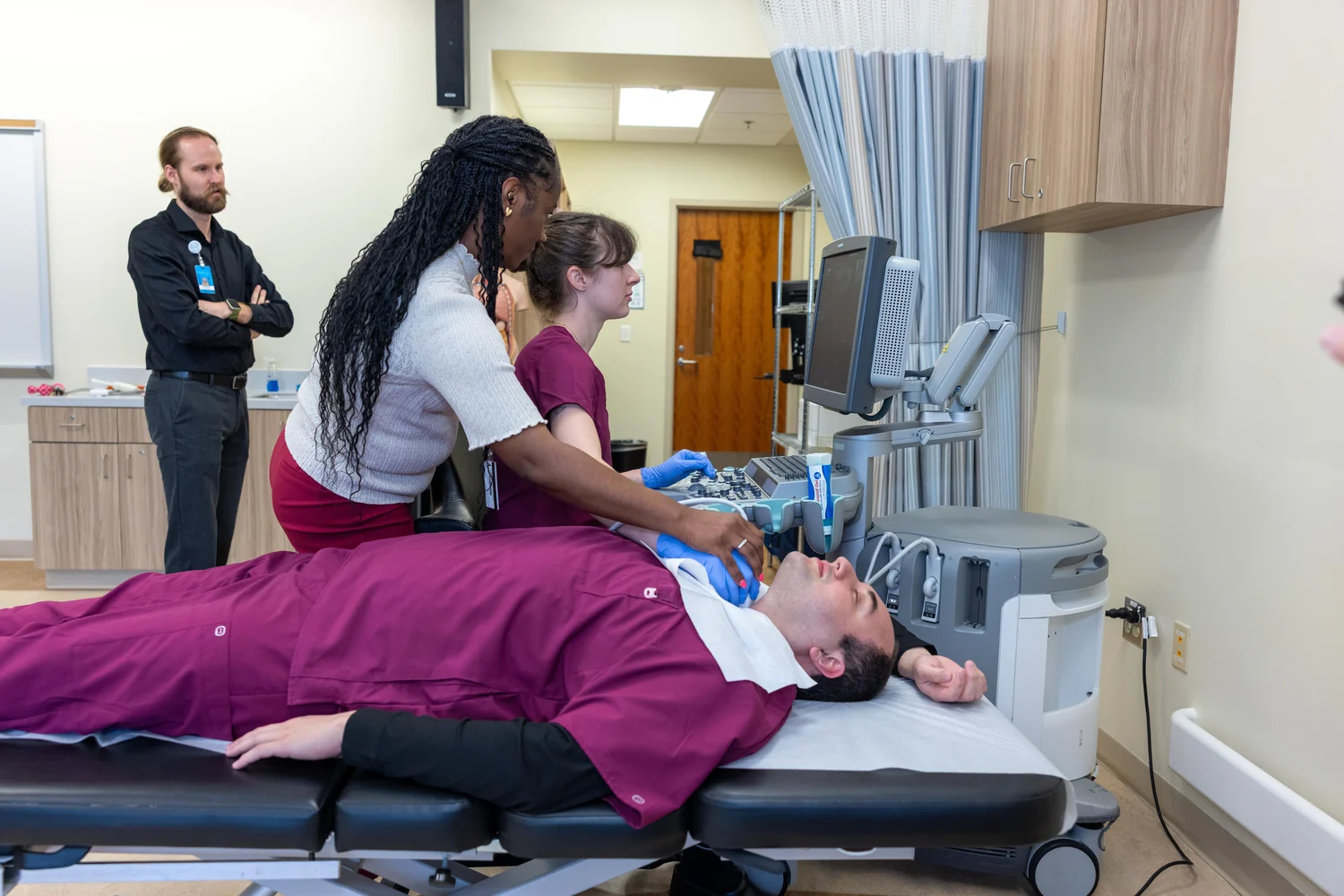
Ultrasound images with sound rather than x-rays, so it does not expose tissue to ionizing radiation. Its acoustic energy can still heat tissue or produce mechanical effects, making prudent use and trained operation important.
Light can reveal fine detail near a surface yet lose its bearings deeper in tissue. Wavelength, absorption, scattering, and detection geometry set the limits—and sometimes create useful signals.
Molecules spread because random thermal motion continually carries them through space. A concentration difference gives that wandering a net direction, a principle used in dialysis filters and relevant to how materials exchange substances.
A material’s biological compatibility depends on its device, location, contact duration, and function. Testing therefore evaluates the finished use and possible body responses, rather than assigning a universal safe or unsafe label to a substance.
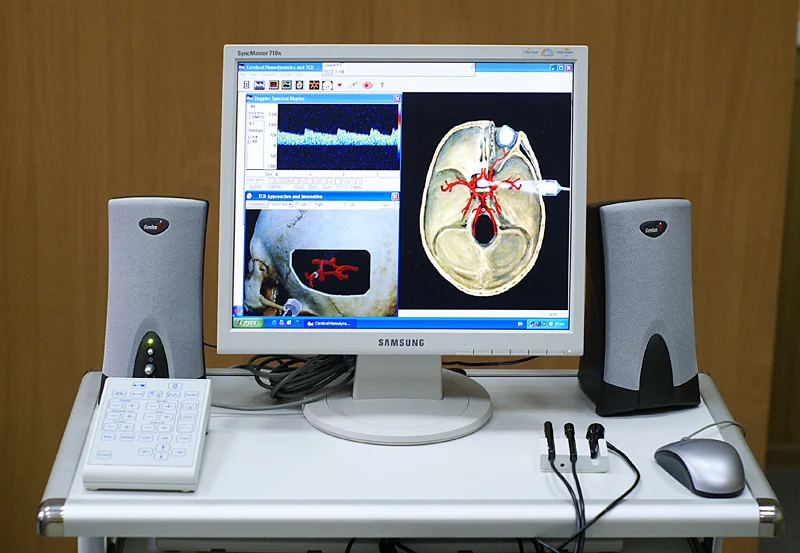
Higher-frequency sound can distinguish finer structures, but it fades more quickly as it travels through tissue. Ultrasound operators balance detail against penetration, while echoes and timing turn returning sound into an image.
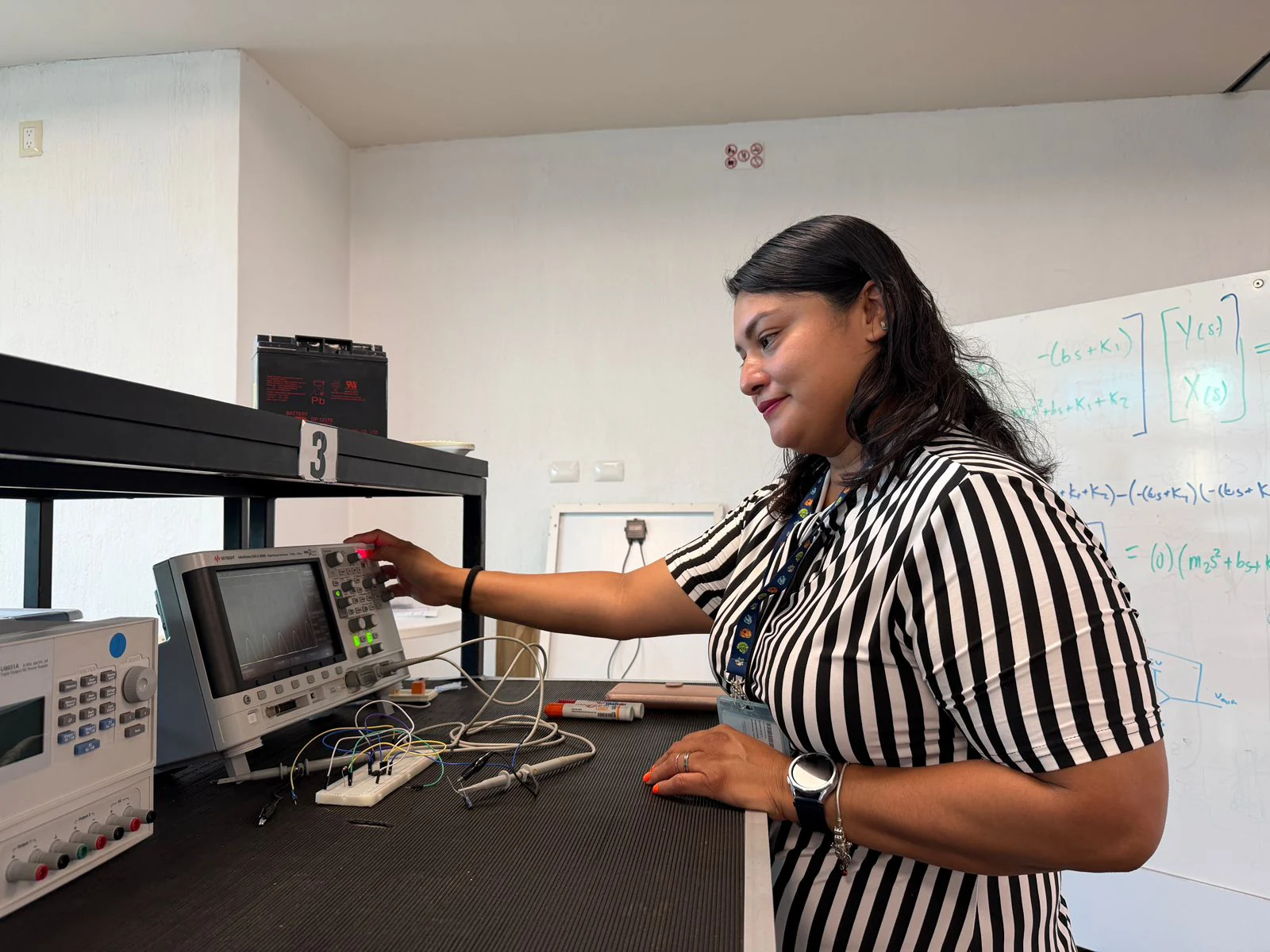
Current describes charge moving through a path over time, while an ECG records voltage changes associated with the heart’s electrical activity. Together, these ideas connect a physical quantity to a familiar medical measurement.
AI can help turn incomplete measurements into usable medical images, but reconstruction depends on the data and assumptions supplied. Better-looking output does not automatically mean more faithful anatomy or a better diagnosis.
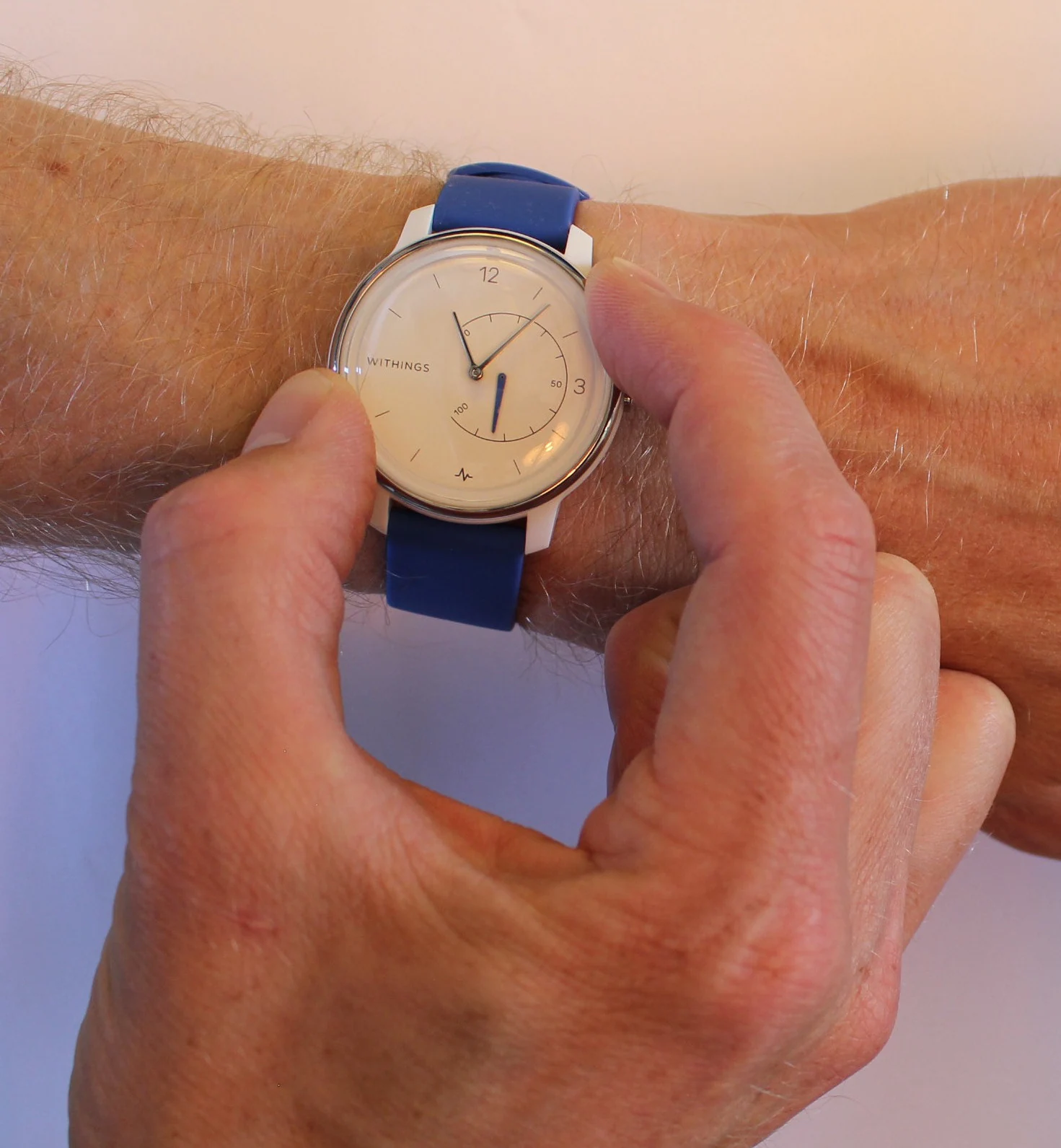
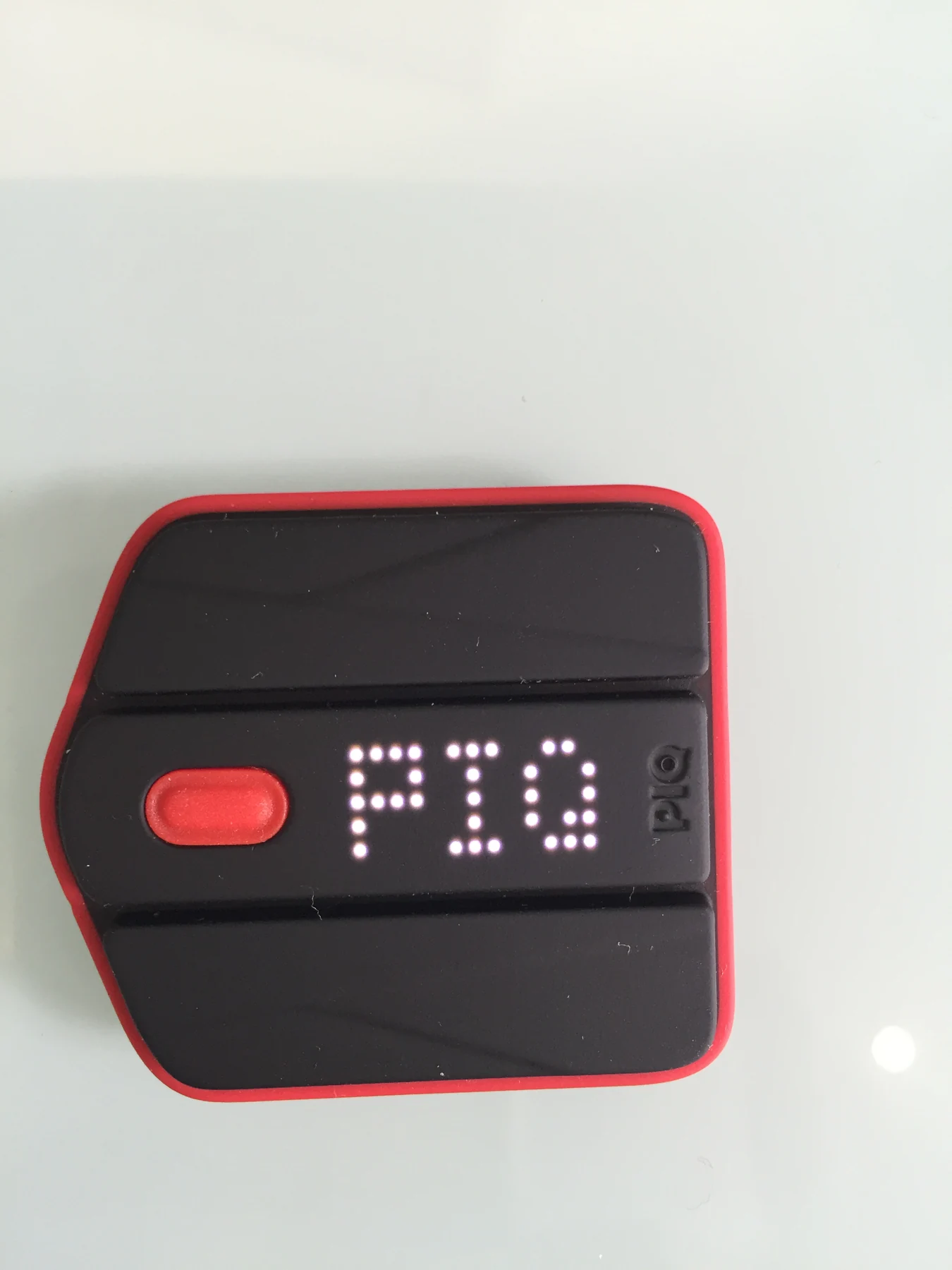
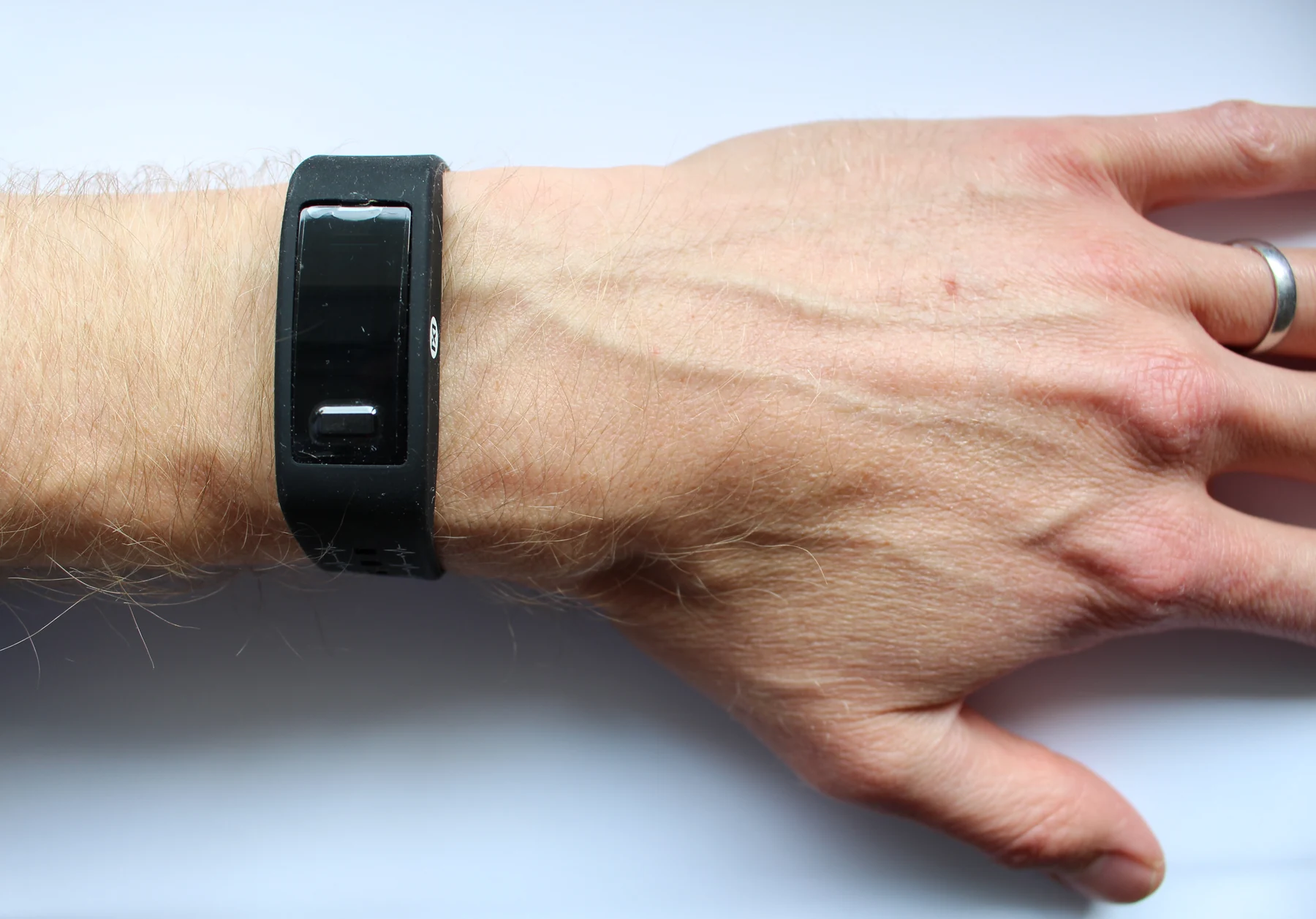
A device alert is a measurement interpreted by rules or software. Understanding its signal, limits, and intended role helps separate useful monitoring from a clinical conclusion.
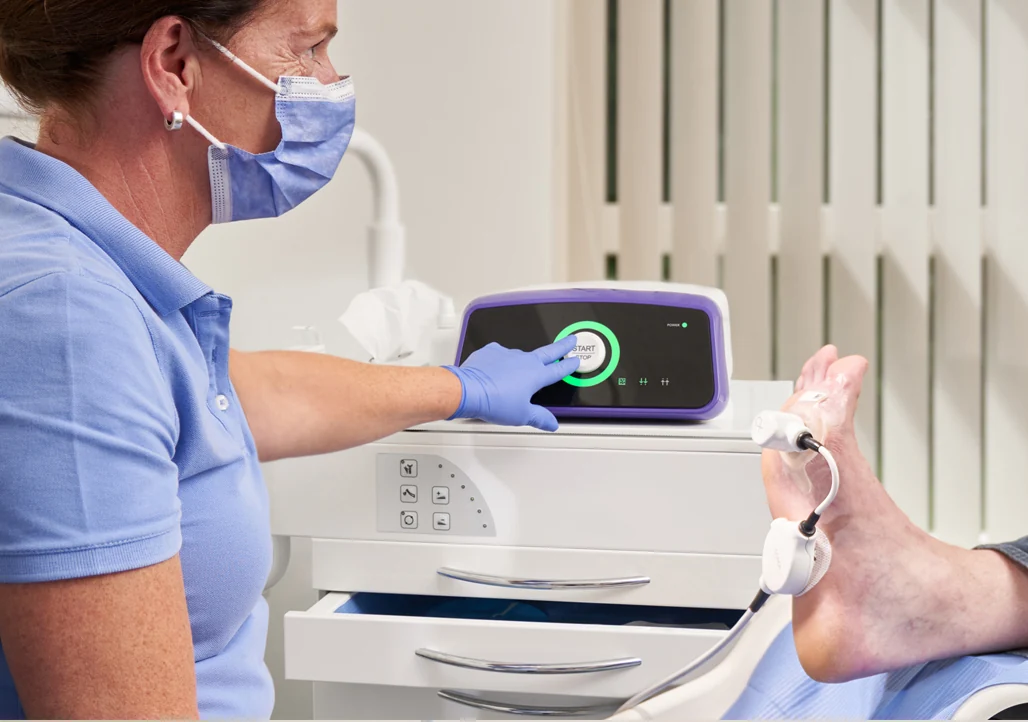
The word plasma can describe very different medical technologies. Argon plasma coagulation uses heat to coagulate tissue, while cold atmospheric plasma is studied for antimicrobial and wound-related effects with clinical evidence that remains mixed.
Photoacoustic imaging pairs optical contrast with ultrasound detection: a brief light pulse is absorbed, causes a tiny local expansion, and launches a sound wave. The method is promising, while many applications remain under study.
A fluorescent marker can make a molecule easier to see, yet the surrounding sample also absorbs, scatters, and emits light. Understanding those competing signals is central to interpreting optical measurements.
A sensor’s samples are snapshots of a changing signal. Their spacing determines which waveform features survive digitization, so a smooth-looking trace can conceal rapid changes the measurement never captured.