Can a material be safe in one medical device and unsuitable in another? Yes: the body does not encounter a material in the abstract. It encounters a particular device, with a particular surface, in a particular place, for a particular duration. A polymer that touches the eye briefly poses different questions from a metal joint implant that bears weight for years. Biocompatibility is therefore a relationship among material, design, use, and the body’s response.
The body meets a device, not a label
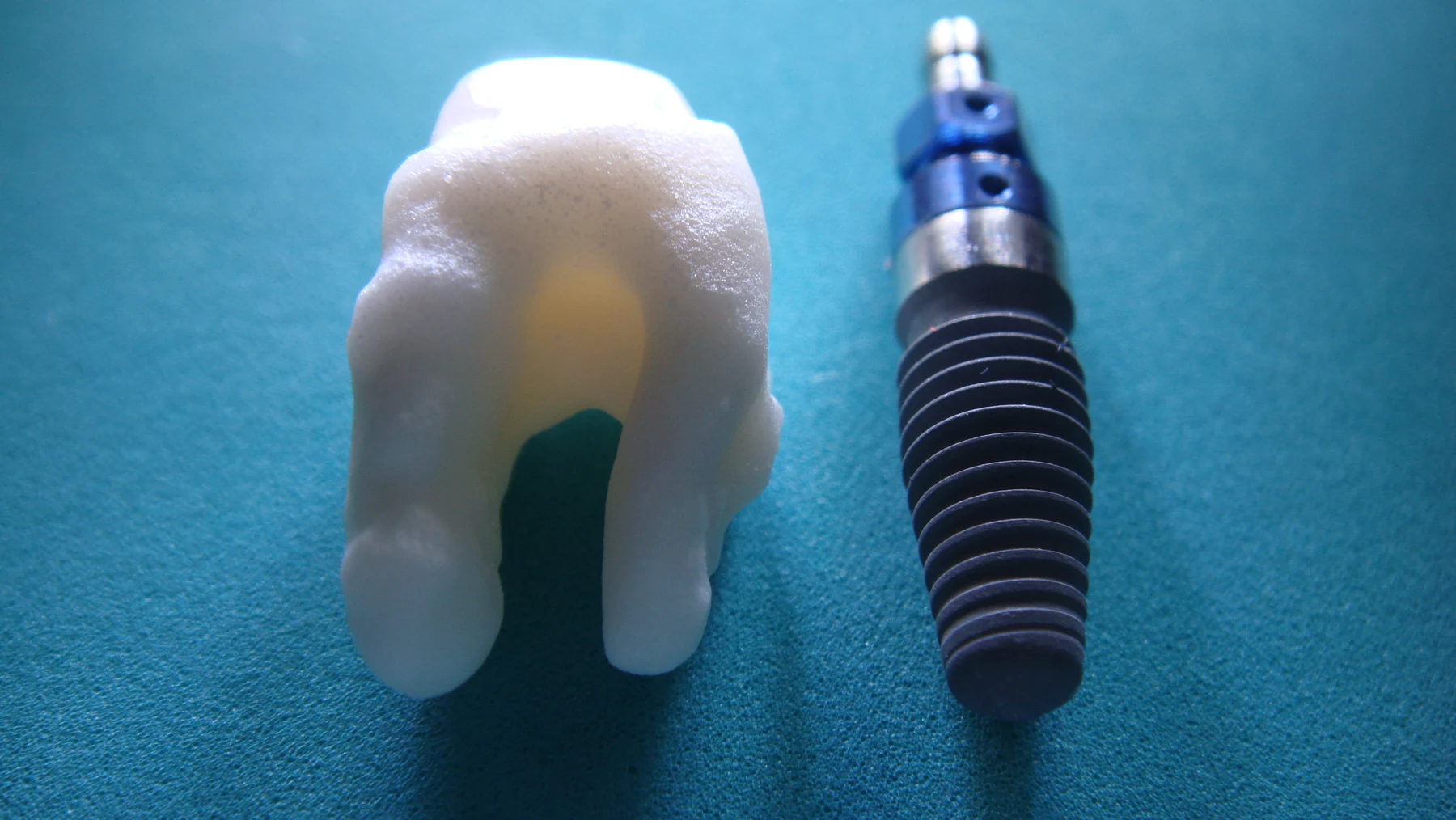
Biomaterials include metals, polymers, ceramics, and natural substances used in devices ranging from fillings to artificial joints and contact lenses. They may be molded into parts, coatings, fibers, or films. The intended job matters: a hip component must withstand repeated load, while an intraocular lens must transmit and bend light appropriately [1]. The same broad category of material can serve very different roles.
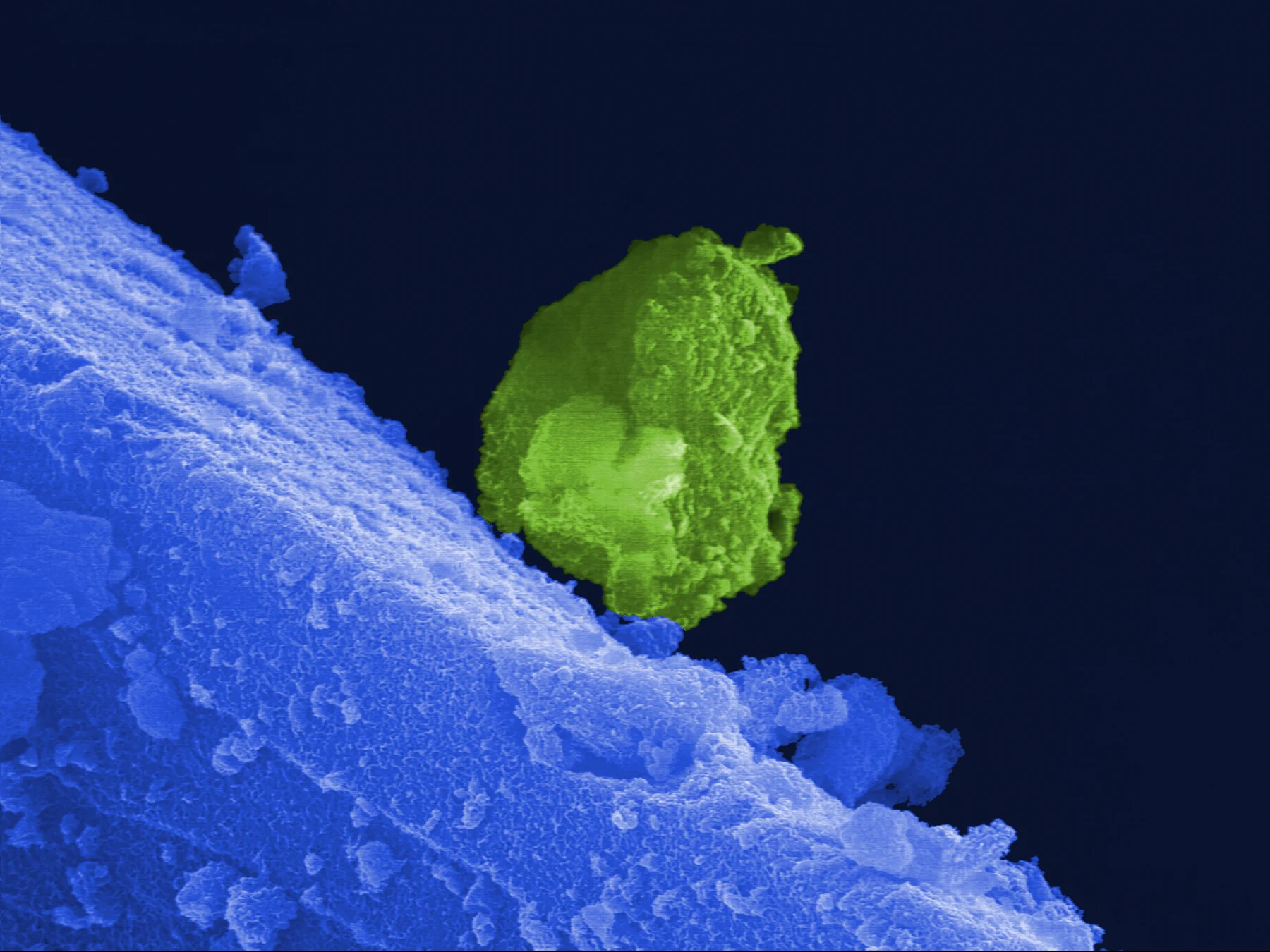
“Biocompatible” is not a magical property meaning that the body ignores a material. The immune system may try to break down a foreign object and surround it with scar tissue, a process called the foreign body response. For a medical device, that response can interfere with function. Some designs use corrosion-resistant materials; others aim to degrade over time or resemble aspects of the body’s own extracellular matrix, the scaffold around cells [1].
Location and duration change exposure
A device’s location changes the environment it faces. A material in a joint experiences repeated movement and load; one in blood encounters flowing fluid and a different set of tissues. Duration matters too: a temporary contact and a long-term implant expose the body for different spans of time. The FDA says material safety review considers specific material properties alongside intended use and device function [2].
A metal implant can also wear or corrode, releasing products into nearby tissue. How much wear occurs depends on the particular device and its environment. For this reason, engineering tests may examine wear and corrosion under conditions relevant to a joint or blood vessel, while biological assessments consider possible adverse responses to the device’s materials and manufacturing [2].
Compatibility is evaluated as a risk
Testing and review ask what biological response could occur and whether the associated risk is acceptable for the intended use. The evaluation can account for the device as a whole, its material components, manufacturing, anatomical location, and frequency and length of exposure [2]. This is different from testing a raw material once and declaring it universally safe for every medical purpose.
A useful comparison is paint on a wall versus paint on a spoon: the substance name alone does not answer whether the use is appropriate. Medical devices demand more careful evidence, but the principle is similar. A material’s surface, processing, shape, and contact conditions affect what the body encounters. FDA review considers information about the device’s materials as part of assessing safety and effectiveness, and manufacturers submit biocompatibility information in support of that assessment [2].
Design can invite integration or delivery
Some biomaterials are designed to encourage tissue integration. Hydroxyapatite, a mineral found abundantly in bone, can be used as a coating on orthopedic implants to encourage tissue ingrowth. Other materials form carriers that protect medicines in circulation or release them gradually. These examples show that a biomaterial can actively shape an interaction, rather than merely sit inertly inside the body [1].
Yet promising design mechanisms do not make every material or device clinically proven. Research in animal models can suggest how a material might influence healing or immune response, but translation to human use requires further evaluation. The practical question remains specific: what is this device made of, how is it used, where does it contact the body, and for how long? Biocompatibility is answered at that level [1] [2].
Sources & further reading
Prepared for the independent PSI Center reading library. About edition dates and source checking.
This explainer describes scientific principles. It does not assess individual treatment choices.