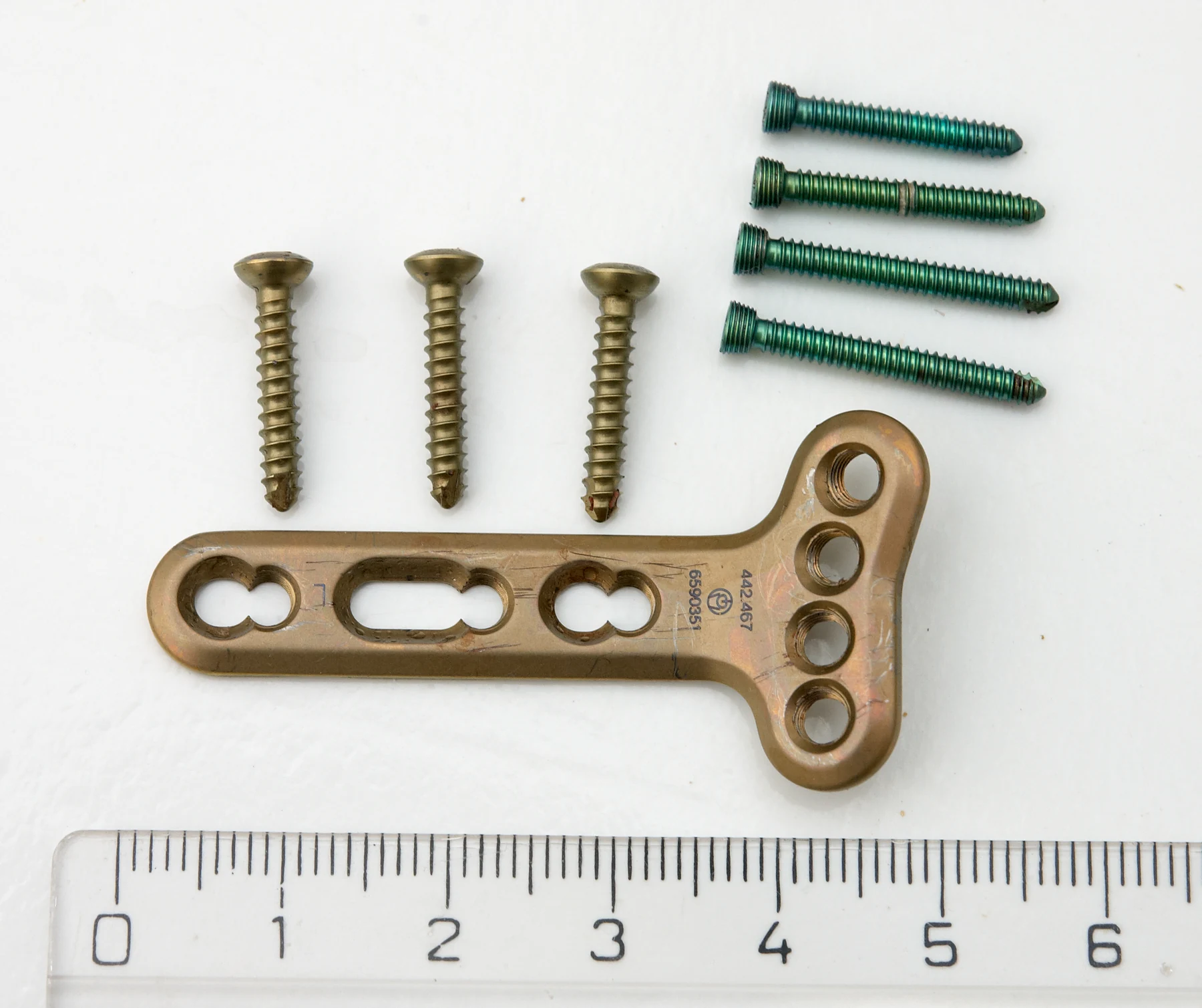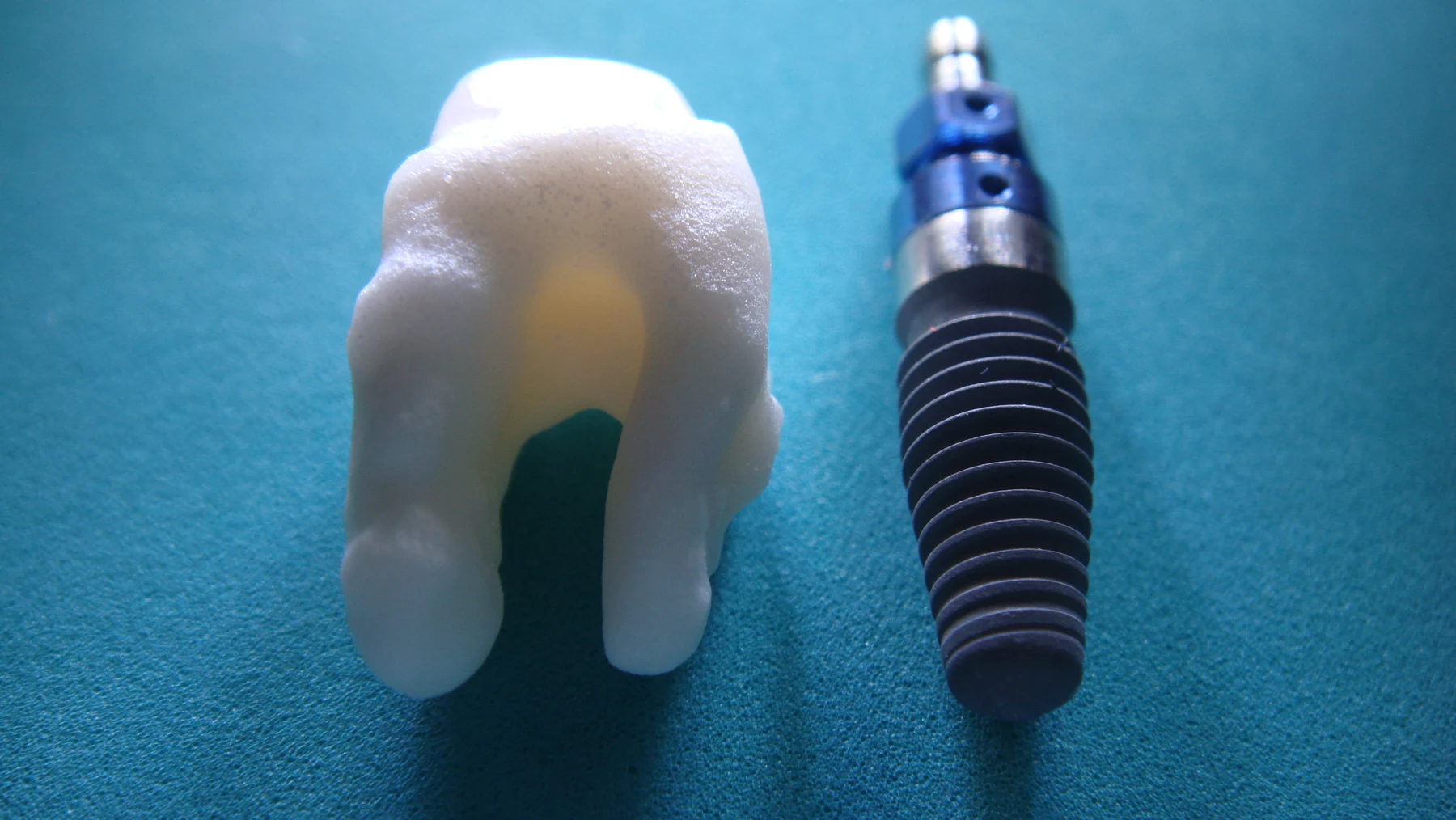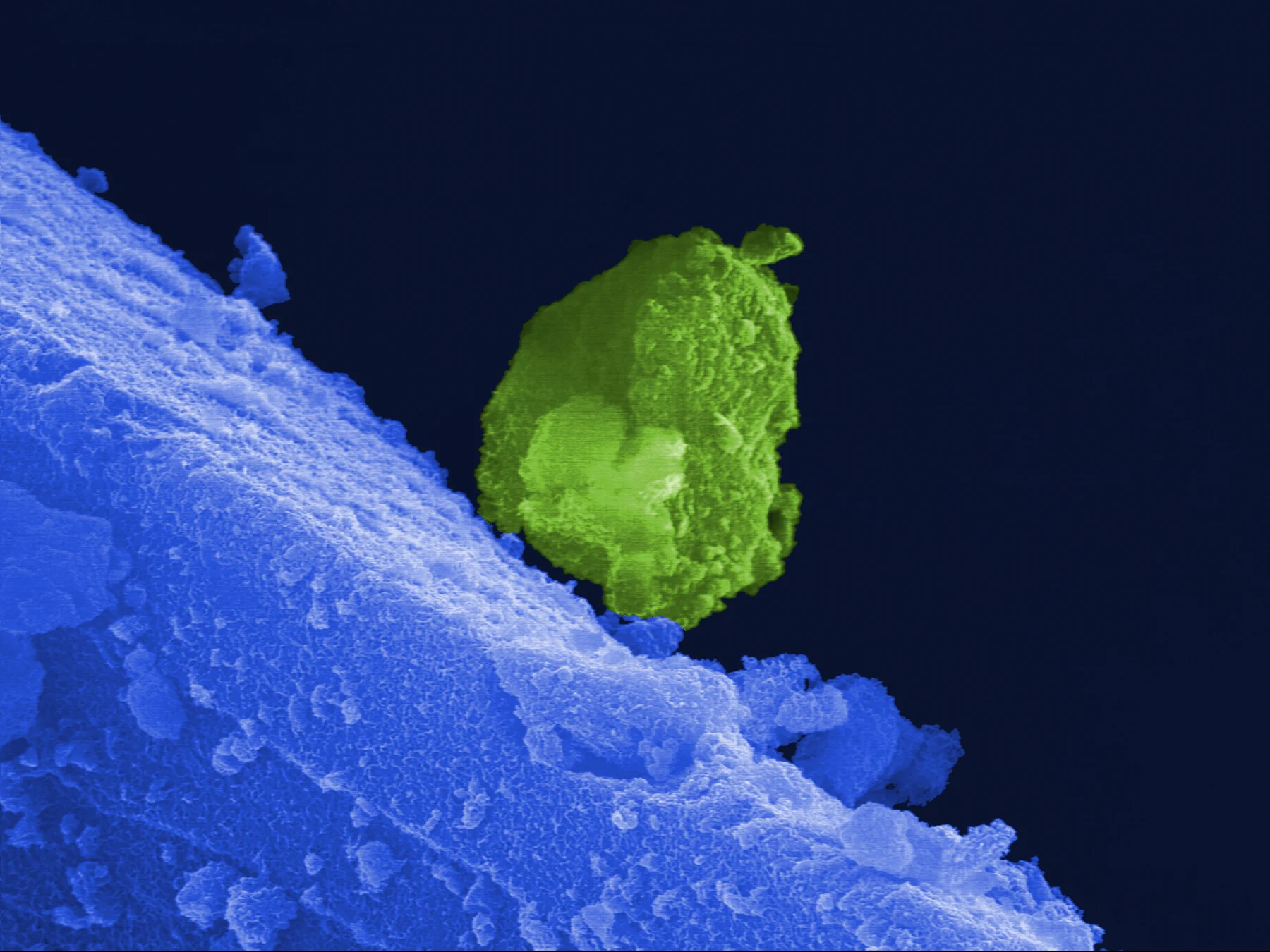
When a biodegradable implant breaks down, where does its material go? The device does not vanish in one step: its structure changes, fragments or molecules are released, and the body encounters them in a specific place over time. That is why evaluating only the intact material can miss important parts of the story. A useful assessment asks what the device is made of, how it is used, and how the surrounding body may respond as it changes.
A material has a life inside the body
Biomaterials include natural and synthetic materials used in devices ranging from dental fillings to complex implants. They may be polymers, metals, ceramics, or combinations shaped as films, fibers, coatings, and structures [1]. Once inside or on the body, these materials interact with tissue and the immune system. The body can respond to a foreign object by degrading it or surrounding it with scar tissue, a response that can impair device function [1].
For a biodegradable material, breakdown is part of the intended design. It may allow the material to serve temporarily and then recede as tissue heals. But degradation changes what is present at the implant site. The intact device, its intermediate fragments, and the products left later may not have identical properties or biological effects.
Place and duration shape exposure
Consider a small dissolving scaffold placed near a healing tissue. Its products are encountered locally, and the exposure changes as the scaffold loses mass. A material used in a joint or blood vessel faces different mechanical and biological conditions. The same nominal substance can behave differently depending on anatomical location, device function, manufacturing, and how long contact lasts.
The FDA describes material safety evaluation as risk-based, taking account of material properties, intended use, and device function. Manufacturers assess possible adverse biological responses in light of the device’s components, manufacturing processes, anatomical location, and frequency and duration of exposure [2]. That framework explains why a generic claim that a material is “biocompatible” cannot answer every question about every device.
What testing needs to capture
Evaluation may need to consider how a material wears or corrodes in its intended environment. The FDA identifies research needs that include clinically relevant tests and safety limits for corrosion and wear, as well as standardized ways to sample and analyze products in tissue or fluids [2]. These are not interchangeable issues: wear can produce particles, while chemical changes may release dissolved constituents or alter a surface.
The biological response is also more than a simple toxic-or-safe label. Biomaterials can be designed to reduce a foreign body response, encourage tissue integration, or carry medicines for local release [1]. Those potential functions make careful testing more important, because the device’s intended benefit and its changing exposure must be considered together.
From promising material to evidence
Laboratory tests and animal models can help reveal mechanisms, but they do not alone establish how a device will perform in people. The NIBIB biomaterials overview describes research on materials that may stimulate cartilage regeneration in rabbits and on immune responses in an animal model; such work informs design questions rather than proving clinical benefit [1].
A sound evaluation follows the material through time: what enters the body, what changes, what is released, where exposure occurs, and how evidence supports the intended use. This is why degradation products need assessment alongside the original material. Safety belongs to the finished device in its real use context, not just to a material name on a specification sheet.
Sources & further reading
Prepared for the independent PSI Center reading library. About edition dates and source checking.
This explainer describes scientific principles. It does not assess individual treatment choices.