A biomaterial earns its name through its intended interaction with the body, not simply through its chemical category. Its performance depends on placement, function, manufacturing, and the body’s response over time.
Digital anatomy can guide a device whose shape fits an individual body, but a close geometric match answers only one design question. Materials, manufacturing, function, and evidence still matter.
A tissue scaffold supplies structure that cells can inhabit and reshape. Its geometry, chemistry, stiffness, and breakdown rate influence cell behavior, while measurement and manufacturing remain central challenges for translating designs.
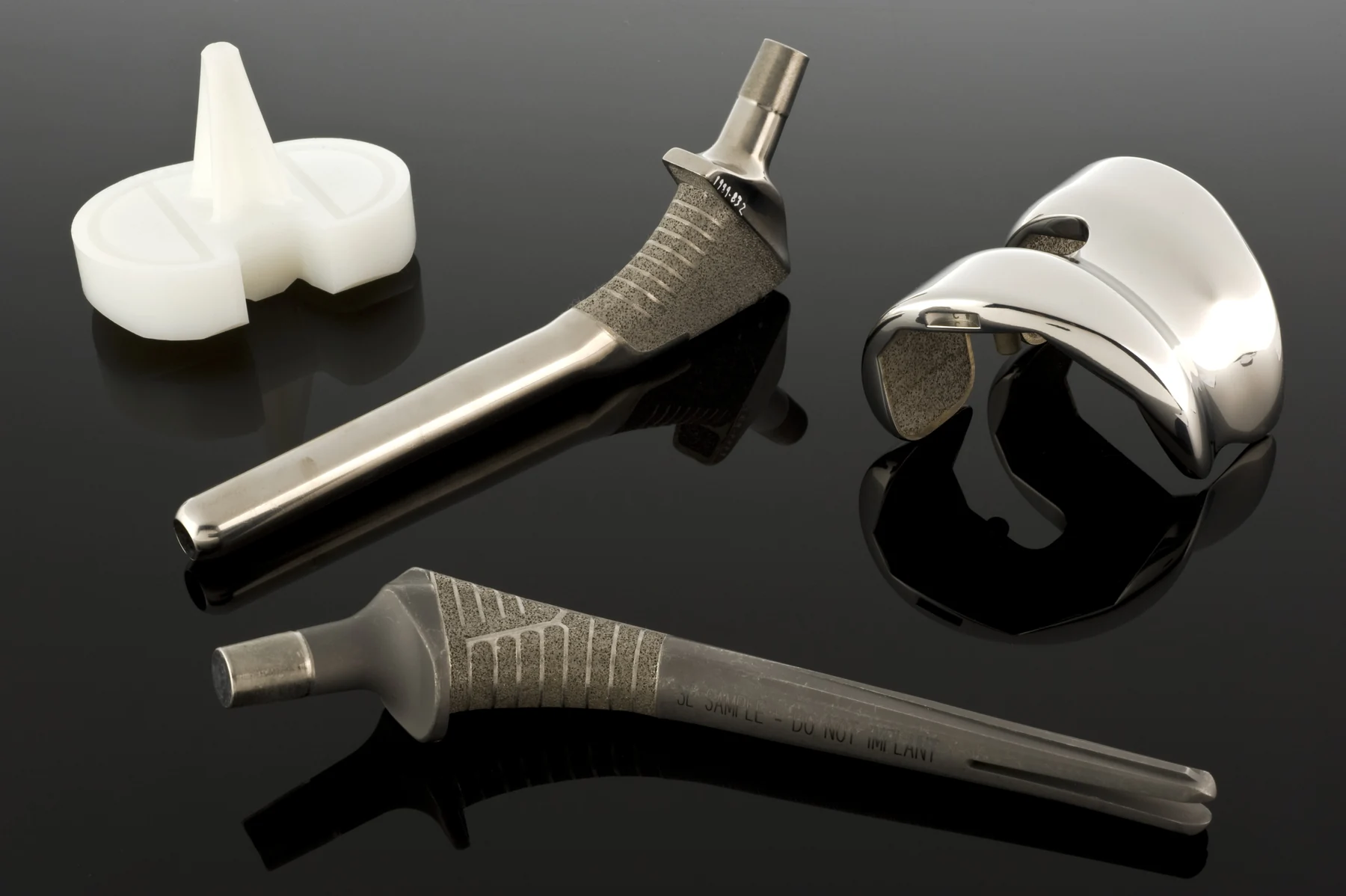
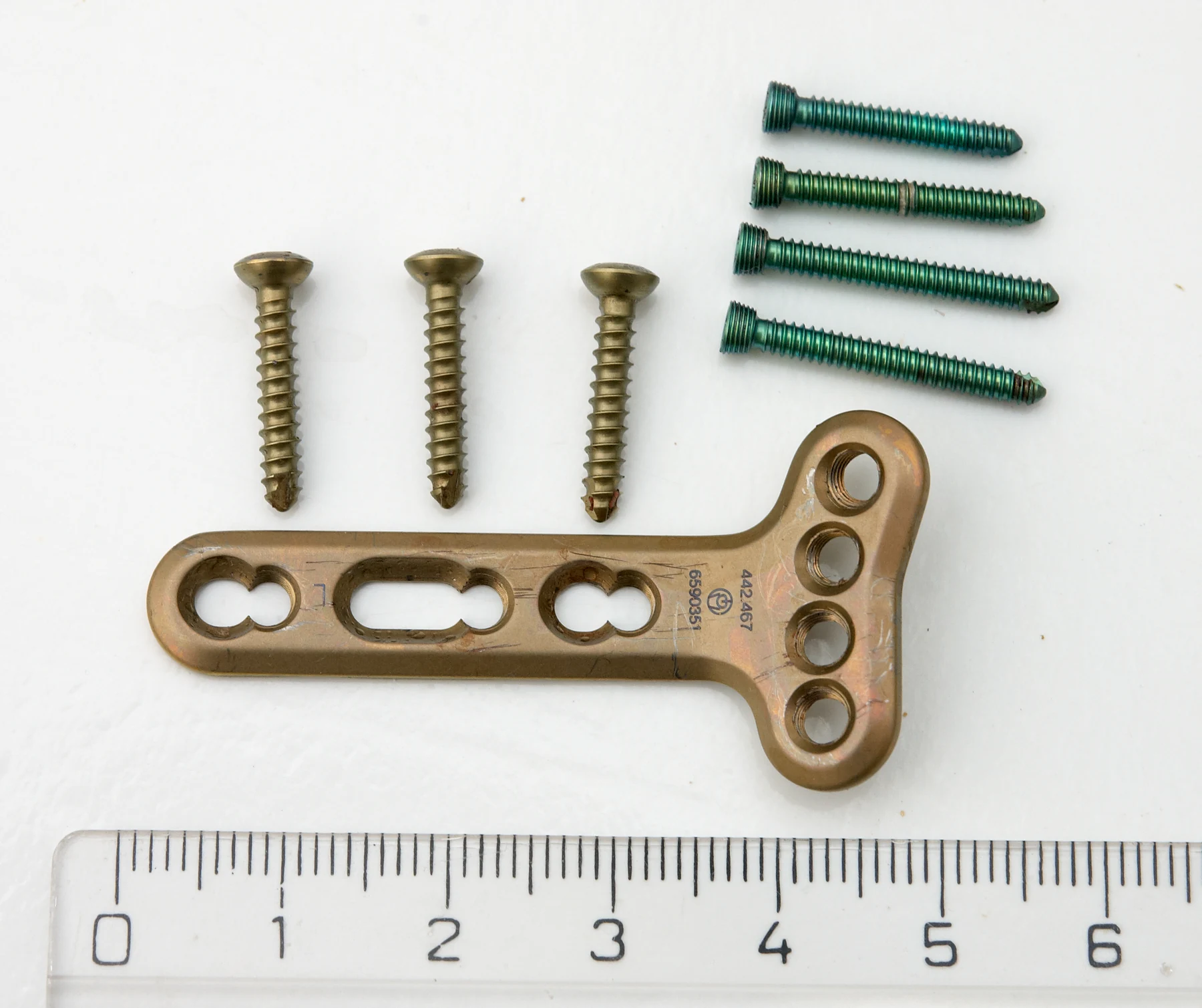
An implant faces more than a one-time test of strength. Repeated forces, body chemistry, wear and biological response all shape whether a device’s materials remain suitable at its intended location over time.
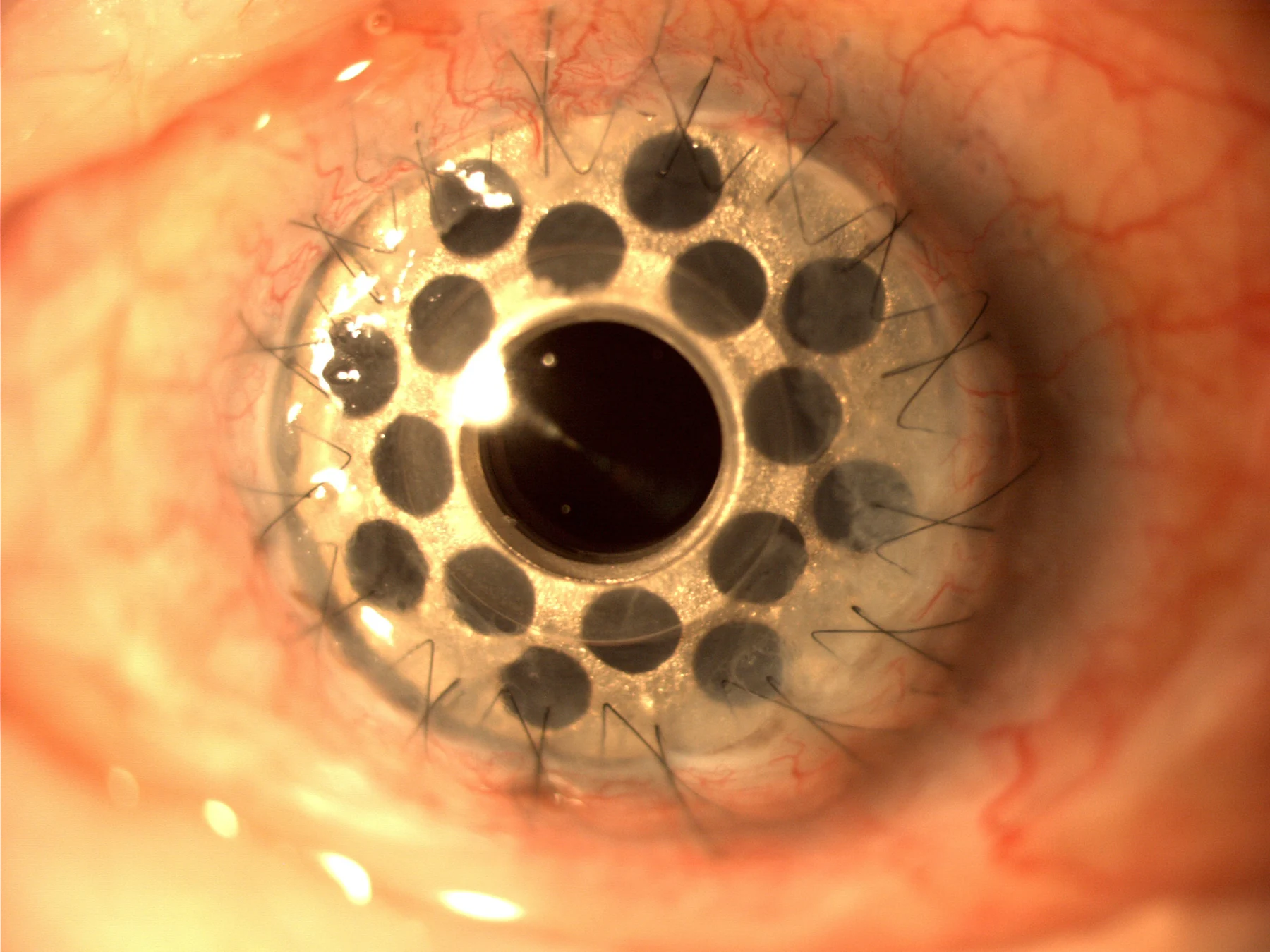
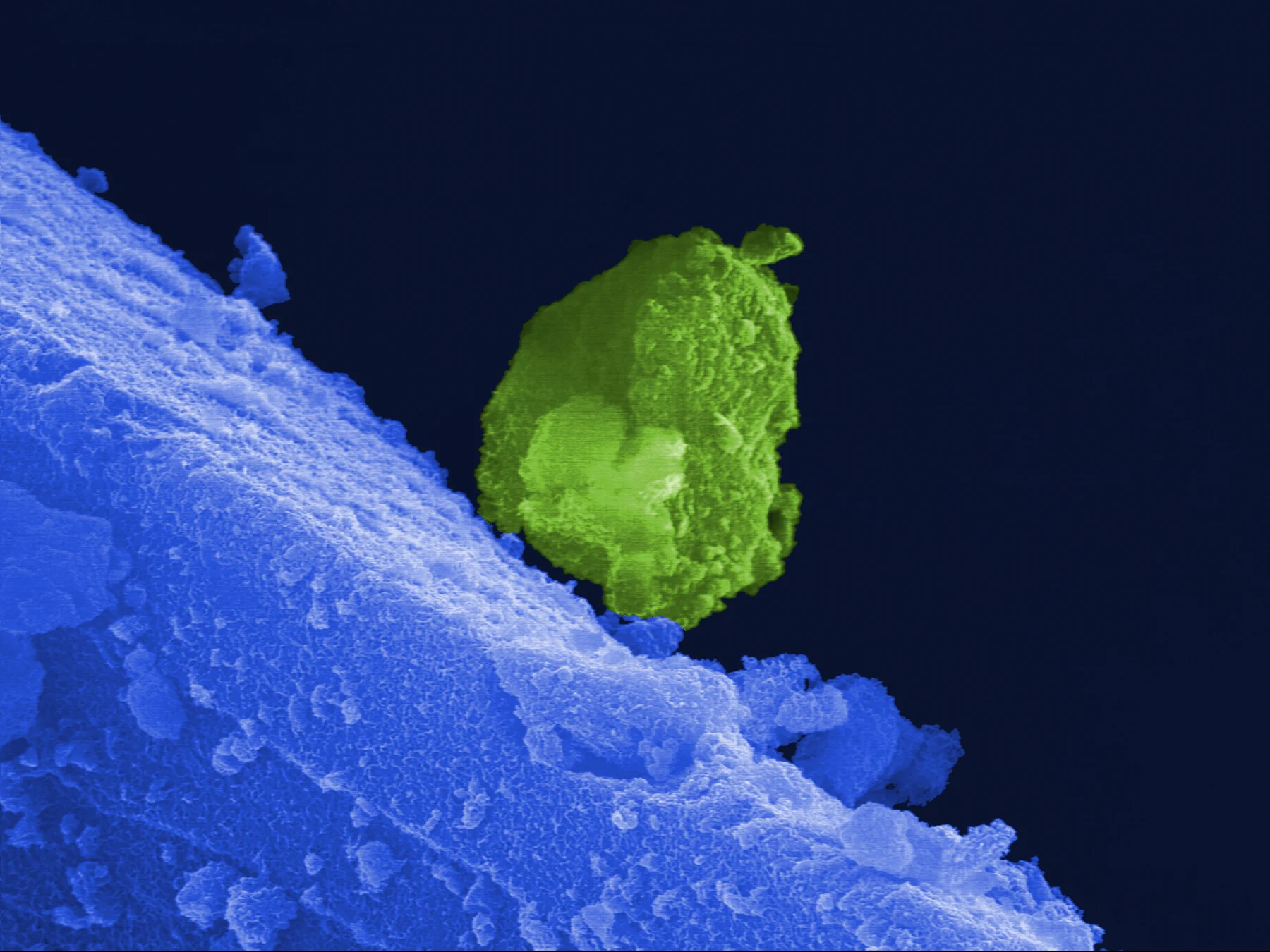
An implant’s material is only part of how it performs. The body responds to foreign objects, and that response can alter device function, tissue integration, comfort, and the risks considered in evaluation.
A digital design becomes a physical device through successive material layers, but the freedom to shape complex forms brings practical questions about material behavior, fit, and manufacturing quality.
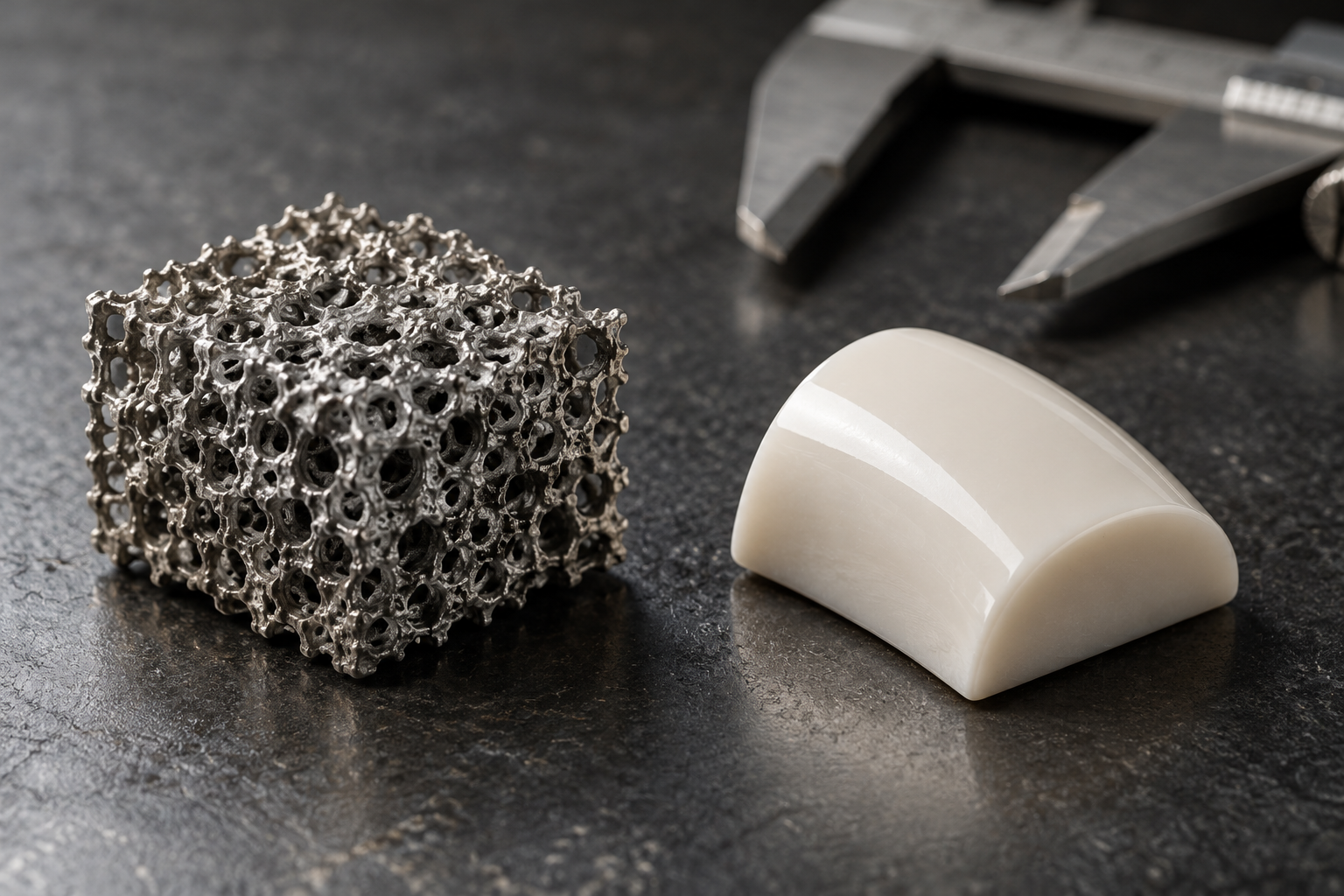
A porous scaffold can look like a solid object while behaving more like a landscape of channels. The dimensions and connections of those spaces influence how fluids, cells, and materials move through it.
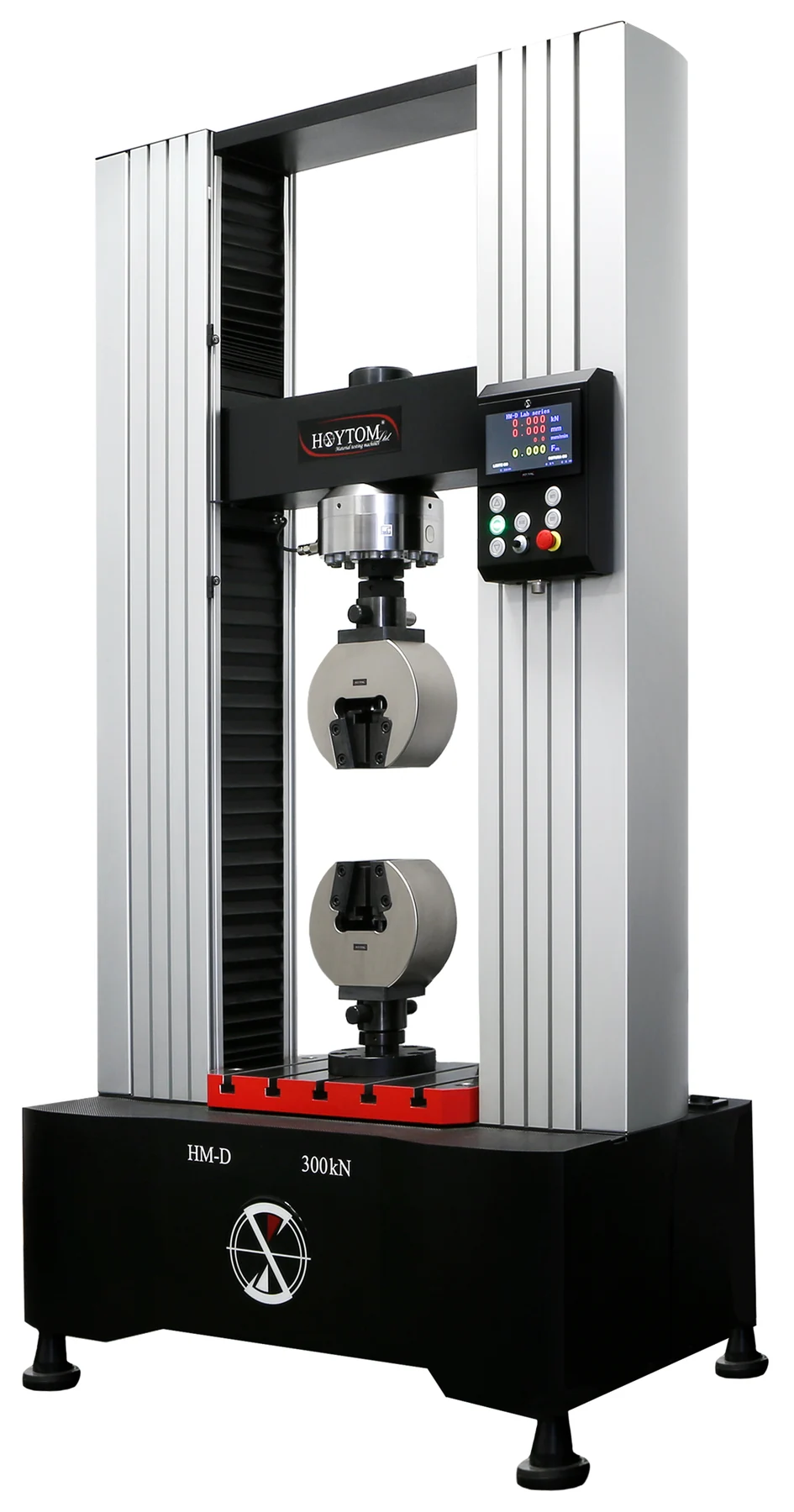
A material can resist bending yet fail at a modest load, or bend readily without breaking. Understanding stiffness and strength helps explain why medical devices must be matched to their specific jobs and environments.
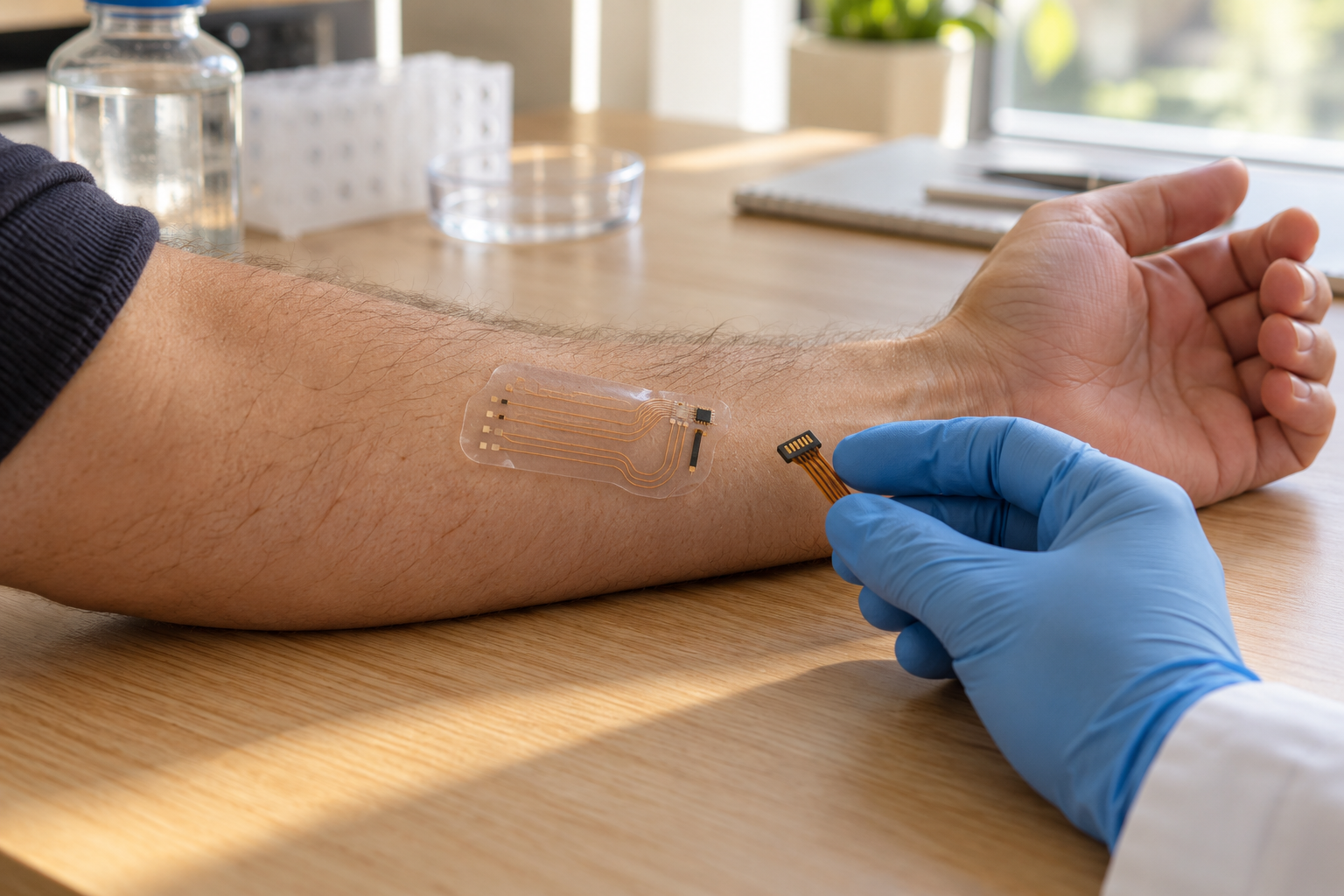
An implant and the tissue around it move, deform, and respond to one another. That physical relationship can affect sensor readings and device longevity, making material choice and biological response part of the measurement problem.
A biodegradable implant does not simply disappear. Its breakdown changes the material and exposes surrounding tissue to new substances, so safety evaluation must consider the device, its use, and what it releases over time.
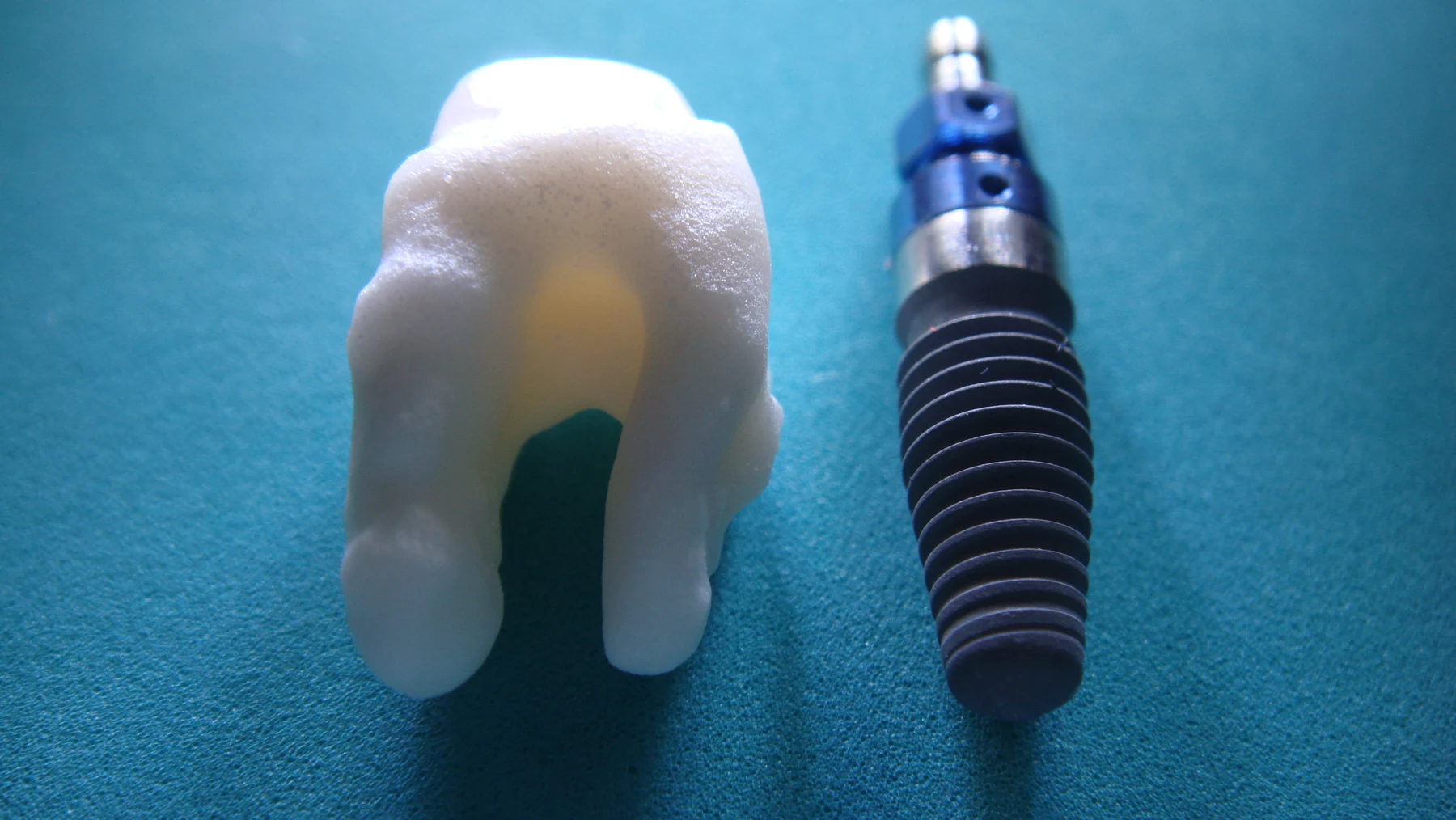
An implant’s internal architecture can shape how cells and tissue interact with it. Porosity offers potential routes to integration, while material choice, pore geometry, and manufacturing quality all constrain what the design can achieve.
An implant’s exterior is the first part the body encounters. Its chemistry, texture, wear, and coatings can influence immune response and tissue integration, even when the device’s core material is strong and durable.
A prosthesis works through a moving boundary where materials, forces, and living tissue meet. Comfort and function depend on load transfer, fit, feedback, and the body’s response to an implanted or worn device.
A biodegradable implant is built to alter its chemistry and structure in the body. Its usefulness depends on coordinating that change with healing, while evaluating safety for a particular device and purpose.
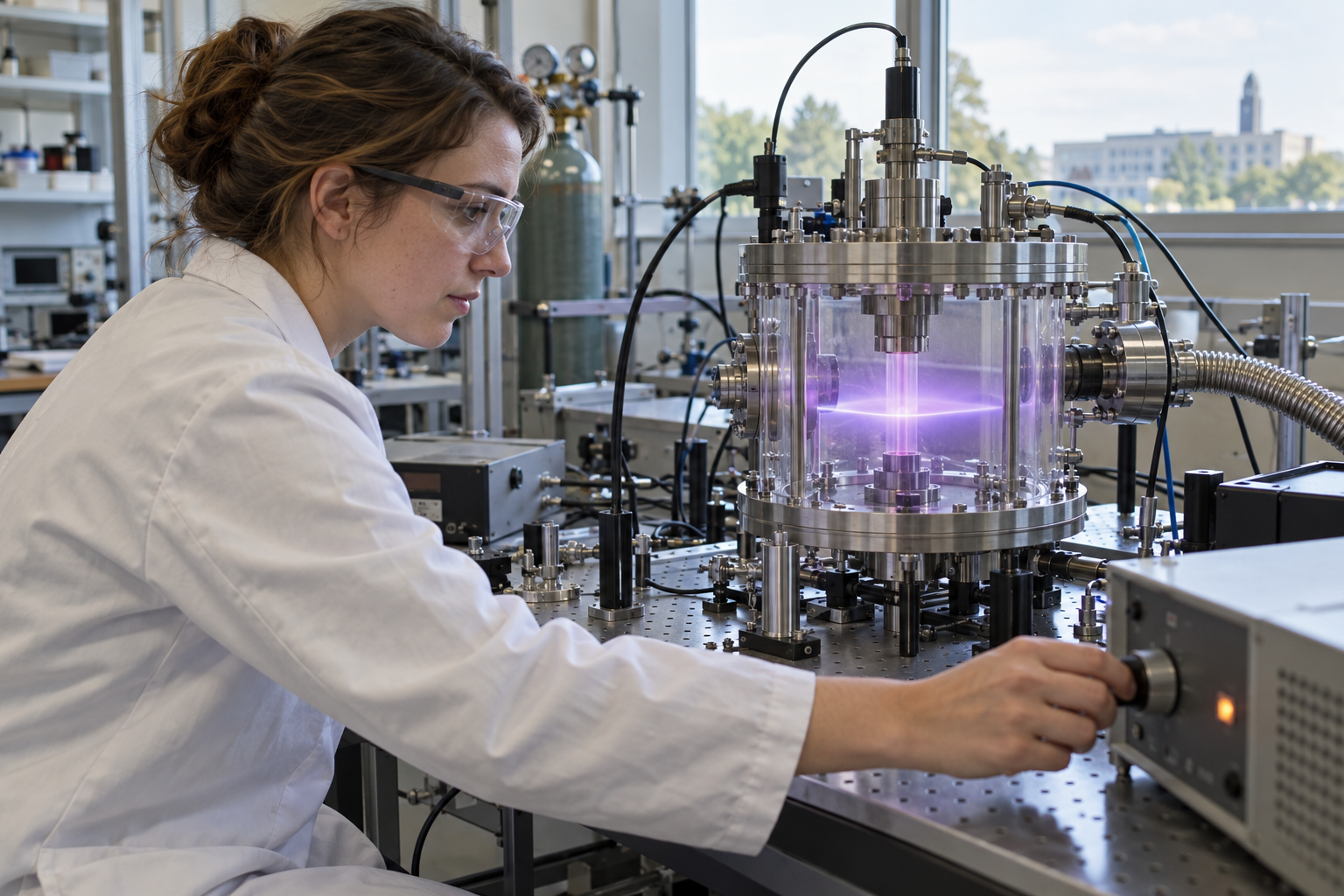
The word “plasma” describes different processes across medicine and manufacturing. A coating applied with a hot plasma spray and cold plasma used near living tissue have distinct targets, temperatures, and evidence questions.
A material’s biological compatibility depends on its device, location, contact duration, and function. Testing therefore evaluates the finished use and possible body responses, rather than assigning a universal safe or unsafe label to a substance.
A dialysis membrane must pass small dissolved wastes while retaining blood cells and useful proteins. Its pore structure illustrates why transport speed and filtering precision must be engineered together.
A simple geometric scaling rule explains why tiny particles and porous materials expose much more interface relative to their volume. In biomaterials, that extra interface can help or complicate interactions with tissue.