What changes when an implant is built with tiny open spaces instead of a solid surface? Those spaces can let tissue extend into the material, creating a larger, more complex meeting place between living cells and an artificial structure. But a porous implant is not automatically a better one: its material, geometry, mechanical demands, and manufacturing all matter. The central design challenge is to make room for tissue without sacrificing the support and reliability the device must provide.
The interface is part of the design
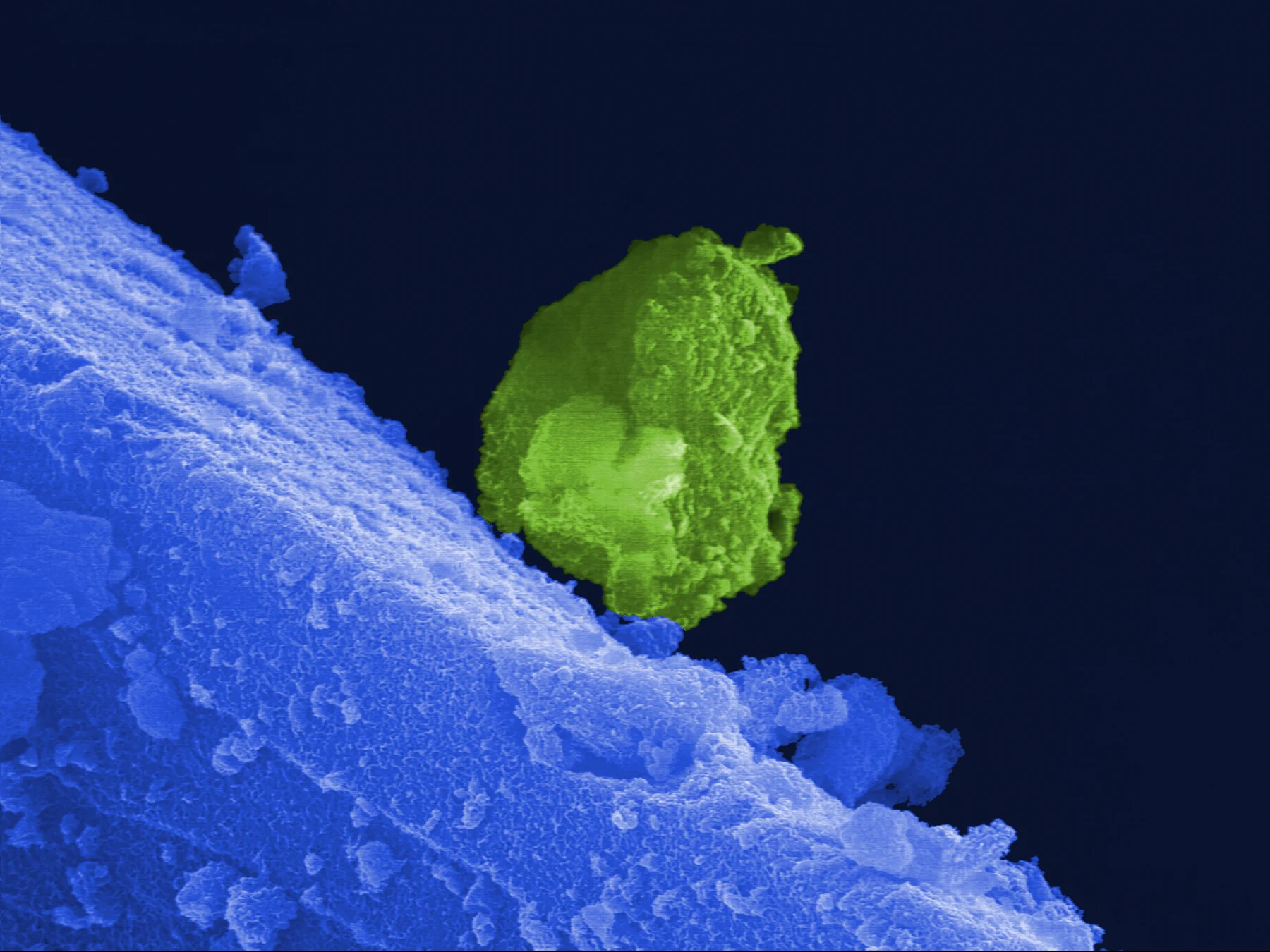
When a device enters the body, the surrounding tissue responds to it. The body may degrade a foreign material or surround it with scar tissue, a process called the foreign body response. That response is protective, but it can interfere with a device’s function. Materials can be chosen to reduce unwanted reactions, and their surfaces can also be designed to encourage a more useful relationship with tissue [1].
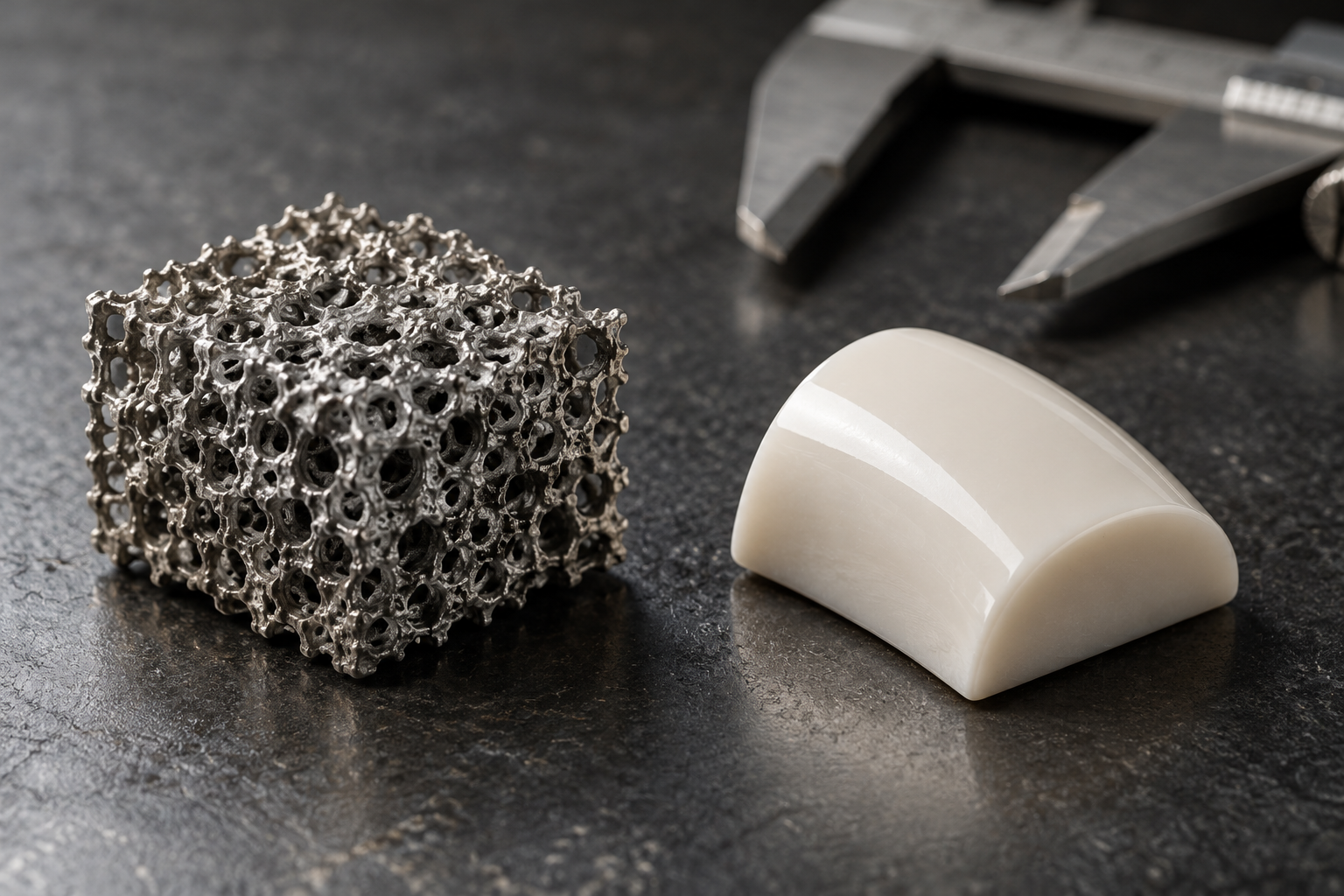
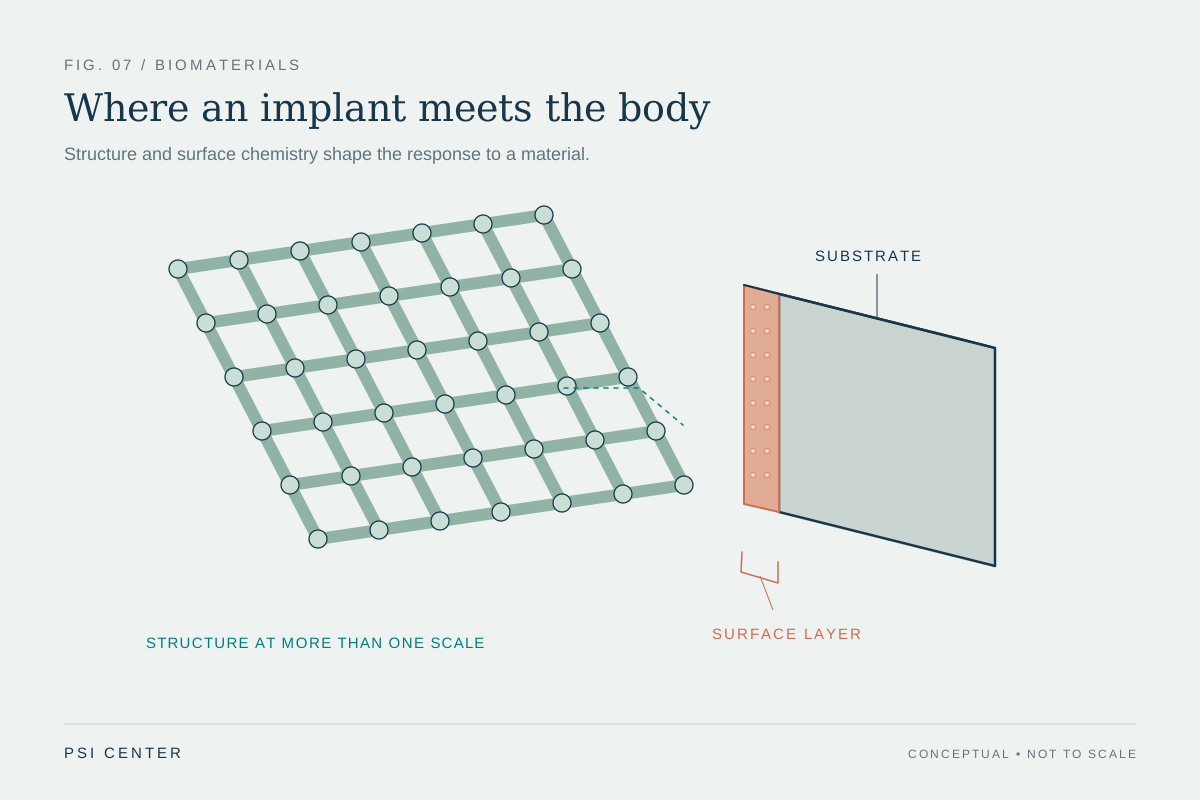
Think of a solid implant as a smooth wall: cells can meet its outer surface, but cannot grow into its interior. A porous structure has openings that make the boundary less like a wall and more like a landscape. If the spaces and surface are suitable, tissue may grow into the structure, mechanically connecting it with the surrounding body. The goal is not simply to maximize empty space; it is to create an interface that suits the tissue and the job.
What pores can change
The extracellular matrix, or ECM, is the network of proteins and other molecules that surrounds cells and helps organize tissue. Biomaterials that mimic aspects of this native scaffolding—such as its stiffness, structure, or chemistry—can send signals that support tissue integration. Hydroxyapatite, a mineral abundant in bone, is used as a coating on some orthopedic implants to encourage tissue ingrowth [1]. Porosity is one way to provide physical room for this interaction, while surface chemistry and composition provide different cues.
A porous interior can also alter how an implant carries force. In a load-bearing device, such as a joint replacement, the material must support nearby tissue and withstand repeated motion. Openings change the distribution of material and can affect strength and stiffness. That means the designer has to balance the opportunity for tissue to enter with the need for the implant to remain mechanically dependable. A design suited to bone would not automatically suit a soft tissue or a flexible vessel.
Printing complex interiors
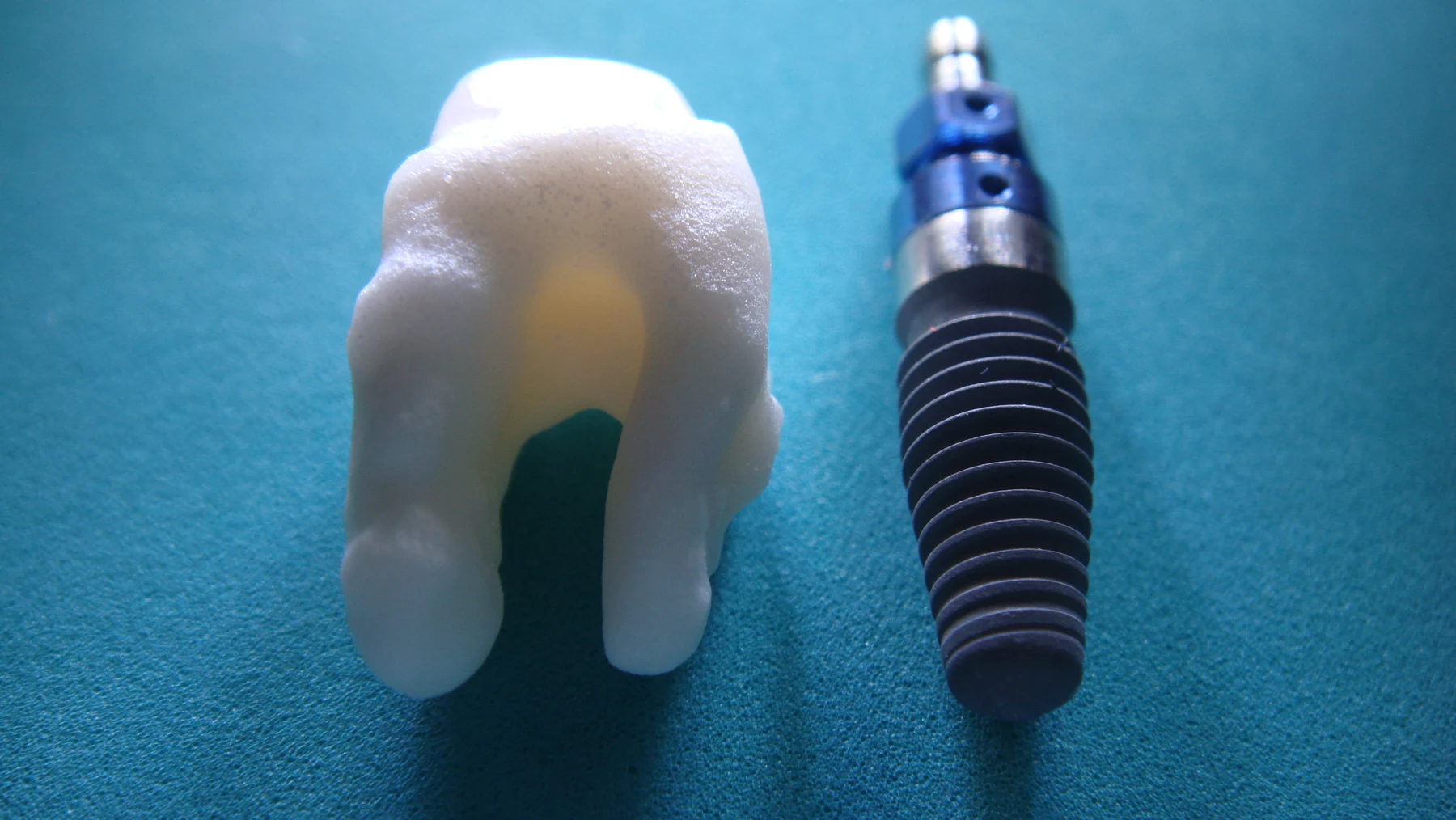
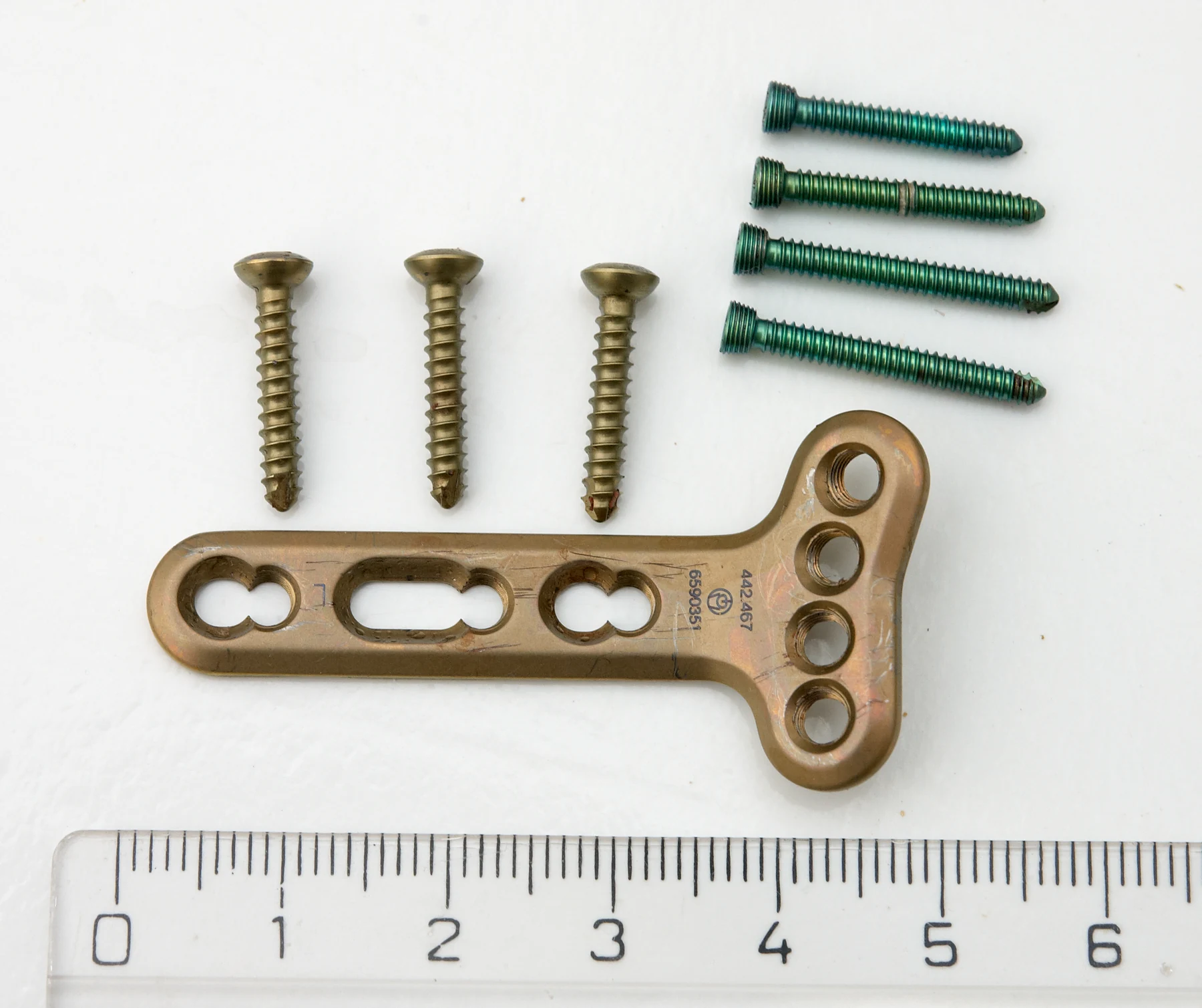
Three-dimensional printing builds an object from successive layers of raw material, following a digital file. Because the layers can create complex internal structures, printing gives designers more control over shapes that may be difficult to make with conventional methods. Medical devices made this way include orthopedic and cranial implants, dental restorations, surgical instruments, and external prosthetics; a design may also be matched to an individual’s anatomy [2].
The freedom to shape intricate spaces brings manufacturing questions with it. A digital design must become a physical object with the intended geometry and material properties. FDA describes additive manufacturing as a versatile process and points manufacturers to technical considerations for medical devices made with it [2]. A pore pattern shown in a design file is not itself proof that the finished device will perform as intended. The device’s material, fabrication, and relevant testing remain essential.
Integration is a goal, not a guarantee
A porous implant’s performance depends on more than how open it looks. Pore arrangement, the implant’s dimensions, the body region, and the forces it will experience all shape whether the structure can offer useful support and a suitable environment for tissue. The body’s response also depends on the material and its interaction with local biology. A scaffold that encourages ingrowth in one setting may not be appropriate for another.
Researchers are investigating materials that can influence healing, including biodegradable structures and materials designed to resemble aspects of native ECM [1]. That work illustrates a broader principle: architecture can guide the contact between biology and a device, but it does not replace evidence about how the device functions in its intended use. Porosity offers tissue more places to meet an implant. Whether that meeting improves a particular medical device depends on the whole design and its demonstrated performance.
Explore the physics: an explanatory diagram
Sources & further reading
Prepared for the independent PSI Center reading library. About edition dates and source checking.
This explainer describes scientific principles. It does not assess individual treatment choices.