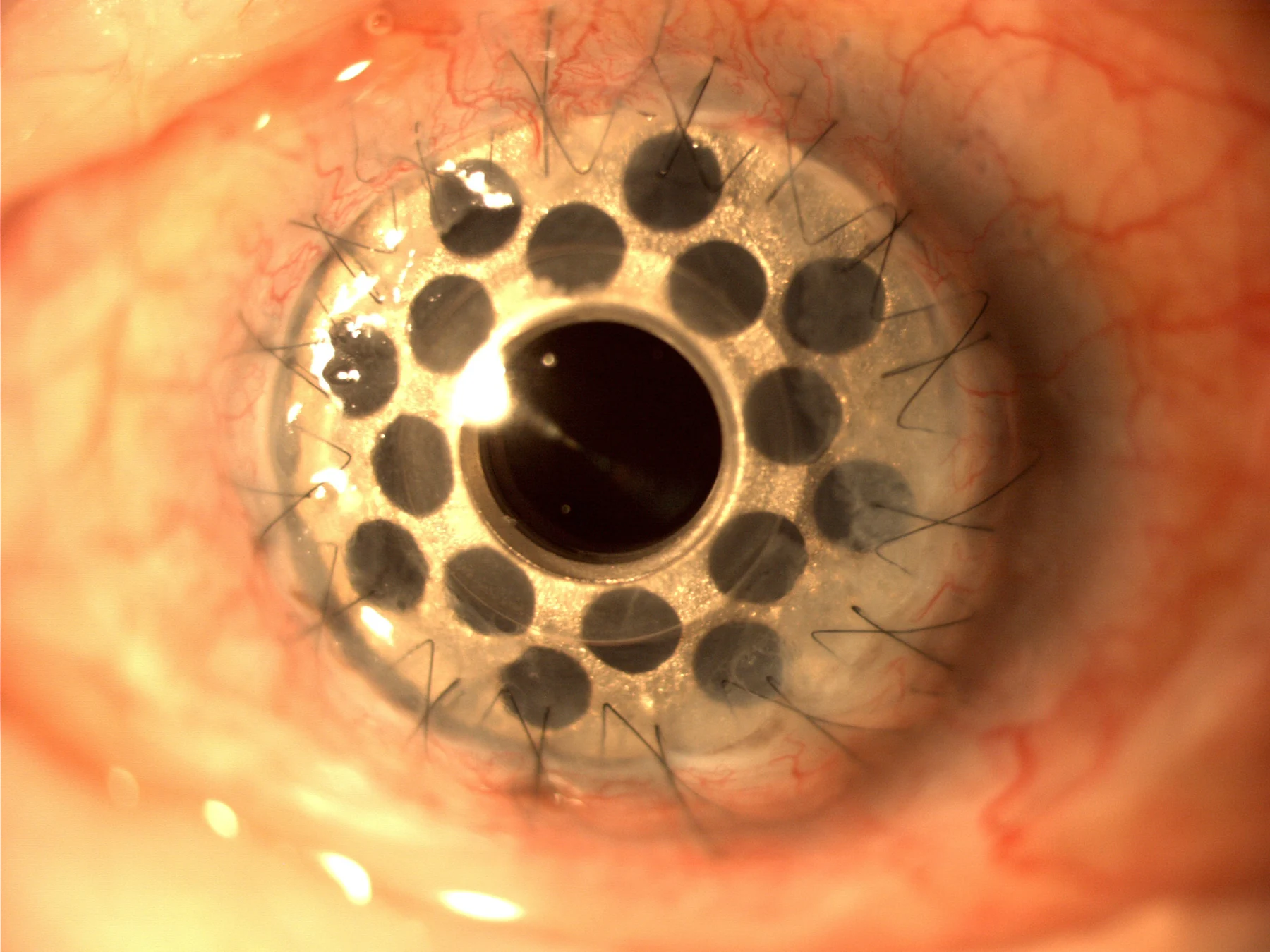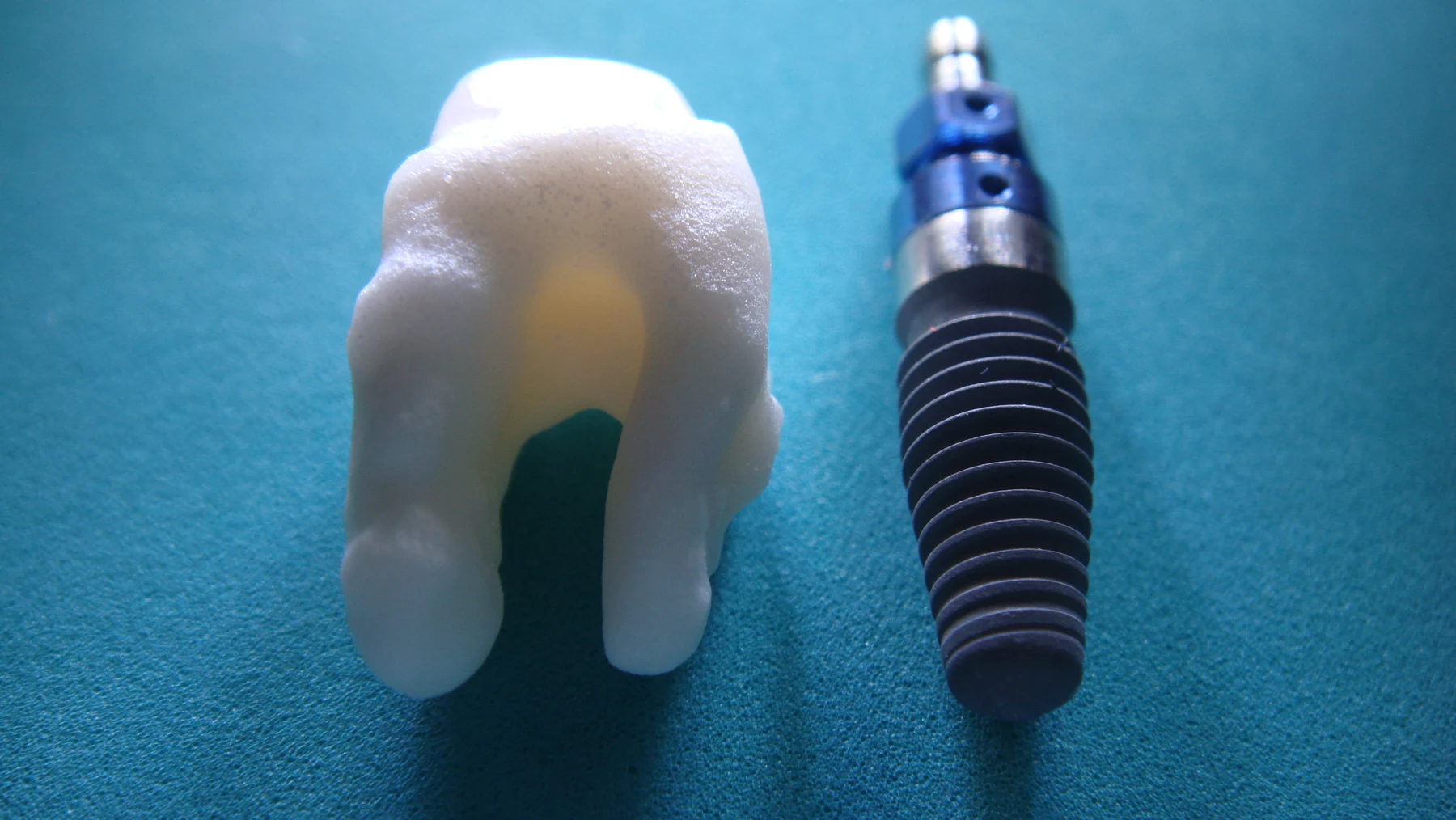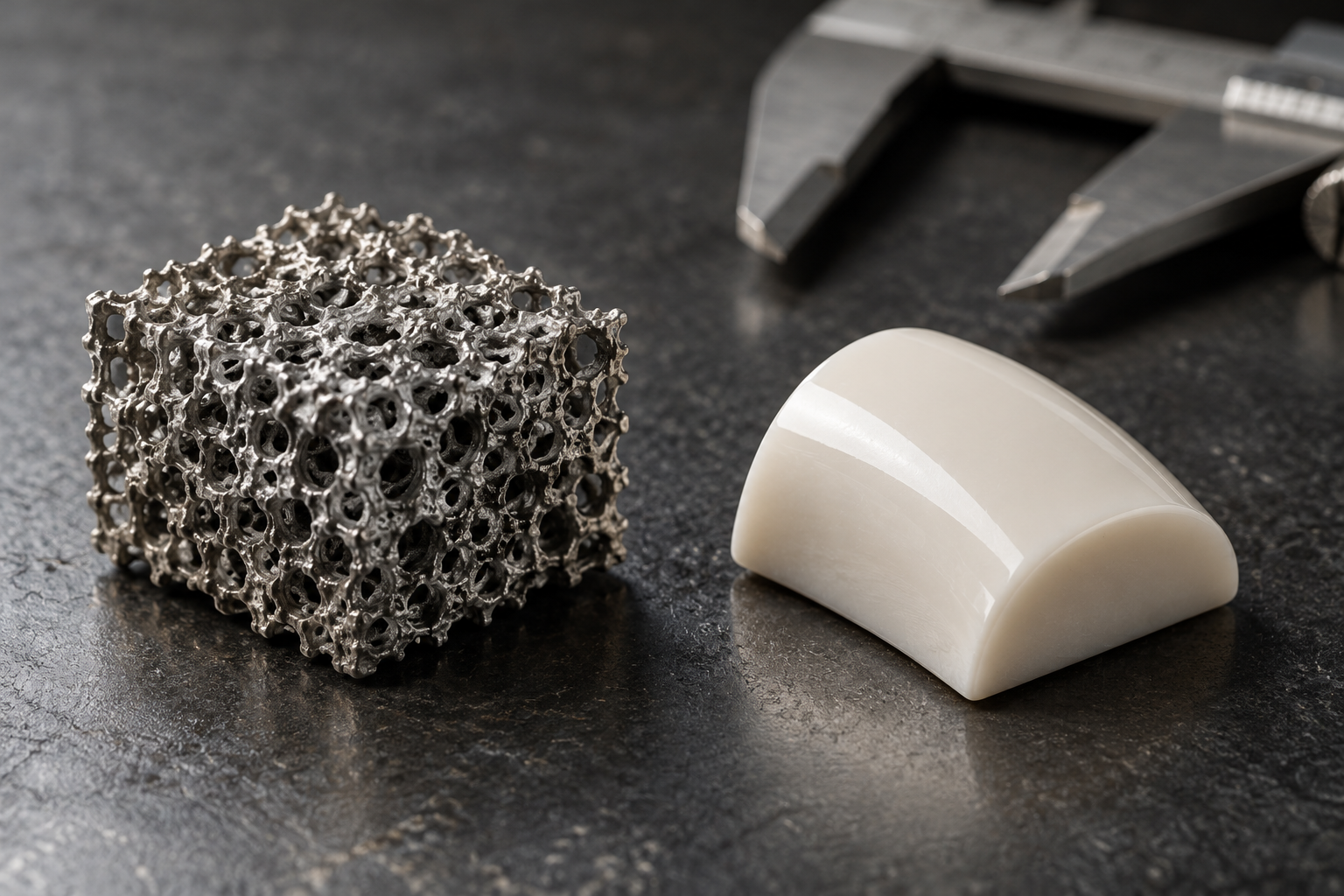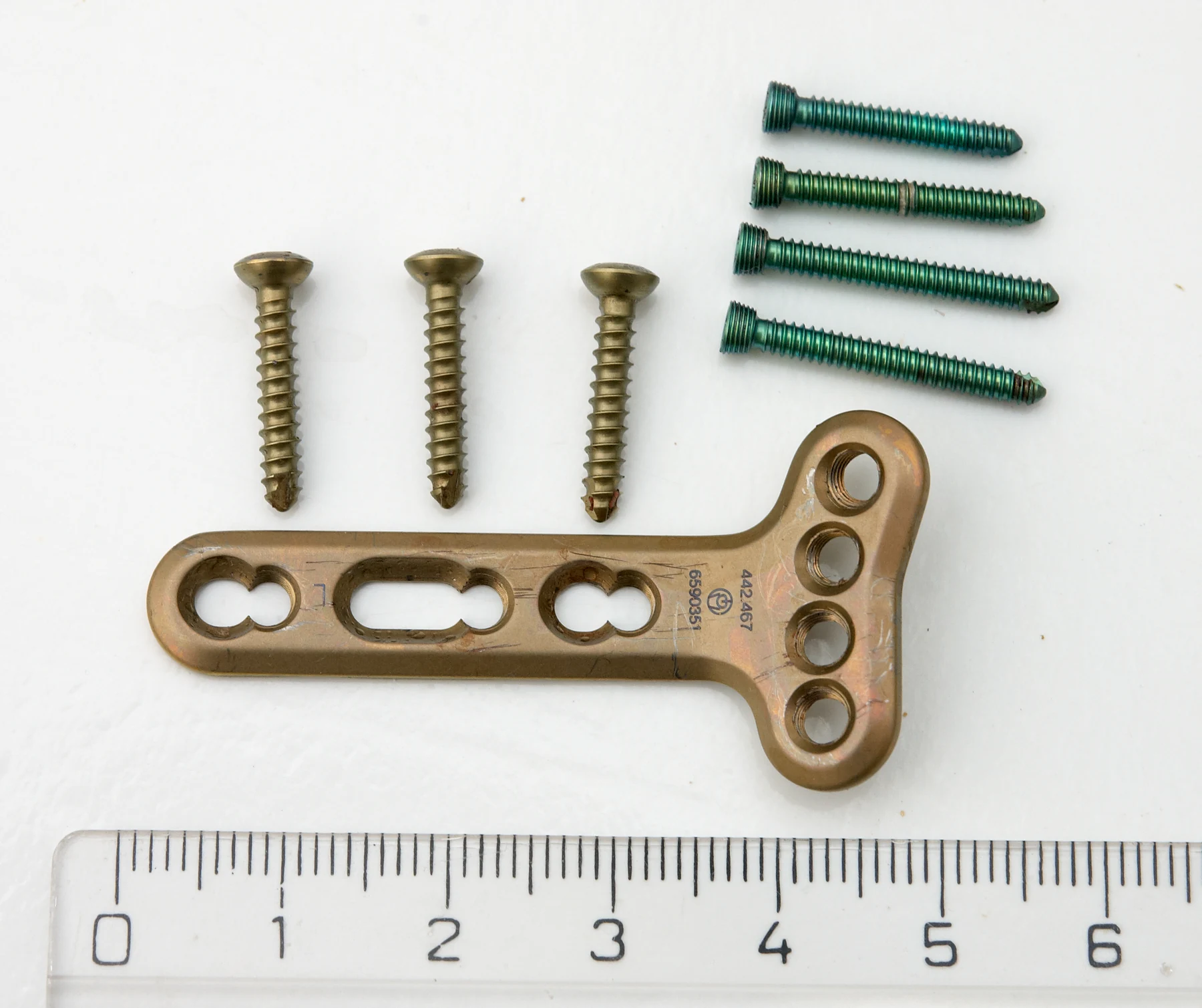
How can an implant that fits a patient’s anatomy still fail to be safe? A digital model can represent the desired shape, but the finished device must also survive manufacturing, interact appropriately with living tissue, and perform under forces the model may not capture. Three-dimensional printing makes patient-specific shapes possible; it does not turn a design into proof of safety.
From image to physical object
Three-dimensional printing, also called additive manufacturing, builds an object by attaching successive layers of raw material. Those layers follow a digital file, such as a computer-aided design drawing or a model derived from a magnetic resonance image. The method can create intricate shapes and devices matched to an individual’s anatomy, including orthopedic or cranial implants [1].
Imagine designing a replacement part for a joint from a scan. The model can describe the surface that should meet bone, but it is still a description. It does not itself contain the implant’s actual material properties, nor does it automatically account for every detail of how the part will be made. A geometrically precise file answers “what shape?” more directly than “what happens inside a body over time?”
The body tests more than shape
An implant is a medical device that interacts with the body. Its function may be to replace or support an anatomical structure, but it must do so amid motion, fluid, and contact with surrounding tissue. A design that fits on a screen may still need evaluation of whether the manufactured object has the intended structure and can perform its role under relevant conditions. That distinction is central to device development: the virtual representation and the physical device are related, but they are not interchangeable.
Computational models help researchers study complex systems by representing variables and simulating how they interact. Some models use established physical or biological principles; others infer patterns from datasets, and many combine both approaches [2]. A model of an implant could help explore stresses or compare design choices. Yet predictions depend on the assumptions and inputs. If a relevant force, tissue property, or manufacturing variation is missing, a polished simulation may still give an incomplete picture.
Manufacturing choices matter
Layer-by-layer fabrication offers flexibility: a design can be altered without building dedicated tooling, and complex internal structures may be possible [1]. That freedom makes process control important. The raw material, the way layers are formed, and how the device is finished all connect the digital design to the object a patient might receive. The relevant question is not just whether a printer can reproduce a shape, but whether the production process reliably makes a device with the characteristics its intended use requires.
This is why the FDA points manufacturers toward technical considerations and quality-system requirements for additive-manufactured devices [1]. Such guidance recognizes that device quality involves more than a CAD file. A patient-specific design can introduce its own practical challenge: the particular shape may be tailored to one anatomy, while the underlying material and production method still need consistent, documented control.
What a model can—and cannot—establish
Validation means checking a model’s predictions against relevant measurements or experiments. If a model forecasts how a component behaves under a load, comparison with physical tests can reveal whether the forecast is useful for that situation. Agreement is evidence about the tested conditions, not a guarantee that every possible body, activity, or time course has been captured. Likewise, a successful prototype is evidence about that prototype and its test conditions, not an automatic verdict on every device made from a similar design.
A sound chain of reasoning therefore keeps three questions distinct: does the design represent the intended anatomy, does manufacturing produce the intended device, and does evidence support its performance for the intended use? Modeling can narrow choices and expose questions worth testing; additive manufacturing can realize forms that conventional methods may not easily make. Neither by itself settles whether an implant is safe. The digital model begins the engineering argument. Measurements, process controls, and appropriate evaluation have to carry it forward.
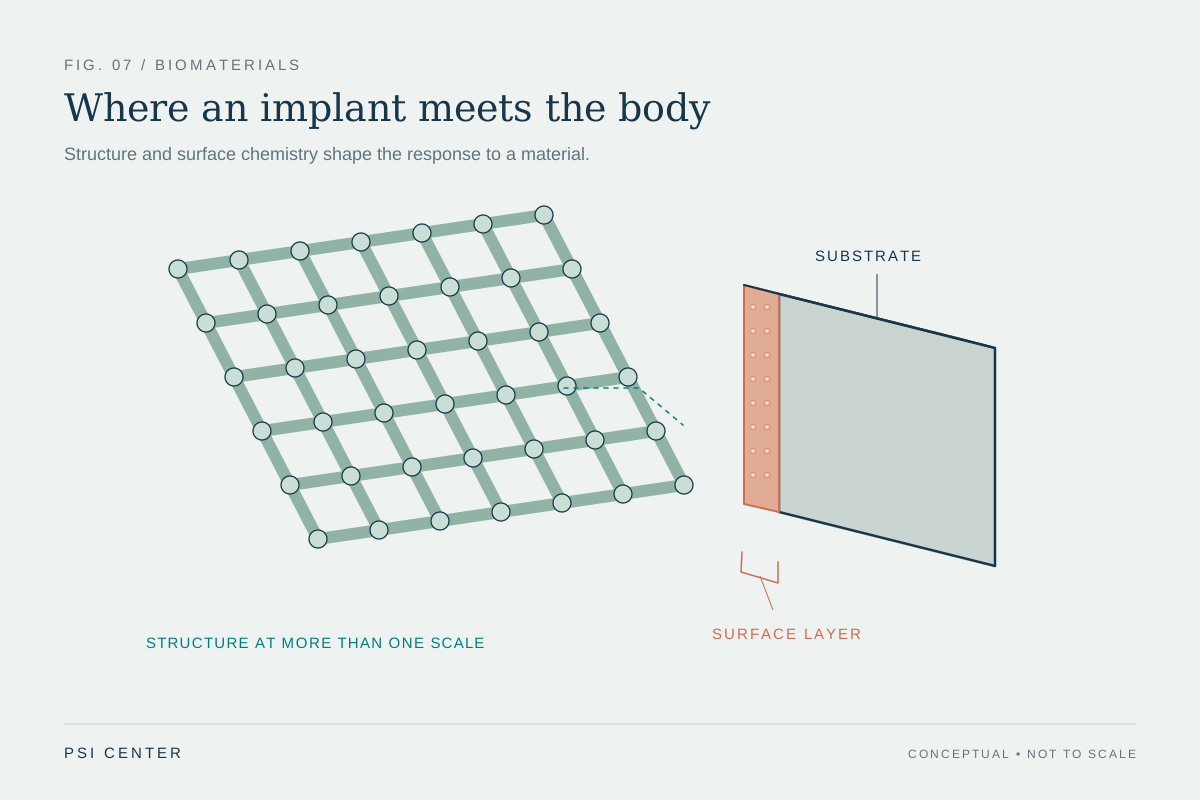
Explore the physics: an explanatory diagram
Sources & further reading
Prepared for the independent PSI Center reading library. About edition dates and source checking.
This explainer describes scientific principles. It does not assess individual treatment choices.