If two bones differ in shape, should an implant or surgical guide be identical for both? Three-dimensional printing can turn a patient’s scan or a computer design into a device with anatomy-specific geometry. That is a powerful design option, but matching a contour is only one part of making a medical device work. The material, internal structure, manufacturing process, and intended function all remain important.
From image to layered object
Three-dimensional printing, also called additive manufacturing, builds an object by attaching successive layers of material. A digital file—such as a computer-aided design drawing or an MRI—can serve as a starting point. Because designers can change the digital model without creating new production tooling, the process can make patient-specific devices and complex internal structures more practical to produce [1].
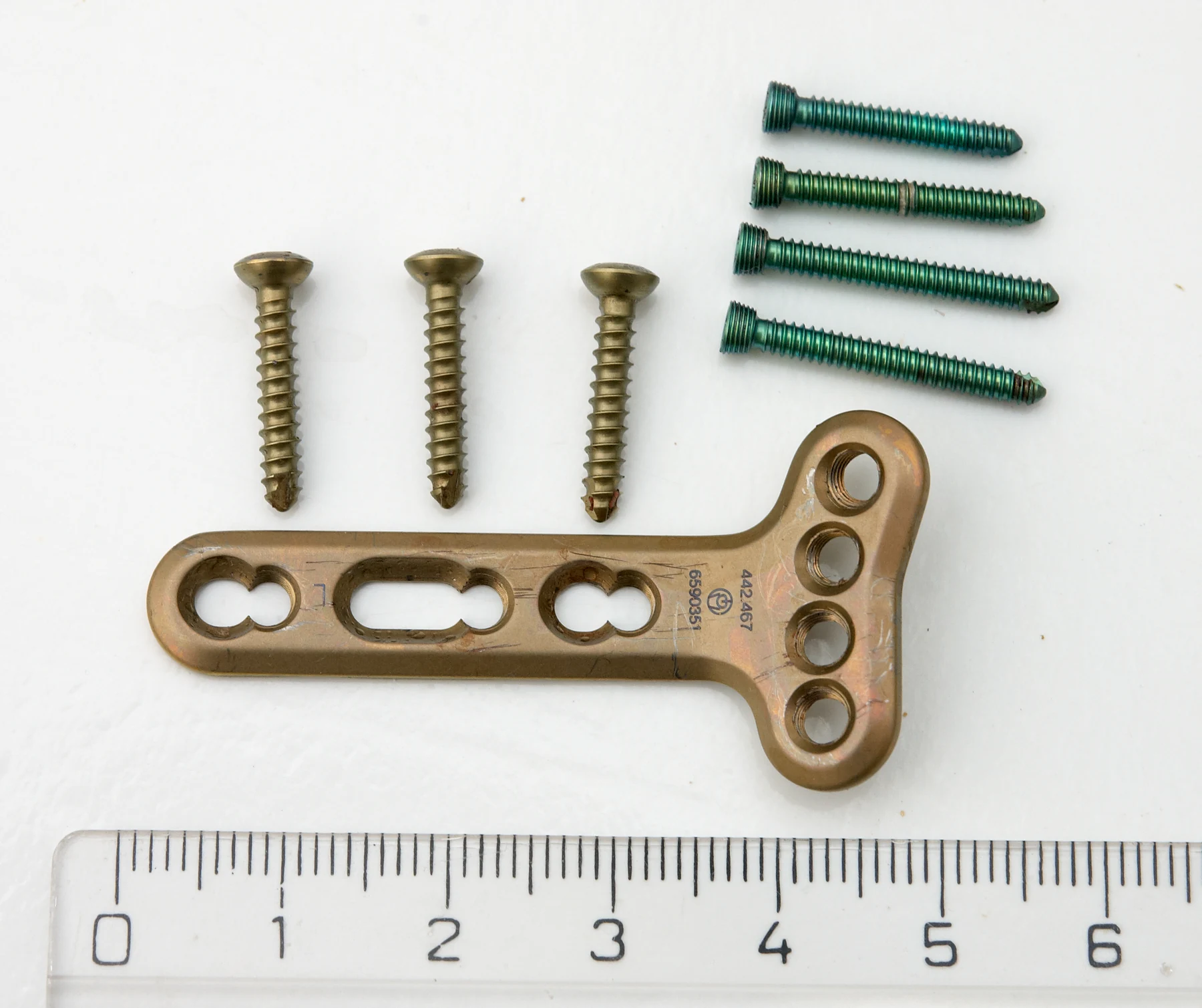
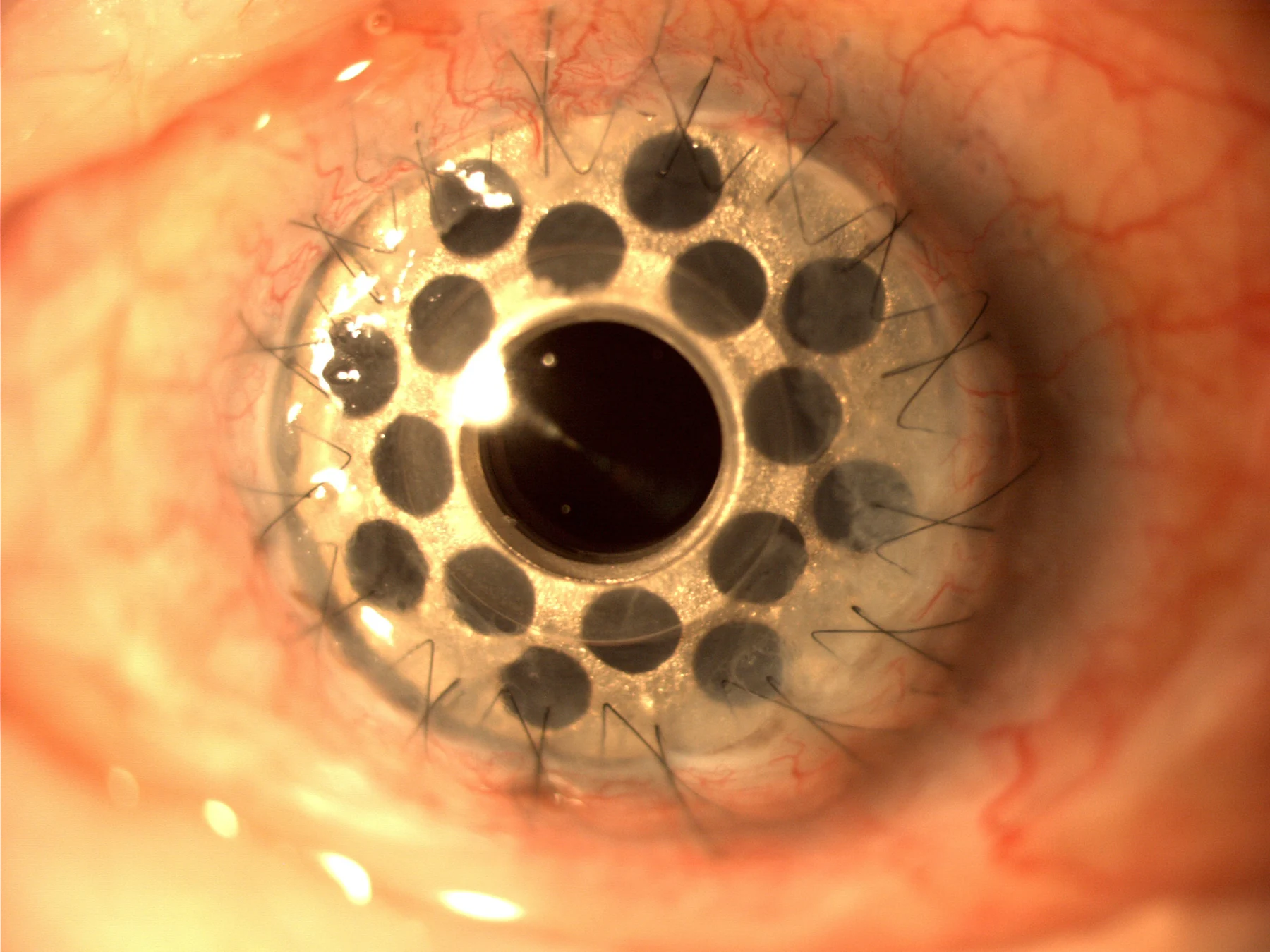
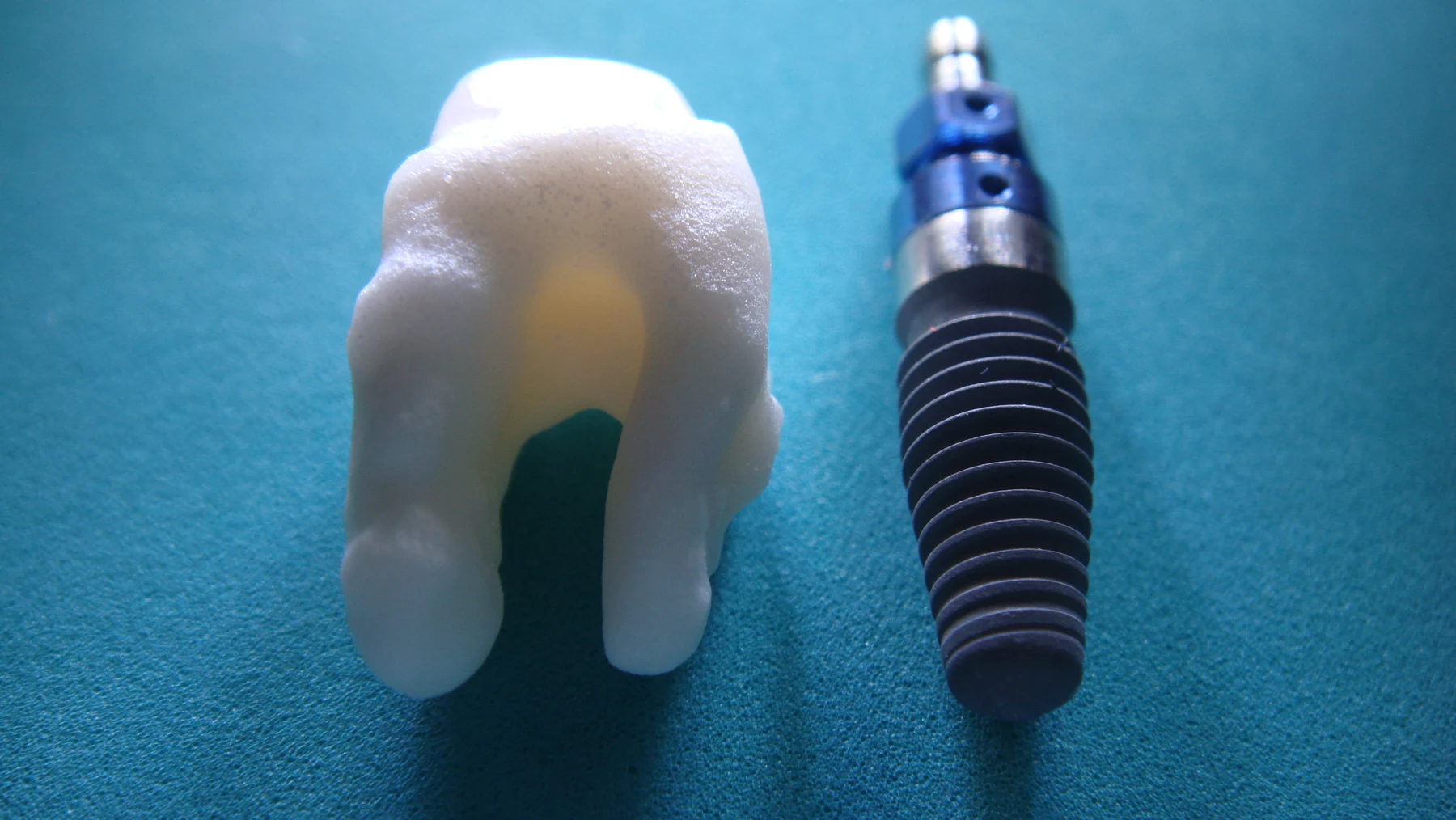
A simple example is a surgical guide shaped to fit a particular anatomical surface. A close fit may help position a tool as intended. Other printed medical devices include orthopedic and cranial implants, surgical instruments, dental restorations, and external prosthetics. The variety shows that “customized” describes a design process, not one universal kind of device or one guaranteed clinical outcome [1].
Geometry is only one design variable
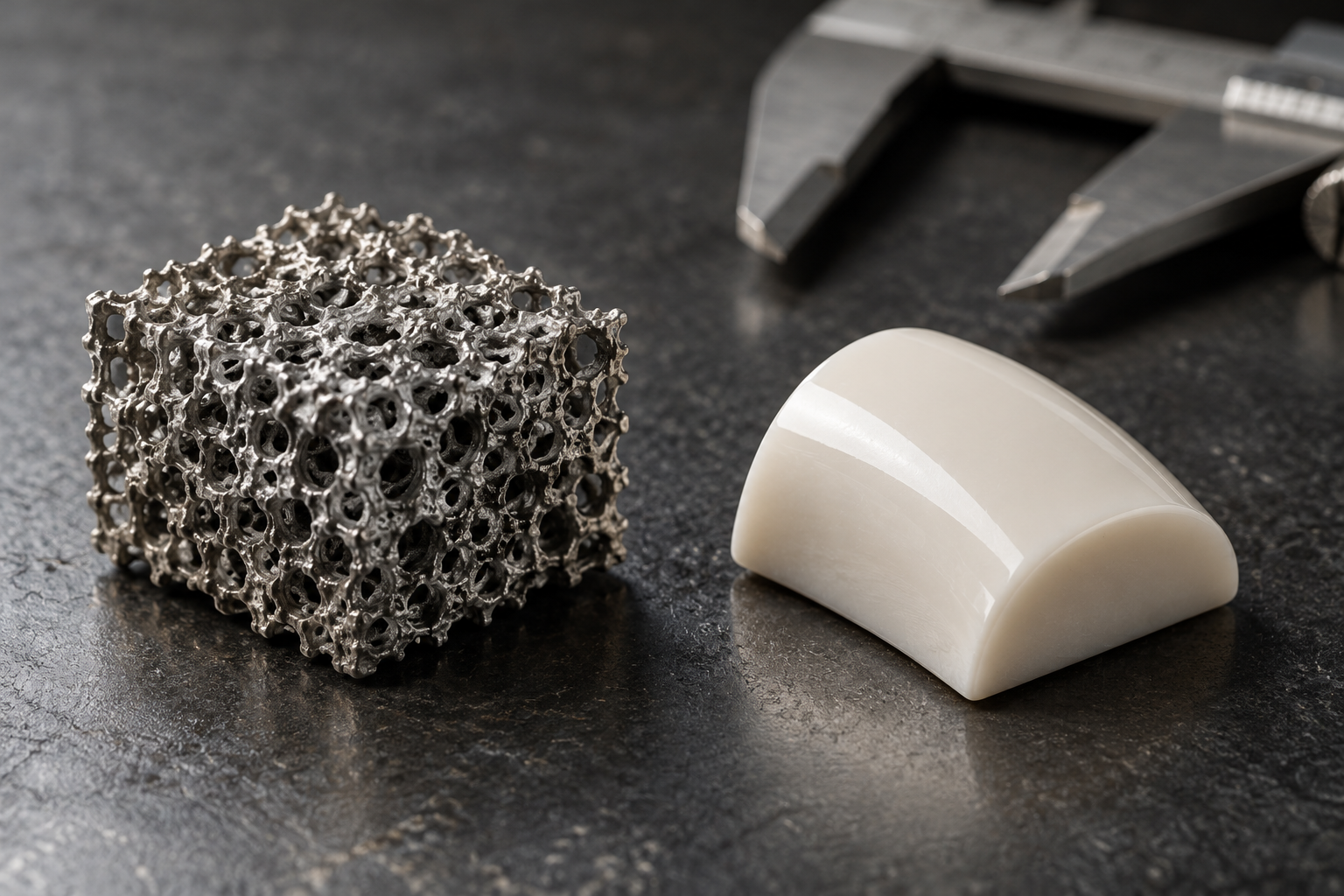
The outer shape is visible, but internal geometry can matter too. A printed structure may contain channels, lattices, or other features that would be difficult to make using some conventional methods. The device must still have the properties needed for its purpose: an implant has different demands from a guide used during an operation, and a wearable sensor has different demands from a replacement joint.
A close anatomical fit cannot establish by itself that a device is safe, durable, or effective. The selected material must suit the intended contact and function, and the manufactured object must consistently match its design. A geometry that fits a scan perfectly may still be poorly suited to the forces it will experience or the task it is meant to perform. Customization provides a way to tailor a device; it does not remove the engineering questions [1] [2].
The body changes; the model is a snapshot
An image records anatomy at a particular time and under particular conditions. Tissue can move, swell, heal, or change after an image is acquired. A device based on that image is therefore matched to a representation, and designers must consider how the real body may differ when the device is used. This is especially important when the device interacts with moving or load-bearing structures.
The word “patient-matched” can sound like a promise of perfect fit, but in practice it describes a relationship between a design and anatomical information. The intended function determines which details matter. A guide may need accurate contact at a limited surface; an implant may need to remain stable while forces pass through it. A match should be judged against the task, not against visual resemblance alone [1].
A tailored device still needs evidence
Medical devices can monitor, modulate, or supplement bodily functions and structures. Pacemakers, wearable sensors, prostheses, and implants illustrate how diverse those roles are [2]. A printed device may be patient-specific, but its evaluation still depends on what it is meant to do, how it is made, and whether it performs reliably. The manufacturing route itself can create considerations that apply to additive devices, which is why FDA points manufacturers to technical guidance and quality-system requirements [1].
Customization is most useful when an individual’s anatomy makes standard geometry a poor fit or when a complex form serves a clear purpose. It is less meaningful as a label by itself. A good design connects the digital model, the material and manufacturing process, the actual body, and the clinical task. Patient-matched geometry can solve a shape problem; the rest of device performance must be established on its own terms [1] [2].
Sources & further reading
Prepared for the independent PSI Center reading library. About edition dates and source checking.
This explainer describes scientific principles. It does not assess individual treatment choices.