How can a digital drawing become a device with a hollow channel, a patient-matched contour, or a shape too intricate for a simple mold? In 3D printing, a machine builds an object from successive layers of material. The process sounds like stacking thin slices, but the resulting device depends on more than its outline: the file, material, layer bonding, and final checks all shape what the object can do.
From anatomy or drawing to a build file
A printer starts with a digital three-dimensional file. That file may come from computer-aided design or, in some cases, from medical imaging such as an MRI [1]. The design is translated into a sequence of layers, each describing where material should be placed or formed. The machine then creates the object step by step, attaching each new layer to the previous one until the intended geometry is complete.
Think of a curved surgical guide. A conventional process might require dedicated tooling and careful shaping; a digital workflow can encode the curve directly and revise it without making new tools. The FDA notes that 3D printing can support devices matched to a patient’s anatomy and devices with complex internal structures [1]. That flexibility can be useful, but the digital file is only the plan. It does not by itself establish that the physical object has the needed strength, fit, or clinical performance.
Layers make shape—and introduce seams
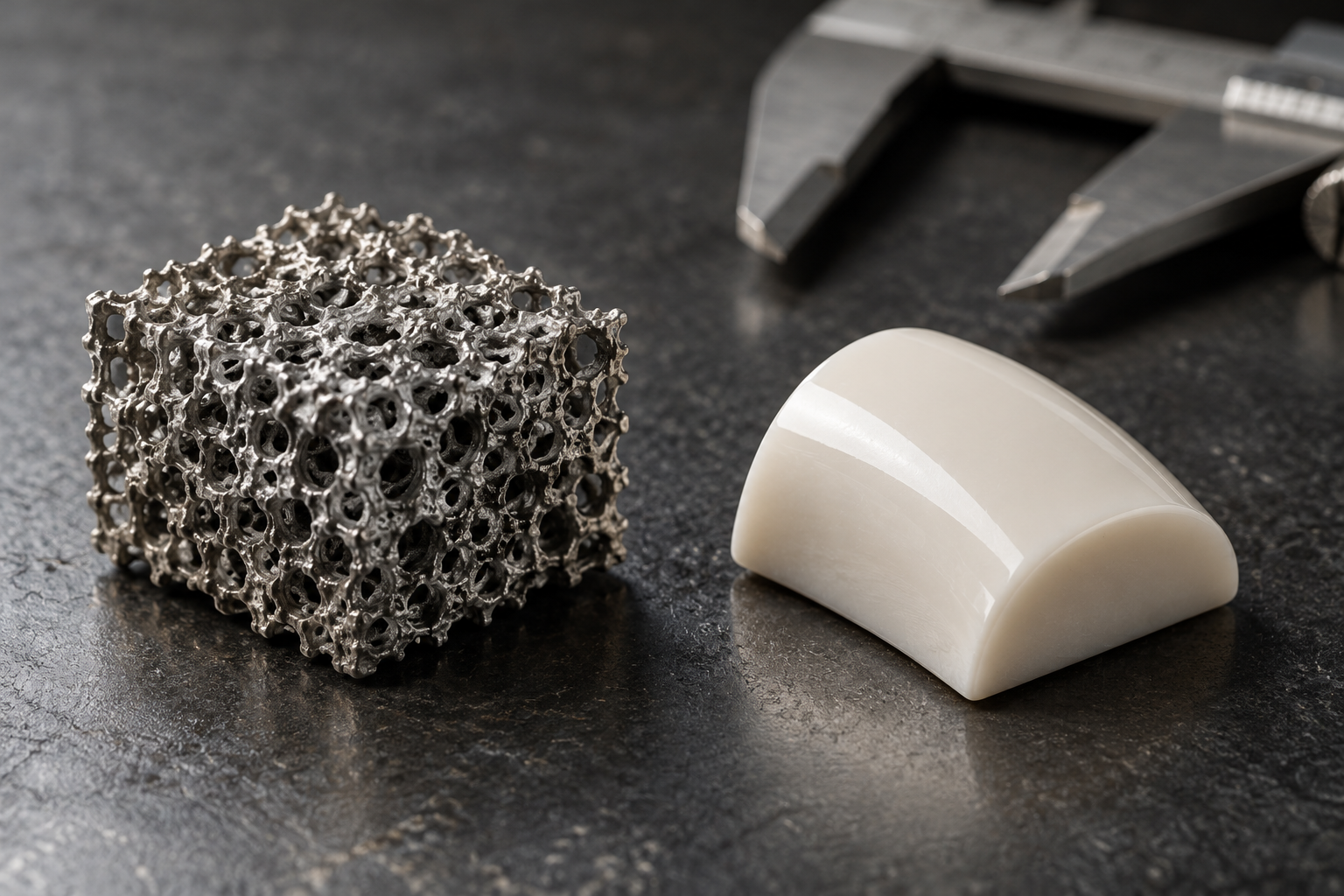
Each layer contributes a small part of the final form. Depending on the printing method, material can be deposited, fused, or otherwise shaped in a pattern. Fine features and internal channels become possible because the machine follows a programmed geometry. Yet the object is not necessarily identical in every direction: the way layers meet can influence its mechanical behavior, much as a stack of paper is easier to separate along its sheets than to tear through the whole stack.
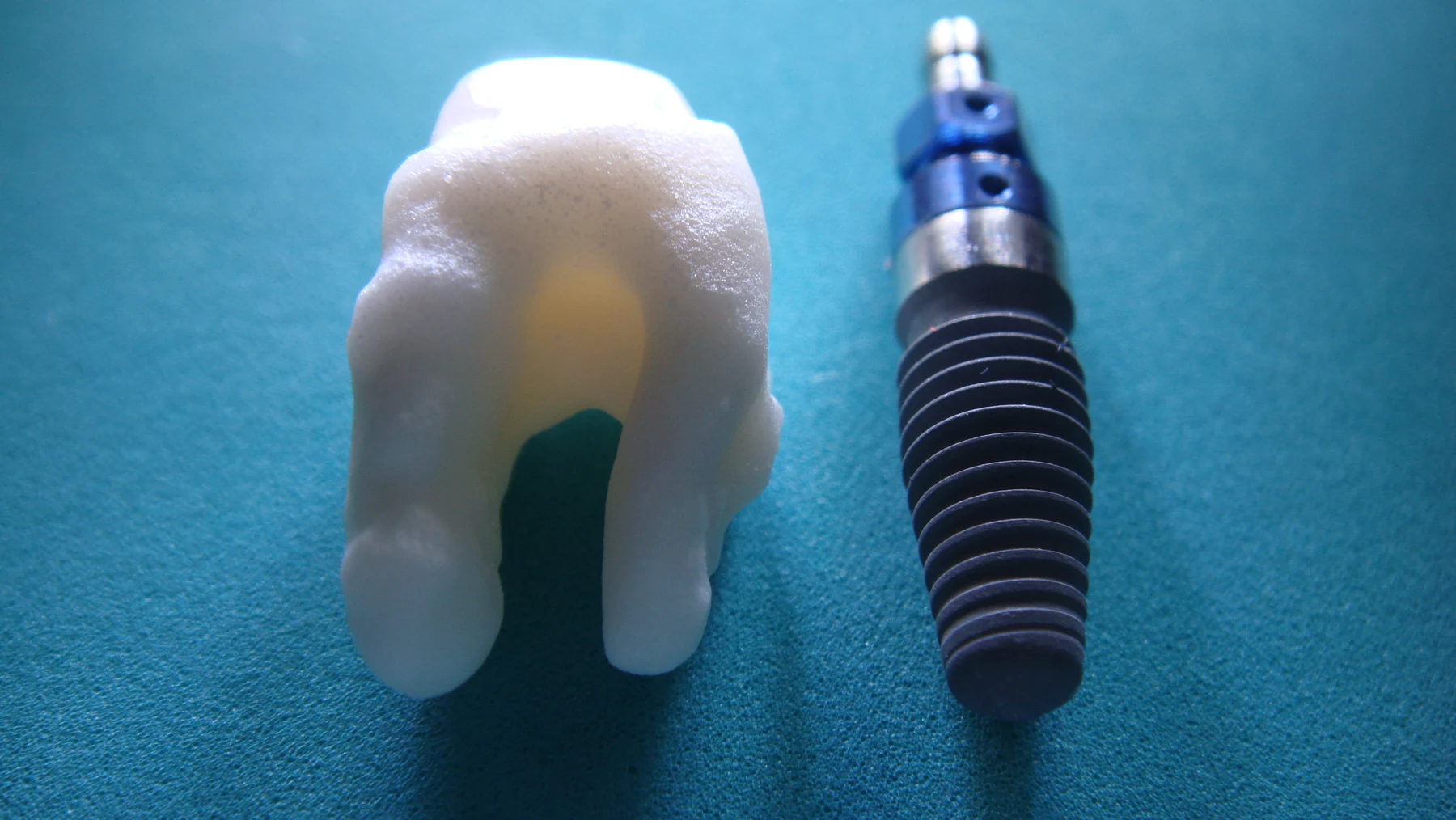
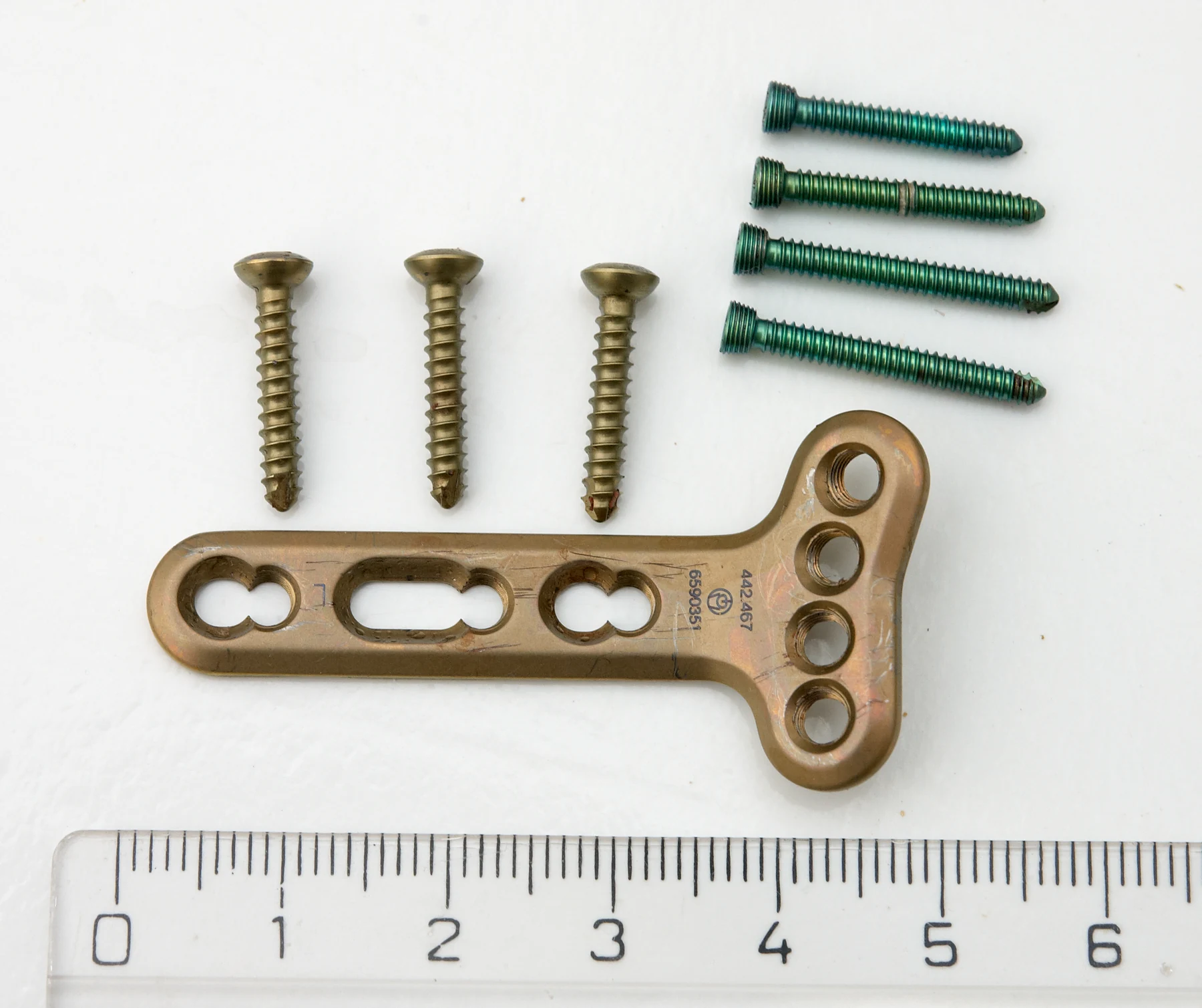
This makes the phrase “3D printed” a description of a manufacturing route, not a guarantee of one material or one performance profile. Medical devices produced this way include orthopedic and cranial implants, surgical instruments, dental restorations, and external prosthetics [1]. Their demands differ: an implant bearing load, a dental crown, and an external prosthesis face distinct stresses and contact conditions. A design has to be considered alongside how its material behaves in the body or at its surface.
Material meets living tissue
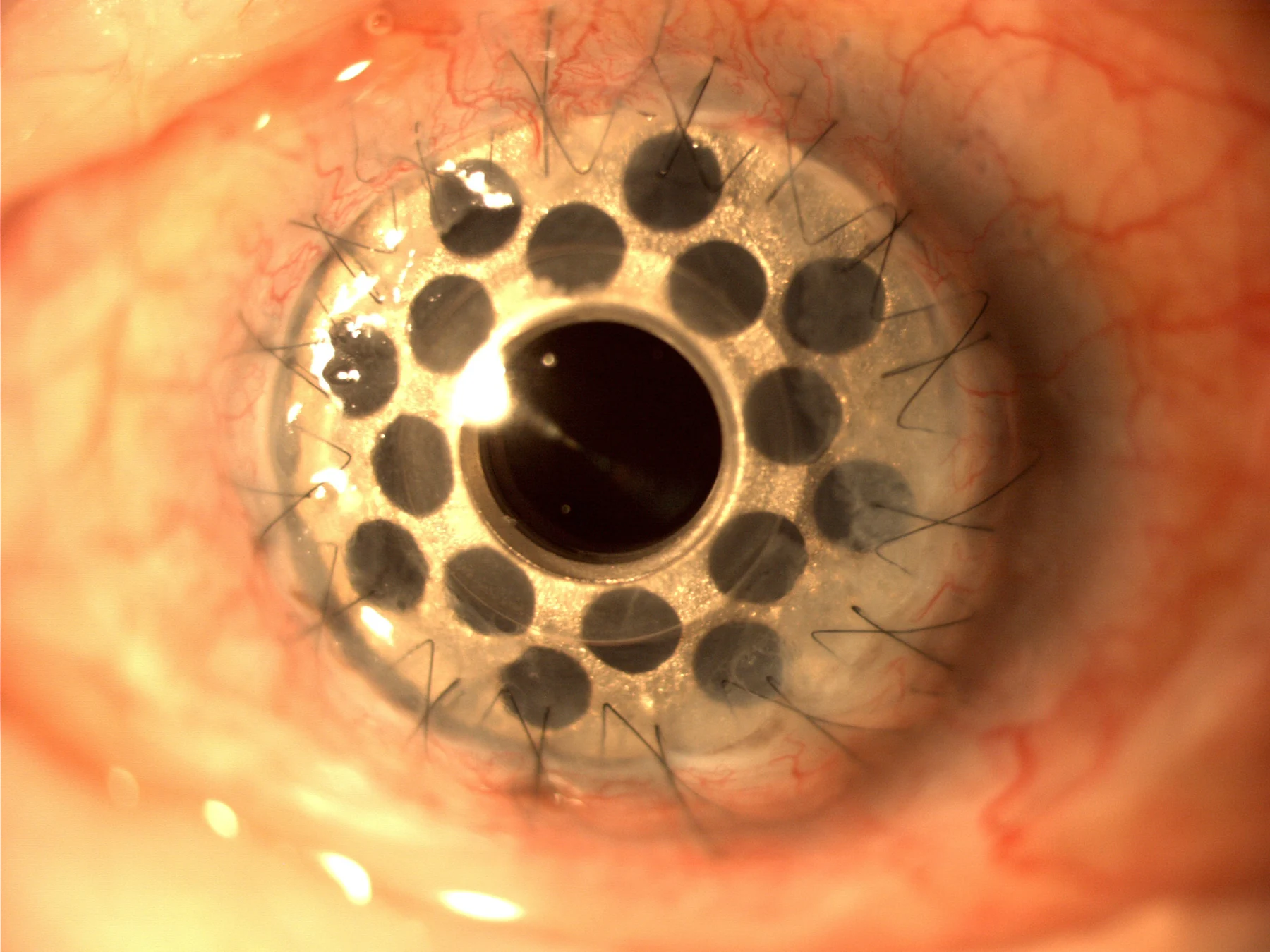
A biomaterial is a material used in a way that interacts with the body. Some are metals or ceramics; others are polymers or materials derived from natural sources. Their roles range from dental fillings and contact lenses to joint replacements and scaffolds intended to support tissue engineering [2]. A printed shape therefore has biological as well as geometric dimensions: its surface, flexibility, strength, and chemical behavior can matter to how it functions.
The body may respond to an implanted object through a foreign body response, in which immune activity can degrade or surround the material with scar tissue. Strategies described by NIBIB include corrosion-resistant or biologically inert materials, biodegradable materials, and designs that mimic aspects of the extracellular matrix—the scaffold surrounding cells [2]. These are design approaches, not evidence that every printed biomaterial has been proven clinically. The goal is to match material and structure to a specific use, while accounting for the body’s response.
A printer is one step in manufacturing
Because the process is flexible, changing the digital design can be easier than setting up new tooling. The same freedom raises a practical challenge: manufacturers must understand how their process and materials affect the finished device. FDA directs medical device manufacturers to relevant guidance and quality system requirements for particular applications, and its additive manufacturing guidance addresses technical considerations [1]. The design, production process, and finished product all matter.
A useful mental model is to see a printed device as a translation chain: an anatomical or functional need becomes a digital geometry; geometry becomes machine instructions; instructions become layers; and layers become an object that must suit its intended use. A flaw or assumption at any link can affect the final result. Layer-by-layer construction makes new forms possible, while careful material selection and manufacturing controls determine whether those forms are fit for their purpose.
Sources & further reading
Prepared for the independent PSI Center reading library. About edition dates and source checking.
This explainer describes scientific principles. It does not assess individual treatment choices.