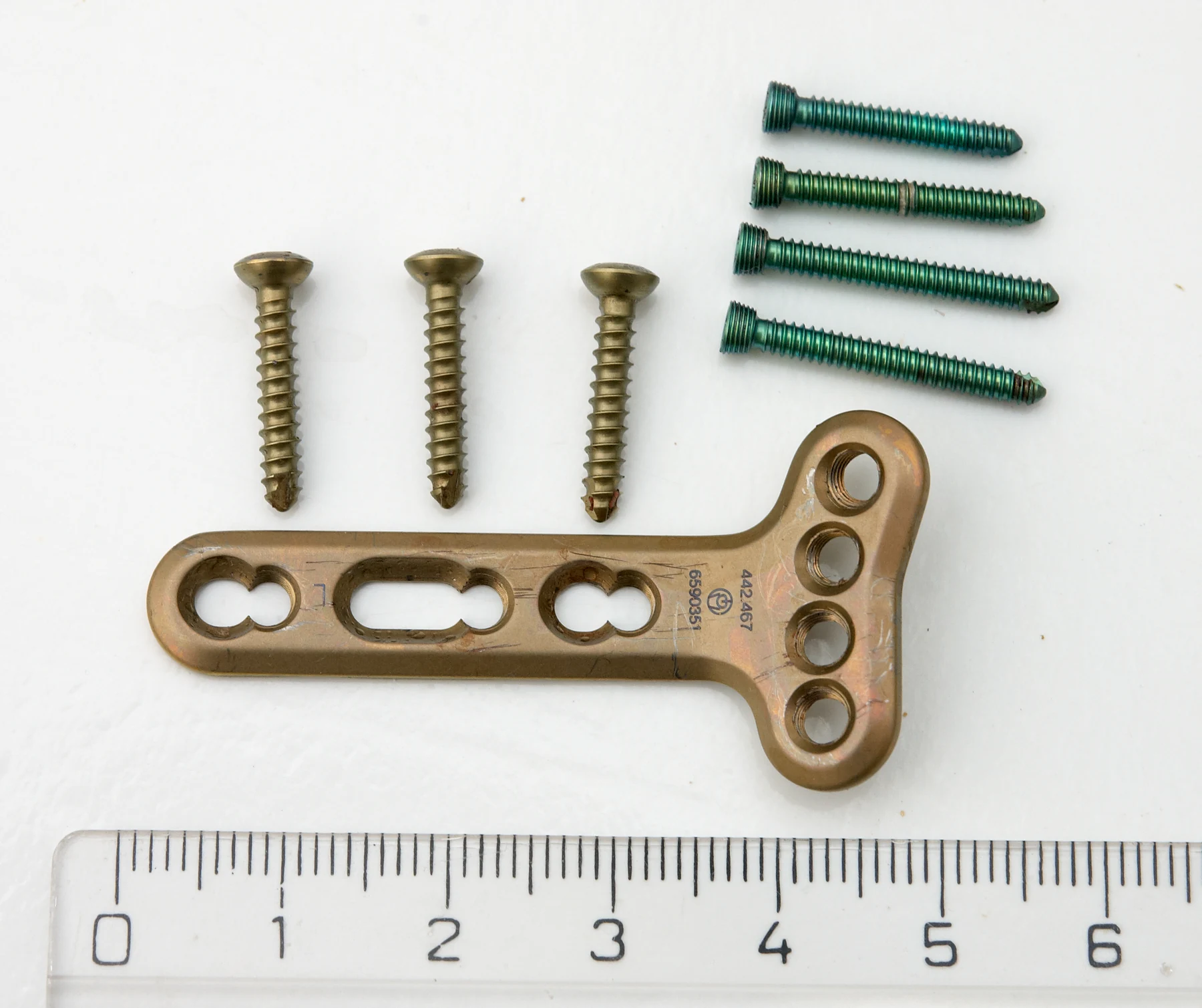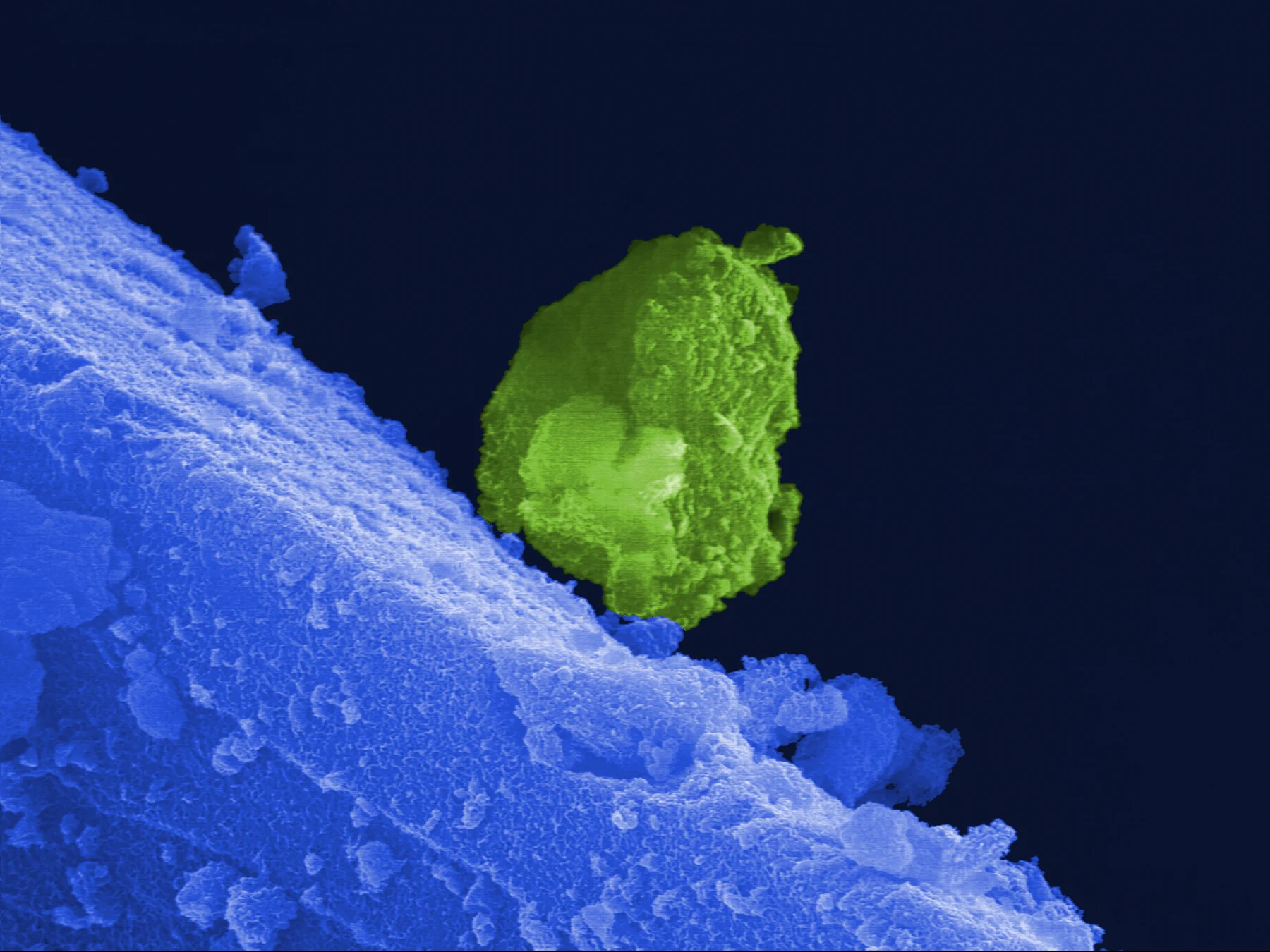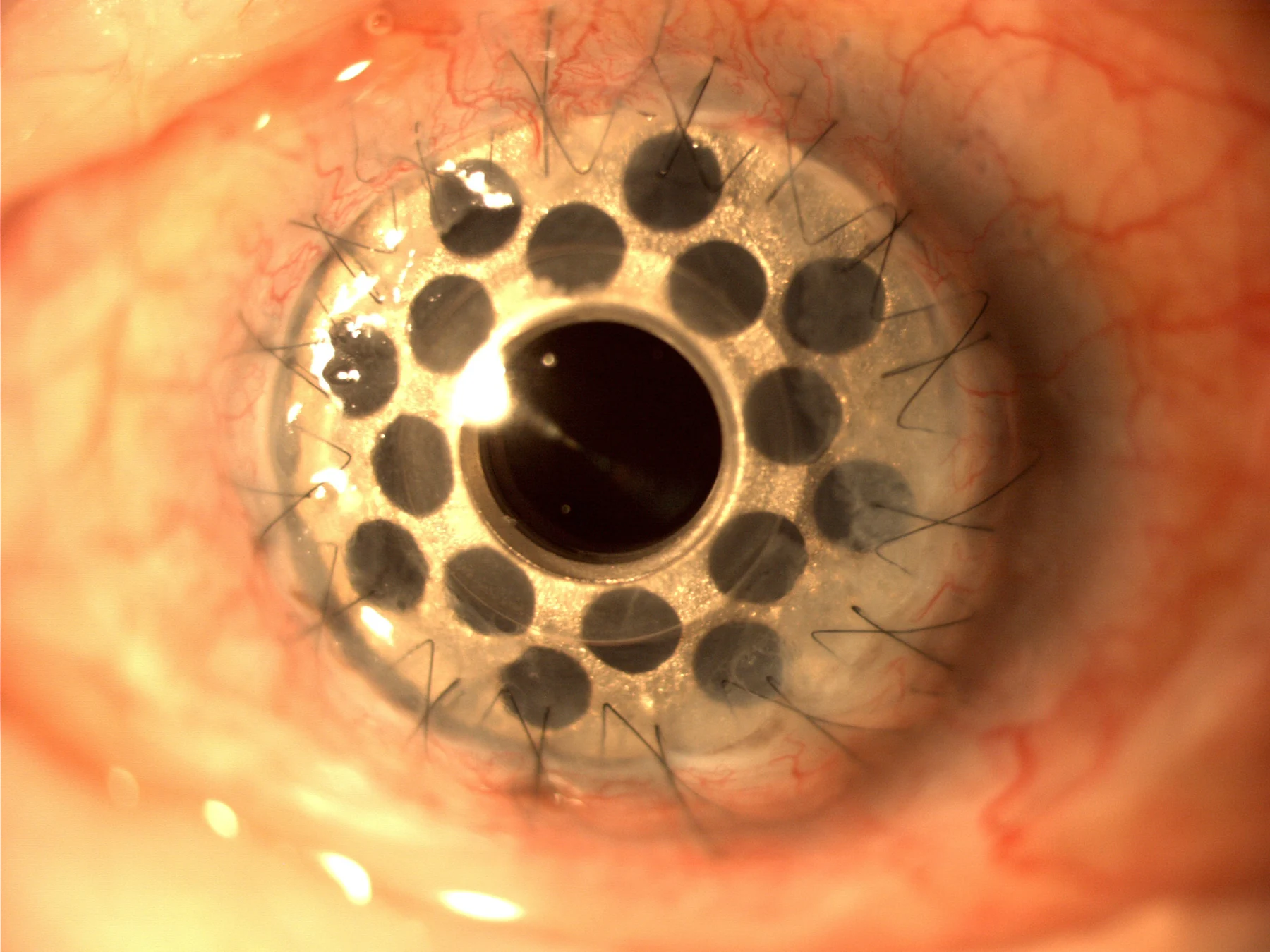
What should happen to an implant after it has done its job? For some devices, the answer is not “stay unchanged forever.” A biodegradable material can gradually lose mass or structure in the body, making its disappearance part of the design. The challenge is timing: the material must support the intended task while tissue heals, then break down in a way the body can tolerate. That makes biodegradation a planned sequence of material changes, not simply a label for something that vanishes.
A scaffold with a changing role
Imagine a temporary framework supporting cells as they repair a damaged tissue. Early on, it may need enough strength and shape to provide structure. Later, as the tissue takes over, that support may be less necessary. Biomaterials can be engineered as scaffolds, films, fibers, or other forms; some are designed to break down rather than remain as permanent implants. Their composition and structure help determine how they interact with cells and the surrounding tissue [1].
The word “biodegradation” can suggest that a material simply dissolves. In practice, its breakdown may involve several changes: water enters, chemical bonds are altered, fragments detach, and the material loses strength or mass. The body’s response also matters. A material’s breakdown products and the site where it is used influence whether its changing presence supports integration or provokes an unwanted reaction. The desired outcome is not just disappearance, but a useful transition from device support to the body’s own function.
Timing is a design variable
Consider a temporary support that is meant to hold tissue in place while healing proceeds. If it loses strength too soon, it may stop providing support before the tissue can bear the load. If it persists much longer than needed, it may continue to occupy space or interact with the body after its main role is over. These are different failure modes, so researchers have to consider both the mechanical job and the material’s changing behavior over time.
A design may alter the material’s chemistry, shape, thickness, or internal structure to influence how it breaks down. It may also carry a therapeutic substance, with release linked to biodegradation or to a biological condition such as acidity or heat. Such a mechanism can be promising, but a plausible release pathway does not by itself demonstrate a health benefit. Tests must examine the whole device and the intended use.
The body is part of the environment
Materials do not experience the body as a uniform test chamber. A joint, a blood vessel, and a soft tissue differ in movement, fluid exposure, and mechanical demands. A material used in a load-bearing setting must face repeated forces; one used near delicate tissue may need different mechanical and biological properties. Even processing and manufacturing can influence how a finished device behaves. FDA evaluation considers material properties alongside a device’s function and intended use [2].
The immune system also responds to implanted materials. Some devices are made from corrosion-resistant, biologically inert substances; others aim to resemble parts of the extracellular matrix, the natural molecular framework around cells. A biodegradable material may be designed to break down before a chronic foreign-body response becomes a persistent problem, but that is a design rationale, not a guarantee. Biological responses can vary, and FDA describes continuing research into responses to metal-containing implants and ways to improve evaluation [2].
A claim belongs to a particular device
“Biodegradable” does not establish that every material is safe for every location or every person. Safety assessment concerns the device as a whole: its material components, manufacturing processes, anatomical placement, and the frequency and duration of exposure. Depending on the device, evaluation may also include engineering tests for wear or corrosion. These details matter because a material’s behavior in one application cannot simply be transferred to another [2].
Research examples show why the field attracts interest without making all concepts established care. NIBIB describes a biodegradable polymer film that produced electrical current under pressure and was studied with exercise in a rabbit model of osteoarthritis. That is a model-based research result, not proof that the film restores cartilage in people or that biomaterial approaches are interchangeable [1]. The central question is therefore specific: can this material perform its intended task, change at a useful pace, and interact acceptably with the body in the device for which it was designed?
Sources & further reading
Prepared for the independent PSI Center reading library. About edition dates and source checking.
This explainer describes scientific principles. It does not assess individual treatment choices.