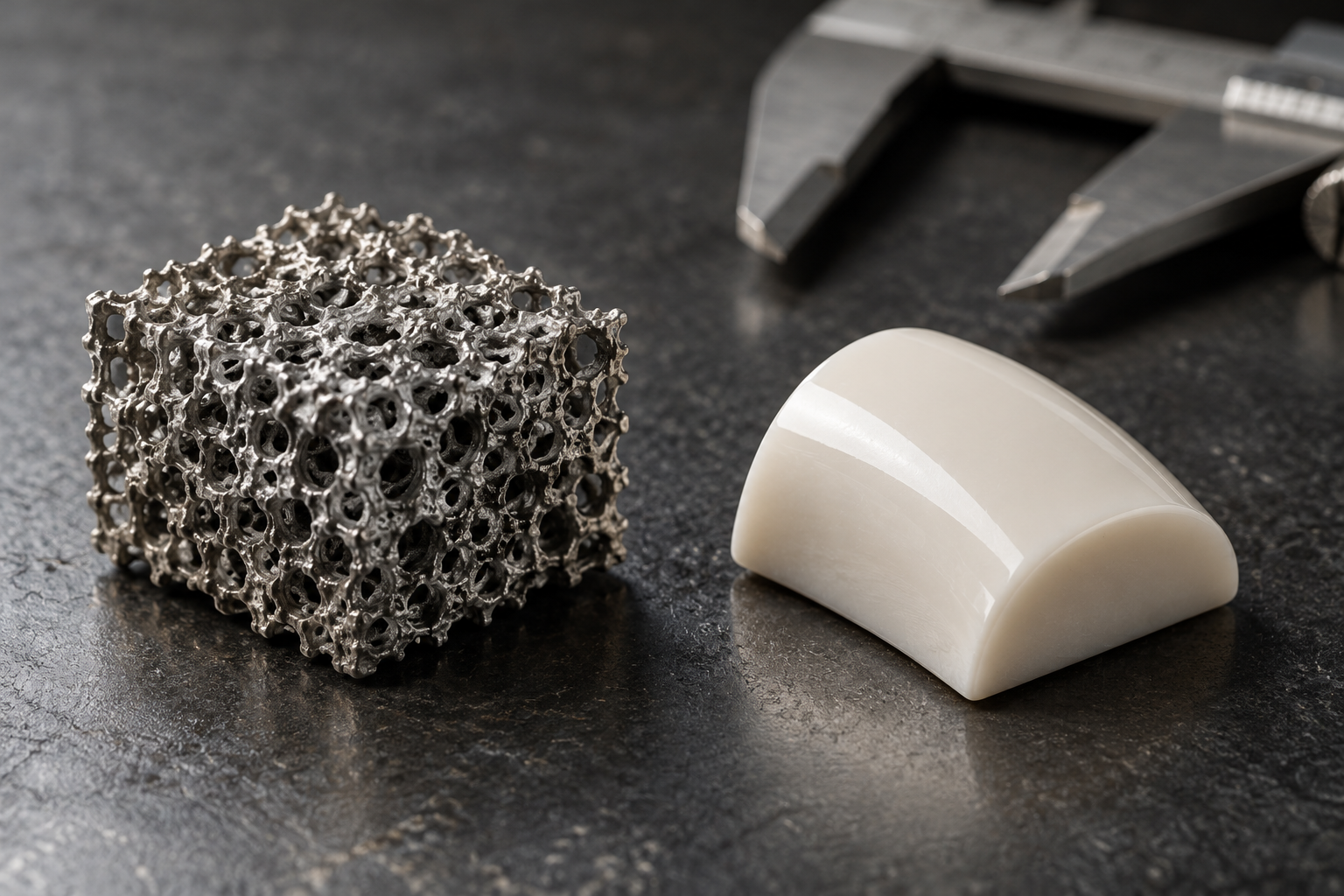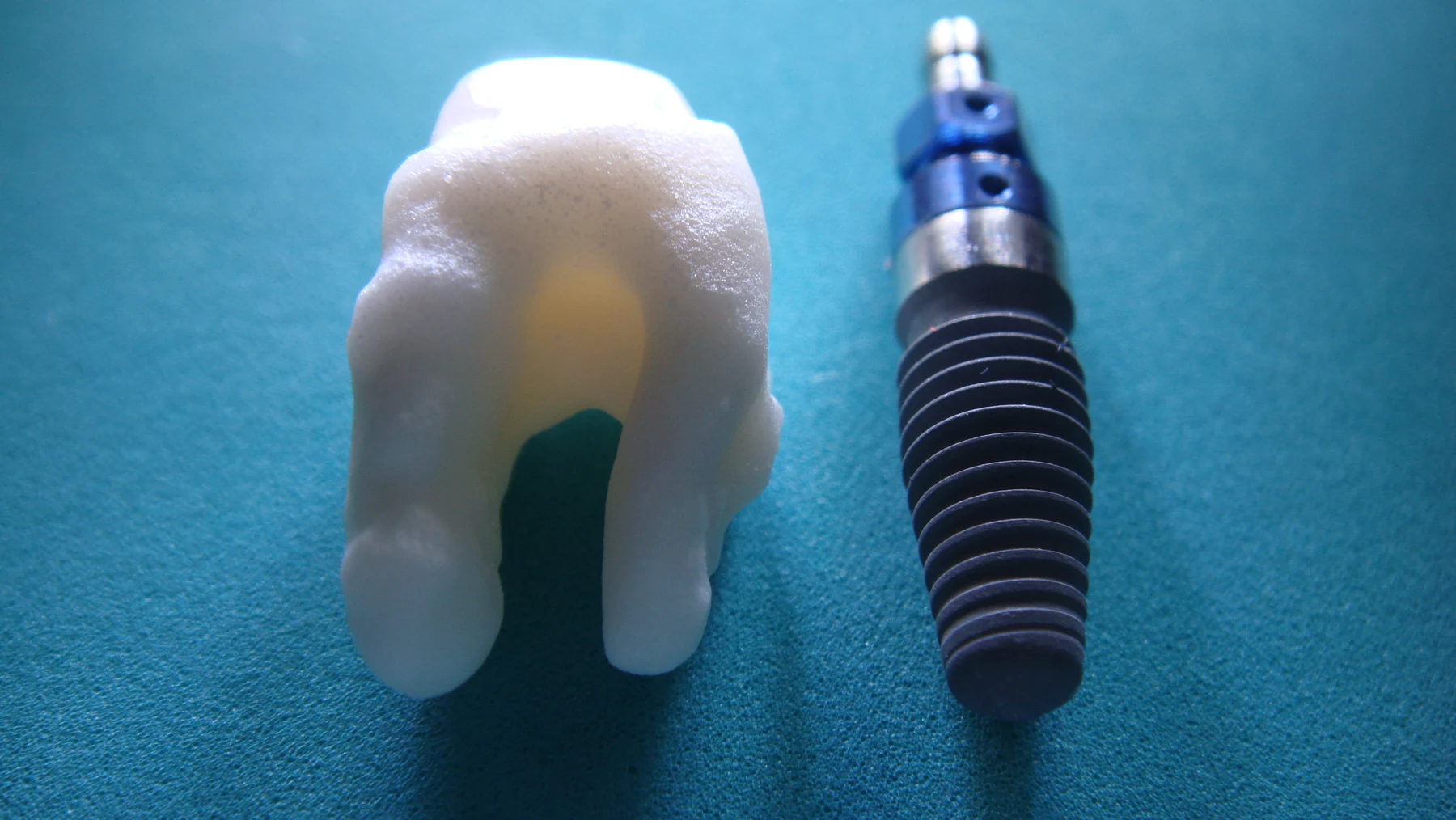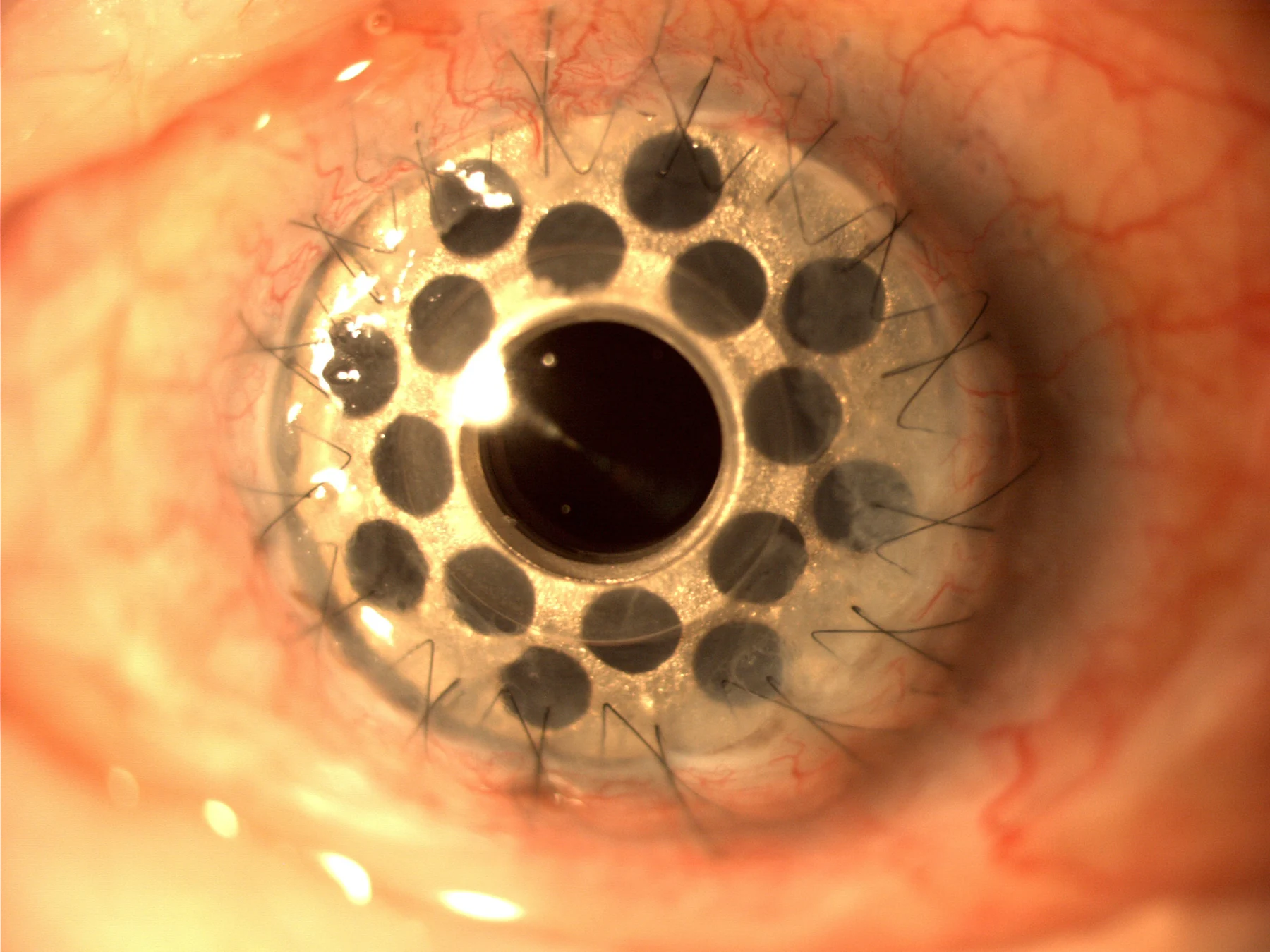
What would it mean for a medical material to “notice” a signal? It does not need awareness. A material can be engineered so a physical or chemical cue changes its shape, electrical output, or rate of breakdown. Pressure may generate a voltage; acidity may alter how a carrier releases its contents. Such responses connect the body’s environment to a device’s behavior, making material choice part of how a biomedical system senses or acts.
A cue changes a material response
Materials respond because their internal structure and chemistry interact with their surroundings. A polymer may swell in water, a coating may degrade over time, or a material may produce an electrical signal when compressed. In each case, the cue changes a measurable property. The response can then serve a function: indicate a condition, deliver a substance, or influence nearby tissue.
NIBIB describes biomaterials as materials used in devices that interact with the body, from dental fillings to spinal cord stimulators [1]. Their roles vary widely. Some provide mechanical support, while others carry therapeutics or shape interactions between cells and an implant. Calling a material “responsive” describes a design behavior; it does not imply that every such material is clinically established.
Pressure can become an electrical signal
Consider a thin film placed where movement creates repeated pressure. In a piezoelectric material, mechanical deformation can produce an electrical response. NIBIB describes research on a biodegradable polymer film that generated a cartilage-regenerating electrical current when subjected to pressure; in a rabbit osteoarthritis model, the team paired the films with daily exercise and observed regenerated tissue resembling native cartilage [1].
That example connects a mechanical cue to an electrical output, but its evidence remains tied to an animal model. It does not show that the film is a proven human treatment. The causal chain is still informative: pressure deforms the material; the material produces a current; the surrounding tissue experiences that signal. Each link can be studied separately, and clinical usefulness requires evidence beyond the existence of the mechanism.
Chemical cues can control delivery
A different material may respond to acidity or heat. NIBIB notes that therapeutics can be released in a controlled manner as a carrier biodegrades or in response to a biological stimulus such as heat or acidity [1]. This is useful in principle because a medicine circulating throughout the body can reach unintended tissues or degrade before arriving at its target. A carrier can protect a therapeutic and may be modified for selective uptake by certain cells.
The sensor analogy helps explain the design. A thermometer changes an indicator with temperature; a responsive drug carrier changes its behavior when it encounters a cue. But a carrier is not necessarily a sensor that reports a value to a person. Its response may simply alter release. NIBIB’s sensor overview defines sensors as tools that detect and respond to physical-environment inputs, including chemical and thermal quantities [2]. The label “responsive material” can cover both reporting and action, which should be distinguished.
Compatibility shapes whether a response helps
A material must function amid the body’s own defenses. Foreign objects can trigger a foreign body response: immune activity that may degrade or encapsulate an implant in scar tissue, potentially hindering its operation [1]. Designers may use corrosion-resistant, biologically inert materials or mimic features of the extracellular matrix, the natural scaffold around cells, to improve compatibility and tissue integration.
The material’s response must also match the application. A flexible polymer may suit a blood vessel, while a load-bearing joint needs strong, wear-resistant components [1]. A cue-sensitive coating that releases a drug at the wrong place or time would not be useful merely because it responds reliably in a laboratory. Design therefore links material physics, body environment, and clinical evidence. A promising response is a starting point for evaluation, not proof that a device or therapy benefits patients.
Sources & further reading
- Biomaterial Technologies NIBIB
- Sensors NIBIB
Prepared for the independent PSI Center reading library. About edition dates and source checking.
This explainer describes scientific principles. It does not assess individual treatment choices.